Brand Fit Snapshot
Best for:
Not ideal if:
Similar properties you might like:
Quick assessment - takes 30 seconds
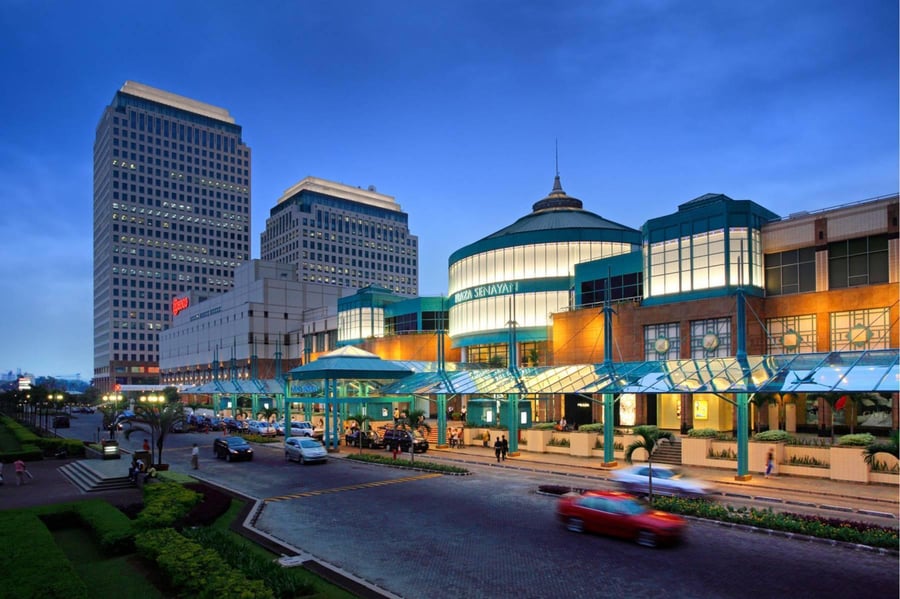
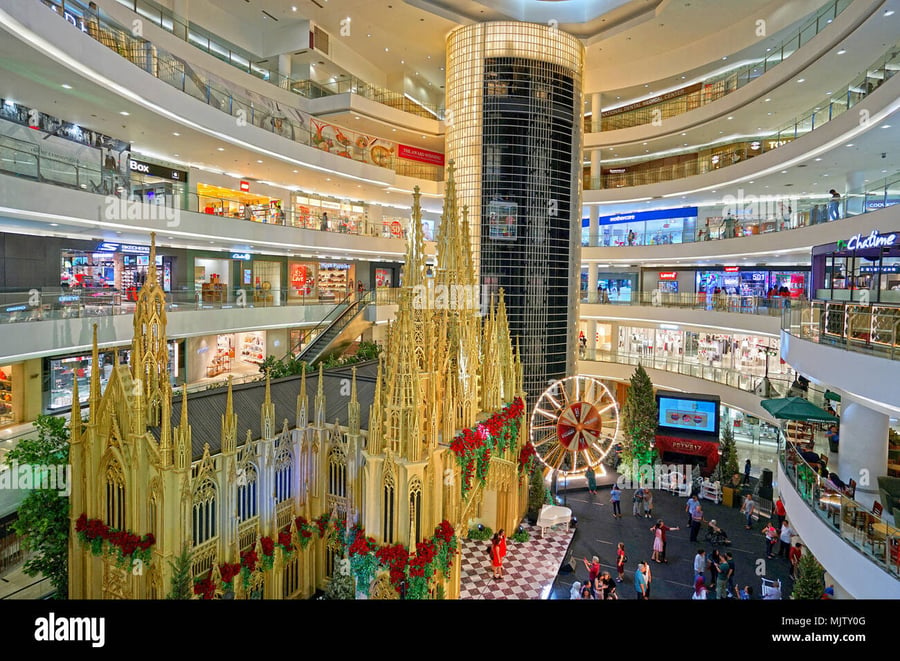
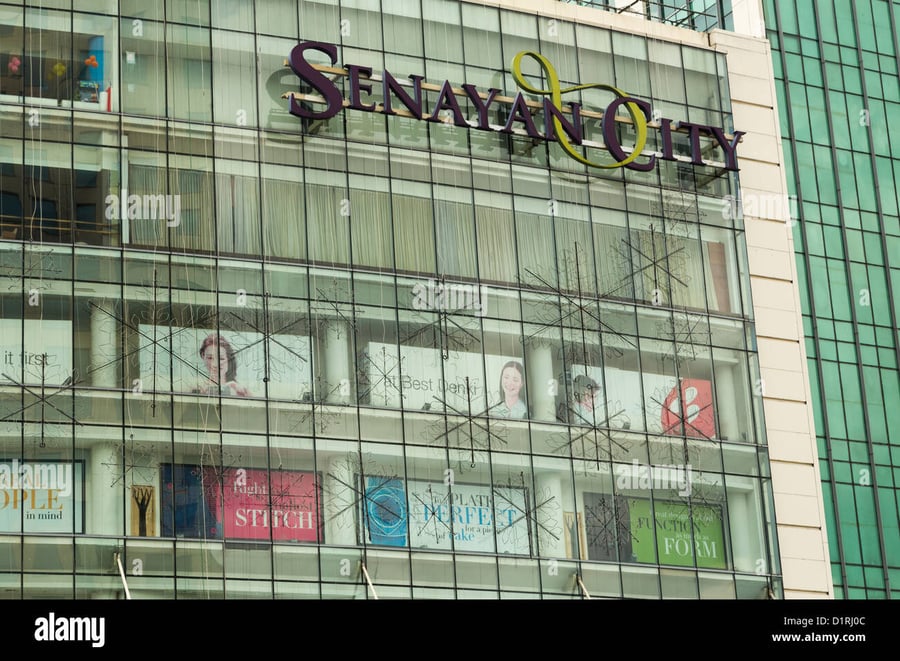
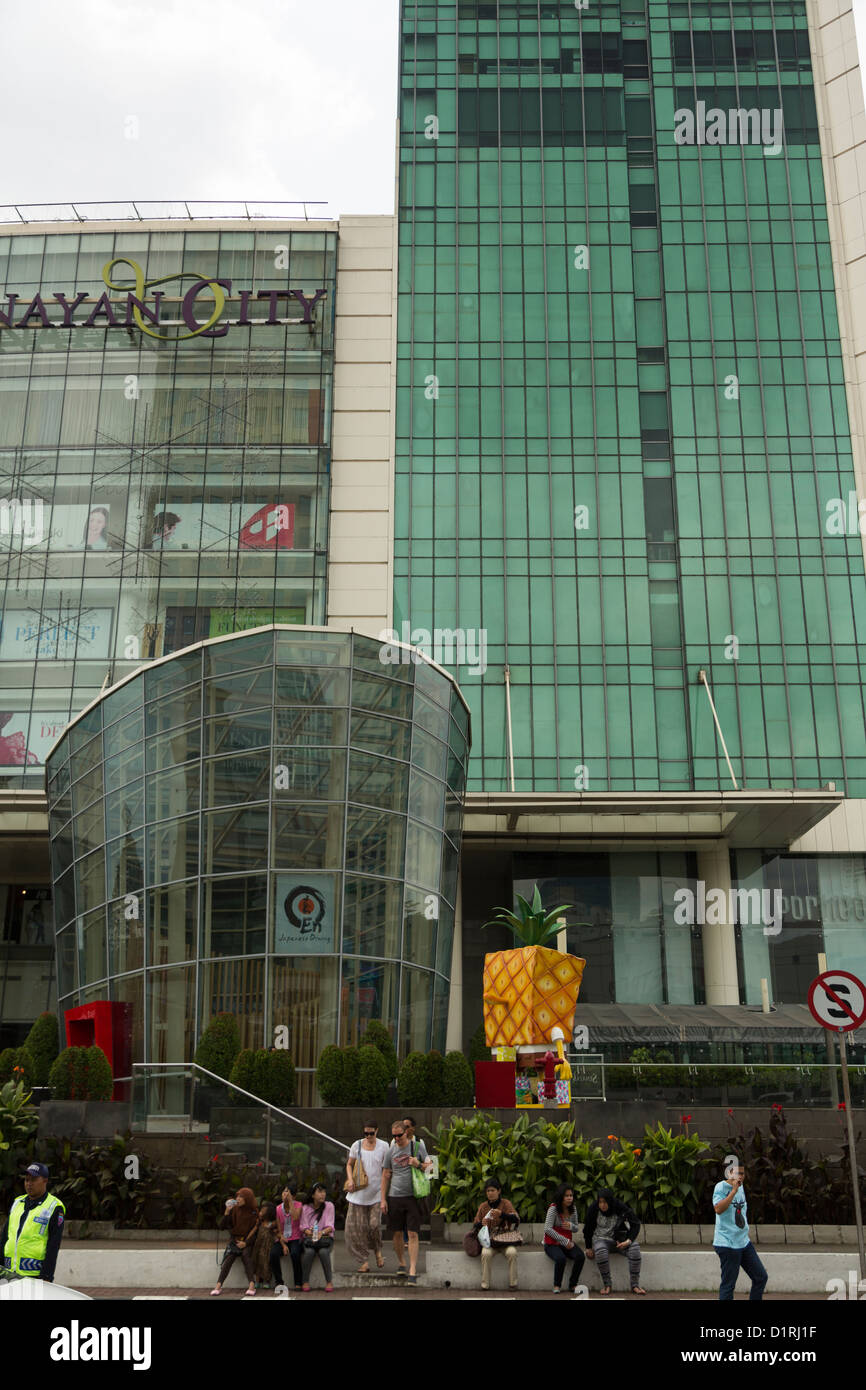
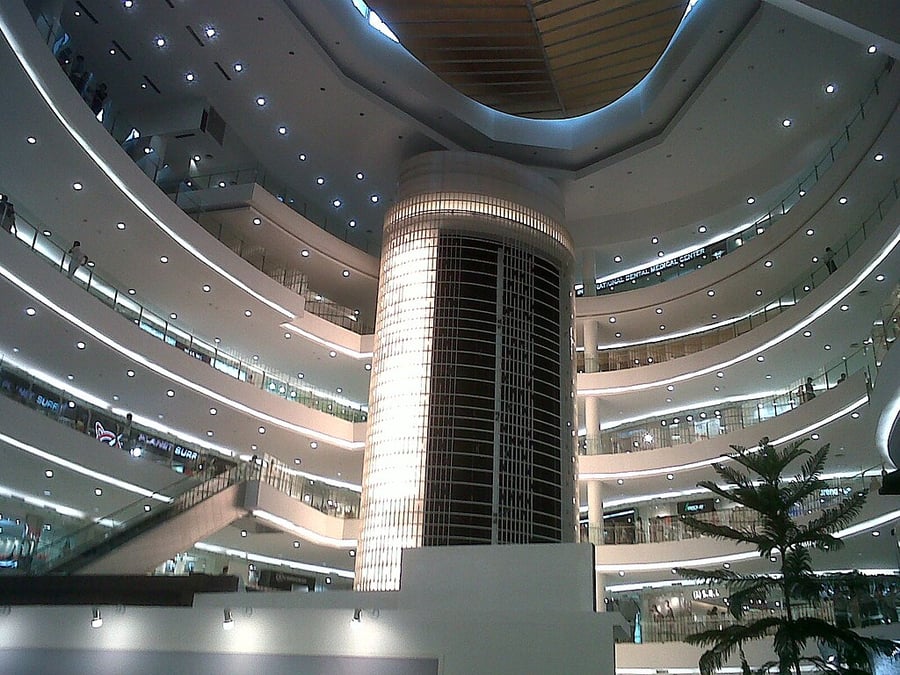
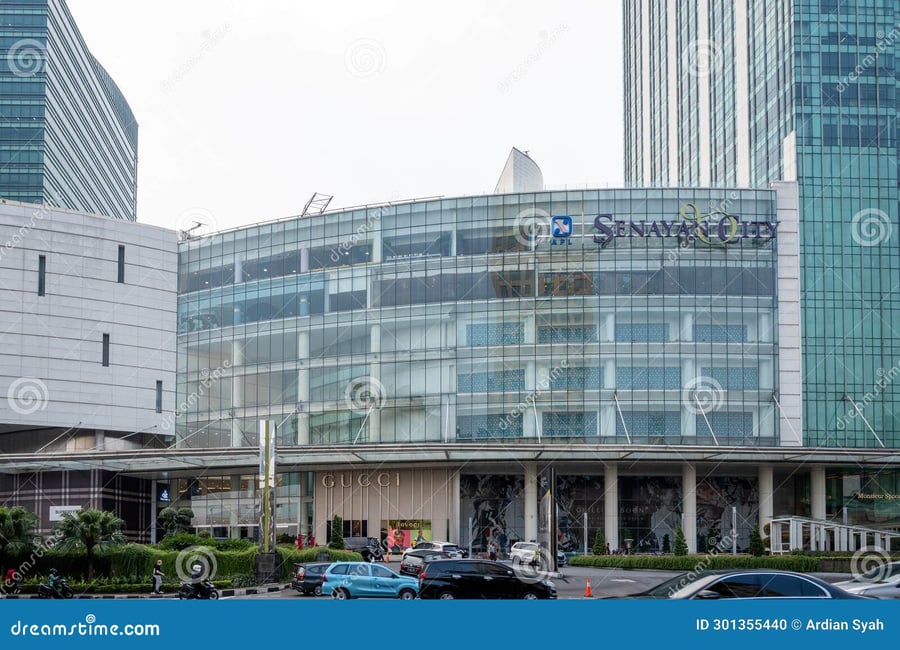
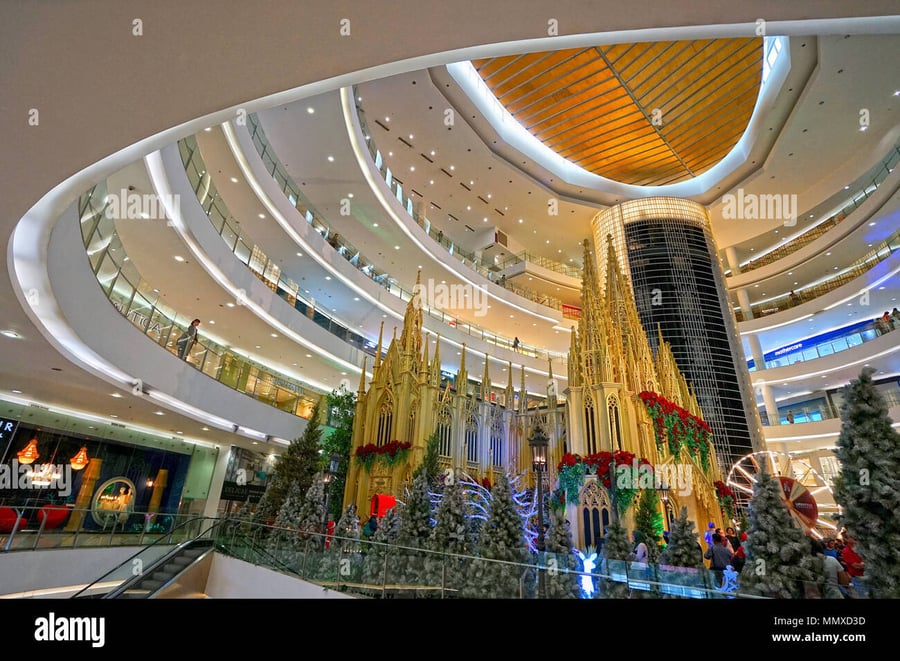
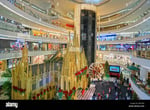
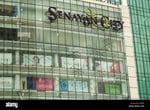
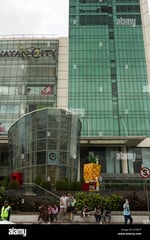
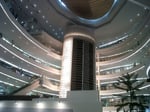
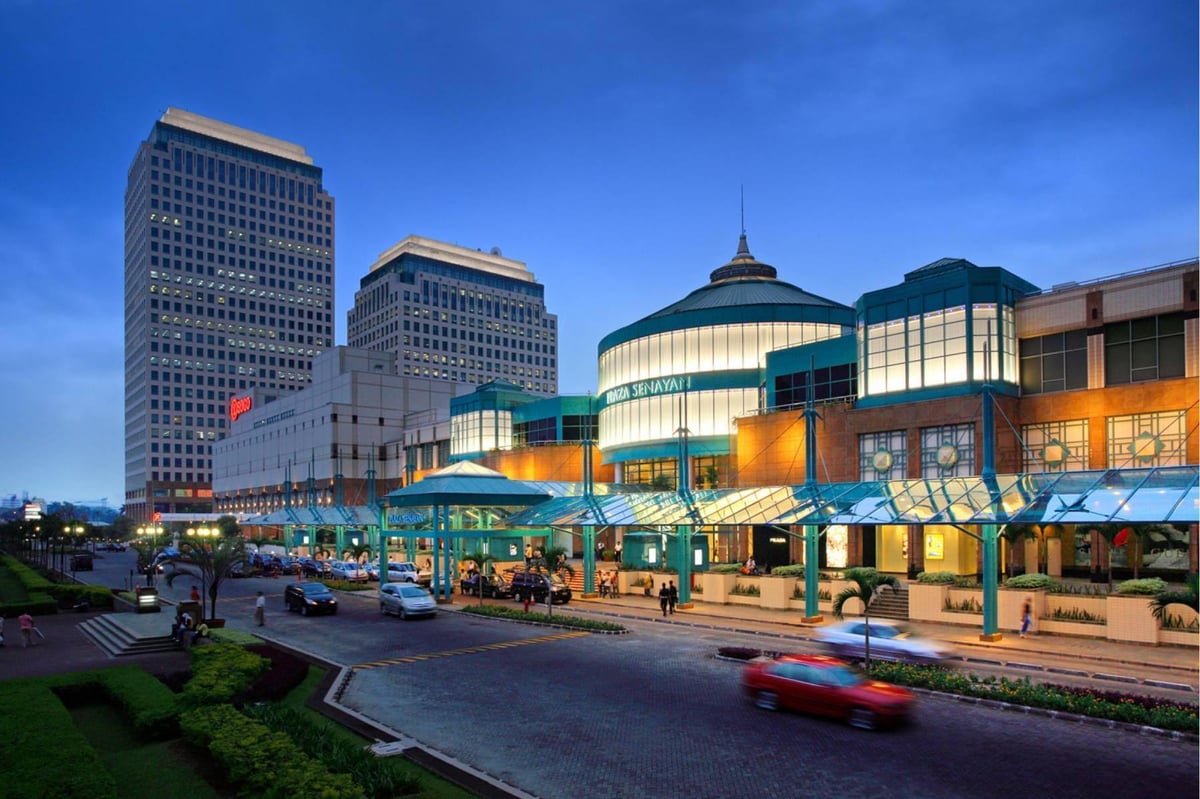
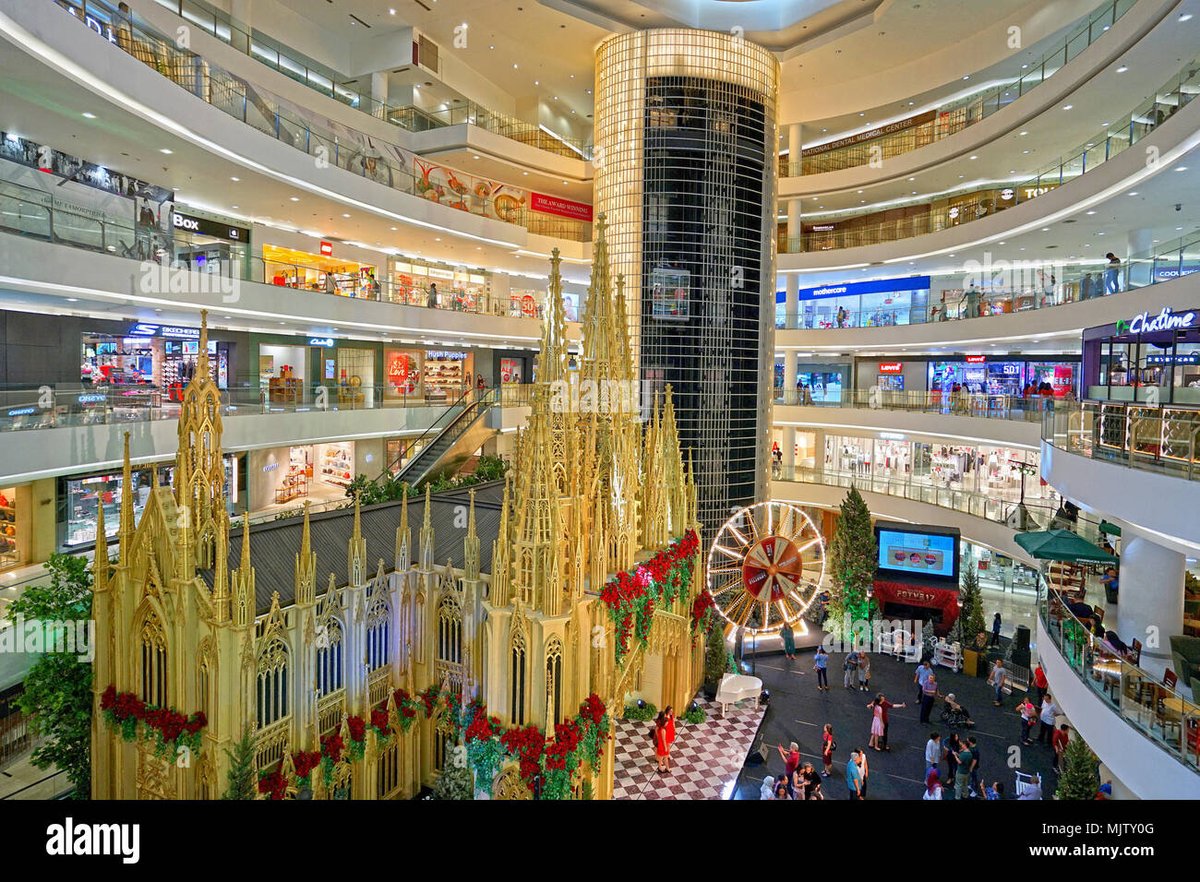
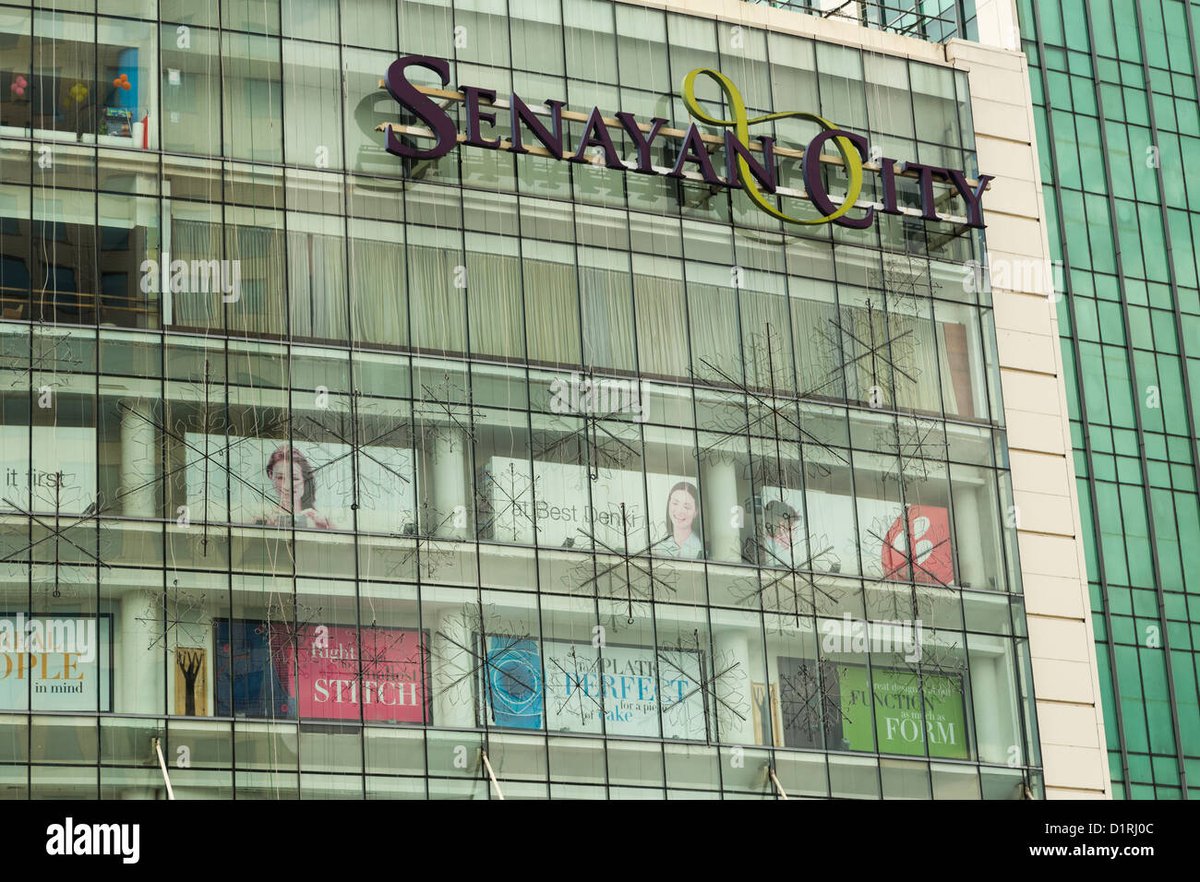
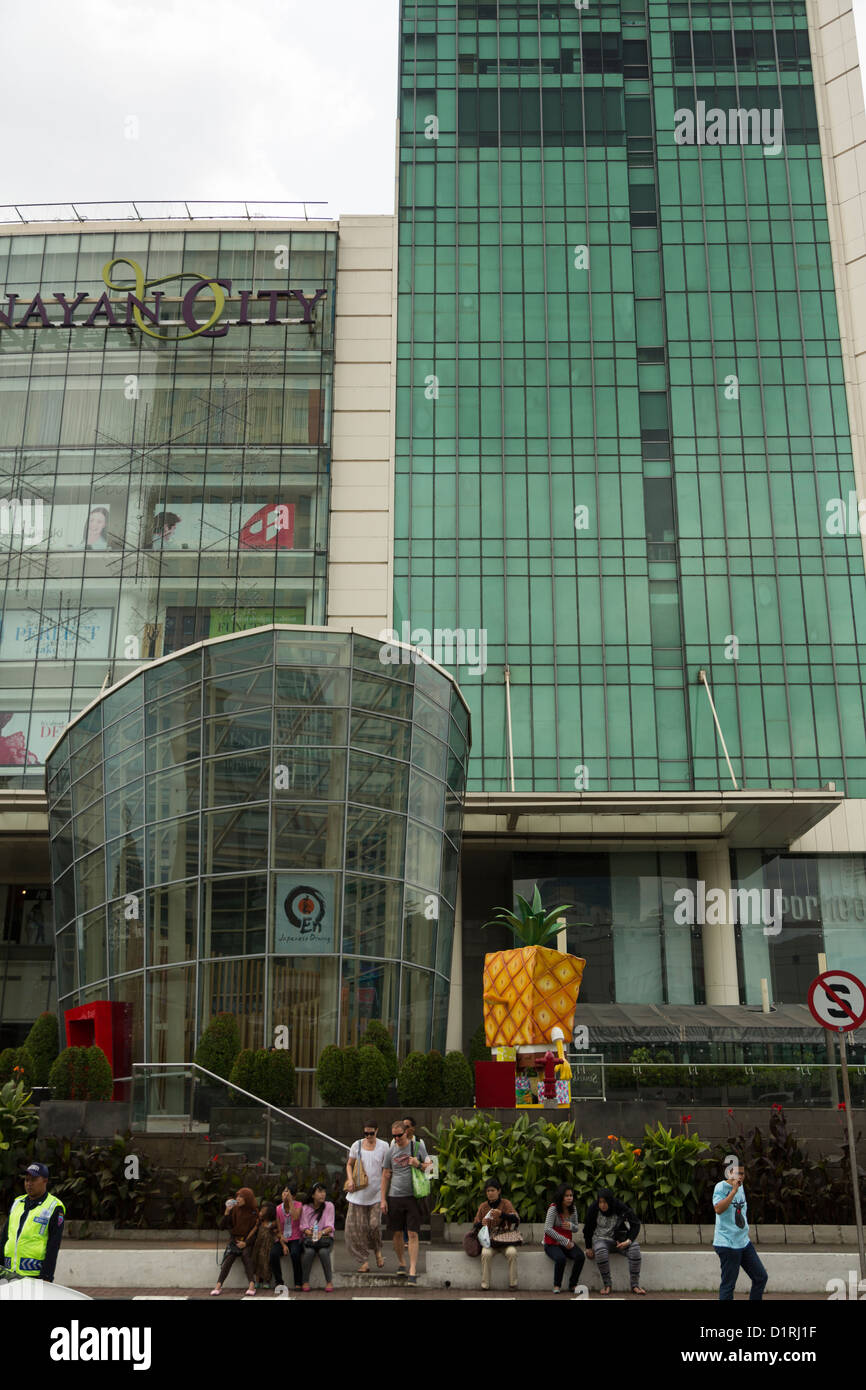
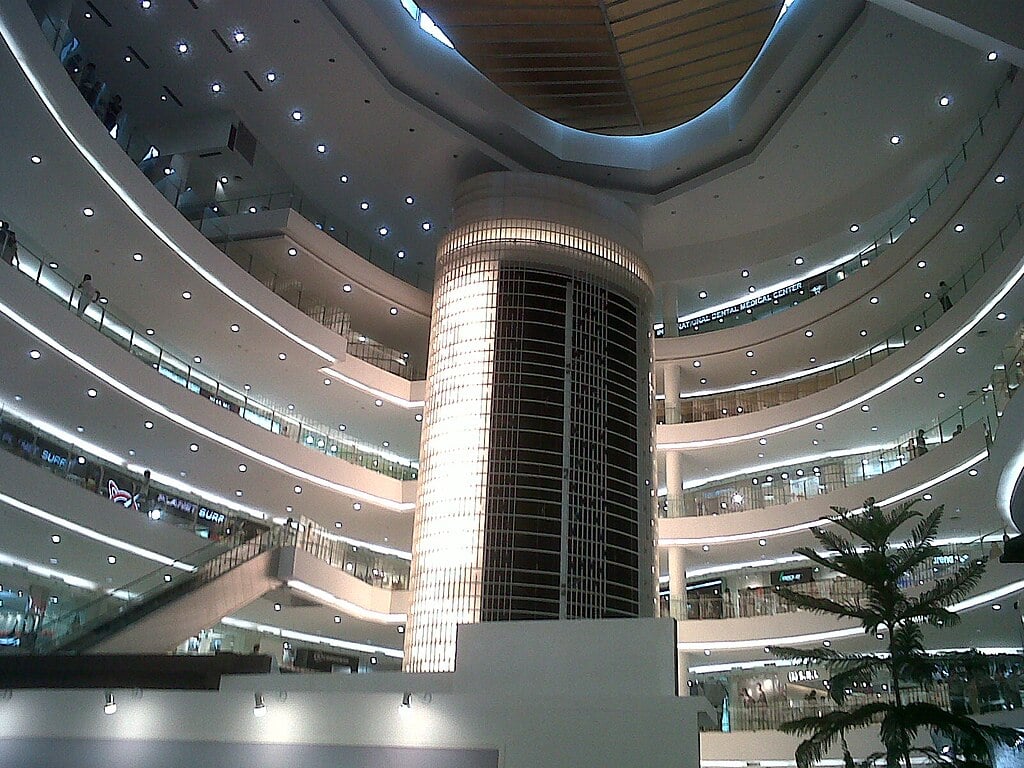
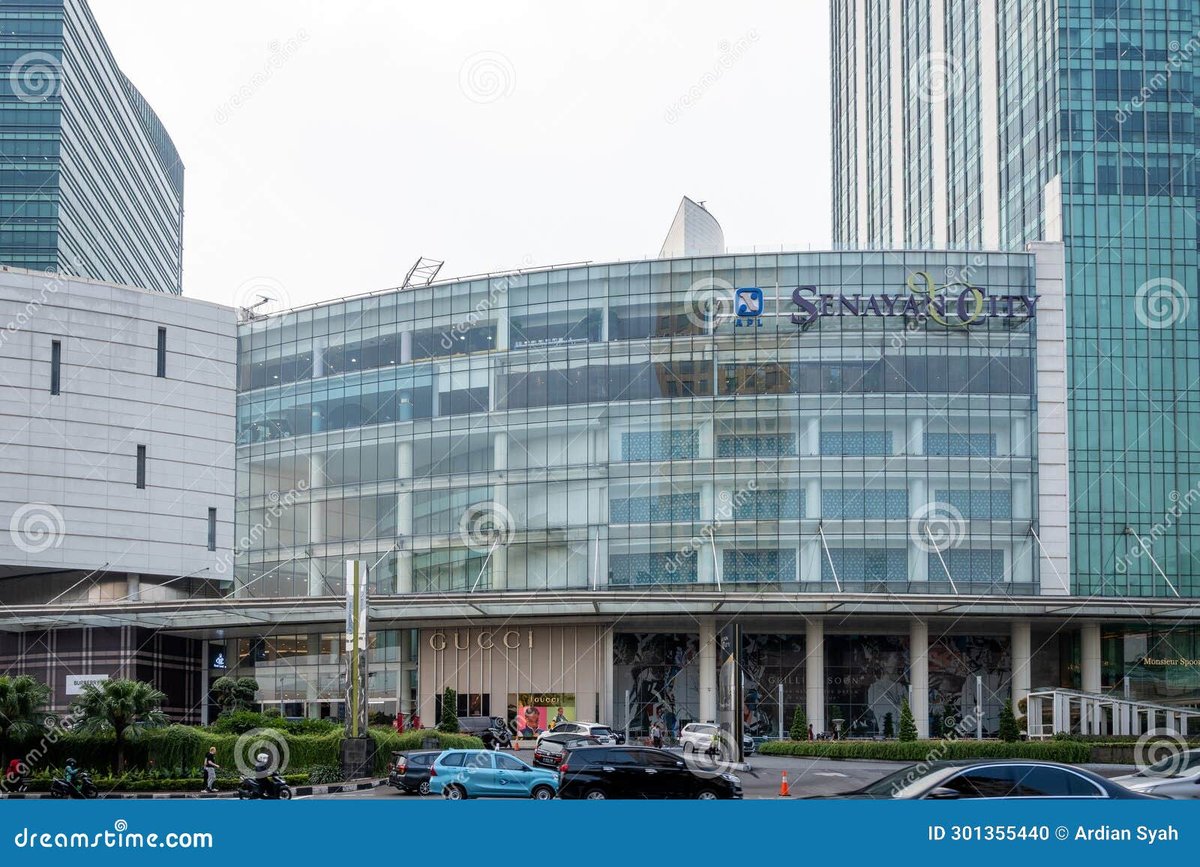
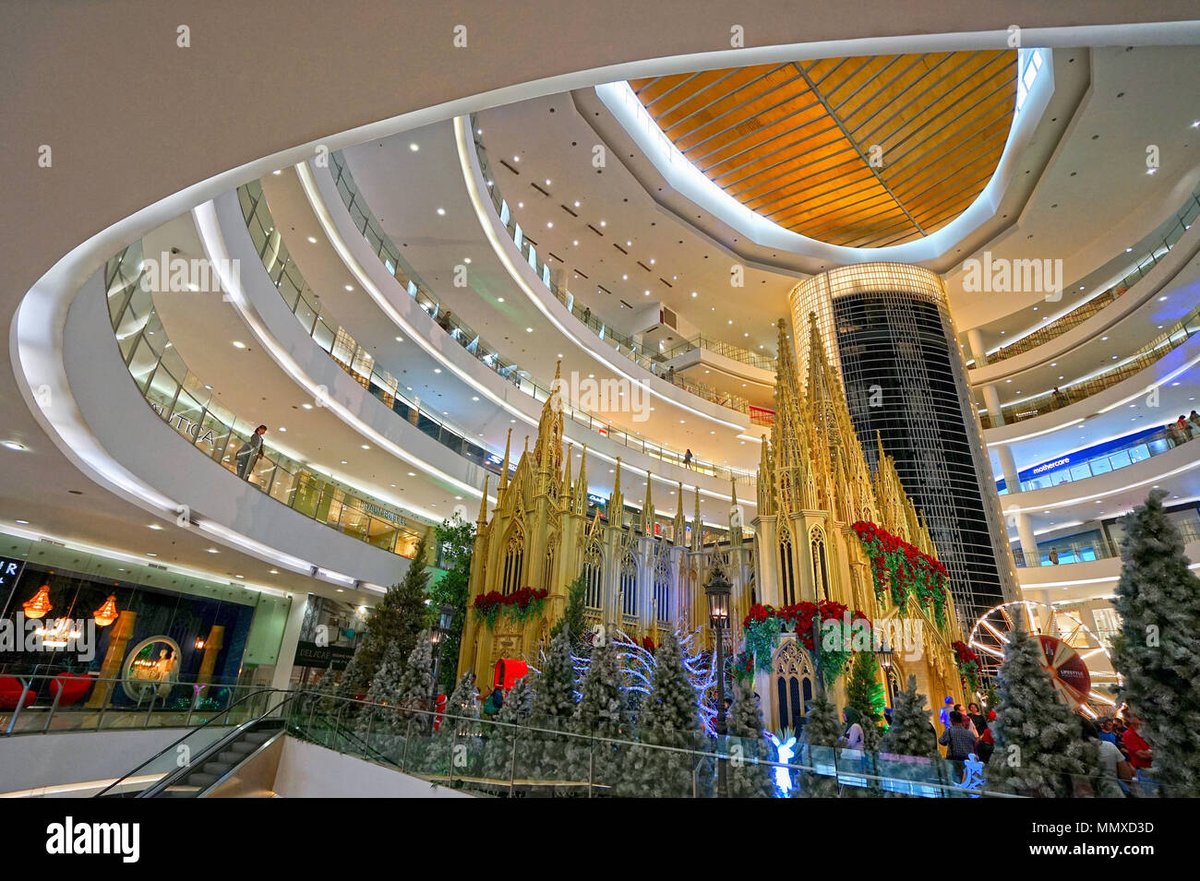
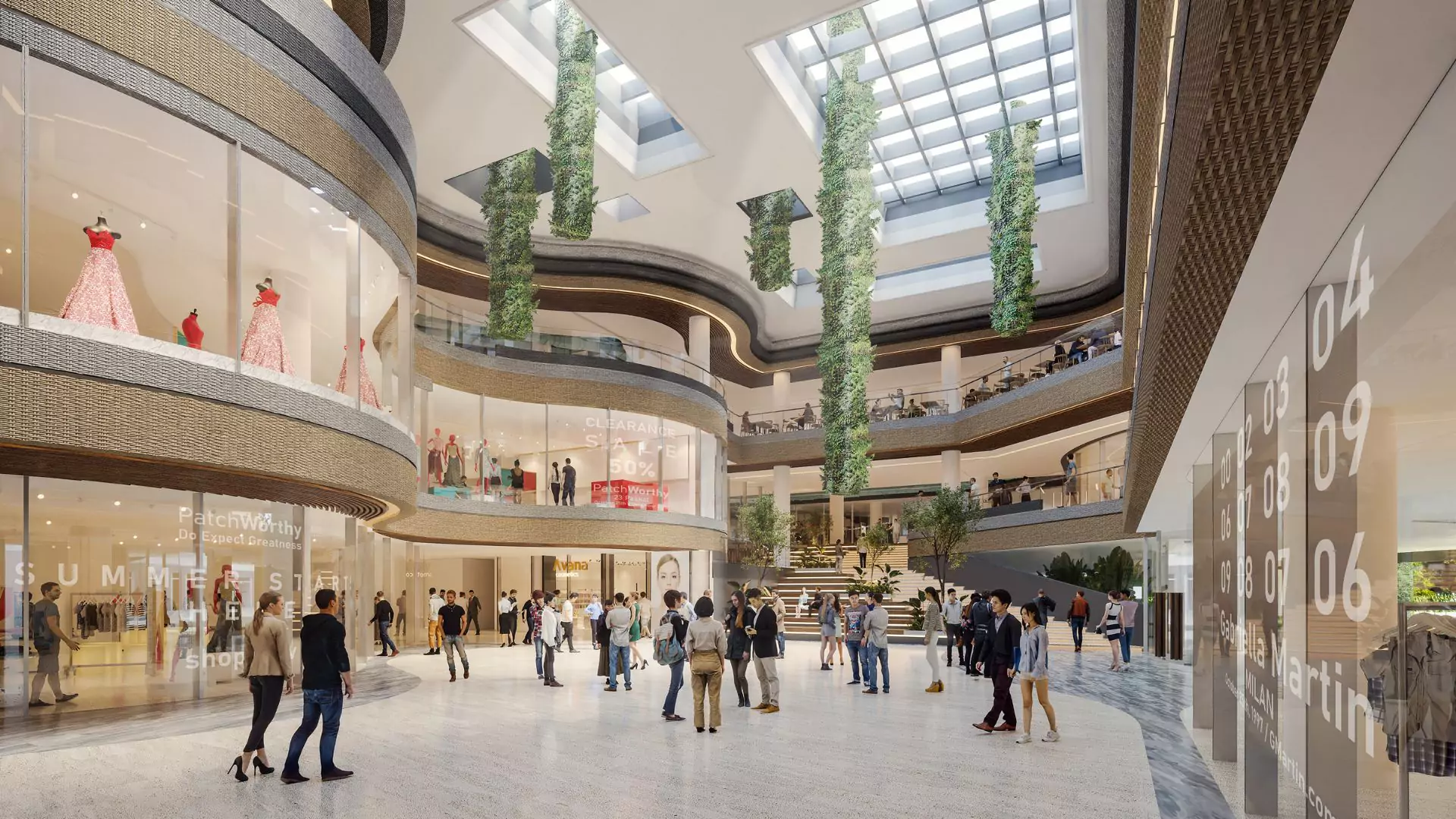
Senayan City is a premium mixed-use development in the prestigious Senayan district of Central Jakarta, Indonesia, featuring a seven-floor shopping mall with approximately 120,000 square meters of gross leasable area. Opened in 2006, it integrates retail, office towers, and residential components, positioning it as a key destination in Jakarta's competitive retail landscape. The tenant mix emphasizes high-end fashion, luxury brands, and lifestyle offerings, with anchors including international department stores like Seibu and a diverse array of over 300 tenants across categories such as apparel (e.g., Zara, H&M, Uniqlo), electronics (e.g., Apple Store), dining (over 100 F&B outlets including upscale restaurants and cafes), and entertainment (cinemas, Lego flagship store - the largest in Southeast Asia).
Market position is strong in the premium segment, benefiting from Jakarta's overall retail occupancy stability at around 74-88% for high-grade malls in 2024-2025, with prime rents averaging IDR 597,000 per square meter per month, up 3.26% year-over-year.
Accessibility is excellent via major roads like Jalan Asia Afrika, proximity to Gelora Bung Karno Stadium, and public transport links including TransJakarta buses, though traffic congestion in Central Jakarta poses challenges.
Demographic profile targets affluent middle-to-upper-class residents and visitors, with high footfall estimated at over 10 million annual visitors driven by events and proximity to business districts.
Leasing advantages include high visibility in a saturated but resilient market, strong operational quality with modern infrastructure, and opportunities for pop-ups in dynamic spaces like The Atrium and The Promenade. However, risks involve intense competition from nearby premium malls like Plaza Senayan and Pacific Place, potential rent escalations due to 2025 VAT increase to 12%, and vulnerability to economic slowdowns affecting discretionary spending in a city with growing e-commerce penetration.
Interested in this property?
Choose how you'd like to proceed
Advertise at this property?
Reach high-intent shoppers across digital screens, atria, and experiential placements.
Hours of Operation
Hours
| Monday | 10:00 AM — 10:00 PM |
| Tuesday | 10:00 AM — 10:00 PM |
| Wednesday | 10:00 AM — 10:00 PM |
| Thursday | 10:00 AM — 10:00 PM |
| Friday | 10:00 AM — 10:00 PM |
| Saturday | 10:00 AM — 10:00 PM |
| Sunday | 10:00 AM — 10:00 PM |
Hours may vary on public holidays. Check with individual stores for specific holiday schedules.
Insights
Demographic Profile and Footfall
Senayan City draws a primary demographic of affluent professionals, expatriates, and upper-middle-class families from Central Jakarta and surrounding areas, with household incomes typically above IDR 20 million monthly. The surrounding Senayan-Kebayoran Baru neighborhood features high residential density and proximity to government offices and embassies, enhancing weekday traffic from office workers. Footfall benefits from weekend surges tied to sports events at nearby Gelora Bung Karno Stadium, averaging 25,000-30,000 daily visitors based on industry estimates for similar premium malls. This supports robust sales potential, though seasonal dips occur during rainy seasons or holidays when travel increases. Overall, the profile aligns with premium retail needs but requires adaptive marketing to maintain engagement amid shifting consumer preferences toward experiential shopping.
Competition and Market Saturation
Senayan City operates in a highly competitive Central Jakarta retail corridor, facing direct rivalry from established premium venues like Plaza Senayan (adjacent, similar tenant mix), Pacific Place (luxury-focused), and Grand Indonesia (larger scale). Market saturation in the premium segment is evident, with over 20 major malls within a 5-km radius, contributing to cautious tenant expansion as retailers optimize existing footprints rather than aggressive growth. Occupancy remains solid at 85-90% for premium grades per Colliers Q3 2025 data, but weaker categories like general merchandise show slower recovery post-pandemic. Challenges include e-commerce competition eroding physical sales by 15-20% annually and potential oversupply from upcoming Debotabek developments, necessitating strong differentiation through events and unique tenants to sustain performance.
Accessibility and Operational Quality
Excellent accessibility via Jalan Gatot Subroto and integration with MRT Phase 1 stations (planned expansions) supports strong connectivity, though peak-hour traffic and limited parking (around 2,500 spaces) can deter visitors, with spillover to ride-hailing services. Operational quality is high, featuring modern HVAC systems, energy-efficient designs, and regular maintenance, but aging elements from 2006 opening may require capex for upgrades amid rising service charges projected at 5-7% increase in 2025 due to wage hikes. Lease terms typically involve 3-5 year commitments with turnover rents at 8-12% of sales, base rents IDR 500,000-700,000 psm/month for prime locations, and incentives like rent-free periods for anchor tenants. Risks include access disruptions from urban infrastructure projects and higher operational costs impacting net profitability for smaller retailers.
Building Details
Detailed Market Analytics
City Snapshot
Jakarta
Comprehensive market intelligence for retail expansion in this city

Other Retail Destinations in Jakarta
Discover more shopping centers in Jakarta.


Popular in Indonesia
Top retail destinations across Indonesia.



Interested in this property?
Choose how you'd like to proceed
Advertise at this property?
Reach high-intent shoppers across digital screens, atria, and experiential placements.
City Snapshot
Jakarta
Comprehensive market intelligence for retail expansion in this city