
Brand Fit Snapshot
Best for:
Not ideal if:
Similar properties you might like:
Quick assessment - takes 30 seconds
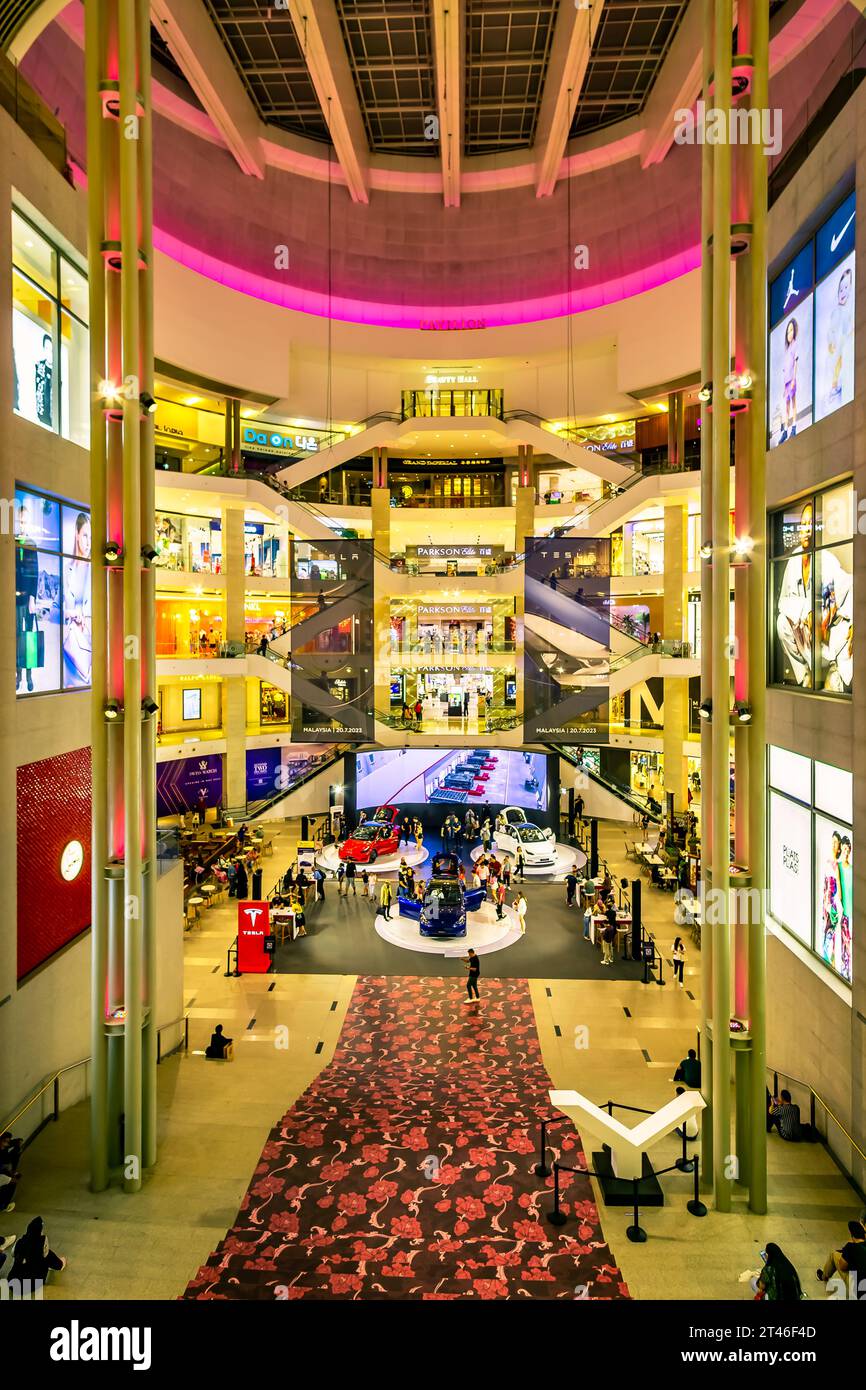
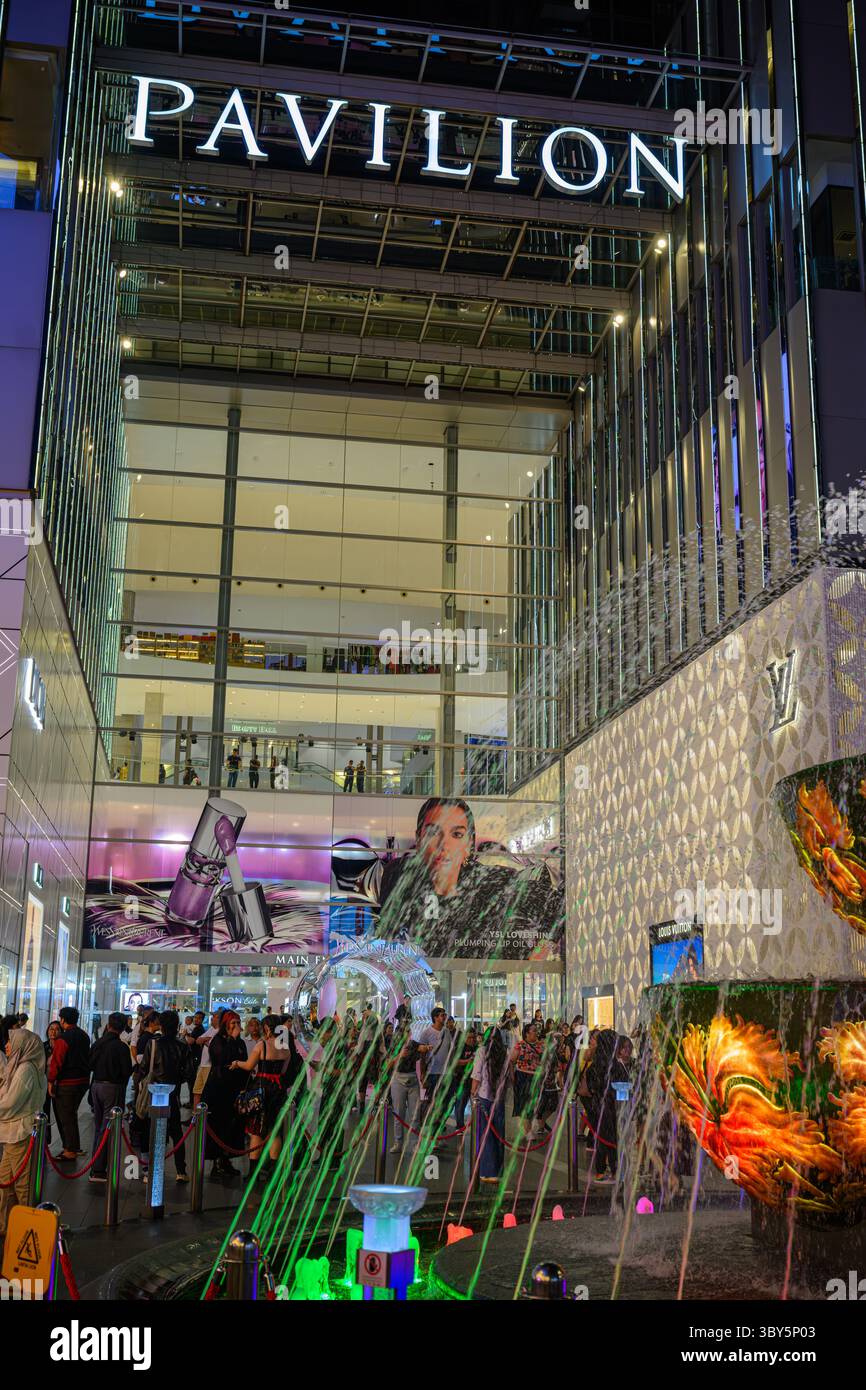
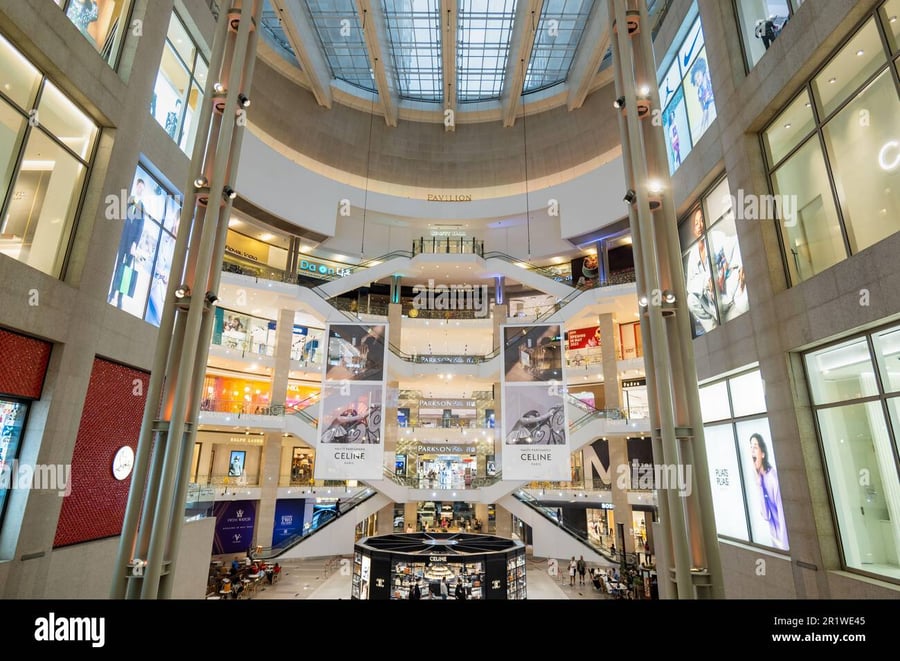
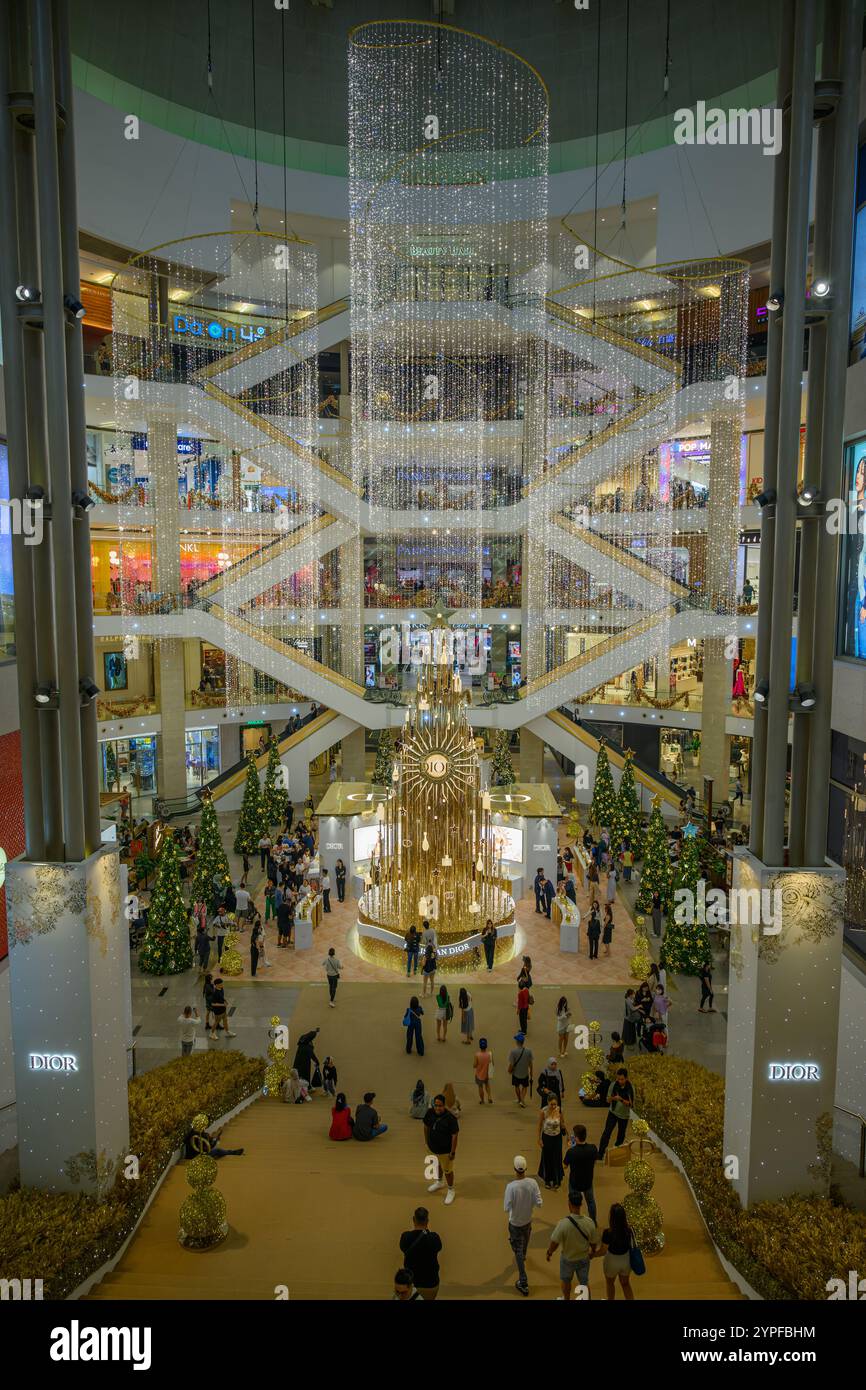
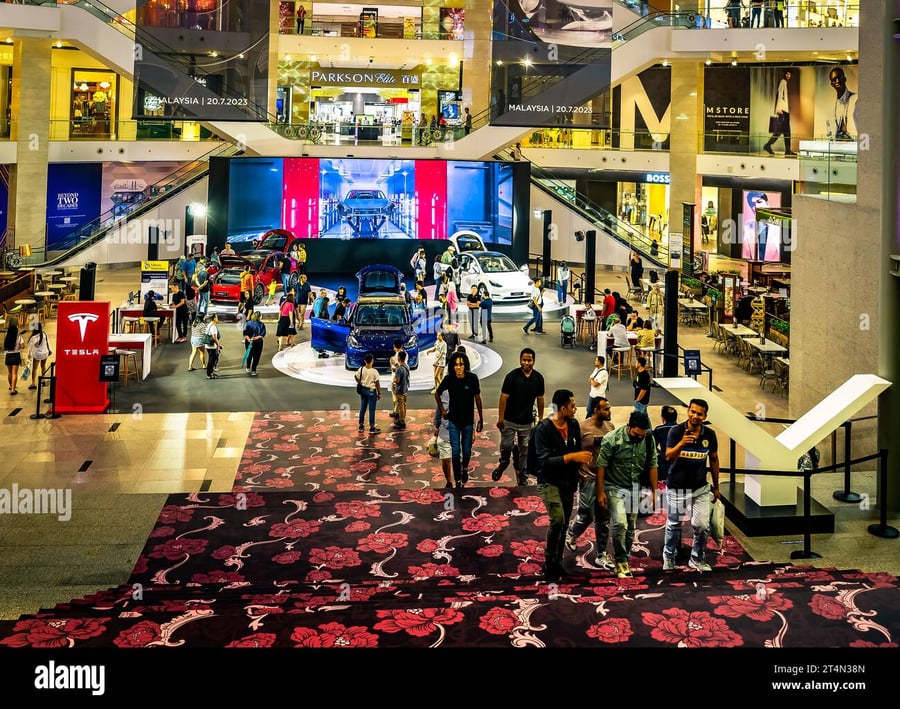
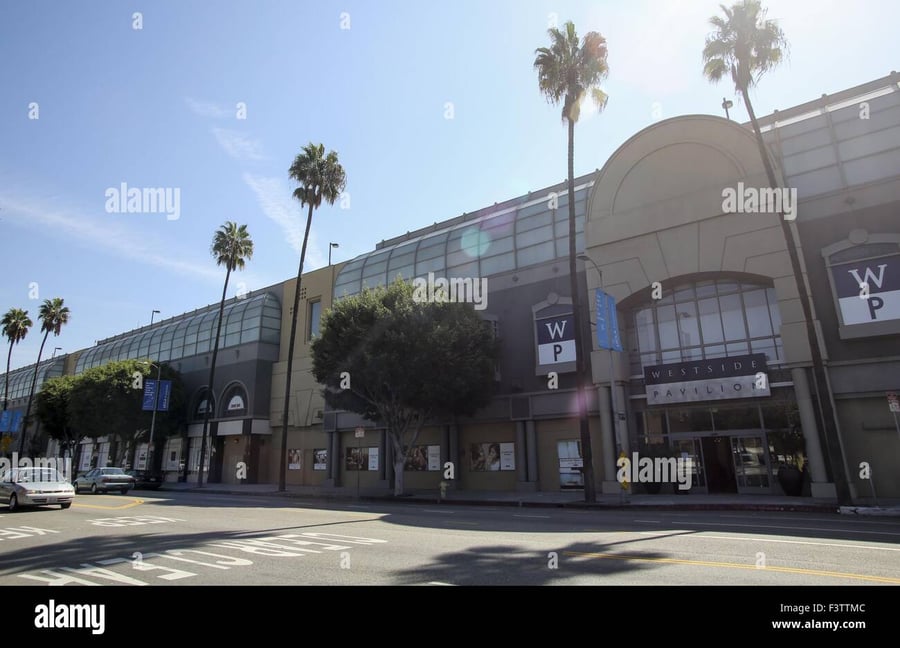
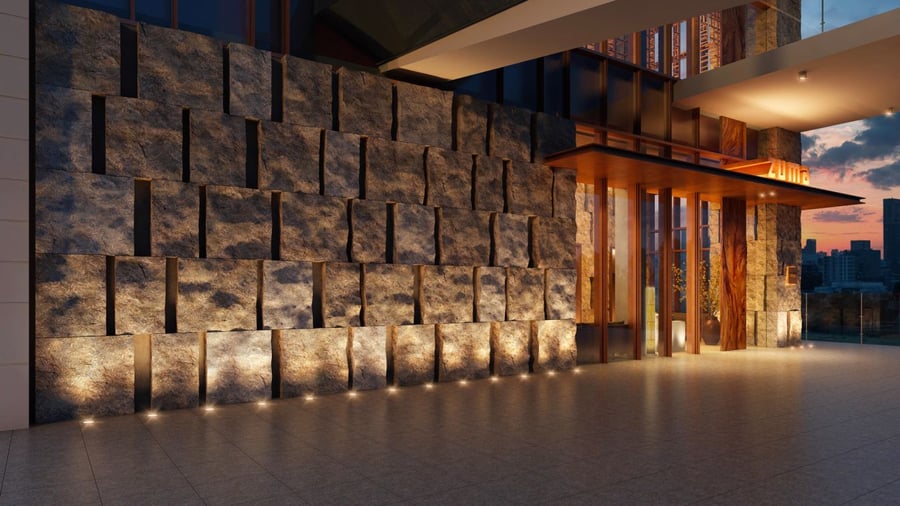
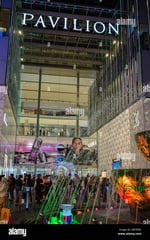
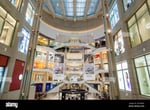
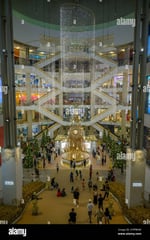
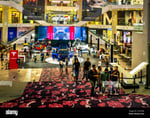
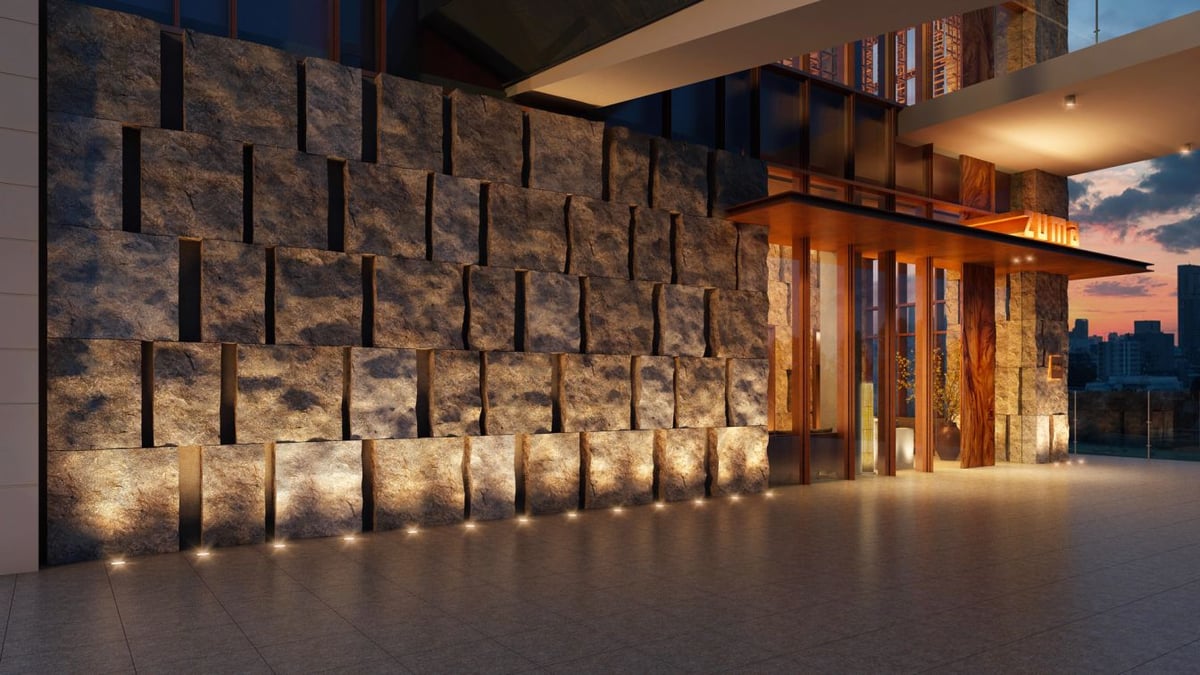
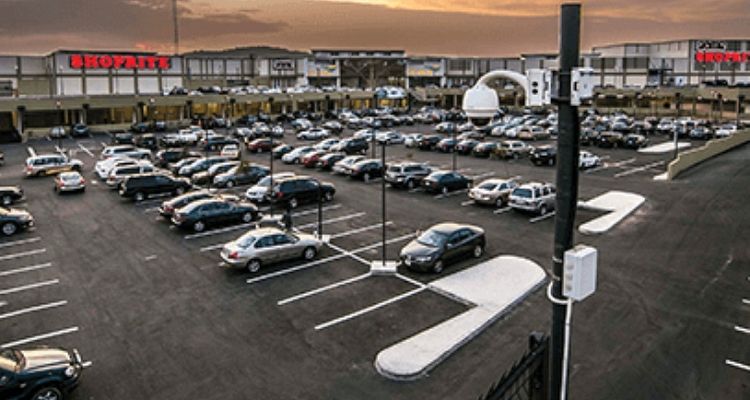
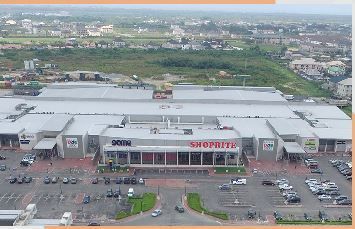
Zuma Pavilion Mall is located in the Jabi district of Abuja, Nigeria, a rapidly developing area within the Federal Capital Territory. Opened in 2011, the mall spans approximately 25,000 square meters of gross leasable area, featuring a two-level design with ample parking for over 500 vehicles. It serves as a key retail destination for the surrounding middle to upper-income neighborhoods, including Jabi, Utako, and Garki, drawing from Abujas growing population of about 3.5 million residents, including government workers, expatriates, and professionals.
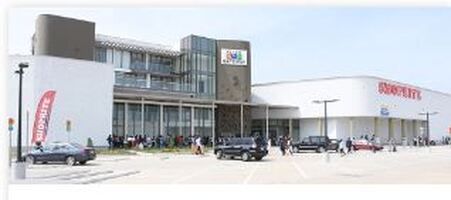
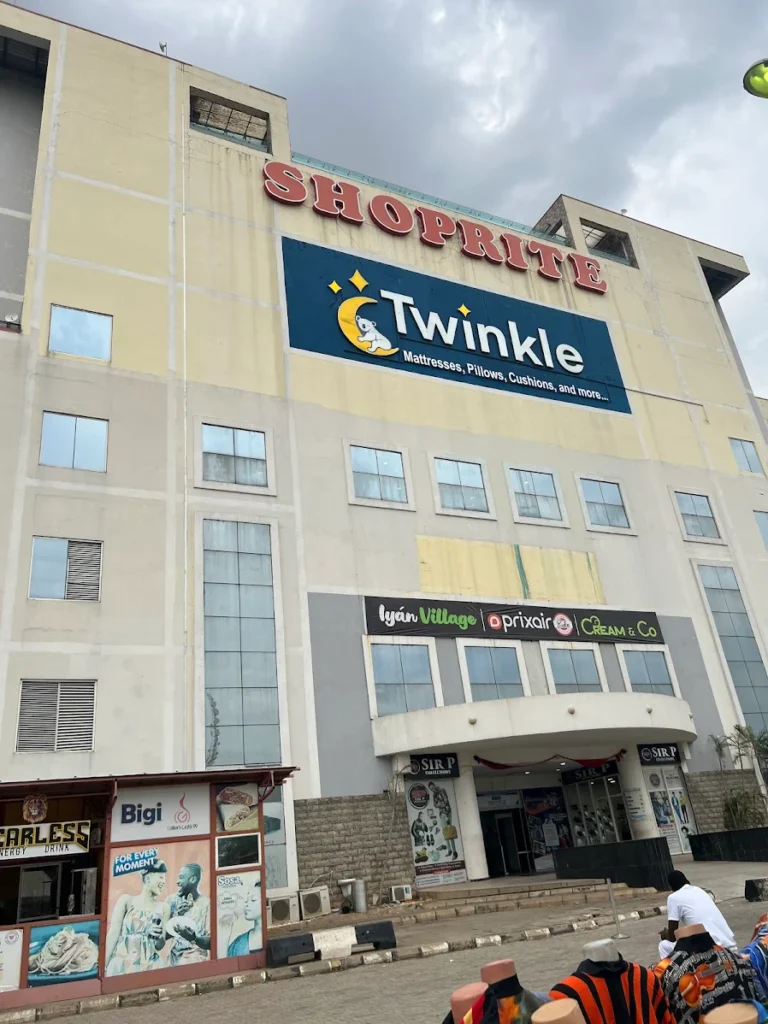
The tenant mix includes anchor stores such as a major supermarket (formerly Shoprite, now operated by local chains post-2021 exit), fashion retailers like Zara and local boutiques, electronics outlets, and a variety of food and beverage options ranging from fast-casual dining to sit-down restaurants. Entertainment facilities comprise a cinema complex and kids play areas, contributing to family-oriented traffic.
Market position: Positioned as a community-focused mall amid Abujas competitive retail landscape, it benefits from the citys economic hub status but faces pressures from economic volatility and naira depreciation affecting consumer spending.
Occupancy rates hover around 85-90% as per recent commercial real estate reports, with average rents at NGN 50,000-80,000 per square meter annually, reflecting moderate escalation clauses tied to inflation. Footfall averages 10,000-15,000 visitors weekly, boosted by proximity to major roads and the Nnamdi Azikiwe International Airport (15-20 minutes drive).
Leasing advantages include flexible space configurations from 50 to 1,000 sqm, turnkey fit-outs for select units, and marketing support through mall events; however, drawbacks involve seasonal dips in traffic during rainy seasons and competition from larger malls like Jabi Lake Mall.
Overall, it offers stable performance for lifestyle and essential retail categories, with risks from broader market saturation in Abujas Phase 1 areas.
Interested in this property?
Choose how you'd like to proceed
Advertise at this property?
Reach high-intent shoppers across digital screens, atria, and experiential placements.
Hours of Operation
Hours
| Monday | 10:00 AM — 09:00 PM |
| Tuesday | 10:00 AM — 09:00 PM |
| Wednesday | 10:00 AM — 09:00 PM |
| Thursday | 10:00 AM — 09:00 PM |
| Friday | 10:00 AM — 10:00 PM |
| Saturday | 10:00 AM — 10:00 PM |
| Sunday | 11:00 AM — 06:00 PM |
Hours may vary on public holidays. Check with individual stores for specific holiday schedules.
Insights
Demographics and Footfall
Zuma Pavilion Mall primarily attracts a demographic of middle to upper-middle class residents aged 25-50, including civil servants, diplomats, and young professionals, with household incomes averaging NGN 500,000-2,000,000 monthly. The surrounding Jabi area has a population density of over 5,000 per sq km, supported by nearby residential estates and offices. Footfall metrics indicate 12,000 average weekly visitors, peaking at 20,000 on weekends, driven by family shopping and dining. Strengths include high repeat visitation from local communities; weaknesses involve limited appeal to low-income segments due to premium pricing, and potential reductions in traffic from economic slowdowns impacting disposable income. Accessibility via well-maintained roads like the Airport Road enhances draw, but traffic congestion during peak hours can deter some shoppers. Data from Abuja retail reports highlight steady growth in family-oriented visits post-COVID recovery.
Competition and Market Factors
The mall operates in Abujas saturated retail market, competing with nearby venues like Jabi Lake Mall (larger at 30,000 sqm with more anchors) and Silverbird Galleria, which offer similar tenant mixes but higher footfall of 20,000+ weekly. Zuma Pavilions niche as a neighborhood center provides advantages in convenience for Jabi locals, reducing leakage to central malls; however, risks include tenant churn in fashion categories due to e-commerce rise and Shoprite exit, leading to temporary vacancies. Market reports note Abujas retail vacancy at 10-15% citywide, with Zuma maintaining 88% occupancy through proactive leasing. Broader factors like inflation (over 20% in 2023) and security concerns in the FCT influence performance, potentially capping sales growth at 5-7% annually. Strengths lie in diverse F&B offerings mitigating weak apparel sales; challenges from informal markets nearby siphoning budget shoppers.
Lease Terms and Operational Quality
Leasing at Zuma Pavilion features base rents of NGN 60,000 per sqm/year for prime ground-floor spaces, with service charges at 10-15% covering security, maintenance, and utilities; escalation is 10% biennially or inflation-linked. Terms include 3-5 year minimums for anchors, with incentives like 3 months rent-free for fit-outs over NGN 10 million. Operational quality is solid, with 24/7 security, backup generators ensuring 99% uptime, and modern HVAC systems; however, aging infrastructure since 2011 shows minor maintenance issues like occasional leaks during rains. Advantages for tenants: Strong co-tenancy clauses protecting against key vacancies, and digital marketing integration boosting visibility. Drawbacks include higher turnover costs in saturated categories and regulatory hurdles for imports affecting stock. Commercial reports indicate ROI potential of 15-20% for food retail, but caution on currency fluctuations eroding margins for international brands.
Building Details
Detailed Market Analytics
City Snapshot
Abuja
Comprehensive market intelligence for retail expansion in this city

Other Retail Destinations in Abuja
Discover more shopping centers in Abuja.
Popular in Nigeria
Top retail destinations across Nigeria.

Interested in this property?
Choose how you'd like to proceed
Advertise at this property?
Reach high-intent shoppers across digital screens, atria, and experiential placements.
City Snapshot
Abuja
Comprehensive market intelligence for retail expansion in this city