






Brand Fit Snapshot
Best for:
Not ideal if:
Similar properties you might like:
Quick assessment - takes 30 seconds
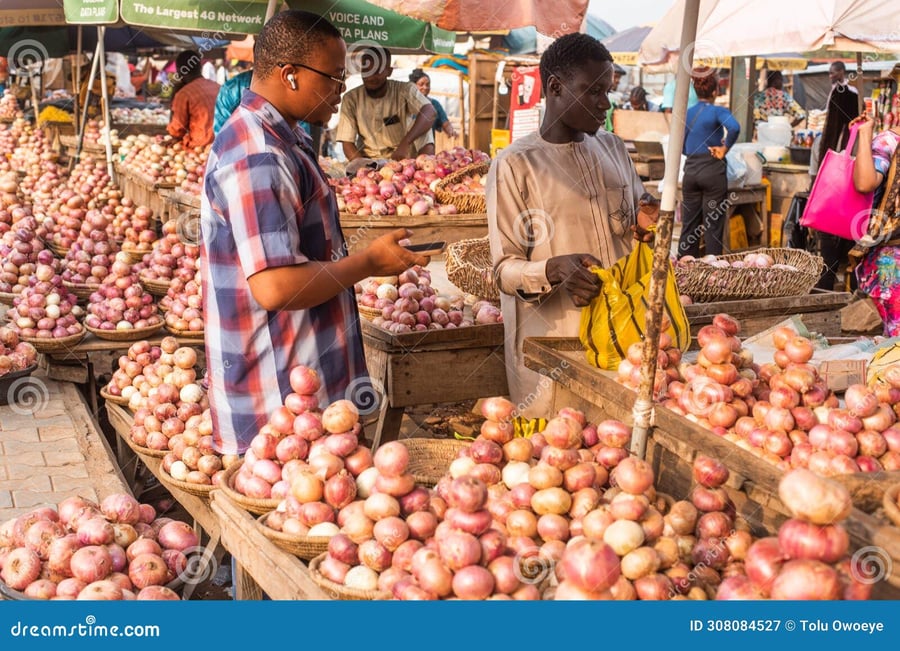
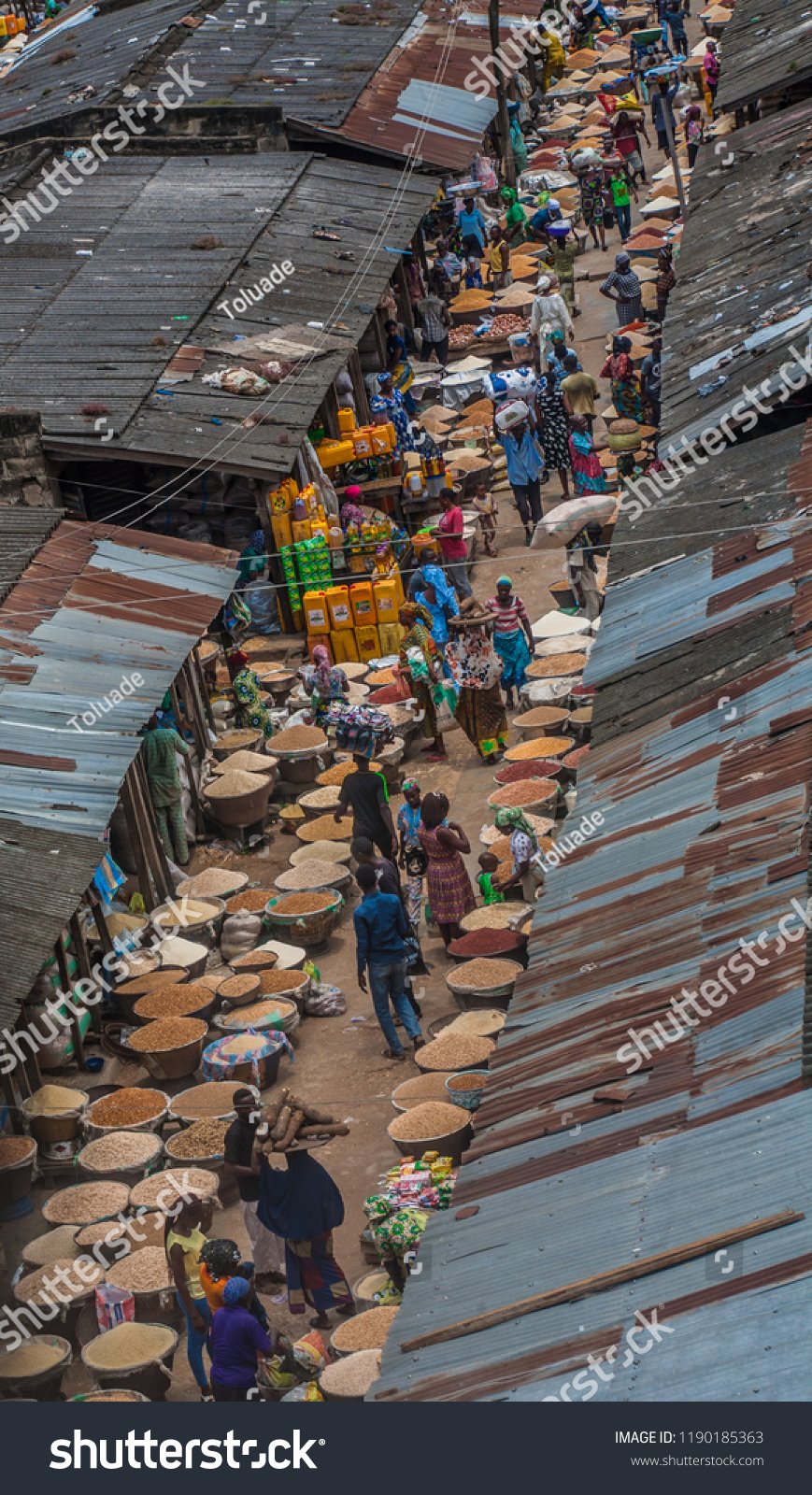
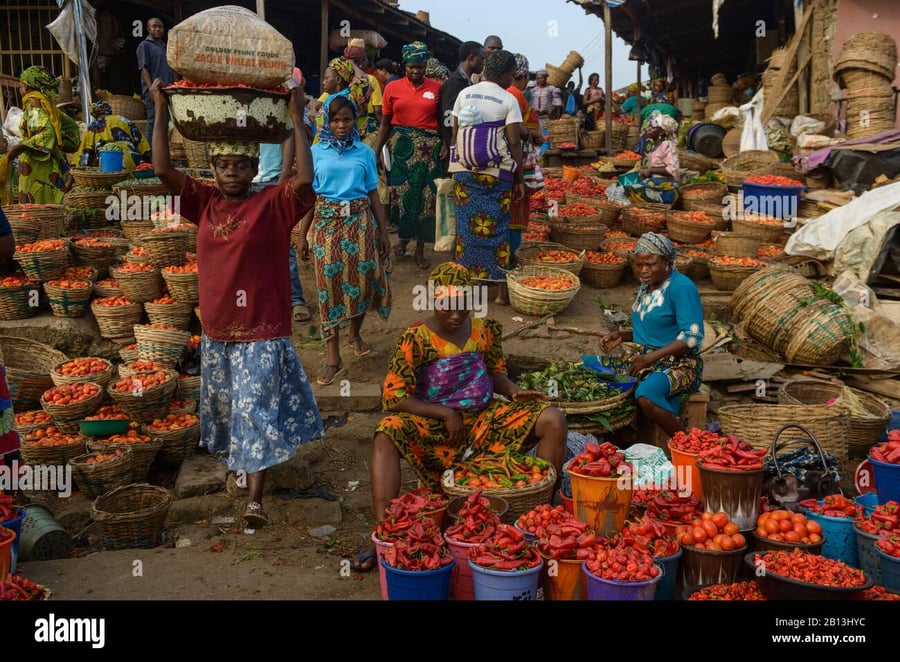
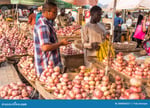
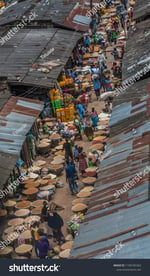
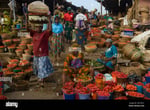
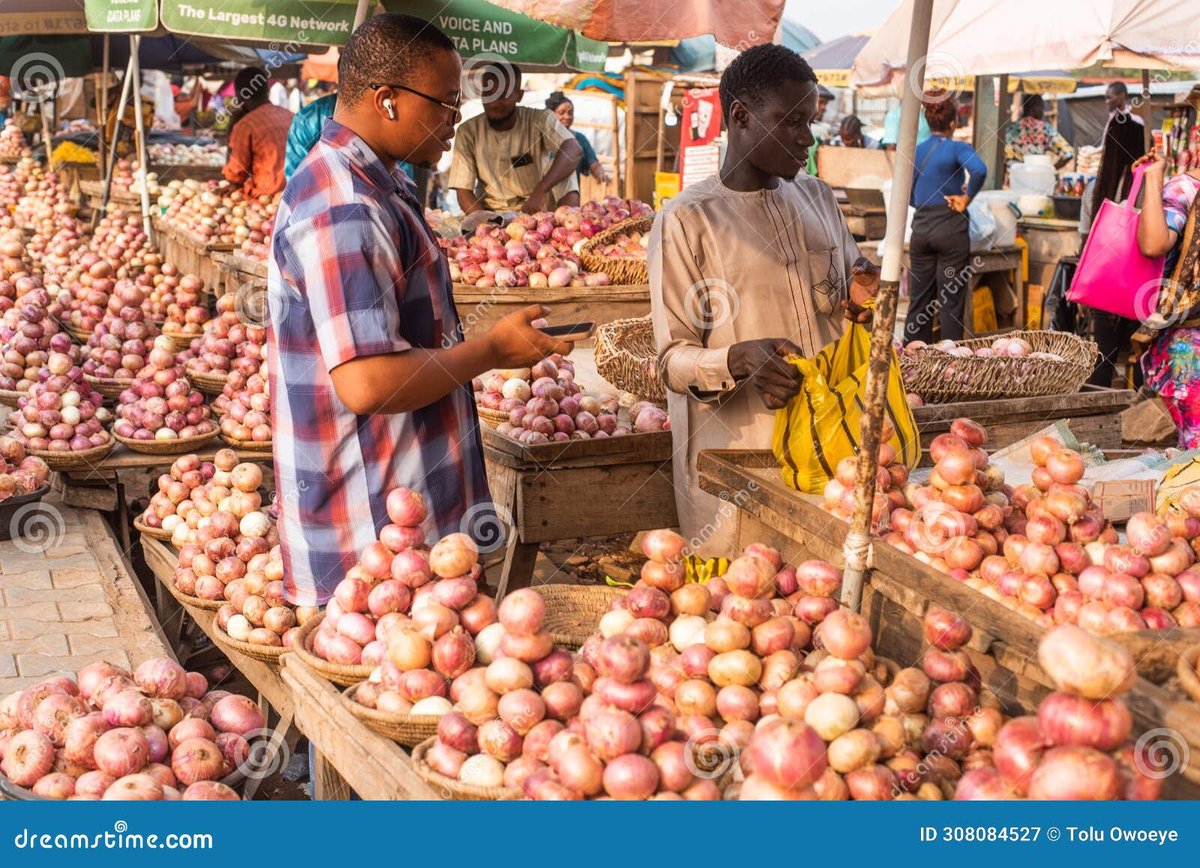
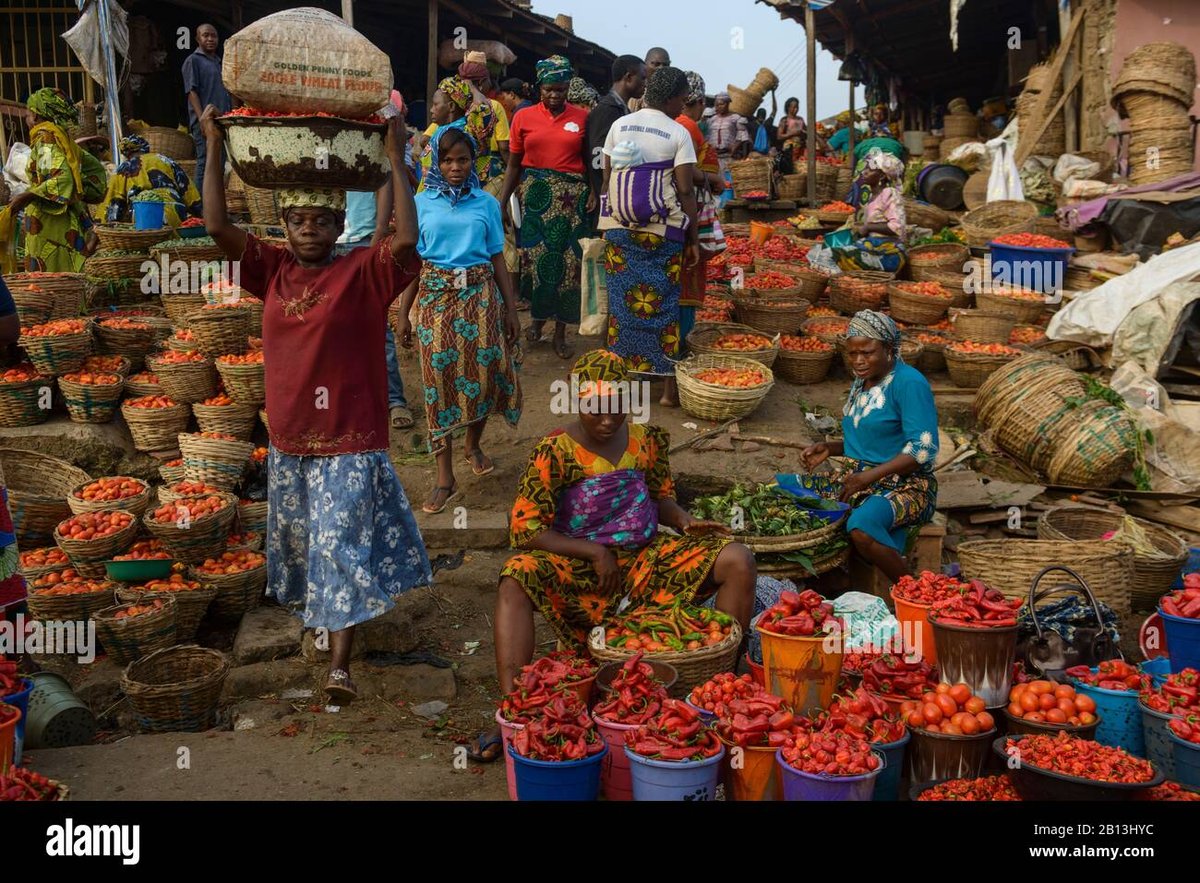
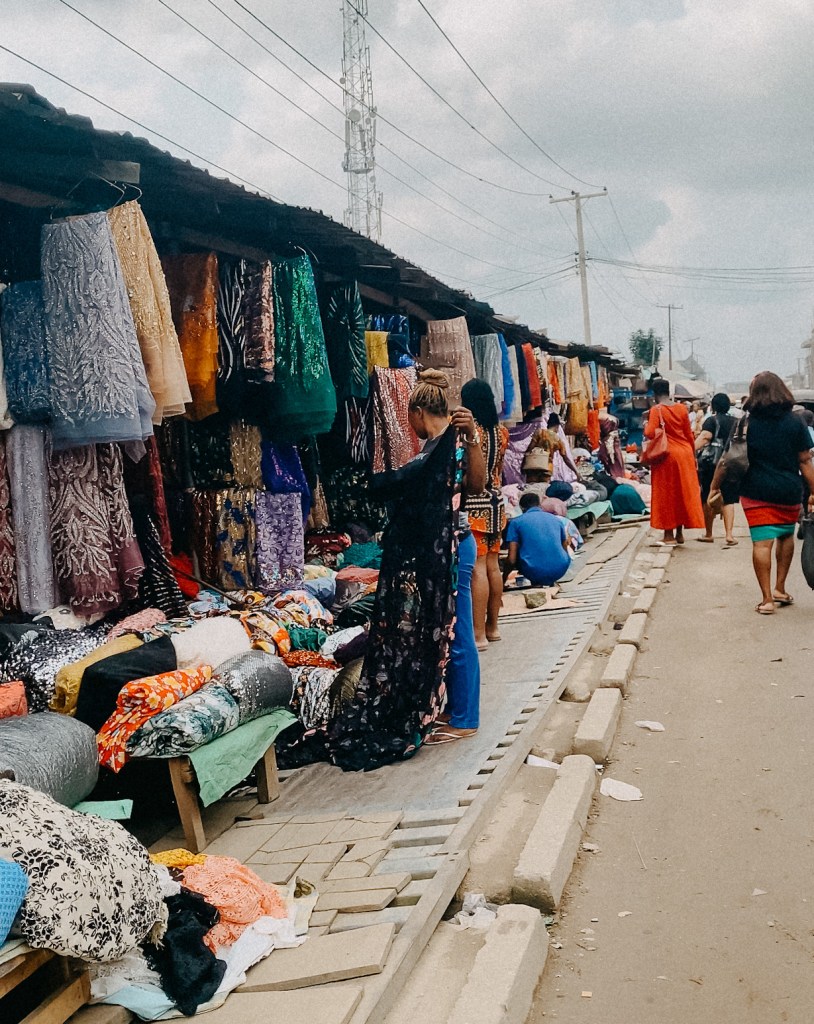
Bodija Market, situated in Bodija, Ibadan North, Oyo State, Nigeria, functions as a prominent open-air retail venue established in October 1987 by the Oyo State government to relieve overcrowding at the Orita Merin foodstuff market and relocate cattle sellers from Sango. Specializing in foodstuffs including pepper, beans, potatoes, rice, yam, vegetables, and fruits, it organizes stalls by produce type, with wholesalers occupying concrete structures and retailers using open-space kiosks.
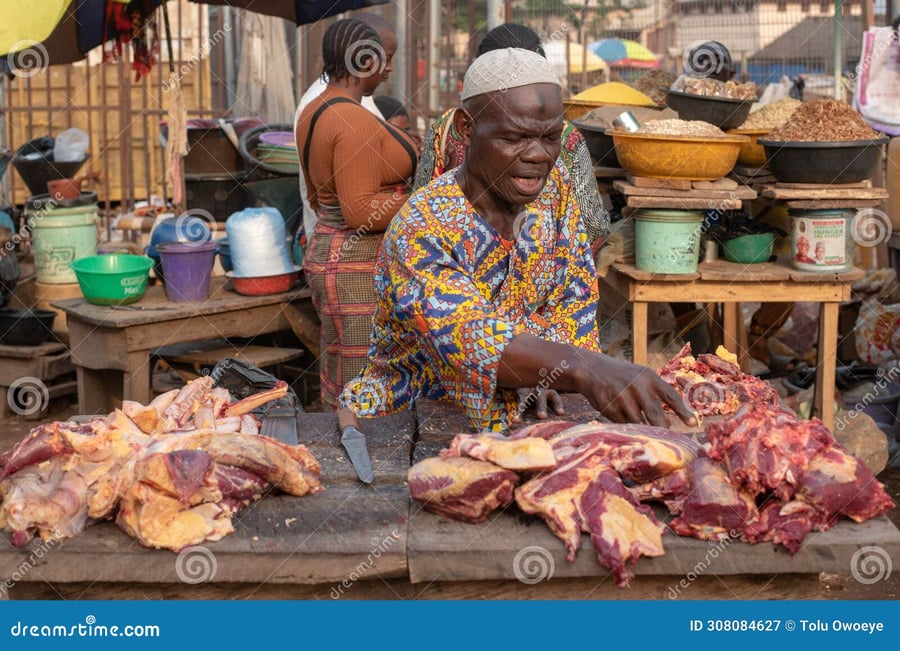
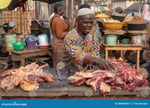
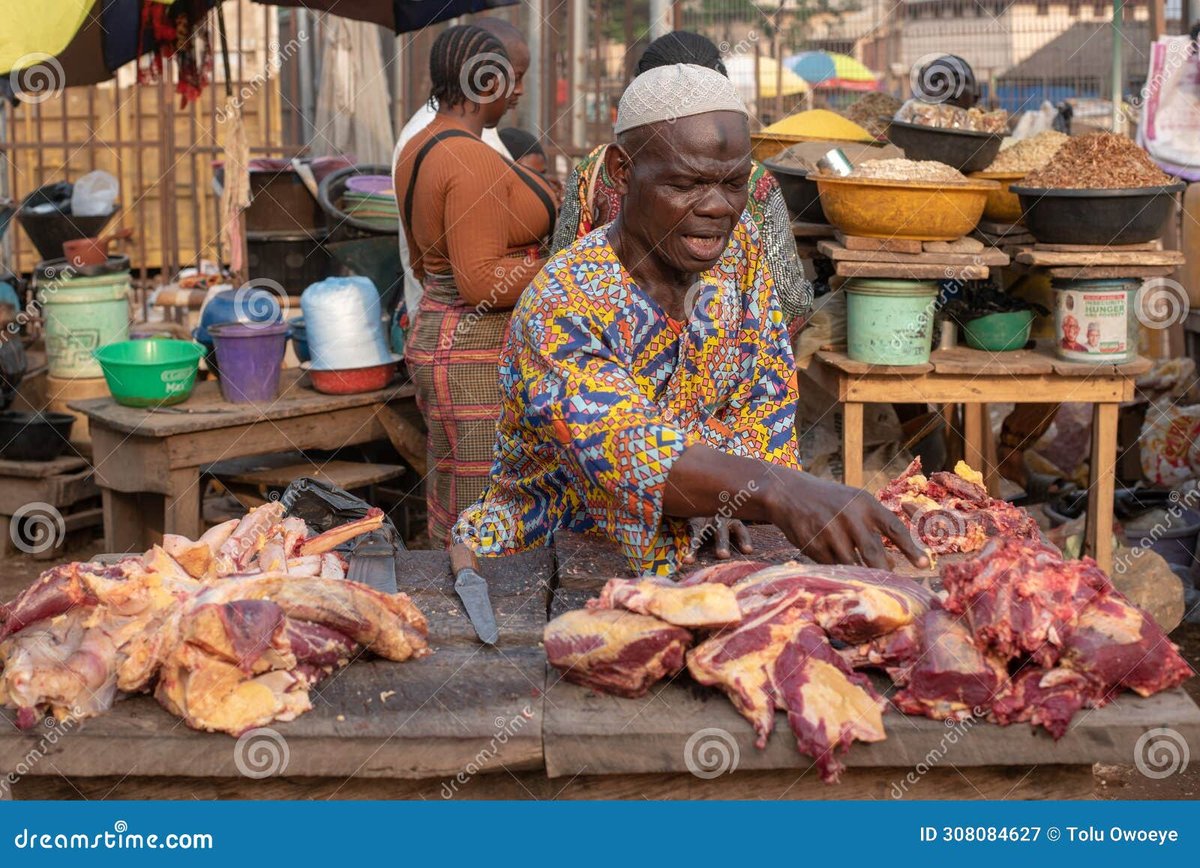
The tenant mix comprises Hausa and Yoruba traders, focusing on wholesale and retail of fresh goods, though meat handling shifted to the Ibadan Central Abattoir in 2014 due to hygiene issues. Positioned adjacent to the Oyo-Ogbomoso-Ilorin interstate road network, it offers strong accessibility for suppliers from Northern Nigeria and Northern Oyo State, supporting high daily footfall as one of Ibadans busiest markets.
While exact occupancy and rent metrics are informal and undocumented, the market maintains near-full utilization with low-cost stall rentals appealing to small-scale food retailers. Its market position as a vital supply chain node provides leasing advantages in essential categories amid Ibadans urban population of over 3 million. However, operational challenges persist, including sanitation declines noted in post-2009 food safety assessments, inter-ethnic clashes in 2012 and 2013, violent relocation enforcement in 2018 resulting in fatalities, and infrastructure wear from open-air exposure.
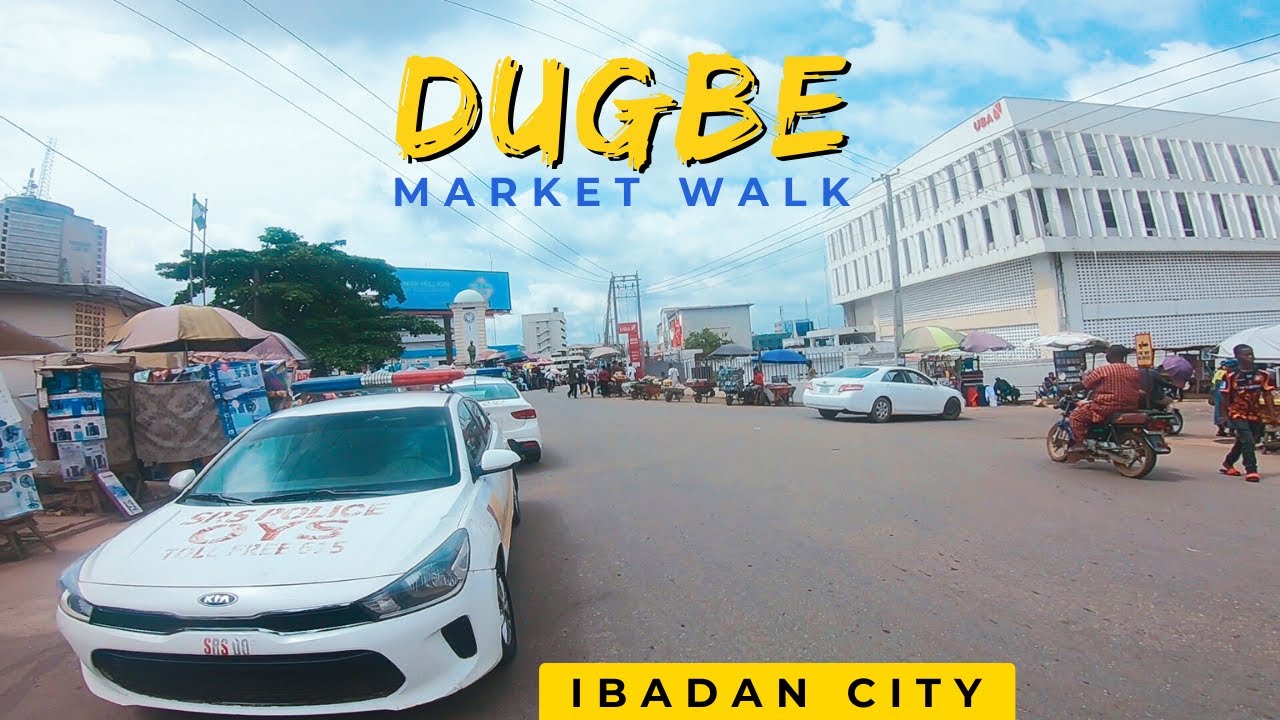
Competition from established markets like Dugbe and modern retail formats adds pressure, alongside economic factors like inflation impacting consumer spending.
Overall, it suits budget-conscious lessees in produce sectors but requires caution regarding regulatory and social risks.
Interested in this property?
Choose how you'd like to proceed
Advertise at this property?
Reach high-intent shoppers across digital screens, atria, and experiential placements.
Hours of Operation
Hours
| Monday | 10:00 AM — 09:00 PM |
| Tuesday | 10:00 AM — 09:00 PM |
| Wednesday | 10:00 AM — 09:00 PM |
| Thursday | 10:00 AM — 09:00 PM |
| Friday | 10:00 AM — 10:00 PM |
| Saturday | 10:00 AM — 10:00 PM |
| Sunday | 11:00 AM — 06:00 PM |
Hours may vary on public holidays. Check with individual stores for specific holiday schedules.
Insights
Demographic Profile
Bodija Market primarily serves low- to middle-income urban residents in Ibadan, a city with a population exceeding 3 million, who seek affordable daily essentials like fresh produce and grains. The trader demographic includes Hausa suppliers from Northern Nigeria handling wholesale imports and Yoruba locals focused on retail sales, creating a culturally diverse environment that supports consistent demand for grocery items. This profile aligns with Ibadans working-class neighborhoods, where economic constraints favor value-driven shopping, though broader Nigerian inflation may limit discretionary spending and affect retail viability for non-essential categories.
Accessibility and Footfall
Located near the Oyo-Ogbomoso-Ilorin interstate roads, Bodija Market benefits from robust transport links that facilitate produce inflow from northern regions, enhancing supplier efficiency and drawing substantial daily footfall as a wholesale-retail hub. Public buses and taxis provide customer access, though peak-hour traffic and informal parking can hinder smooth operations. As one of Ibadans top markets, it experiences high visitor volumes for routine shopping, contributing to strong sales potential for lessees, albeit without published metrics; this accessibility strengthens its role in the local food ecosystem but exposes it to logistical disruptions during rainy seasons or fuel shortages common in Nigeria.
Competition and Risks
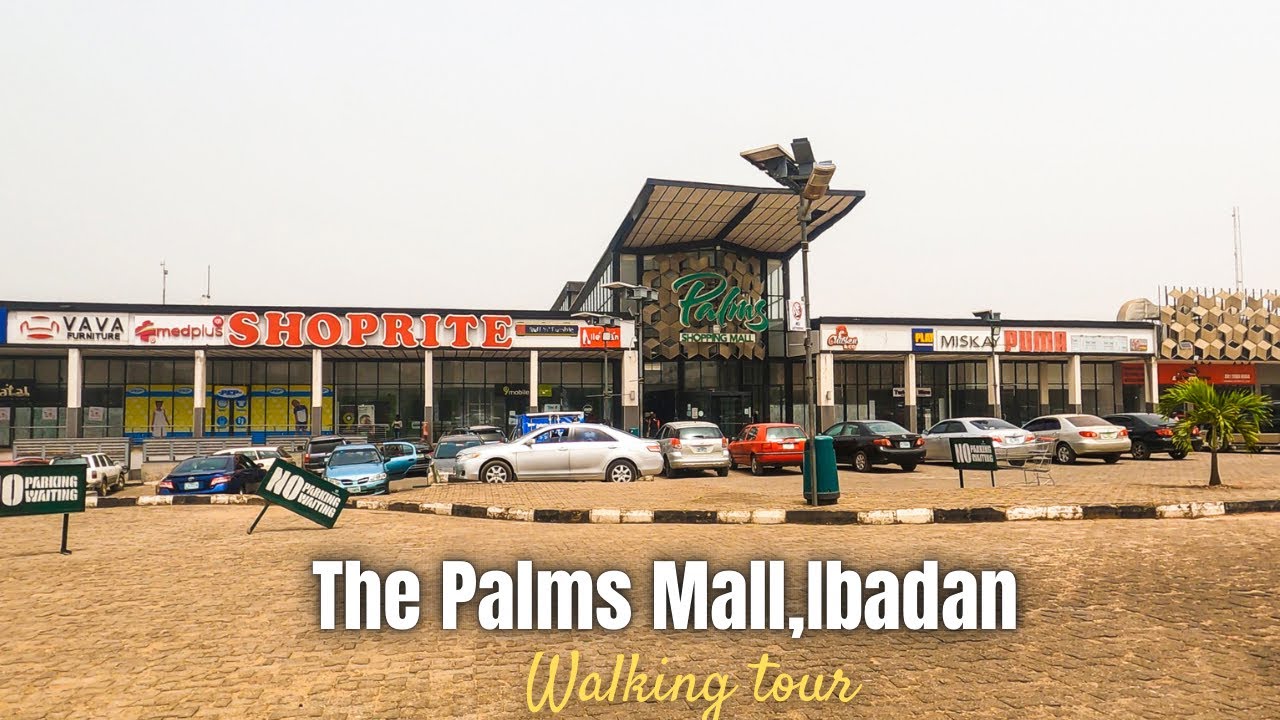
Bodija faces competition from nearby traditional markets such as Orita Merin, Dugbe, and Sango, which offer similar produce at comparable prices, as well as emerging modern supermarkets like Shoprite in Ibadan that attract higher-income shoppers with air-conditioned environments. Risks include ongoing sanitation challenges, evidenced by 2014 slaughterhouse closure and 2019 assessments showing deteriorated microbiological standards in meat handling areas, alongside historical ethnic tensions between Hausa and Yoruba groups leading to clashes in 2012-2013 and violent 2018 enforcement incidents. Infrastructure aging, waste management issues, and market saturation in vegetable categories pose additional hurdles for new entrants, potentially impacting occupancy stability and requiring lessees to navigate informal regulatory enforcement.
Building Details
Detailed Market Analytics
City Snapshot
Ibadan
Comprehensive market intelligence for retail expansion in this city

Other Retail Destinations in Ibadan
Discover more shopping centers in Ibadan.




Popular in Nigeria
Top retail destinations across Nigeria.
.jpg)


.jpg)
Interested in this property?
Choose how you'd like to proceed
Advertise at this property?
Reach high-intent shoppers across digital screens, atria, and experiential placements.
City Snapshot
Ibadan
Comprehensive market intelligence for retail expansion in this city