




















Brand Fit Snapshot
Best for:
Not ideal if:
Similar properties you might like:
Quick assessment - takes 30 seconds
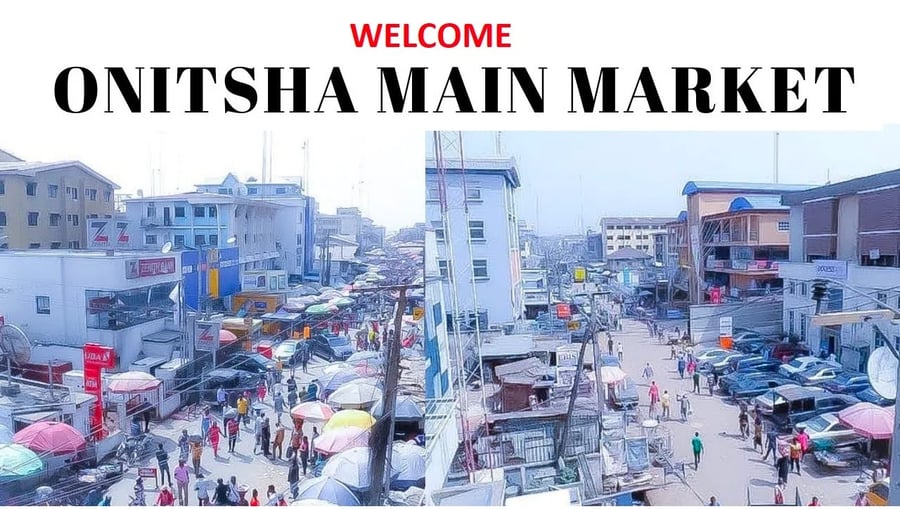
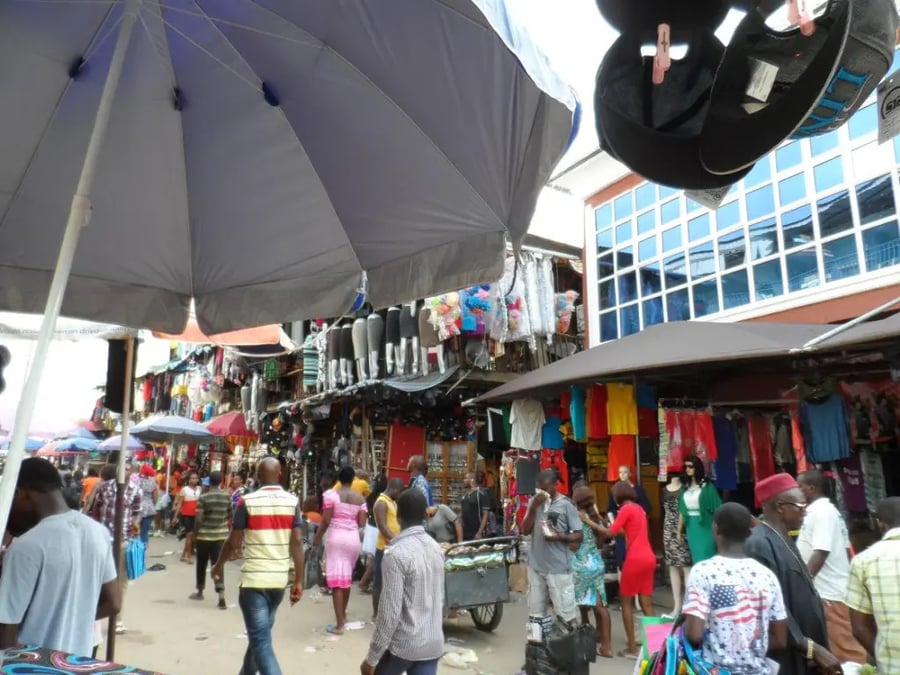
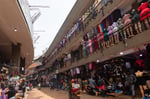
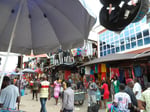
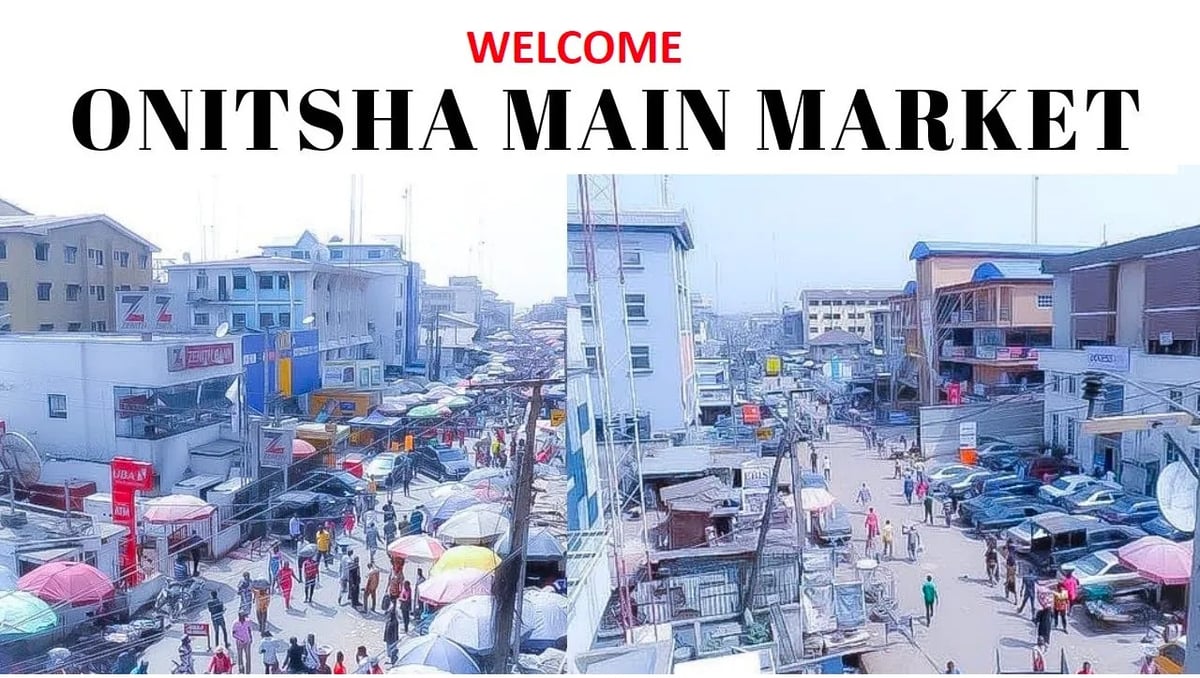
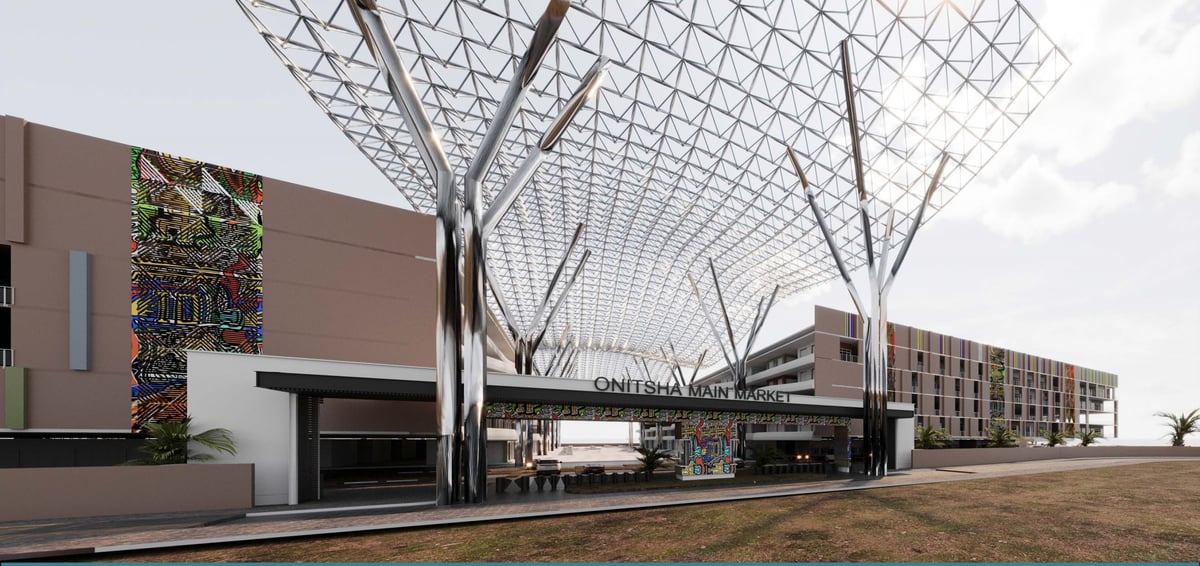
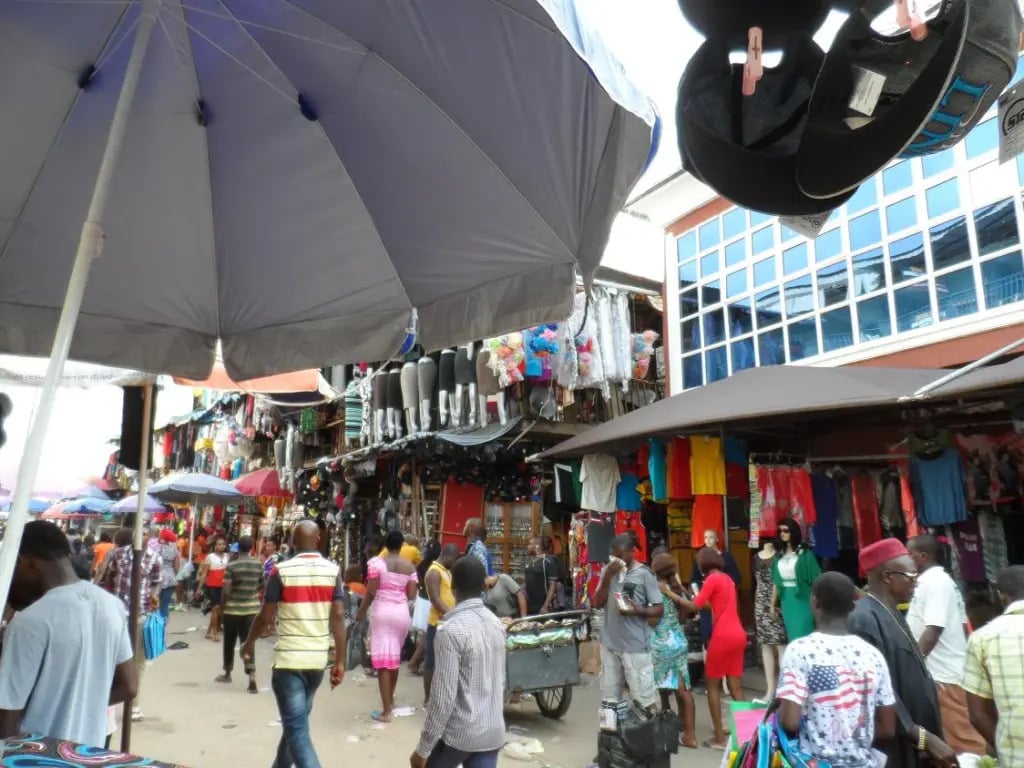
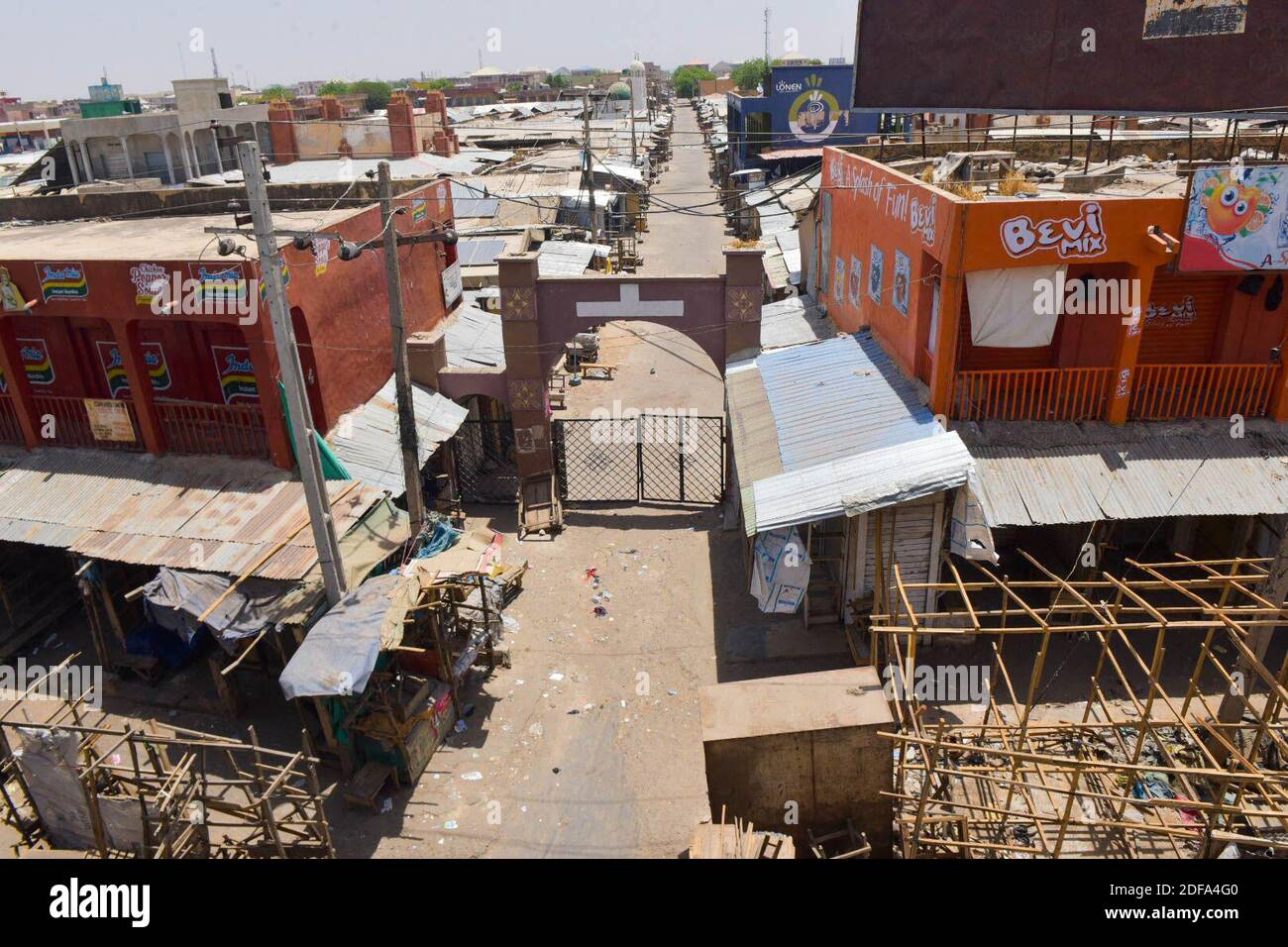
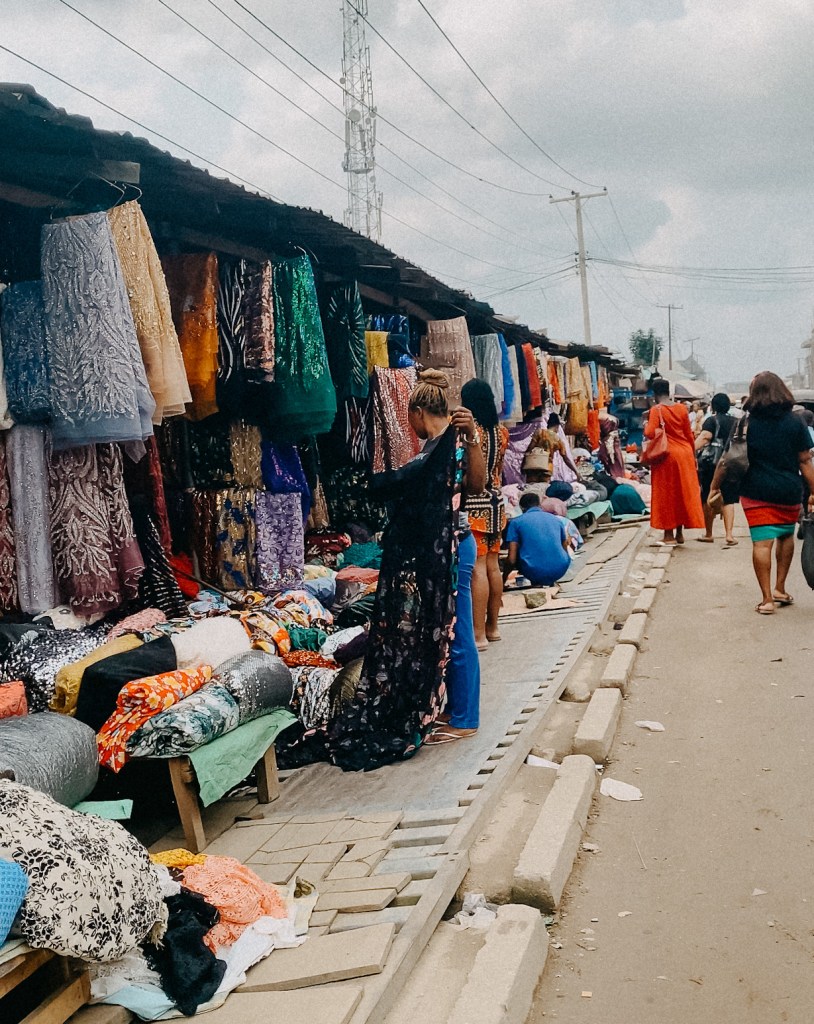
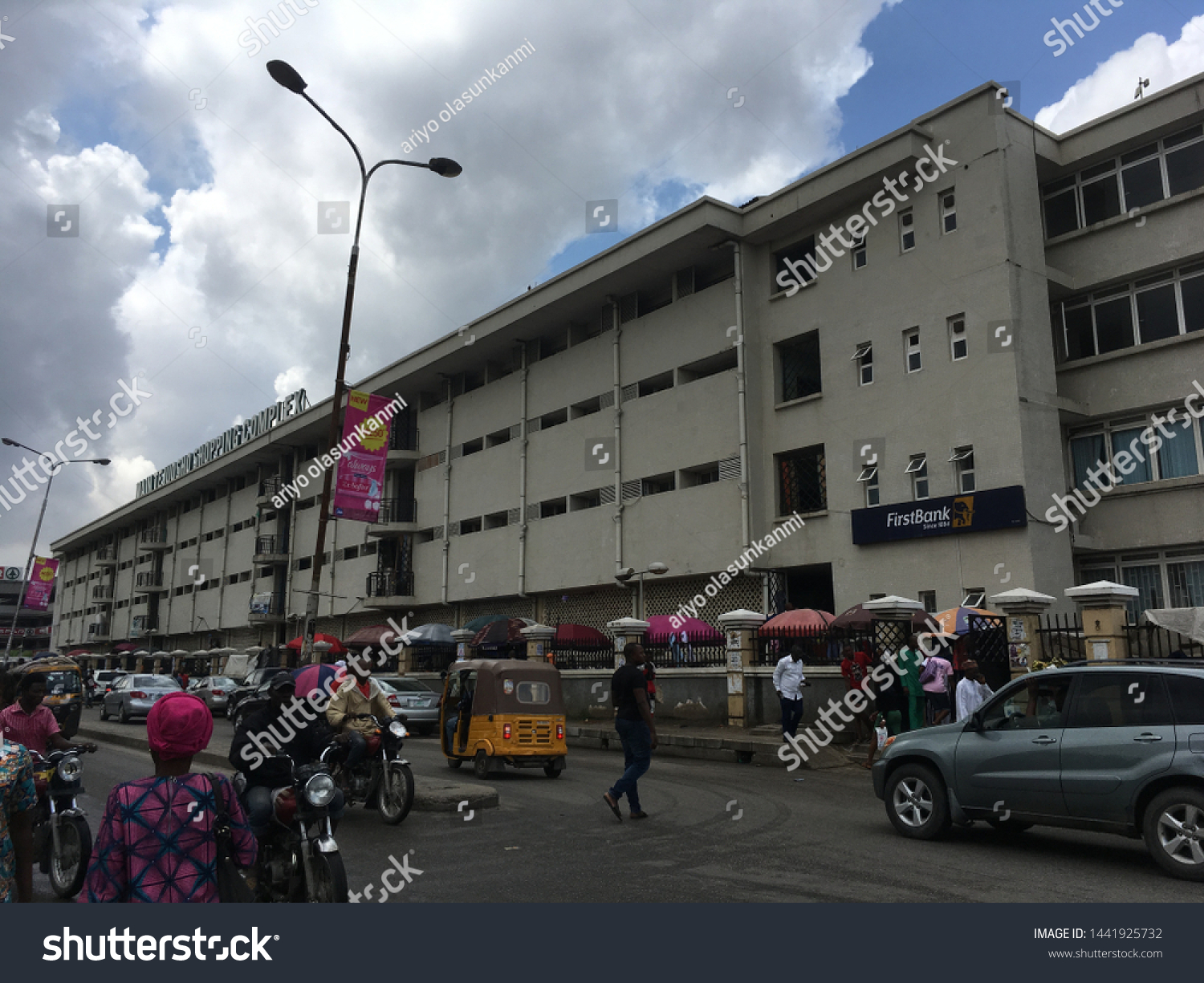
Onitsha Main Market, situated in Onitsha, Anambra State, Nigeria, stands as one of West Africas largest open-air markets, covering approximately 500,000 square meters across multiple sections including Main Market, Building Materials, and Electronics. Established in the early 20th century, it functions as a critical commercial node for wholesale and retail activities, handling an estimated annual trade volume exceeding $2 billion in goods like textiles, electronics, auto spare parts, and consumer products.
Its market position is pivotal in regional supply chains, drawing traders from Nigeria, Benin, Togo, and beyond due to the citys role as a border trade gateway near Asaba and the Niger River bridge. Footfall averages over 1 million visitors weekly, supported by informal transport networks and proximity to Onitsha North and South local government areas.
Occupancy rates hover near 95-100%, reflecting high demand for stalls and shops amid limited formal expansion.
Rent levels are negotiated informally, ranging from NGN 20,000 monthly for small stalls to NGN 1 million annually for prime waterfront or high-traffic spots, influenced by trade category and bargaining. The tenant mix comprises predominantly small and medium enterprises, with over 70% focused on import-export, creating a dynamic but fragmented ecosystem.
Leasing advantages include minimal capital requirements for entry, rapid inventory turnover from high-volume buyers, and established logistics via river and road access. However, contextual market factors such as economic volatility in Nigerias informal sector, currency fluctuations affecting imports, and competition from nearby Nnewi industrial clusters pose challenges.
Accessibility is strong via the Enugu-Onitsha Expressway but hampered by chronic traffic congestion and inadequate public transit.
Demographic profile targets low-to-middle-income consumers aged 18-45, with a diverse ethnic composition including Igbo, Yoruba, and Hausa traders.
Operational quality varies, with basic infrastructure like electricity and water often unreliable, leading to reliance on generators. Potential risks encompass seasonal flooding from the Niger River, petty crime in dense areas, and occasional government interventions for sanitation or tax compliance. Retailers evaluating spaces here benefit from data-driven insights showing average sales per trader at NGN 500,000 monthly, yet must weigh saturation in popular categories like electronics against opportunities in underserved niches like agro-products.
Interested in this property?
Choose how you'd like to proceed
Advertise at this property?
Reach high-intent shoppers across digital screens, atria, and experiential placements.
Hours of Operation
Hours
| Monday | 06:00 AM — 06:00 PM |
| Tuesday | 06:00 AM — 06:00 PM |
| Wednesday | 06:00 AM — 06:00 PM |
| Thursday | 06:00 AM — 06:00 PM |
| Friday | 06:00 AM — 06:00 PM |
| Saturday | 06:00 AM — 06:00 PM |
| Sunday | Closed |
Hours may vary on public holidays. Check with individual stores for specific holiday schedules.
Insights
Demographics and Footfall
The markets demographic profile features a predominantly young adult population (18-45 years) from urban and rural Nigeria, with significant cross-border appeal to West African traders. Annual footfall surpasses 50 million, driven by wholesale buyers seeking bulk deals, resulting in peak daily crowds of 200,000. This high traffic supports strong conversion rates for volume retailers, but diversity in income levels (mostly below NGN 100,000 monthly) favors price-sensitive goods over premium offerings. Data from regional trade reports indicate 60% of visitors are repeat customers, enhancing loyalty potential, though gender skew toward males (70%) influences product mix toward utilitarian items.
Competition and Tenant Mix
Competition is intense with over 20,000 stalls fostering cutthroat pricing, particularly in saturated categories like textiles and electronics where similar products dominate 40% of space. Tenant mix is informal and diverse, including 50% wholesalers, 30% retailers, and 20% service providers like transporters, creating synergies for supply chain integration but also overlap risks. Market reports highlight low barriers to entry, enabling quick competitor influx, yet established sections offer defensible positions through networks. Occupancy stability aids mix balance, but weak categories such as luxury goods underperform due to economic constraints.
Risks and Lease Terms
Key risks include infrastructural deficiencies like poor roads and flooding, disrupting operations up to 20% of the year, alongside security issues from overcrowding that elevate theft rates. Lease terms are flexible but non-standardized, often verbal agreements renewable annually with fees adjustable by market forces, averaging 10-15% escalations. Commercial insights note regulatory challenges from Anambra State authorities on zoning and taxes, potentially increasing costs. Advantages lie in short-term commitments (3-12 months) suiting agile retailers, but lack of formal protections heightens eviction risks during disputes. Overall, mitigation via insurance and local partnerships is advisable for sustained viability.
Building Details
Detailed Market Analytics
City Snapshot
Onitsha
Comprehensive market intelligence for retail expansion in this city

Other Retail Destinations in Onitsha
Discover more shopping centers in Onitsha.

Popular in Nigeria
Top retail destinations across Nigeria.
.jpg)

.jpg)
Interested in this property?
Choose how you'd like to proceed
Advertise at this property?
Reach high-intent shoppers across digital screens, atria, and experiential placements.
City Snapshot
Onitsha
Comprehensive market intelligence for retail expansion in this city