



Brand Fit Snapshot
Best for:
Not ideal if:
Similar properties you might like:
Quick assessment - takes 30 seconds
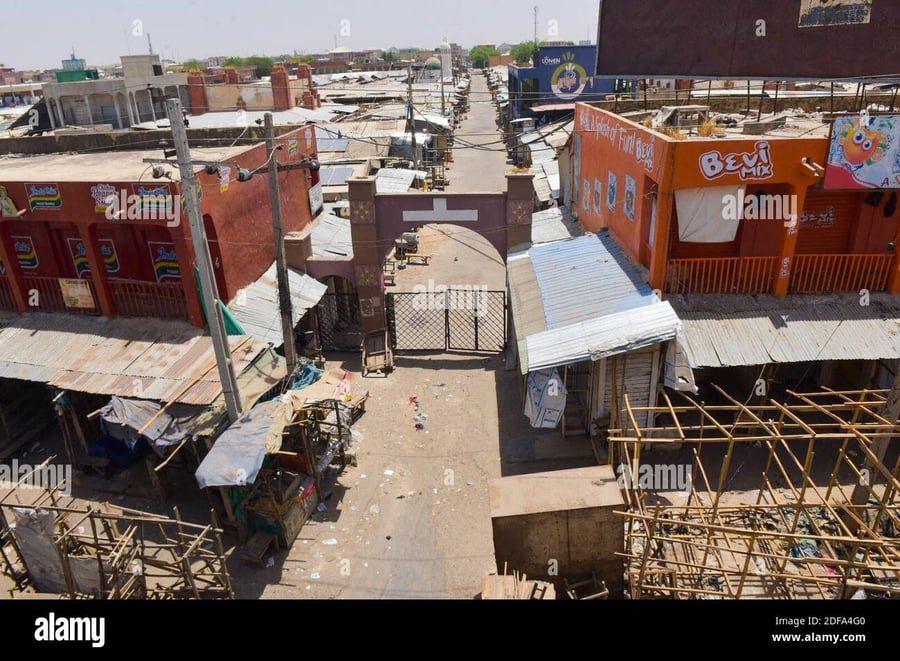
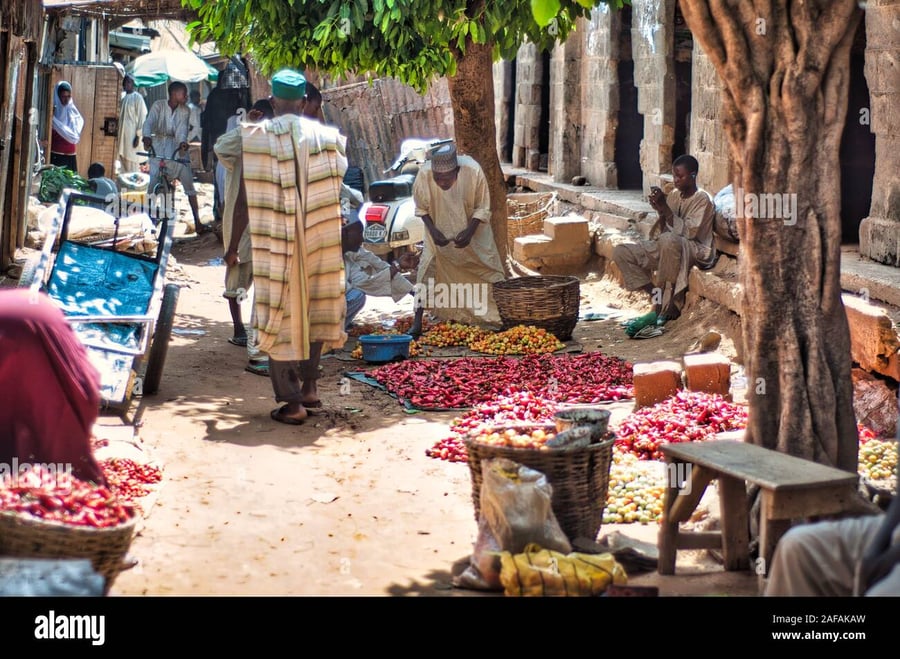
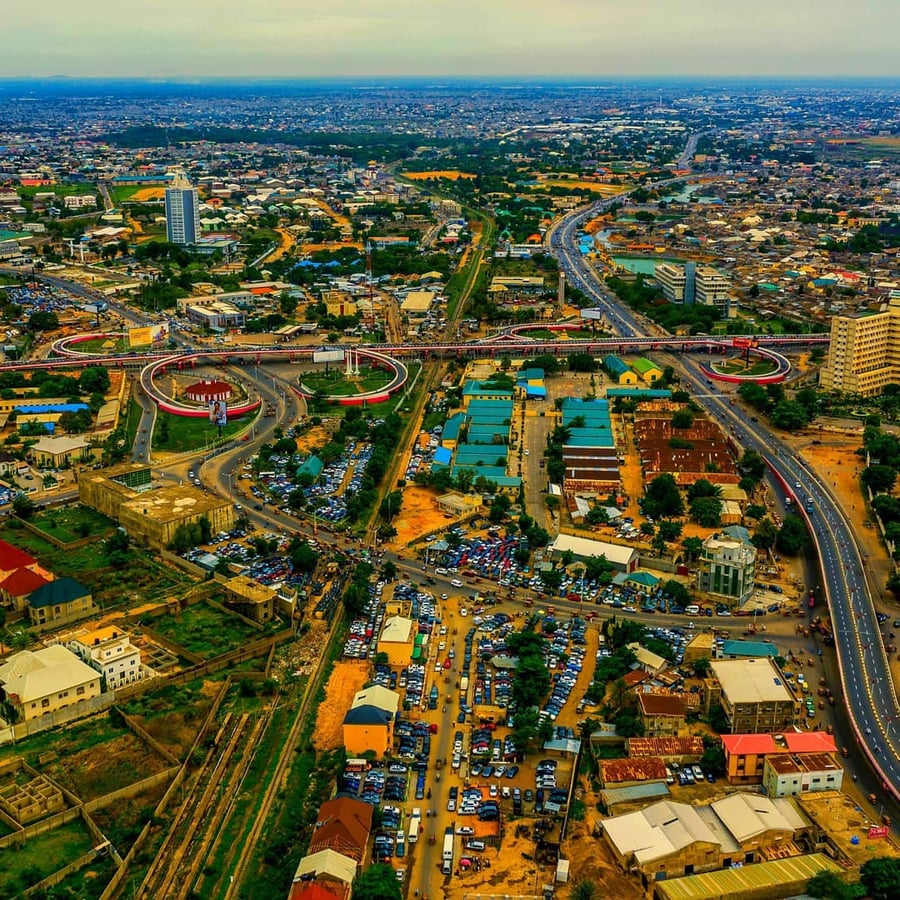
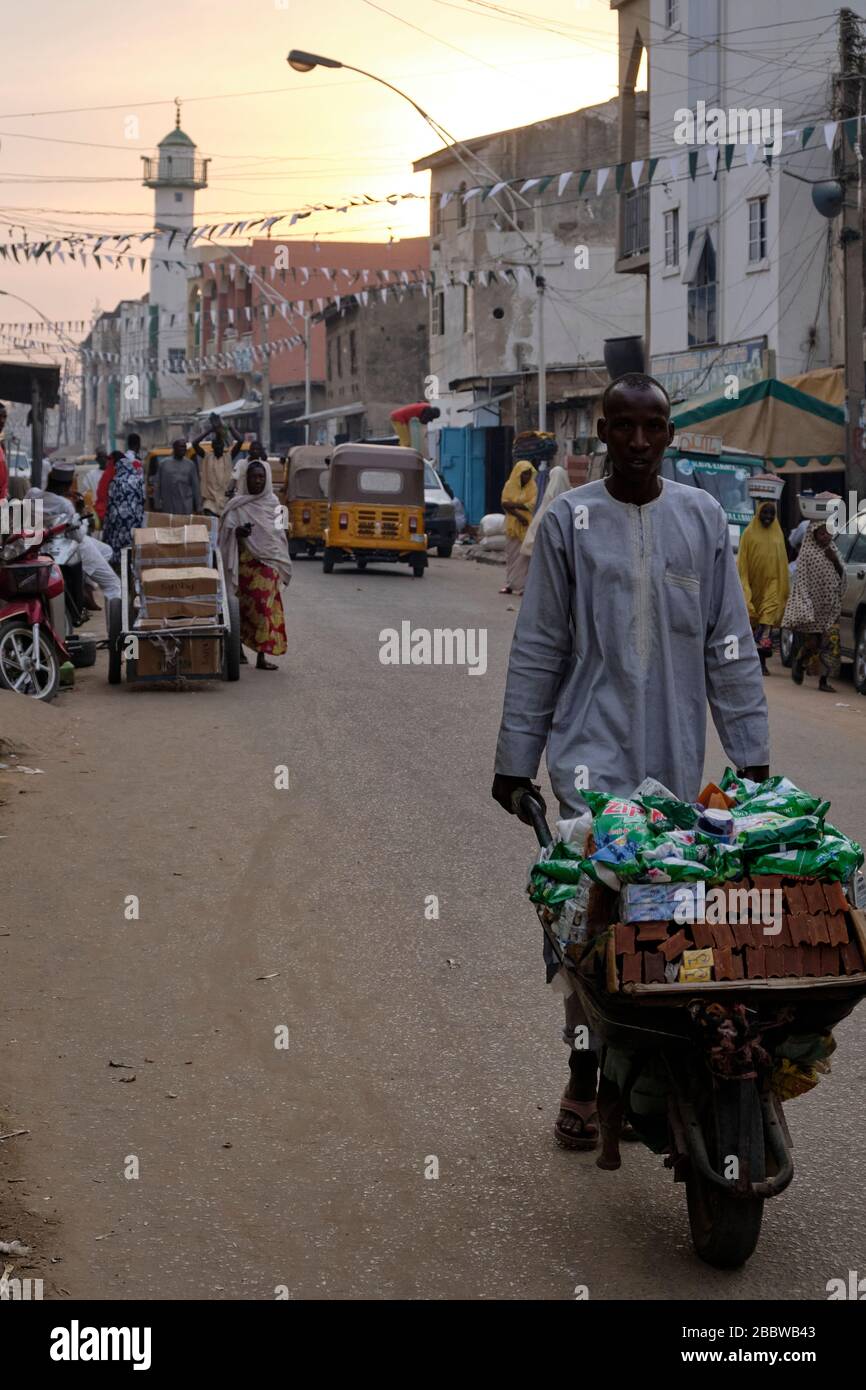
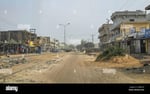
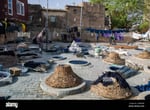
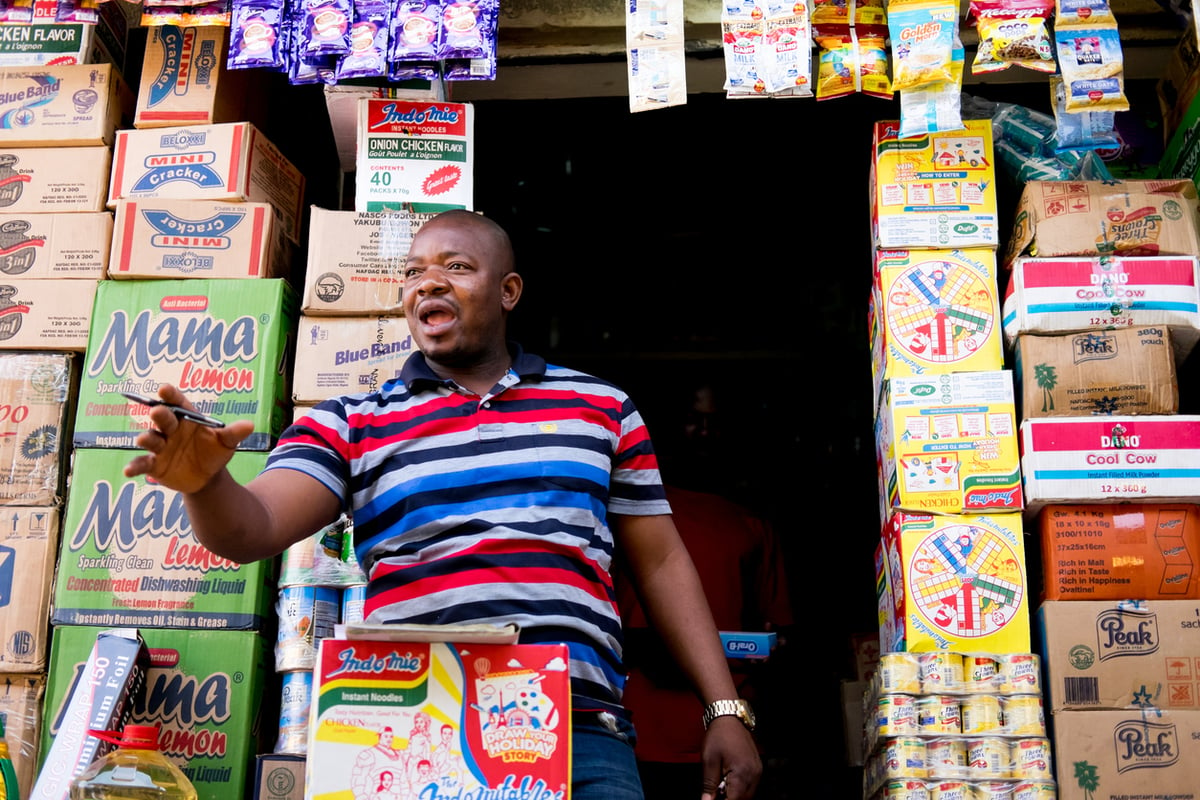
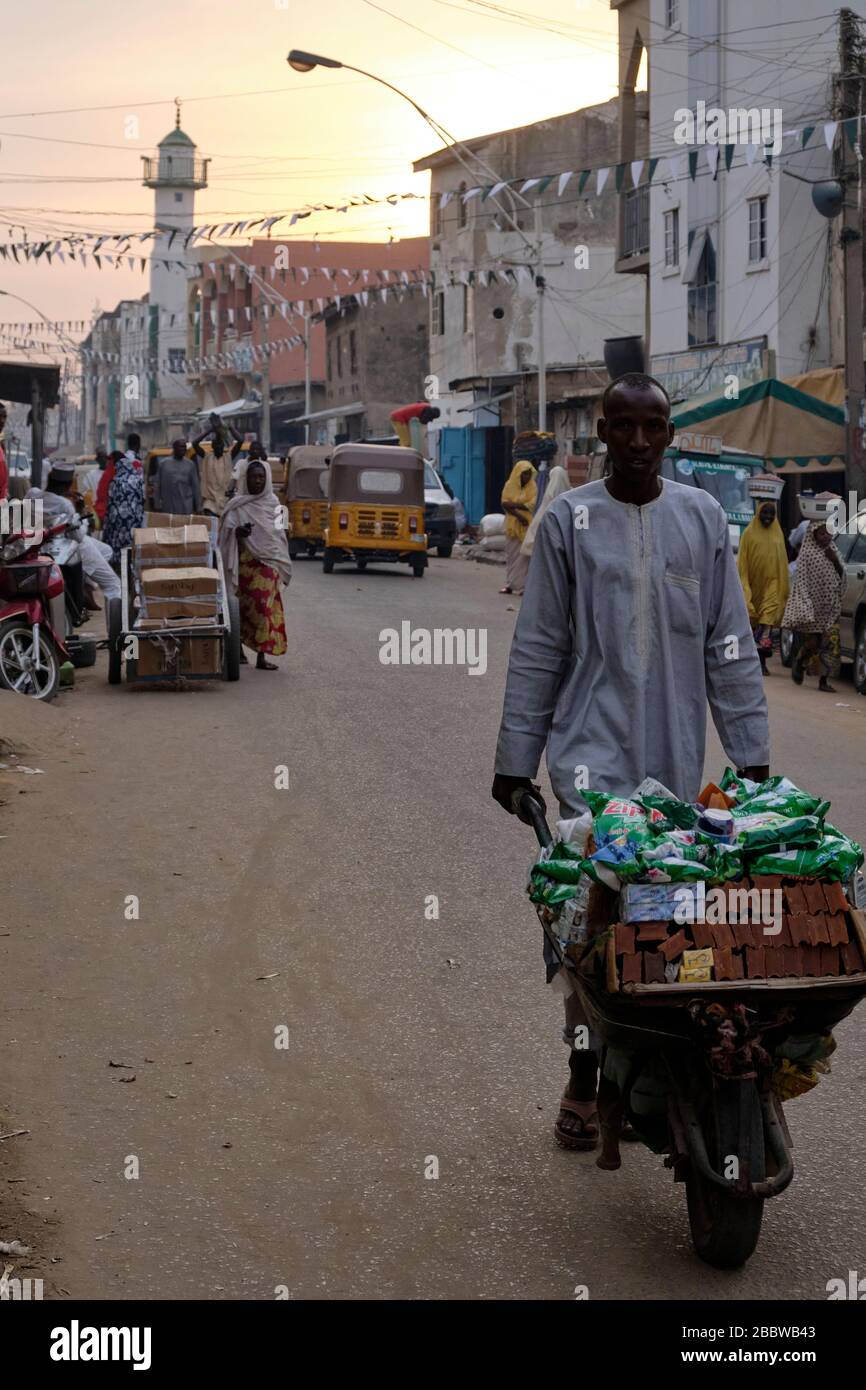
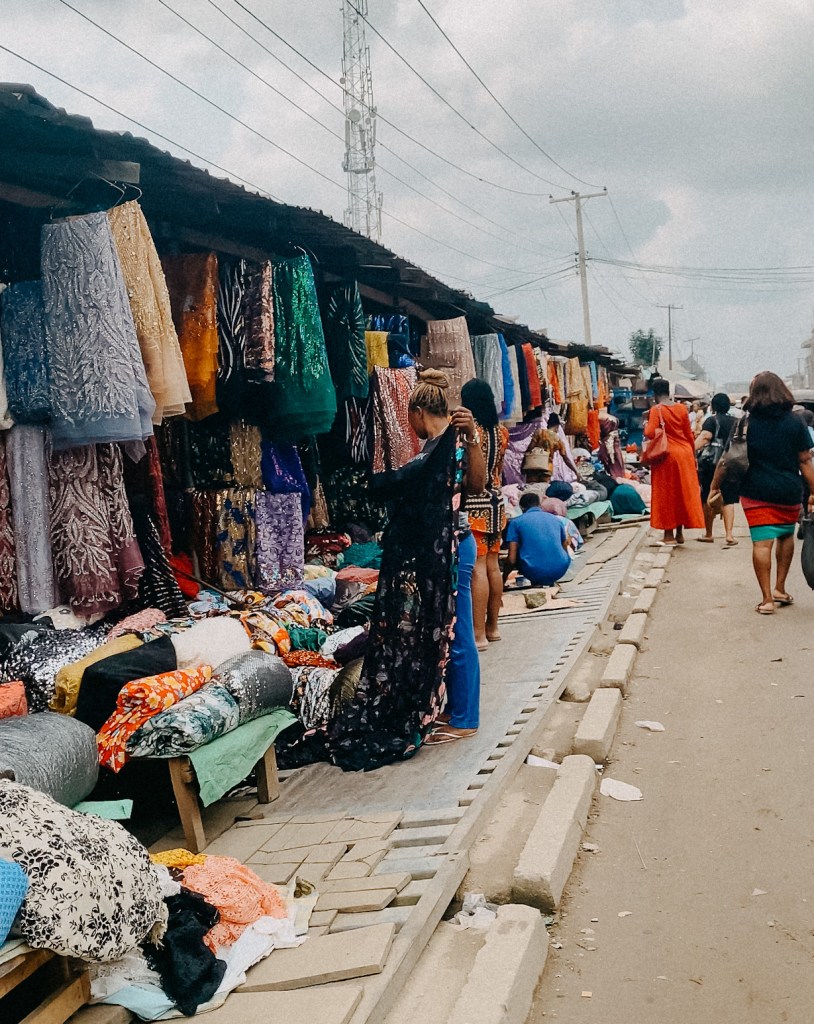
Sabon Gari Market, located in the Sabon Gari district of Kano, Nigeria, is one of the largest traditional markets in Northern Nigeria, featuring approximately 12,000 shops across various sections. Established in 1915 and rebuilt in 1983, it serves as a vital commercial hub, handling daily turnovers exceeding ₦200 million in sectors like electronics (₦150-250 million) and foodstuffs (₦50-100 million).
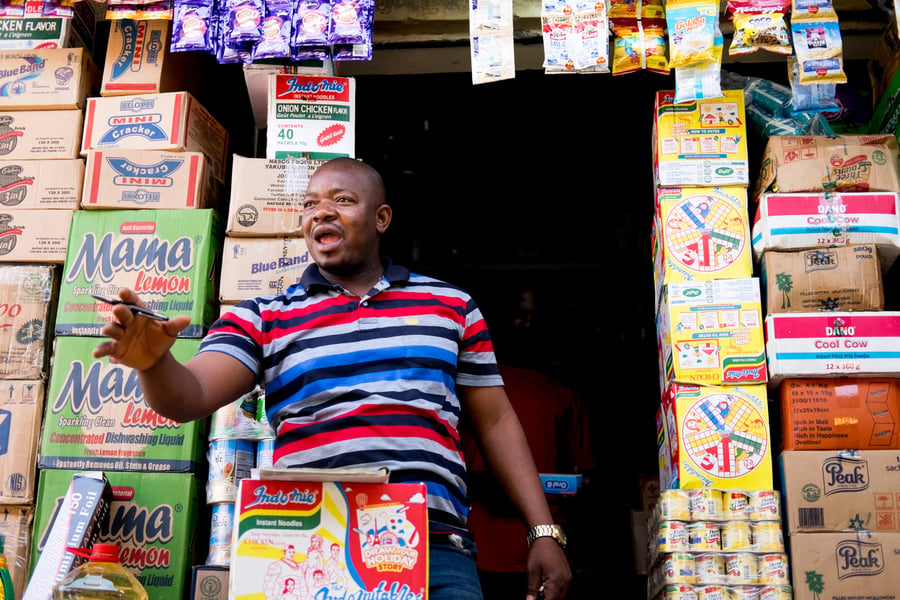
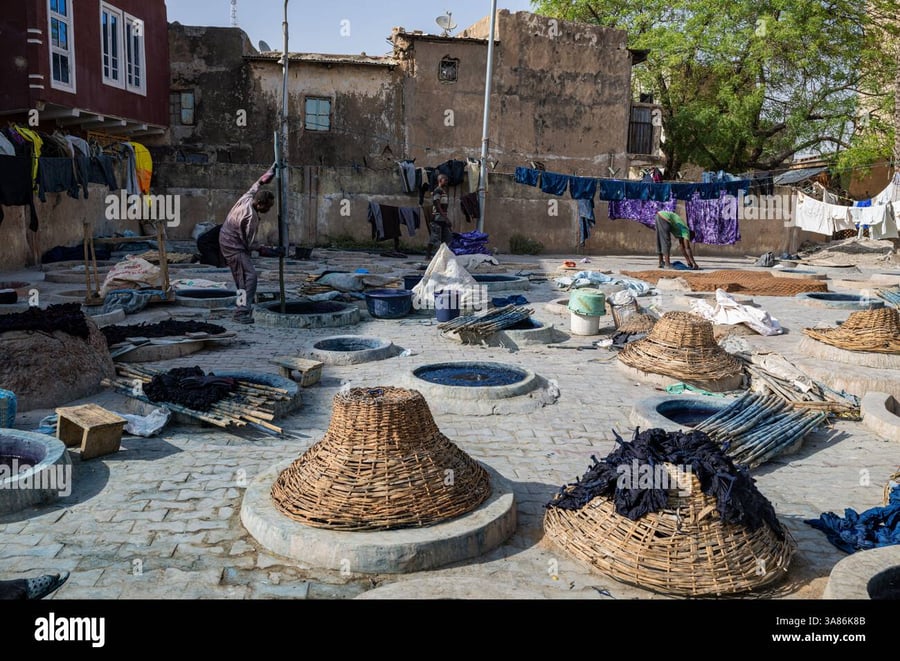
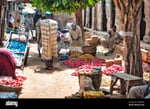
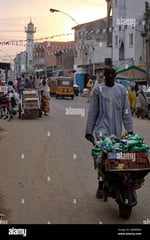
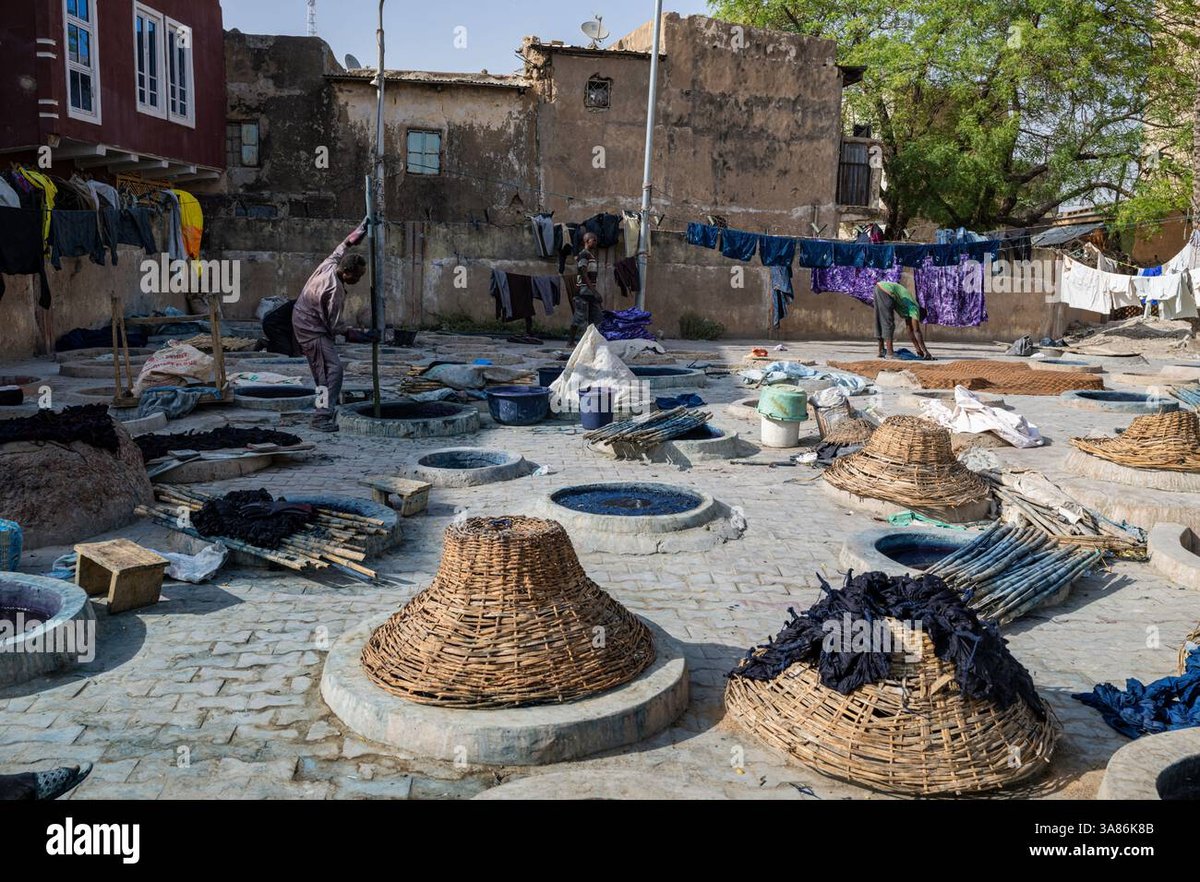
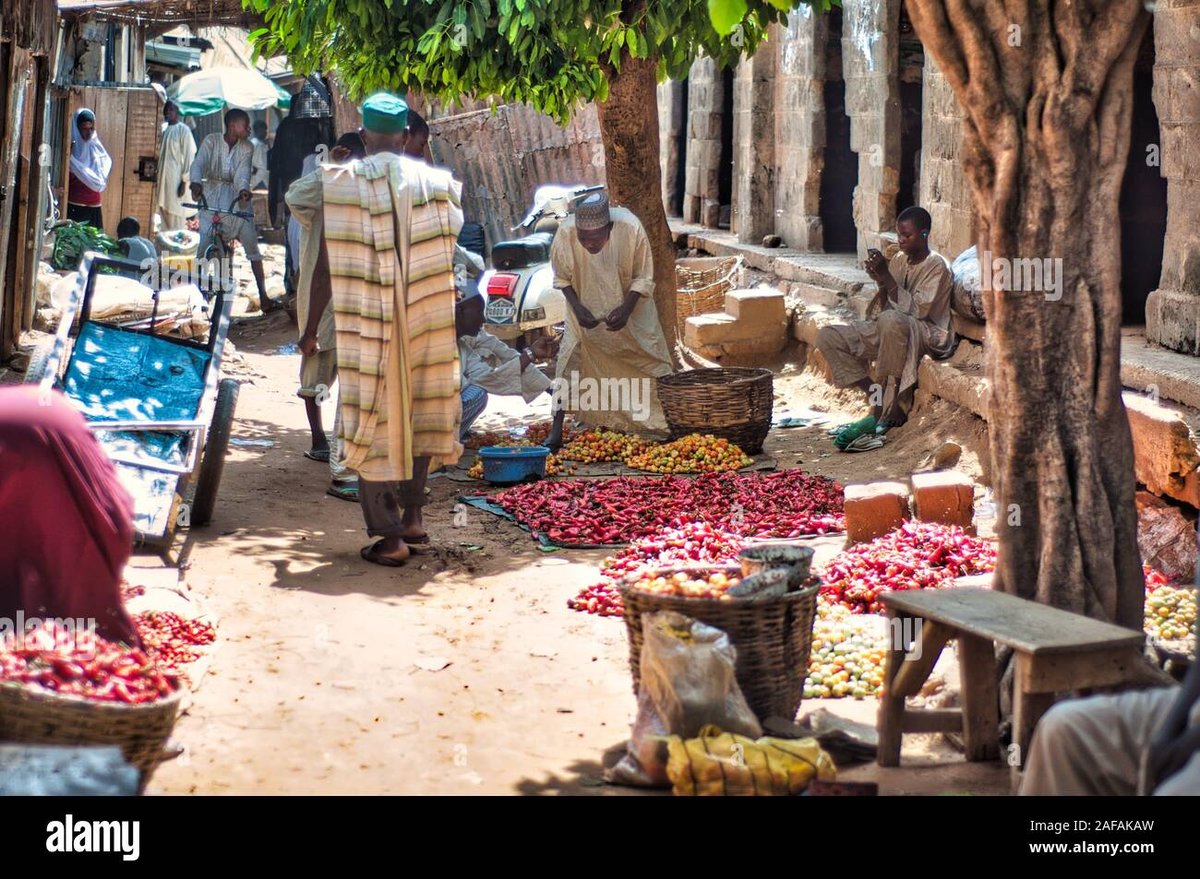
The market offers a diverse tenant mix including small traders, artisans, and wholesalers dealing in textiles, fabrics, electronics, groceries, gold, building materials, and imported goods. Its position as a regional trade center attracts high footfall from Kano's 4.5 million residents and surrounding areas, supported by daily operations from 9 AM to 6 PM.
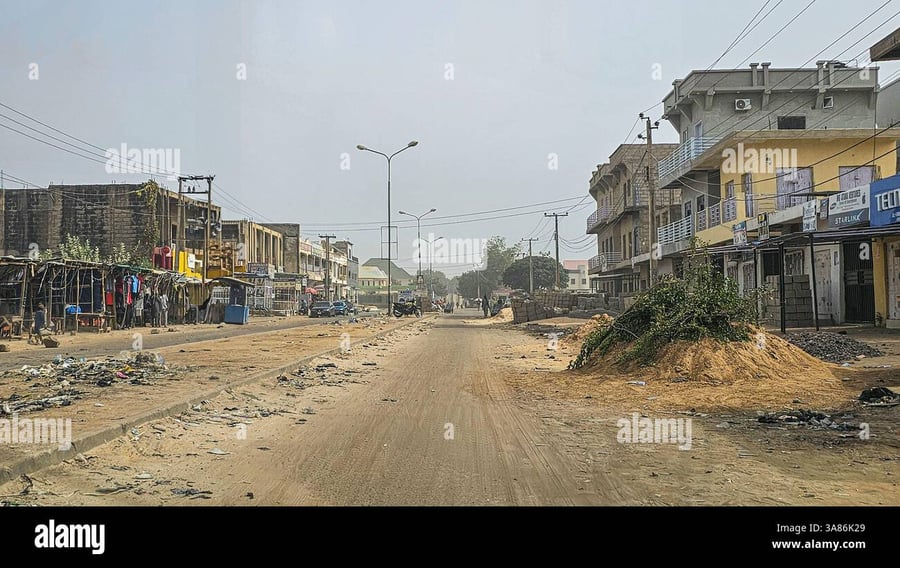
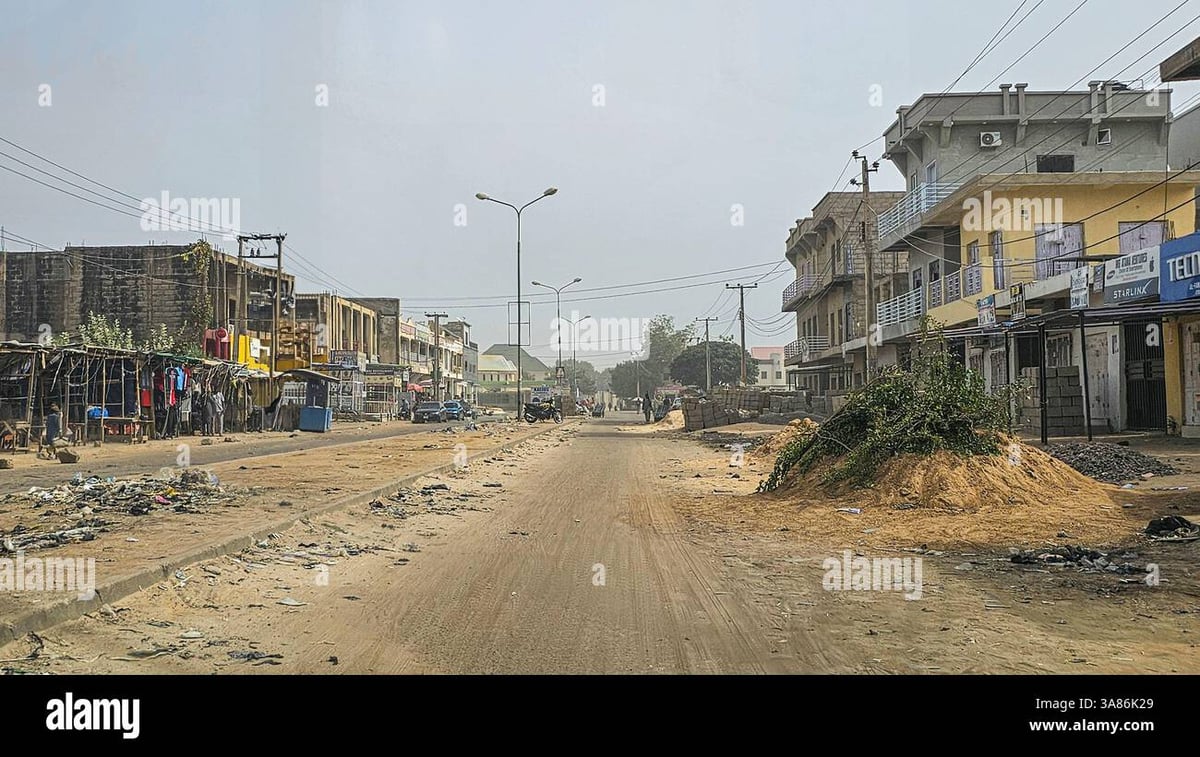
Accessibility is facilitated by major roads such as France Road and IBO Road, though traffic congestion can occur. Occupancy remains high at over 95%, with only 4.1% of retail spaces available for lease, indicating strong demand driven by the area's vibrant economy and diverse demographics, including local Hausa-Fulani and non-indigenous southern Nigerian traders.
Leasing advantages include competitive rental rates for stalls, averaging ₦300,000 annually for small units, and opportunities for informal haggling-based retail. However, the market's traditional structure poses challenges like aging infrastructure, reliance on informal agreements, and competition from nearby markets such as Rimi and Kantin Kwari. Recent initiatives, including a 2018 solar mini-grid providing 1.6 MW of power and a 2020 digital database for traders, enhance operational quality, reducing diesel dependency and improving efficiency.
Market saturation in electronics and textiles may limit new entrants in those categories, while foodstuffs and niche imports show growth potential amid Kano's expanding population and agricultural ties.
Interested in this property?
Choose how you'd like to proceed
Advertise at this property?
Reach high-intent shoppers across digital screens, atria, and experiential placements.
Hours of Operation
Hours
| Monday | 10:00 AM — 09:00 PM |
| Tuesday | 10:00 AM — 09:00 PM |
| Wednesday | 10:00 AM — 09:00 PM |
| Thursday | 10:00 AM — 09:00 PM |
| Friday | 10:00 AM — 10:00 PM |
| Saturday | 10:00 AM — 10:00 PM |
| Sunday | 11:00 AM — 06:00 PM |
Hours may vary on public holidays. Check with individual stores for specific holiday schedules.
Insights
Demographics and Footfall
Sabon Gari Market draws a diverse demographic profile, primarily serving Kano's urban population of over 4.5 million, including Hausa-Fulani locals, southern Nigerian immigrants, and regional visitors from Northern Nigeria. Footfall is estimated at thousands daily, peaking on weekends, supported by the market's role as a cultural and economic crossroads. This mix fosters broad consumer appeal for everyday goods, but ethnic diversity can introduce social tensions, as historically seen in the Sabon Gari quarter's separation of non-indigenous groups. Data from local reports indicate consistent high traffic, contributing to robust sales volumes, though seasonal fluctuations tied to festivals and harvests influence peak periods. Accessibility via public transport aids middle- and low-income shoppers, enhancing retail viability for budget-oriented tenants.
Tenant Mix and Competition
The tenant mix comprises predominantly small-scale traders and wholesalers in 26 specialized sections, focusing on electronics, textiles, foodstuffs, and gold, with limited presence of branded chains due to the informal setup. Occupancy exceeds 95%, reflecting strong market dynamics, but competition is intense from adjacent markets like Rimi Market for groceries and Kantin Kwari for textiles, potentially eroding margins in saturated categories. Research from Nigerian commercial reports highlights opportunities in underserved niches like imported consumer goods, where the diverse trader base enables flexible sourcing. However, weak categories such as outdated electronics may face disruption from modern e-commerce platforms, advising new lessees to emphasize unique value propositions to capture the loyal local clientele.
Leasing Terms and Risks
Leasing in Sabon Gari involves informal to semi-formal stall rentals, with annual rates for small units around ₦300,000, benefiting from low vacancy (4.1%) and high demand in a market generating significant revenue. Terms often include short-term agreements through local associations, offering flexibility for seasonal operations. Risks include aging infrastructure, such as inconsistent power pre-2018 solar upgrades, and potential security concerns in a high-density urban setting. Market reports note exposure to economic volatility, like inflation impacting consumer spending, and regulatory shifts under Kano State policies. Tenants should assess access issues from traffic and competition saturation, while modernization efforts like digital trader databases mitigate some operational challenges, supporting long-term stability for resilient retail formats.
Building Details
Detailed Market Analytics
City Snapshot
Kano
Comprehensive market intelligence for retail expansion in this city

Other Retail Destinations in Kano
Discover more shopping centers in Kano.


Popular in Nigeria
Top retail destinations across Nigeria.


Interested in this property?
Choose how you'd like to proceed
Advertise at this property?
Reach high-intent shoppers across digital screens, atria, and experiential placements.
City Snapshot
Kano
Comprehensive market intelligence for retail expansion in this city