


Brand Fit Snapshot
Best for:
Not ideal if:
Similar properties you might like:
Quick assessment - takes 30 seconds
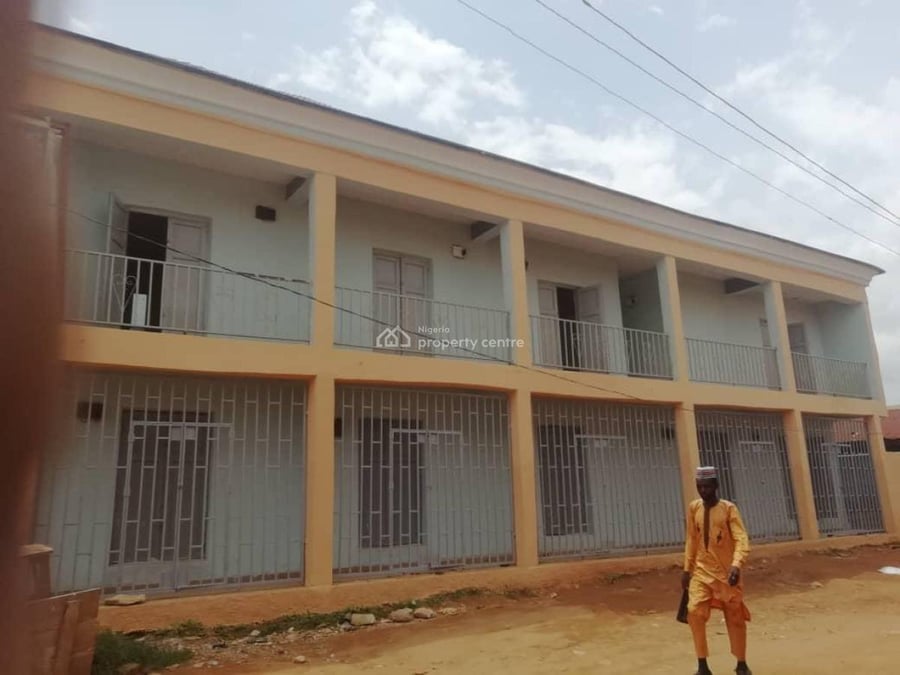
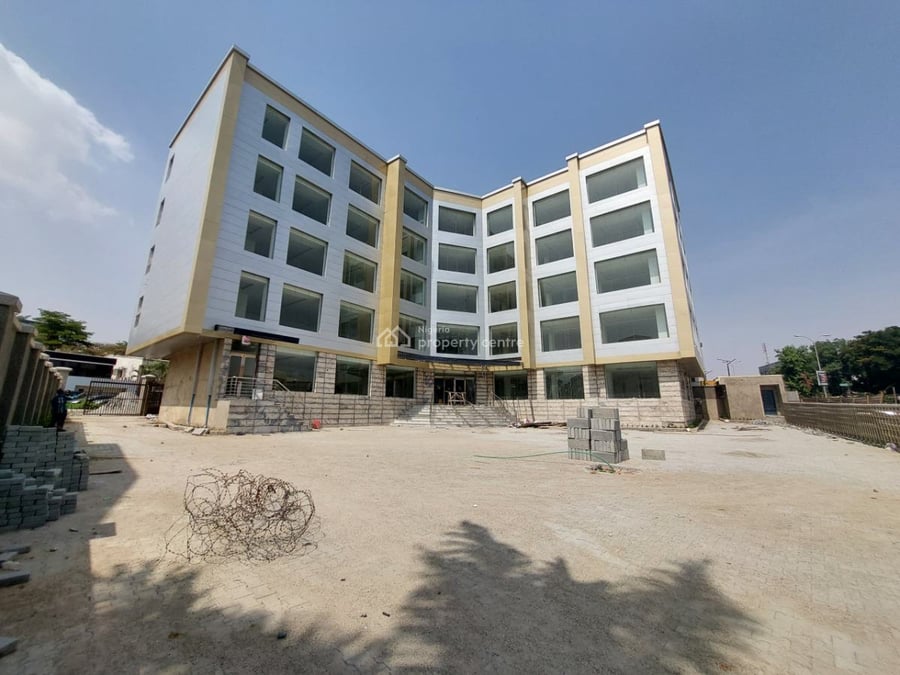
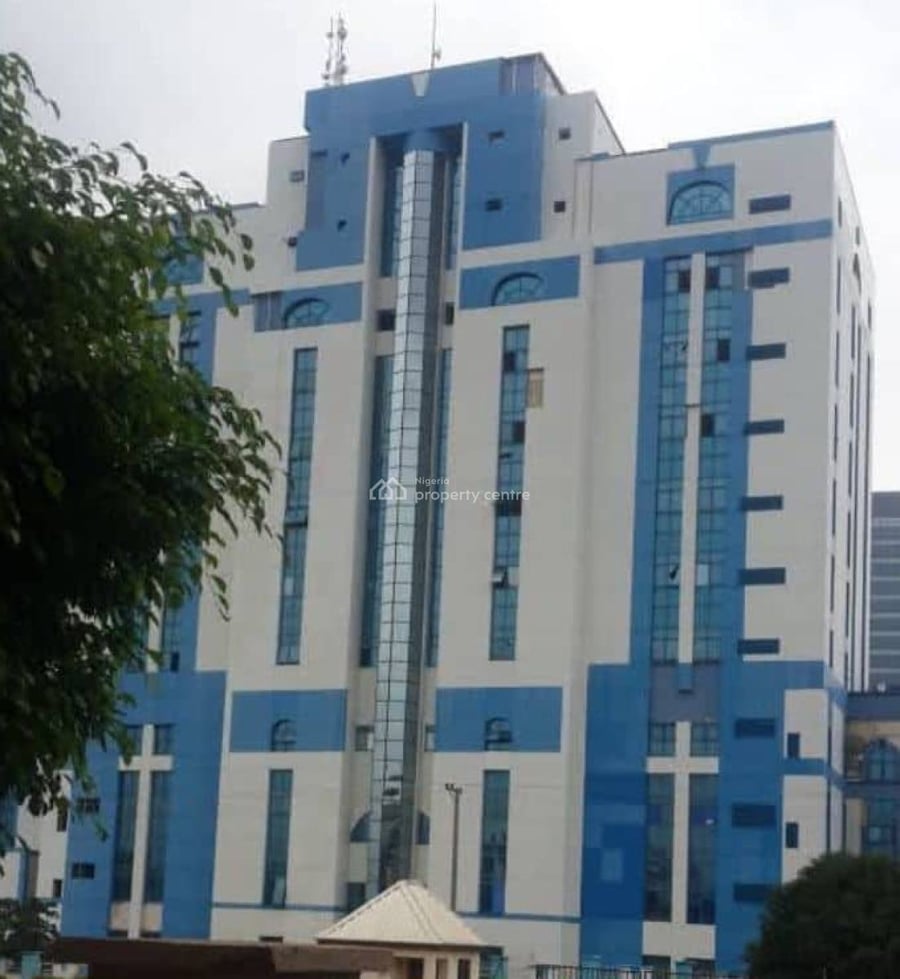
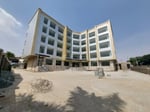
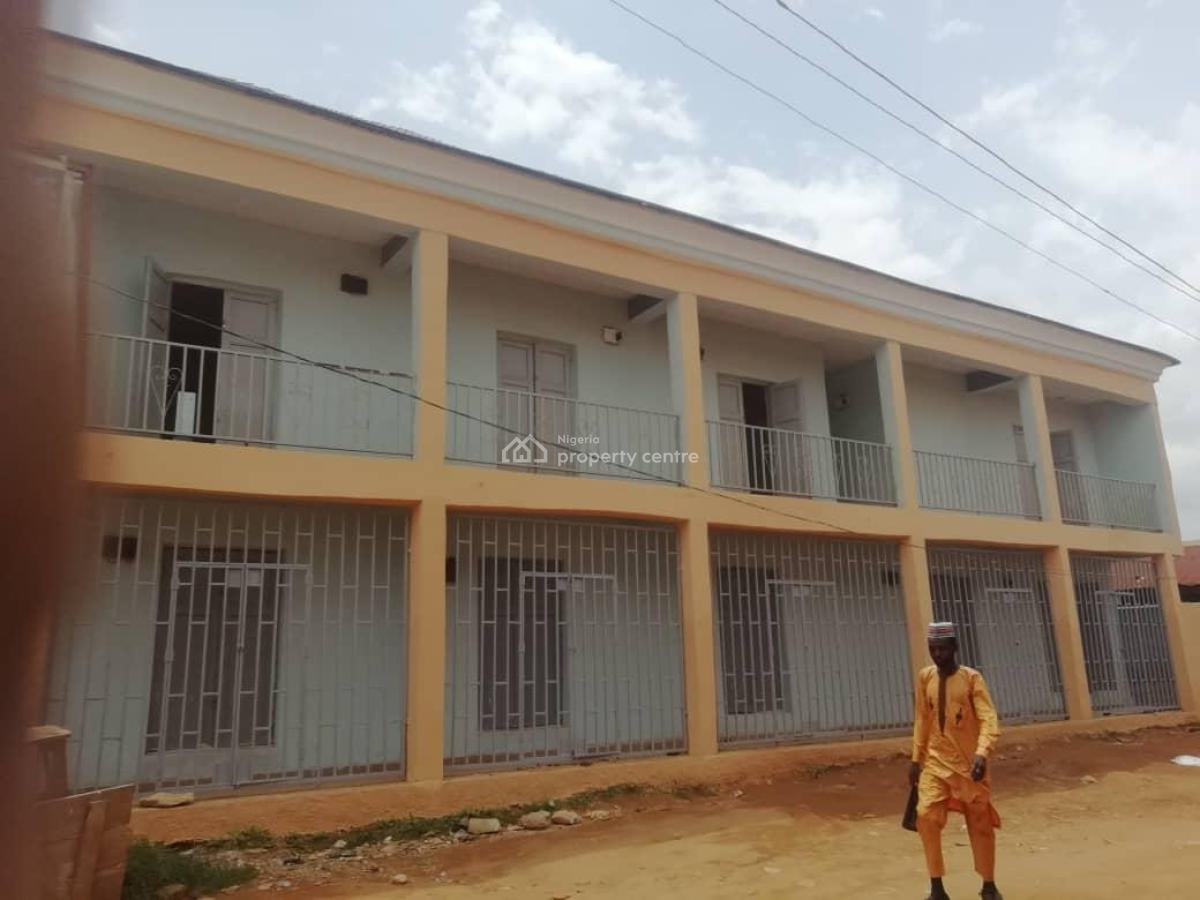
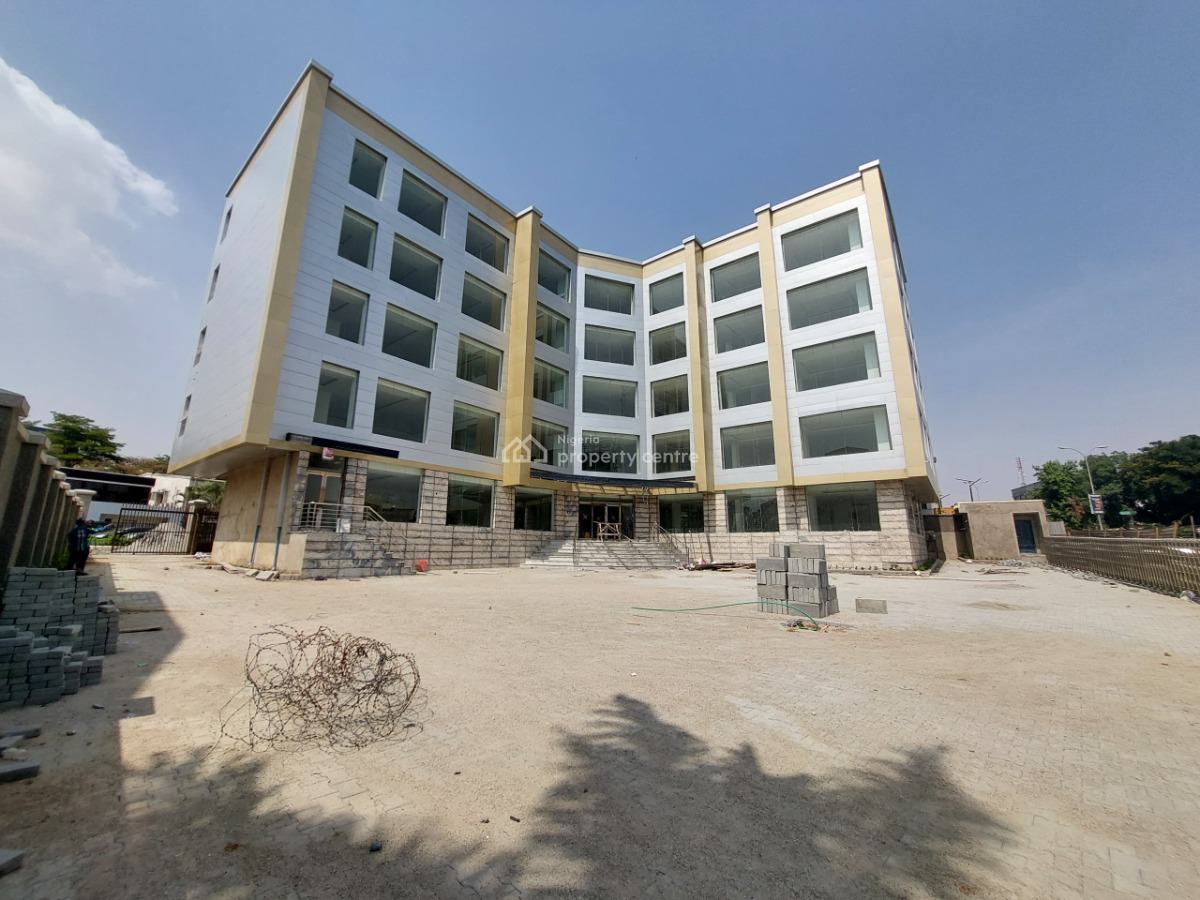
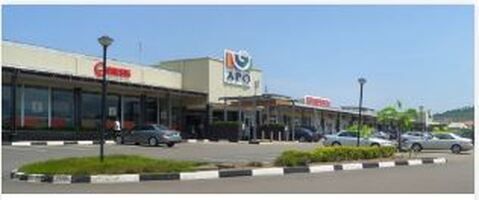
Area 11 Shopping Centre, situated in the Garki district of central Abuja, serves as a neighborhood retail hub primarily for local residents, government workers, and nearby office employees. Established around the early 2000s, the centre spans approximately 10,000 sqm with two levels hosting about 50 tenant spaces. The tenant mix emphasizes everyday essentials, featuring supermarkets such as local chains, pharmacies like HealthPlus equivalents, apparel stores, fast-casual dining options, and service providers including banks and telecom outlets.
No major international anchors are present, focusing instead on mid-tier local brands. In Abuja's retail landscape, it occupies a convenient, accessible position near key arterial roads like Moshood Abiola Way, benefiting from the city's status as Nigeria's administrative capital with steady employment-driven demand. Footfall averages 6,000 to 8,000 daily visitors, supported by proximity to residential estates and federal ministries, though it lags behind larger destinations like Jabi Lake Mall.
Occupancy rate hovers at 80-85%, indicative of resilient local demand amid national economic pressures.
Rent levels range from ₦25,000 to ₦45,000 per sqm annually (approximately $15-28 per sqm), offering affordability for small-to-medium retailers compared to prime malls at $40+ per sqm.
Accessibility is enhanced by public transport links and on-site parking for 100 vehicles, though traffic congestion during peak hours poses challenges. The demographic profile includes middle-income professionals aged 25-50, with household incomes of ₦400,000-800,000 monthly, favoring value-oriented shopping.
Leasing advantages encompass flexible terms, lower operational costs, and stable patronage from captive local traffic. Drawbacks include competition from informal markets, vulnerability to inflation eroding spending power (Nigeria's rate at 33% in 2024), limited expansion potential due to urban density, and occasional infrastructure issues like power reliability in the face of Abuja's grid challenges.
Overall, it suits budget-conscious retailers targeting daily needs in a saturated but essential central market.
Interested in this property?
Choose how you'd like to proceed
Advertise at this property?
Reach high-intent shoppers across digital screens, atria, and experiential placements.
Hours of Operation
Hours
| Monday | 07:00 AM — 07:00 PM |
| Tuesday | 07:00 AM — 07:00 PM |
| Wednesday | 07:00 AM — 07:00 PM |
| Thursday | 07:00 AM — 07:00 PM |
| Friday | 07:00 AM — 07:00 PM |
| Saturday | 07:00 AM — 07:00 PM |
| Sunday | 07:00 AM — 07:00 PM |
Hours may vary on public holidays. Check with individual stores for specific holiday schedules.
Insights
Demographic Profile
The catchment area of Area 11 Shopping Centre comprises a young, urban demographic dominated by civil servants, mid-level professionals, and families in Garki and adjacent districts. Approximately 60% of residents are aged 18-45, with a median household income of ₦500,000 monthly, driven by government salaries and private sector jobs in finance and services. Population growth in Abuja at 3.5% annually supports consistent demand for affordable retail, particularly in groceries, health, and apparel categories. However, high living costs and inflation have shifted preferences toward discount formats, reducing average transaction values by 15-20% in recent years. This profile favors tenants offering value deals but poses risks for premium brands seeking higher margins.
Competition and Market Factors
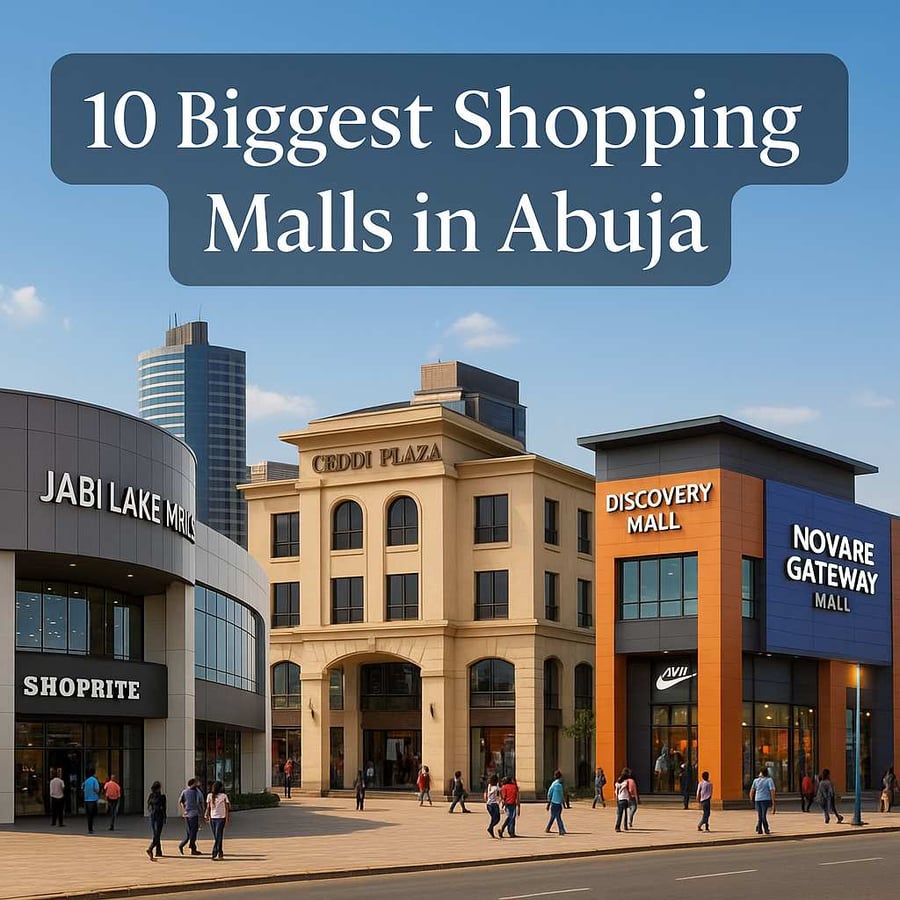
Area 11 faces moderate competition from nearby Ceddi Plaza (2km away) and Wuse Market, which provide similar convenience with broader variety, alongside larger regional malls like Silverbird Entertainment Centre drawing weekend crowds. Abuja's retail market shows 75% overall occupancy but saturation in central zones, with 10,000 sqm of new space added in 2024 pressuring smaller centres. Strengths include low rivalry for quick-service niches and loyal local footfall unaffected by distant hypermarkets. Weaknesses encompass economic headwinds like naira volatility, limiting import-reliant tenants, and informal trading eroding 20-30% of potential sales in budget segments. Retail performance metrics indicate 5-7% sales growth for resilient categories amid 5% decline in luxury goods.
Lease Terms and Operational Risks
Leasing at Area 11 typically involves 3-5 year terms with 10-15% annual escalations tied to inflation, and security deposits of 3-6 months' rent. Average rents of ₦30,000 per sqm per year are 30-40% below prime locations, appealing for startups, though service charges add ₦5,000-10,000 per sqm for maintenance and security. Operational quality is adequate with basic amenities like escalators and CCTV, but aging infrastructure (built pre-2010) leads to frequent repairs and power backup needs costing tenants extra. Risks include access issues from Abuja's traffic, potential category weaknesses in non-essentials due to 33% inflation, and market saturation prompting 5-10% vacancy spikes during downturns. Balanced by strong accessibility and demographic stability, it offers practical entry for adaptive retailers.
Building Details
Detailed Market Analytics
City Snapshot
Abuja
Comprehensive market intelligence for retail expansion in this city

Other Retail Destinations in Abuja
Discover more shopping centers in Abuja.
Popular in Nigeria
Top retail destinations across Nigeria.

Interested in this property?
Choose how you'd like to proceed
Advertise at this property?
Reach high-intent shoppers across digital screens, atria, and experiential placements.
City Snapshot
Abuja
Comprehensive market intelligence for retail expansion in this city