




Brand Fit Snapshot
Best for:
Not ideal if:
Similar properties you might like:
Quick assessment - takes 30 seconds
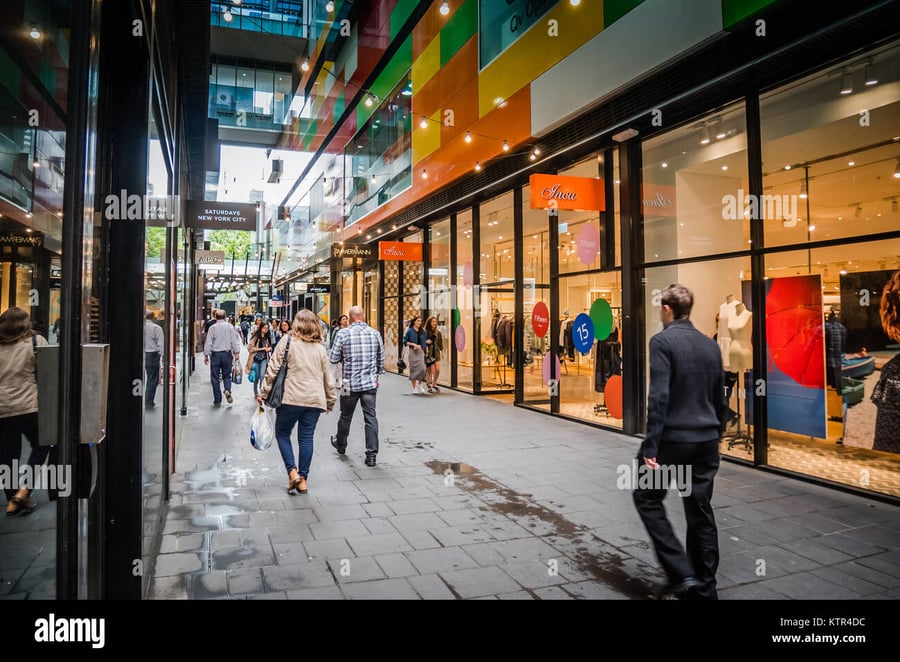
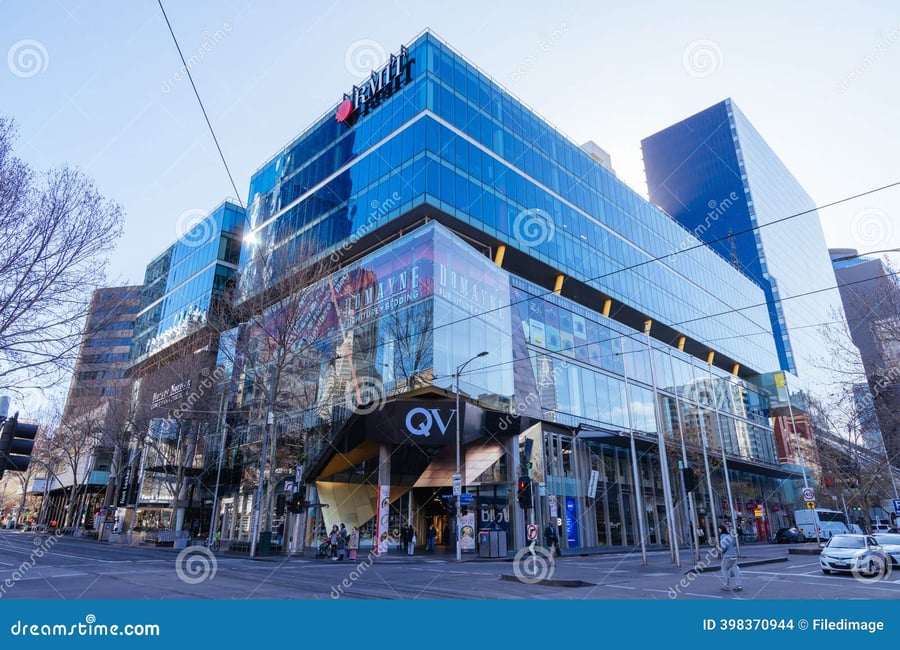
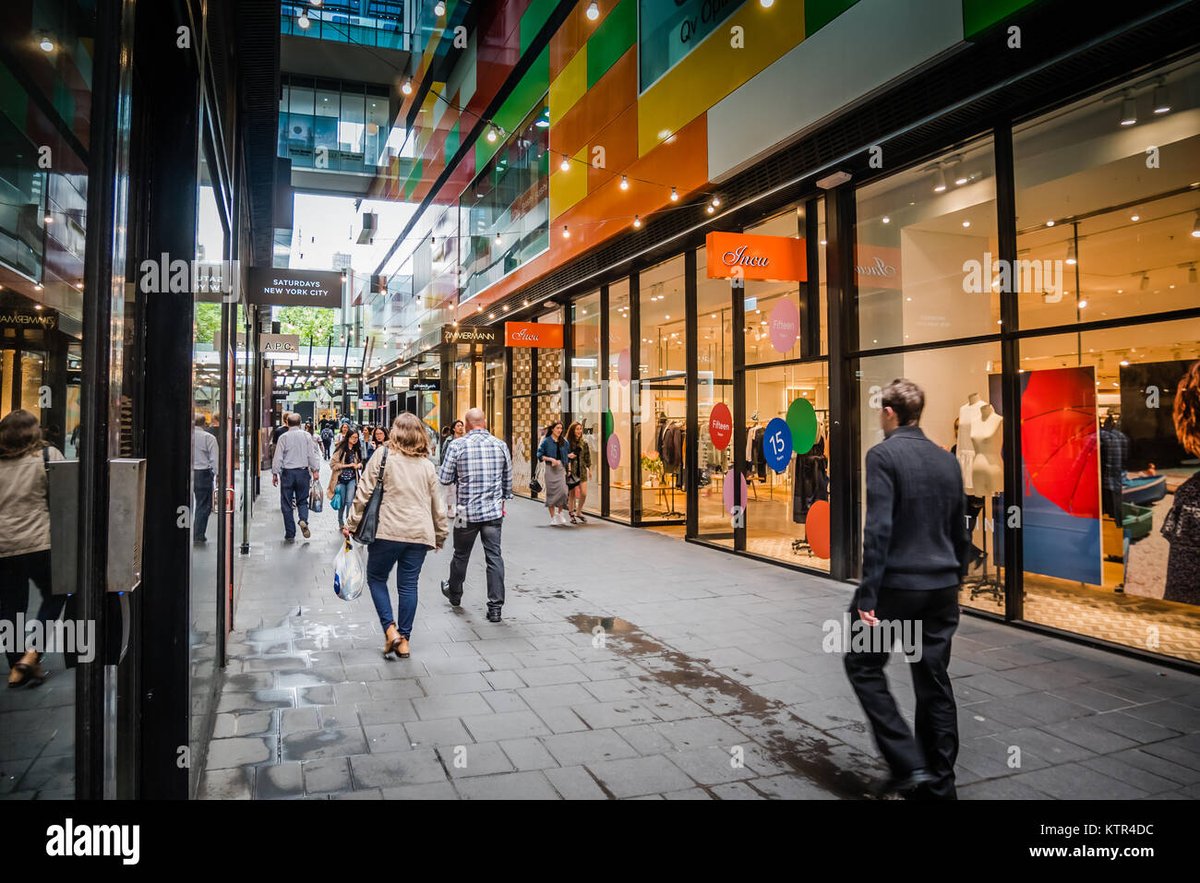
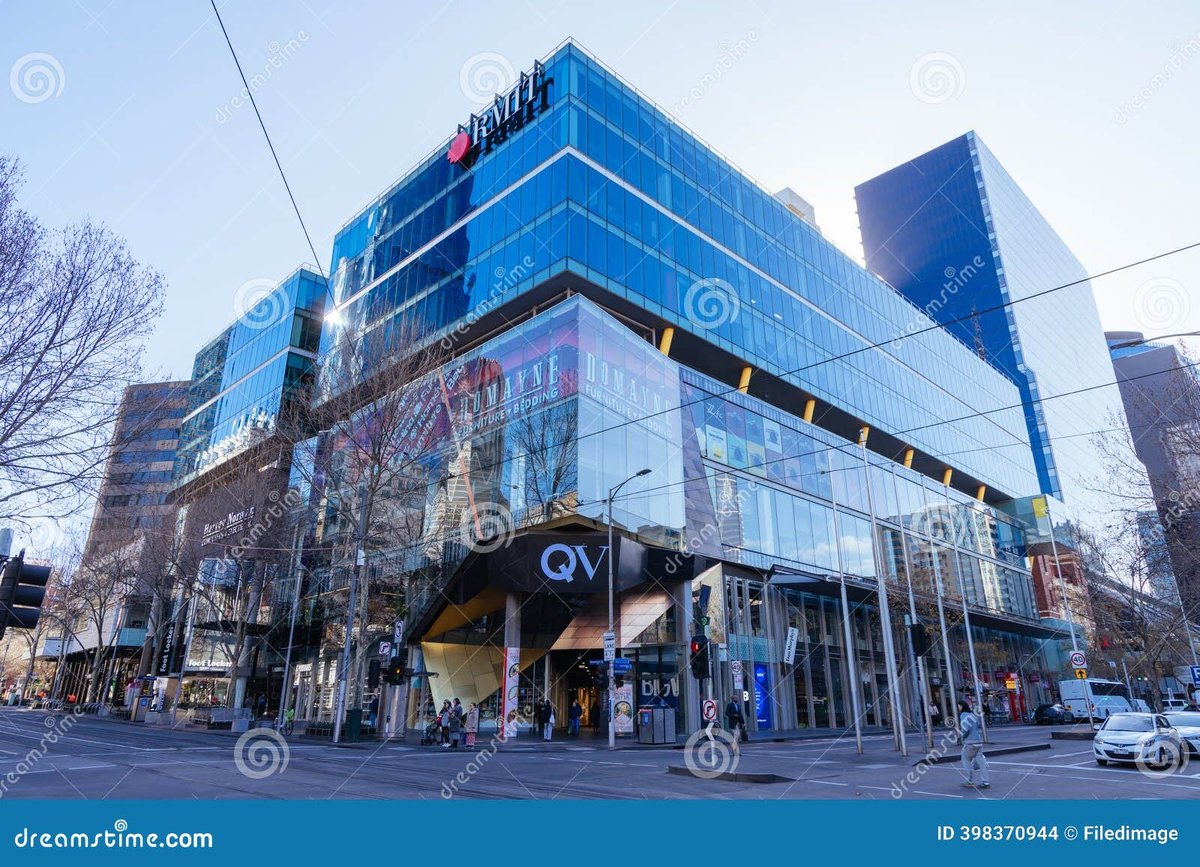
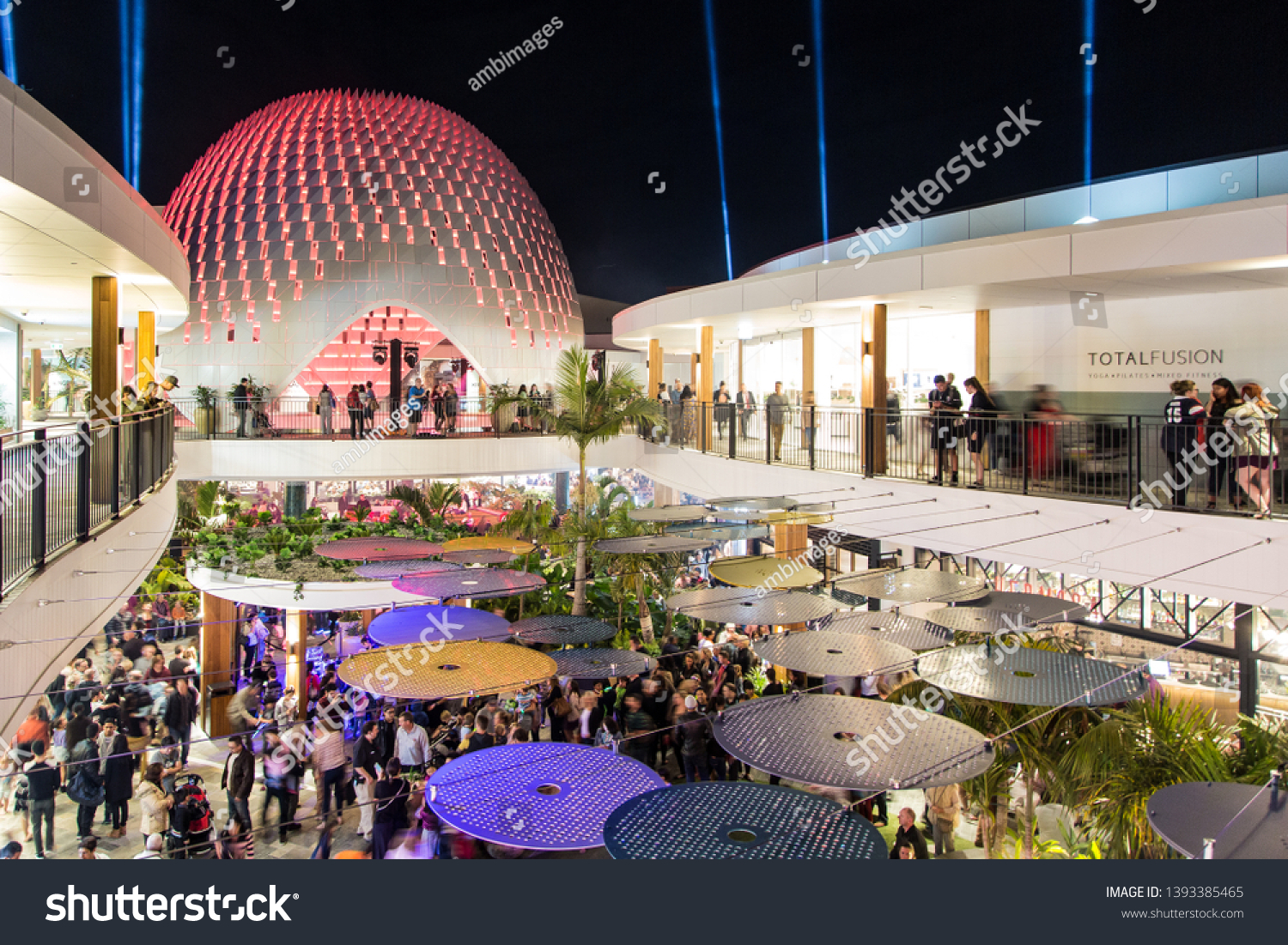
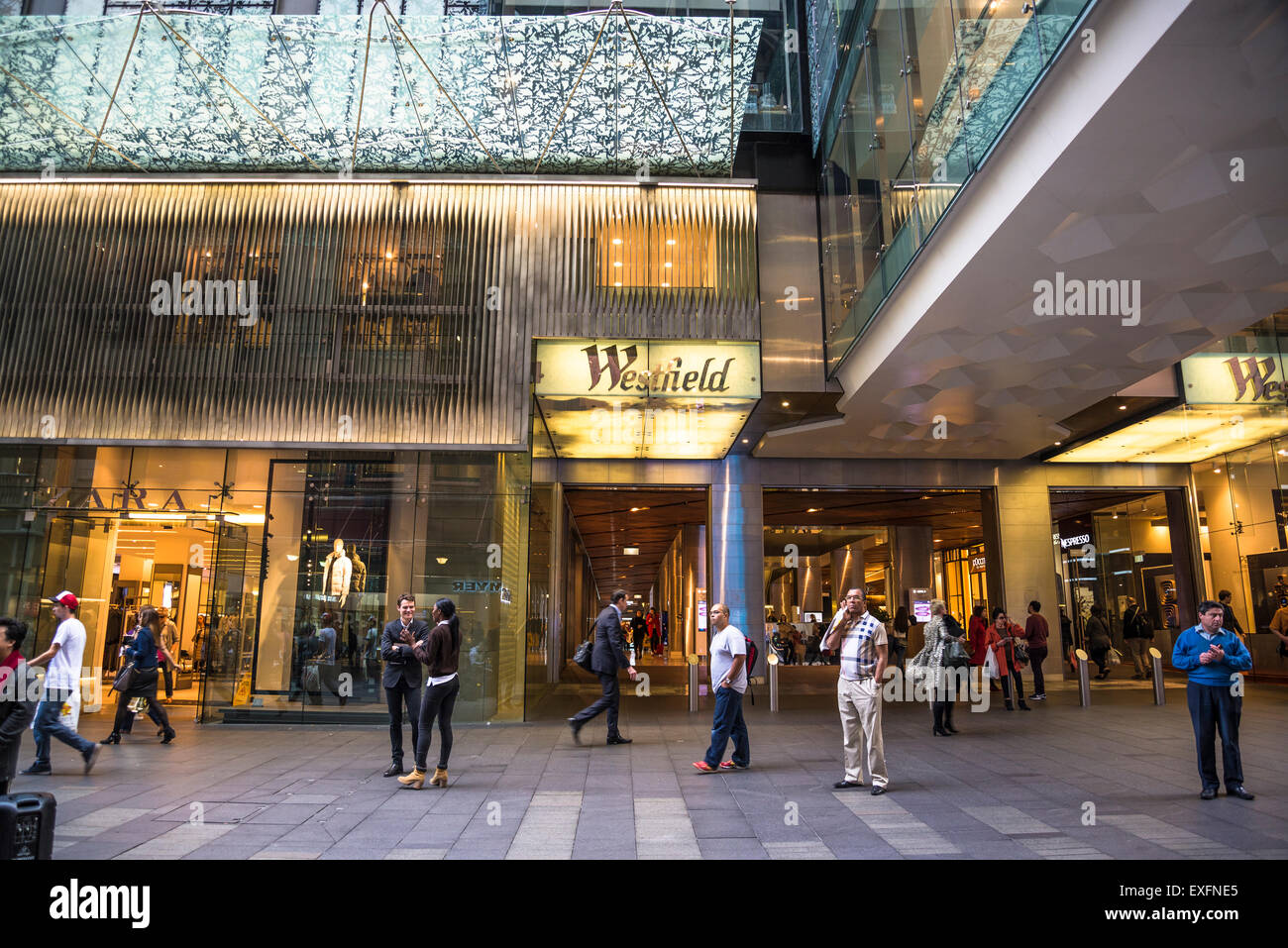
QV Melbourne is an urban retail precinct in the heart of Melbourne CBD, spanning a full city block bounded by Lonsdale, Little Lonsdale, Swanston, and Russell Streets, adjacent to the State Library of Victoria. Developed in the early 2000s on the former Queen Victoria Hospital site, it features an open-air design with interconnected laneways inspired by Melbourne's historic arcades, blending shopping, dining, and residential elements across four main buildings (QV1 to QV4), including high-rise apartments.
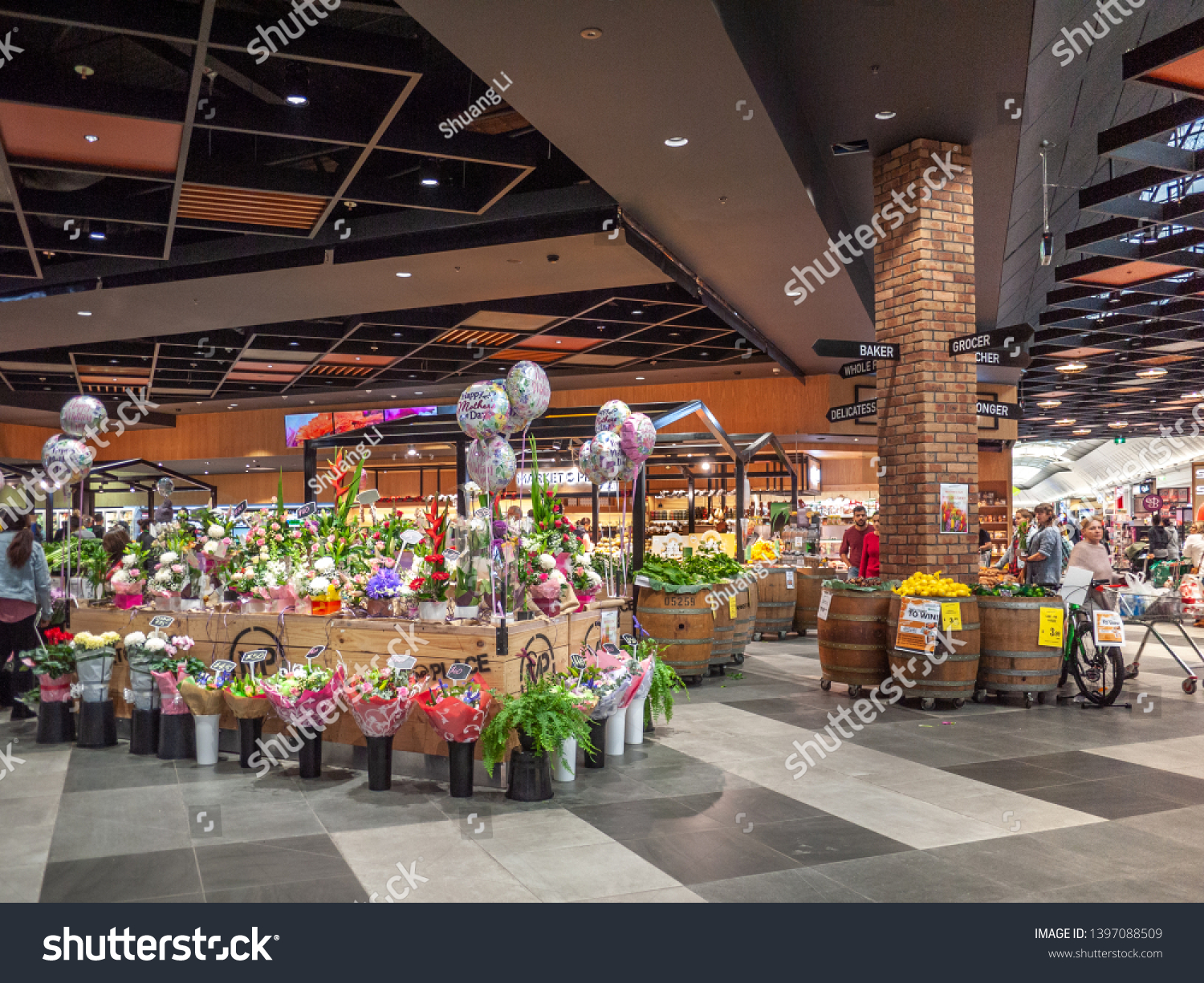
The gross leasable area (GLA) is approximately 30,000 square meters, accommodating over 120 specialty stores focused on fashion, beauty, lifestyle, and convenience retail, with a full-size supermarket as a key anchor providing everyday essentials.
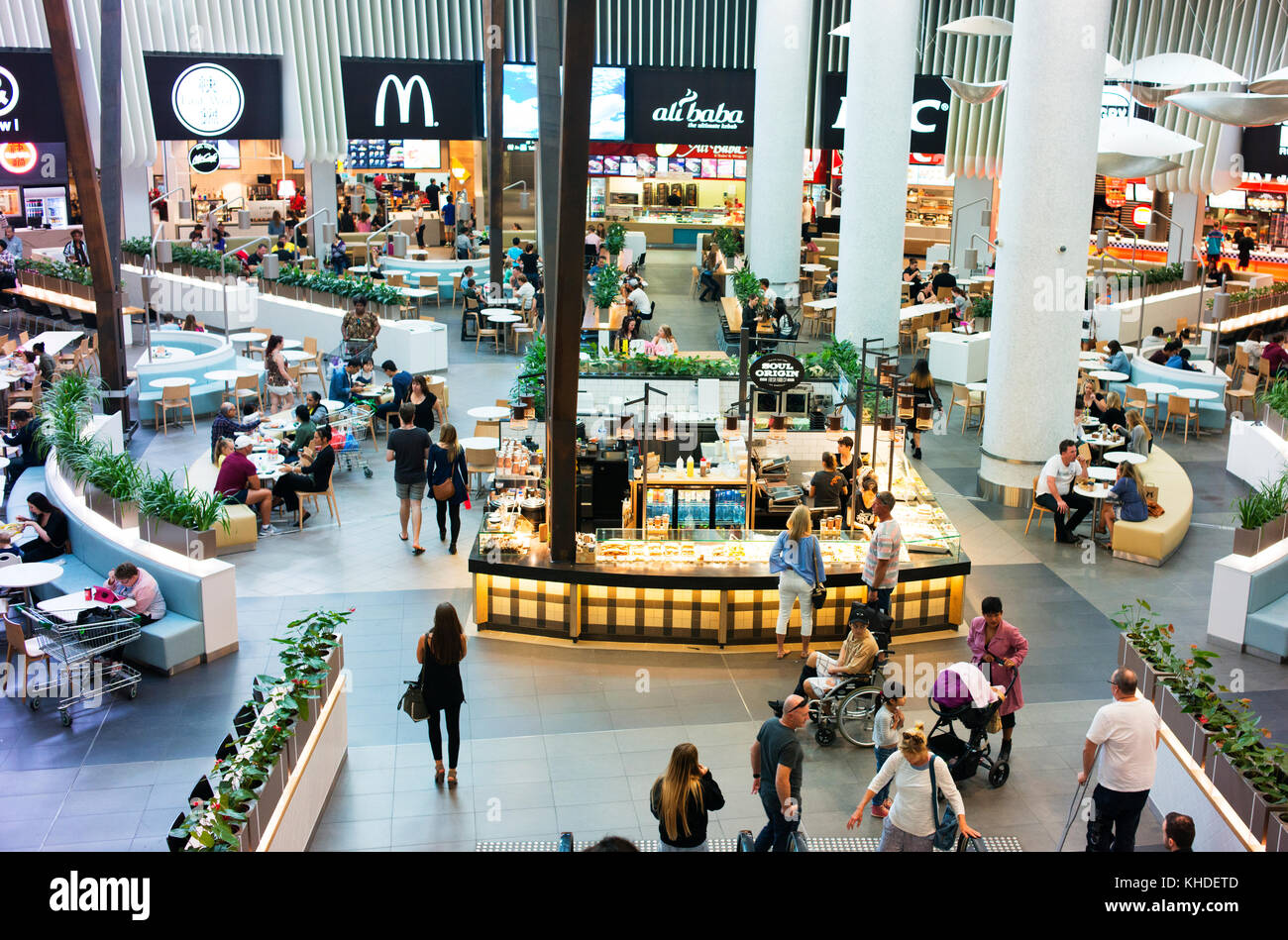
Tenant mix emphasizes diverse categories: fashion (global brands like Uniqlo and local boutiques), groceries (supermarket and specialty food), health and beauty (pharmacies and salons), home and tech (electronics and homewares), and services (banks, dry cleaners). Dining options span casual eateries, international cuisine, and a food hall, attracting food enthusiasts with laneway seating. Owned and operated by Vicinity Centres, a major Australian REIT, QV benefits from strong market positioning in a high-density CBD environment with 500,000 daily workers, 150,000 residents, and millions of annual visitors.
Footfall is robust, estimated at 10-15 million annual visits, driven by proximity to public transport (trams on Swanston Street, nearby Parliament railway station) and 1,500 undercover parking spaces open 24/7.
Occupancy rates hover around 95%, aligning with Melbourne CBD's low vacancy of 6.9% in mid-2025, supported by resilient retail sales growth of 8% year-on-year.
Rent levels average AUD 1,200-1,800 per square meter annually for prime spaces, with incentives like rent-free periods for new tenants.
Leasing advantages include flexible spaces from 50-500 sqm, strong co-tenancy with anchors ensuring traffic, and mixed-use synergy boosting dwell time. However, challenges include intense competition from nearby precincts like Emporium and Melbourne Central, potential footfall fluctuations from CBD events or economic shifts, and higher operational costs due to urban density. Market factors such as population growth and tourism recovery (12.96 million visitors in 2024) enhance performance, though saturation in fashion categories poses risks for niche retailers.
Interested in this property?
Choose how you'd like to proceed
Advertise at this property?
Reach high-intent shoppers across digital screens, atria, and experiential placements.
Hours of Operation
Hours
| Monday | 10:00 AM — 07:00 PM |
| Tuesday | 10:00 AM — 07:00 PM |
| Wednesday | 10:00 AM — 07:00 PM |
| Thursday | 10:00 AM — 07:00 PM |
| Friday | 10:00 AM — 09:00 PM |
| Saturday | 10:00 AM — 06:00 PM |
| Sunday | 10:00 AM — 05:00 PM |
Hours may vary on public holidays. Check with individual stores for specific holiday schedules.
Insights
Demographics and Catchment
QV Melbourne draws from a affluent, diverse CBD catchment including 500,000 daily workers in professional services, finance, and government; 150,000 residents (young professionals, students, empty-nesters) with median household income over AUD 2,500 weekly; and 13 million annual tourists focused on culture and shopping. Proximity to universities (RMIT, University of Melbourne) adds 100,000 students. High disposable income supports premium retail, but seasonal variations from student holidays and office hybrid work may reduce weekday footfall by 10-15%. Overall, the 1-2 km trade area population exceeds 200,000, with strong walkability scores enhancing accessibility for impulse buys.
Competition and Market Risks
Intense rivalry from adjacent assets like Emporium (luxury focus, 40,000 sqm GLA), Melbourne Central (department stores, high footfall), and Bourke Street Mall (street retail vibrancy) fragments market share, with CBD retail saturation in fashion and dining at 70% occupancy cost pressures. External risks include economic slowdowns impacting tourism (down 5% in weak quarters) and construction disruptions from nearby projects. Strengths lie in unique laneway ambiance differentiating from enclosed malls, but weaker categories like electronics face online competition, potentially increasing vacancy risks to 8-10% if rents exceed AUD 1,500 psm without incentives.
Lease Terms and Operational Quality
Leasing offers competitive terms with base rents of AUD 1,200-1,800 psm net, plus turnover rents (5-10% of sales over thresholds), and incentives like 3-6 months rent abatement for commitments over 3 years. Spaces suit mid-sized retailers (100-300 sqm), with strong operational quality from 24/7 security, efficient laneway maintenance, and integrated residential footfall adding 20% evening traffic. Drawbacks include aging infrastructure in lower levels requiring AUD 50,000+ fit-outs and high outgoings (AUD 200-250 psm) covering utilities and cleaning. Overall, balanced for established brands, but startups face access issues during peak events blocking loading zones.
Building Details
Detailed Market Analytics
City Snapshot
Melbourne, VIC
Comprehensive market intelligence for retail expansion in this city

Other Retail Destinations in Melbourne
Discover more shopping centers in Melbourne.
Popular in Australia
Top retail destinations across Australia.


Interested in this property?
Choose how you'd like to proceed
Advertise at this property?
Reach high-intent shoppers across digital screens, atria, and experiential placements.
City Snapshot
Melbourne, VIC
Comprehensive market intelligence for retail expansion in this city