



Brand Fit Snapshot
Best for:
Not ideal if:
Similar properties you might like:
Quick assessment - takes 30 seconds
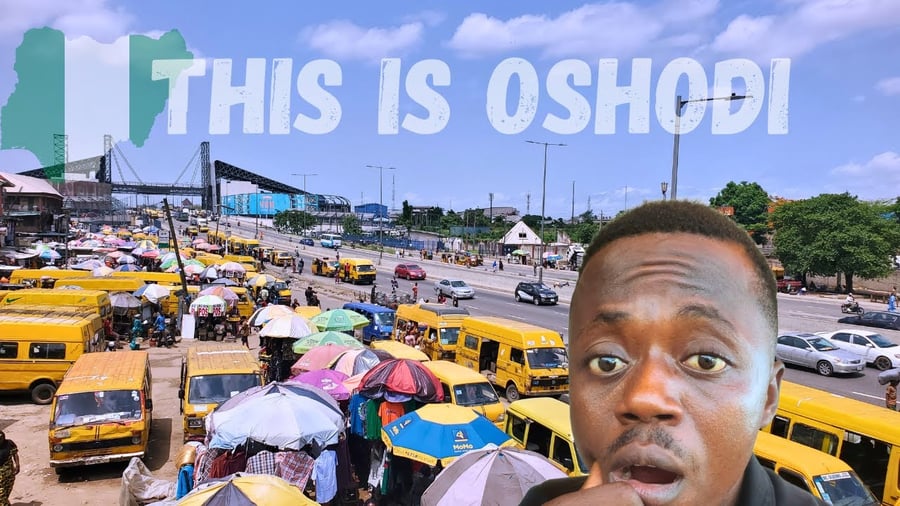
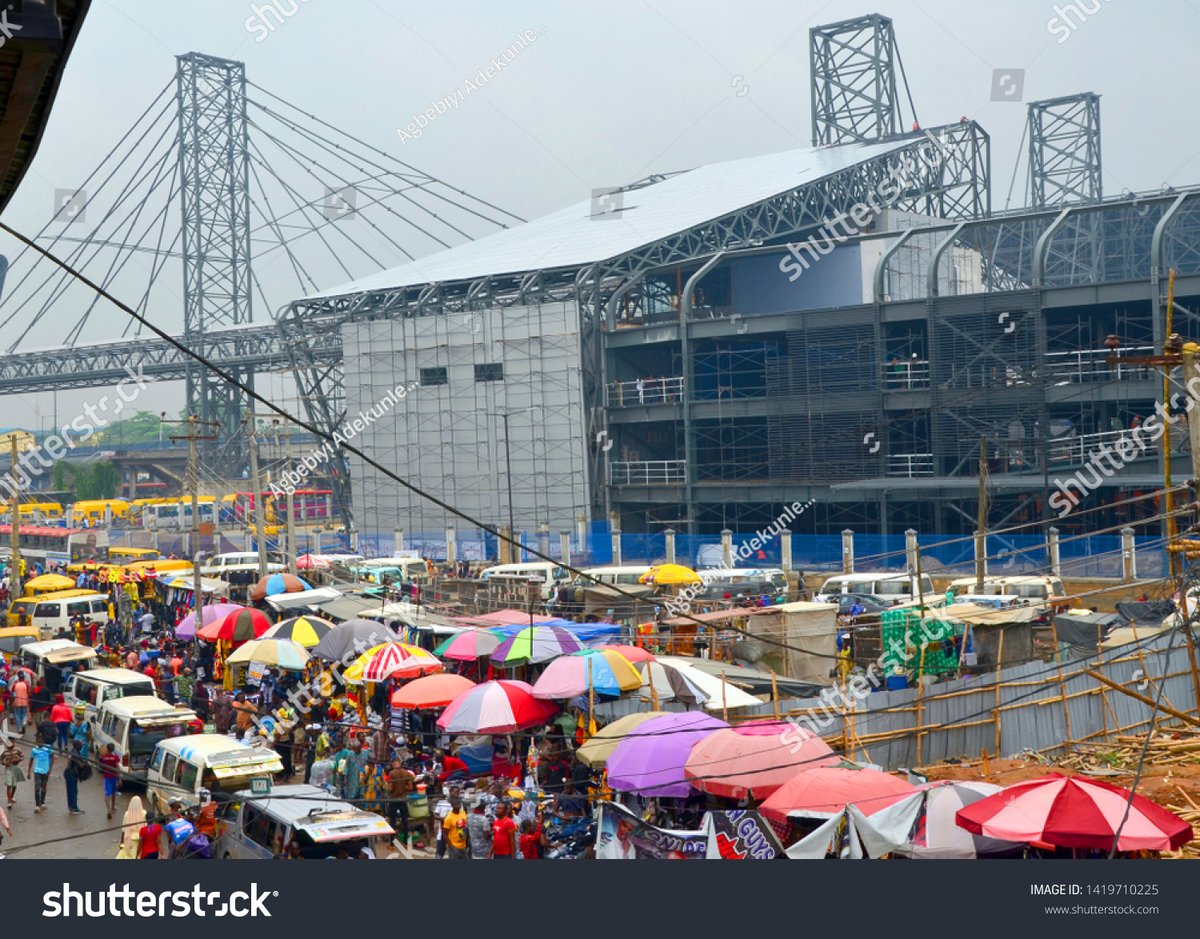
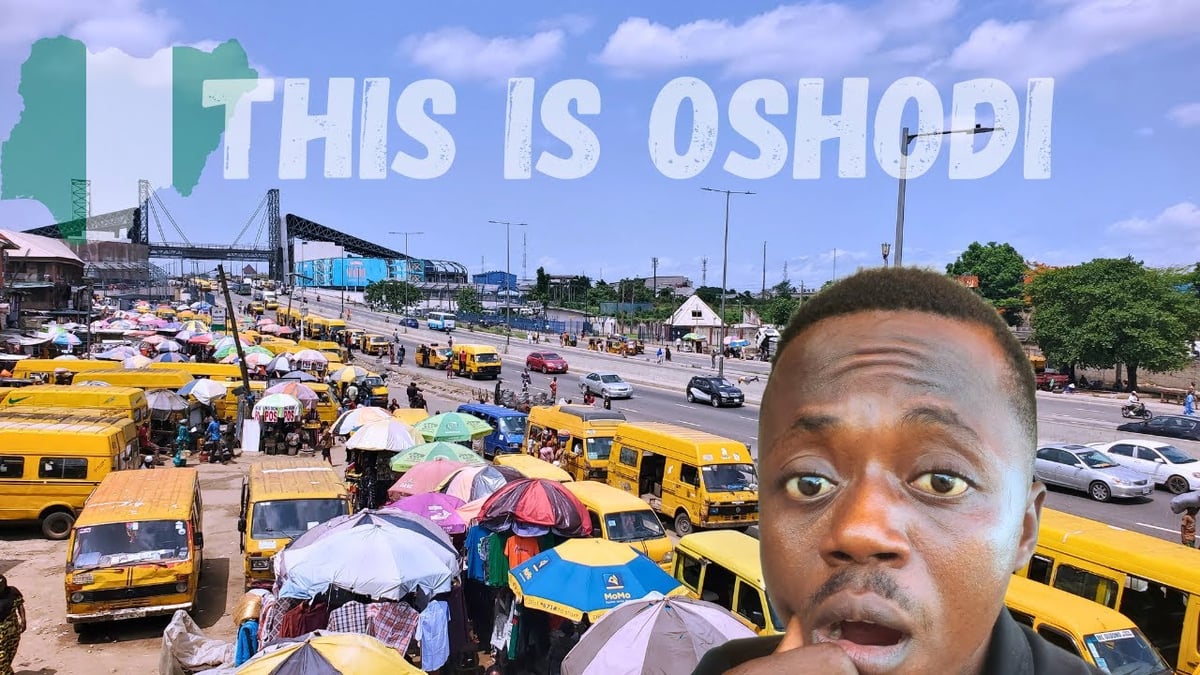
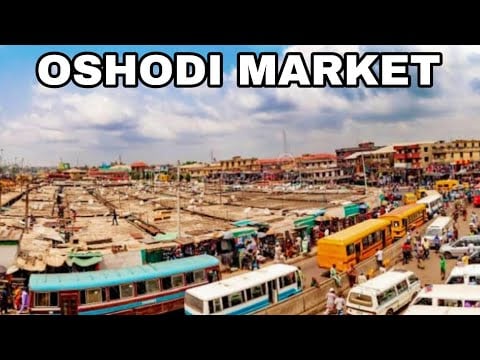
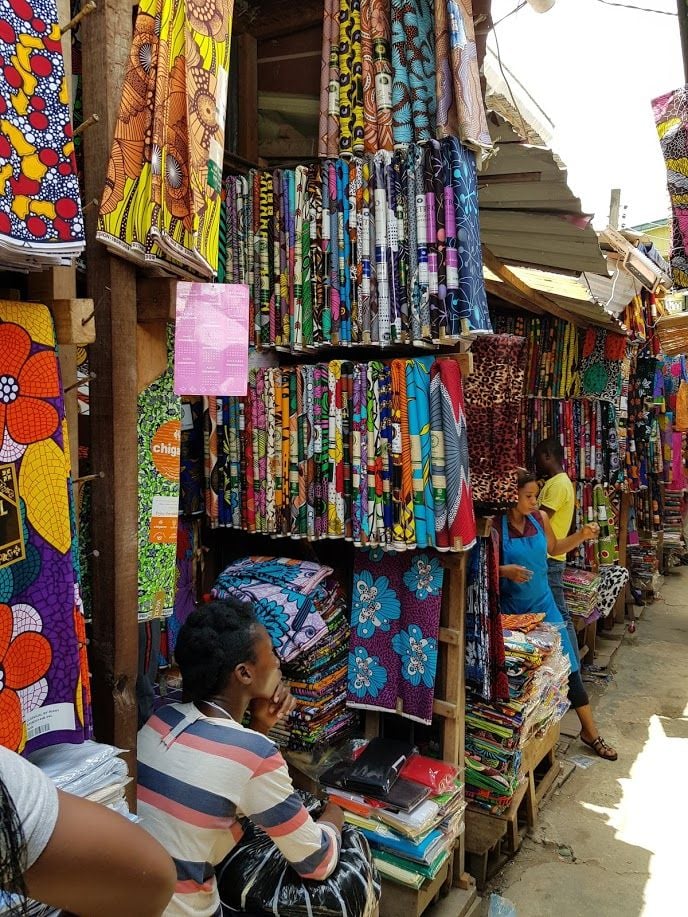
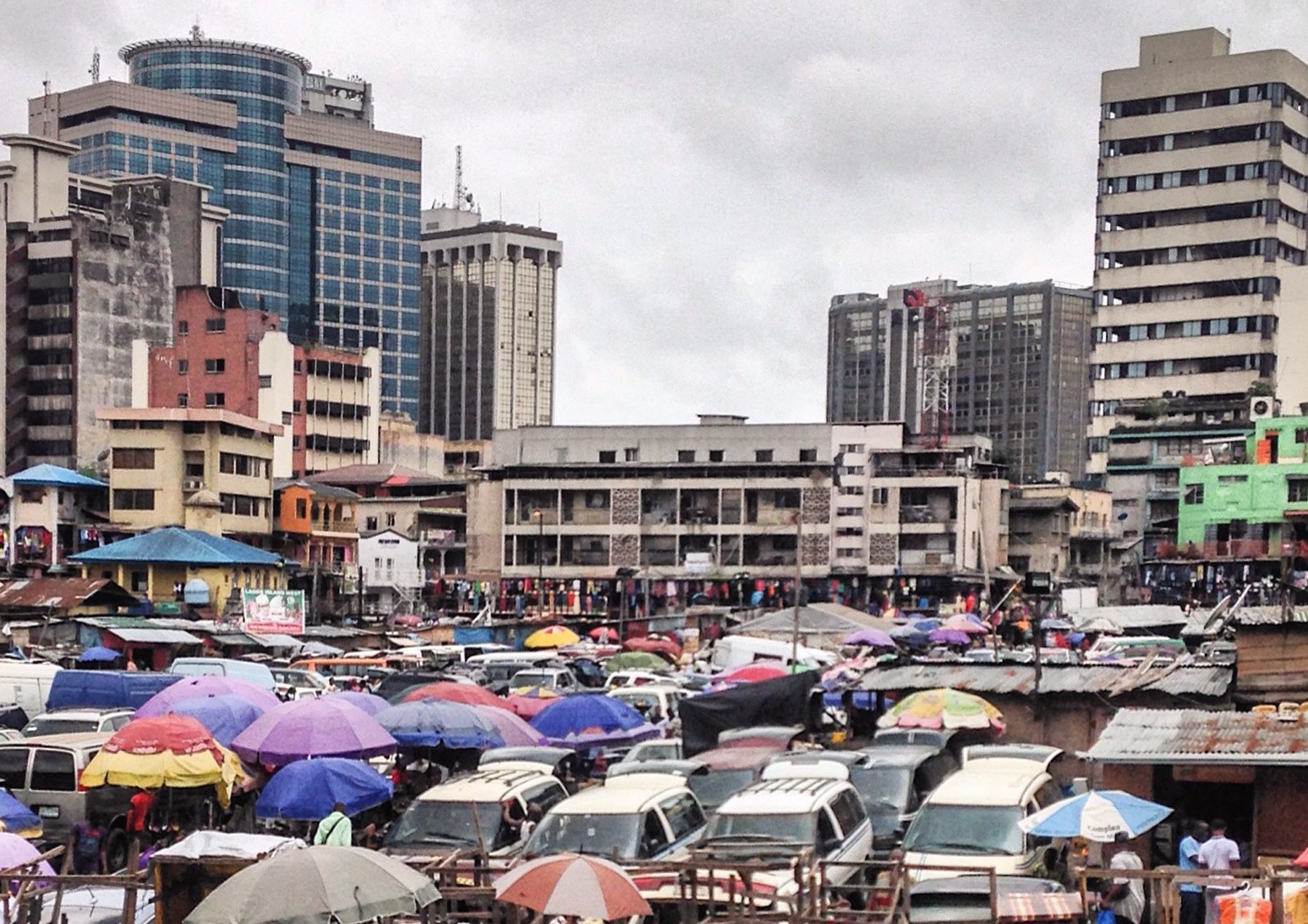
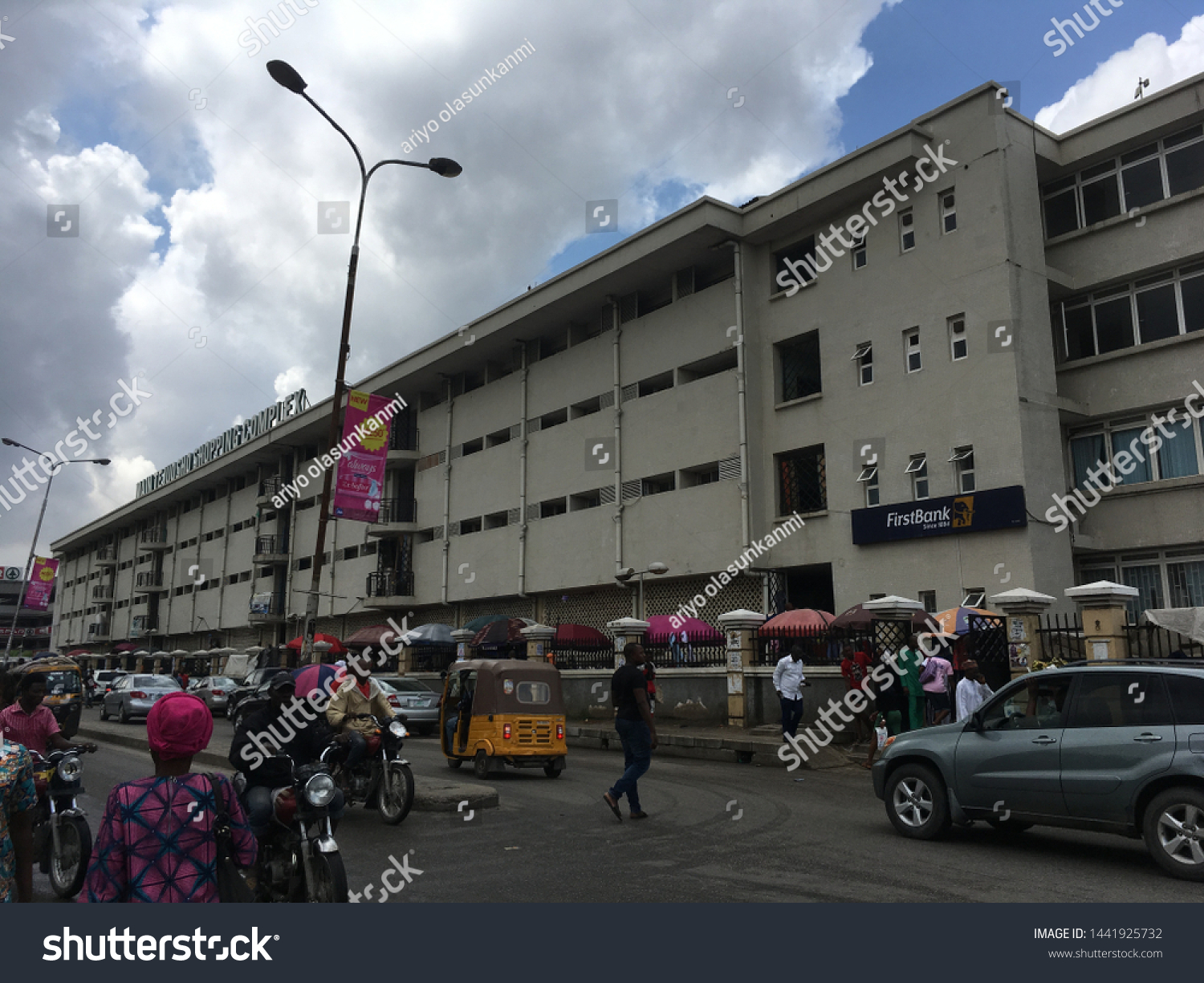
Oshodi Market Complex, located in the densely populated Oshodi-Isolo area of Lagos, Nigeria, serves as one of the city"s largest traditional open-air markets, spanning multiple sections for wholesale and retail trade. Established as a key commercial hub, it attracts daily footfall estimated at over 200,000 visitors, driven by its proximity to major transport nodes including the Oshodi Transport Interchange.
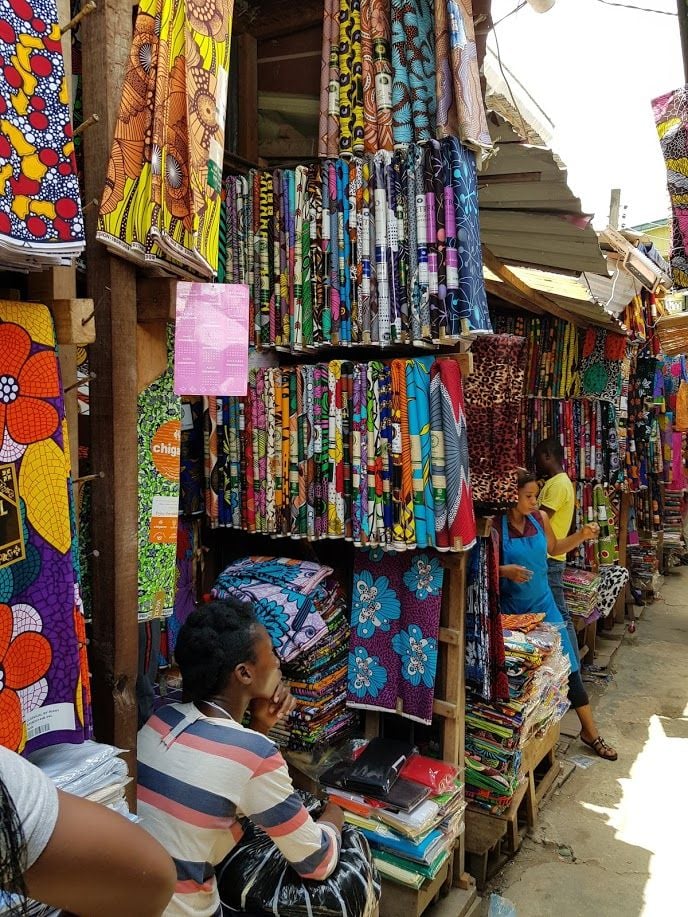
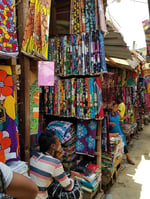
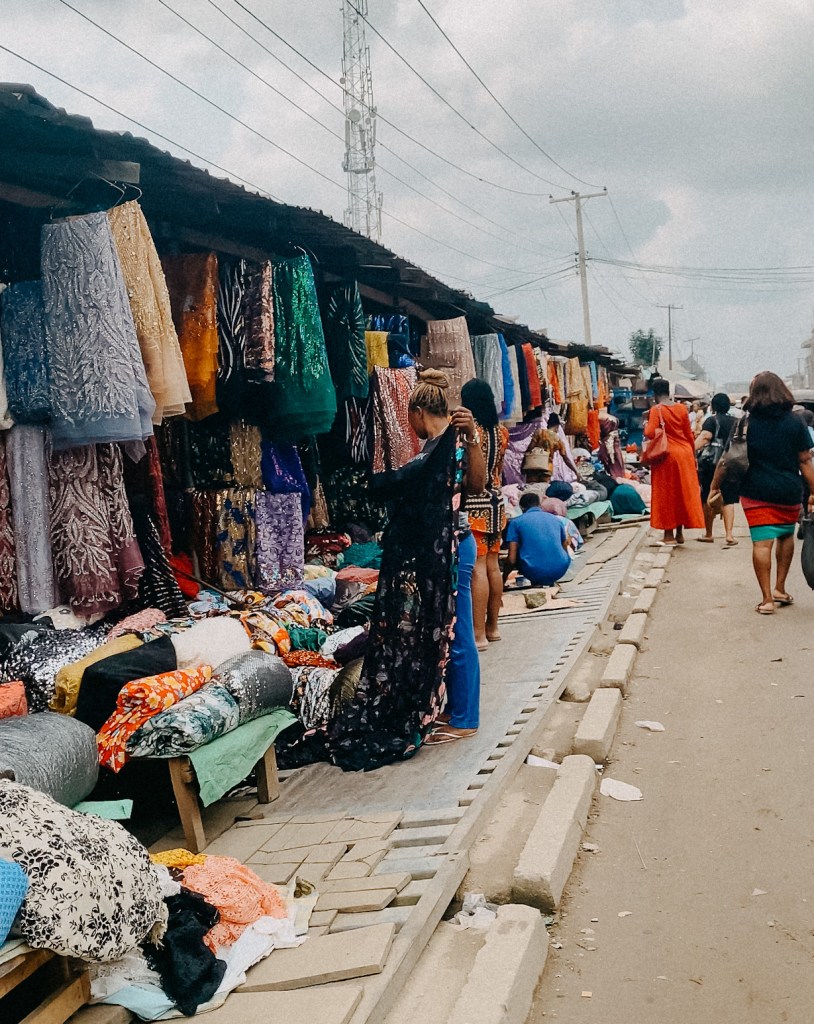
The tenant mix is diverse and informal, featuring thousands of stalls and shops selling textiles, electronics, foodstuffs, household goods, and auto parts, with a focus on affordable, everyday essentials catering to low- and middle-income consumers. Occupancy remains near full capacity, often exceeding 95%, due to high demand for trading spaces amid limited formal retail options in the vicinity.
Rent levels for stalls vary from NGN 50,000 to NGN 300,000 annually, depending on size and location, which is competitive compared to modern malls but subject to informal negotiations and periodic government relocations.
Market position is strong in wholesale distribution, benefiting from Lagos"s 20 million-plus population and regional trade links, yet it faces saturation in commodity categories.
Leasing advantages include low entry barriers for small retailers, robust bargaining power with customers, and integration with street vending that boosts visibility. However, operational quality is hampered by aging infrastructure, including poor sanitation and limited security, contributing to risks like theft and health hazards. Recent urban renewal efforts, such as the 2016-2020 Oshodi revitalization project, have improved some access points but displaced traders, highlighting ongoing instability.
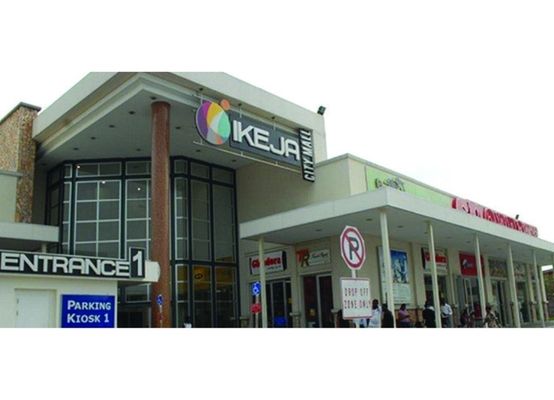
Overall, while offering high-volume sales potential for resilient tenants, the complex demands adaptability to regulatory changes and infrastructural shortcomings in a competitive Lagos retail landscape dominated by both traditional markets and emerging malls like Ikeja City Mall.
Interested in this property?
Choose how you'd like to proceed
Advertise at this property?
Reach high-intent shoppers across digital screens, atria, and experiential placements.
Hours of Operation
Hours
| Monday | 06:00 AM — 08:00 PM |
| Tuesday | 06:00 AM — 08:00 PM |
| Wednesday | 06:00 AM — 08:00 PM |
| Thursday | 06:00 AM — 08:00 PM |
| Friday | 06:00 AM — 08:00 PM |
| Saturday | 06:00 AM — 08:00 PM |
| Sunday | 06:00 AM — 08:00 PM |
Hours may vary on public holidays. Check with individual stores for specific holiday schedules.
Insights
Demographic Profile
The primary demographic at Oshodi Market Complex comprises low- to middle-income residents of Lagos, including traders, daily wage earners, and commuters from surrounding suburbs like Mushin and Agege. With Lagos"s population exceeding 20 million and Oshodi-Isolo"s density at over 10,000 persons per square kilometer, the market draws a young, urban workforce aged 18-45, predominantly from Yoruba ethnic groups but diverse due to migration. Household incomes average NGN 100,000-300,000 monthly, favoring budget-oriented purchases in food, clothing, and small electronics. This profile supports high repeat visits but limits premium product viability, with 70% of sales in essentials per local trade reports. Gender balance leans toward female vendors in food sections, enhancing community ties but exposing operations to seasonal income fluctuations tied to economic pressures like inflation rates above 20%.
Accessibility and Footfall
Oshodi Market Complex benefits from excellent connectivity via the Lagos rail line, BRT buses, and the upgraded Oshodi Interchange, facilitating access for over 200,000 daily visitors and positioning it as a transit-oriented retail node. Footfall peaks during weekdays at 150,000-250,000, supported by its role in regional supply chains, though traffic congestion reduces efficiency, with average travel times extended by 30-50% during rush hours. Public transport integration drives 80% of arrivals, but pedestrian pathways are overcrowded, impacting shopper experience. Compared to nearby malls, accessibility scores high for volume but low for convenience, with parking limited to informal lots charging NGN 200-500 per hour. Infrastructure upgrades post-2020 have mitigated some bottlenecks, yet ongoing roadworks pose temporary disruptions, influencing peak-hour occupancy and sales metrics.
Challenges and Risks
Key challenges at Oshodi Market Complex include chronic infrastructure deficits, such as inadequate drainage leading to flooding during rainy seasons, and security issues like pickpocketing amid high crowd density, as noted in urban development reports. Competition from nearby markets like Alaba International and modern retail centers erodes market share in electronics and fashion, with saturation in wholesale textiles contributing to price volatility. Government interventions, including periodic evictions for urban renewal, have displaced up to 20% of traders since 2016, creating leasing instability and higher relocation costs. Operational risks encompass poor waste management, elevating health concerns, and informal rent structures prone to disputes. Economic factors like naira devaluation amplify import-dependent category vulnerabilities, with overall vacancy risks low but turnover high at 15-20% annually due to these pressures.
Building Details
Detailed Market Analytics
City Snapshot
Lagos
Comprehensive market intelligence for retail expansion in this city

Other Retail Destinations in Lagos
Discover more shopping centers in Lagos.
Popular in Nigeria
Top retail destinations across Nigeria.
Interested in this property?
Choose how you'd like to proceed
Advertise at this property?
Reach high-intent shoppers across digital screens, atria, and experiential placements.
City Snapshot
Lagos
Comprehensive market intelligence for retail expansion in this city