


Brand Fit Snapshot
Best for:
Not ideal if:
Similar properties you might like:
Quick assessment - takes 30 seconds
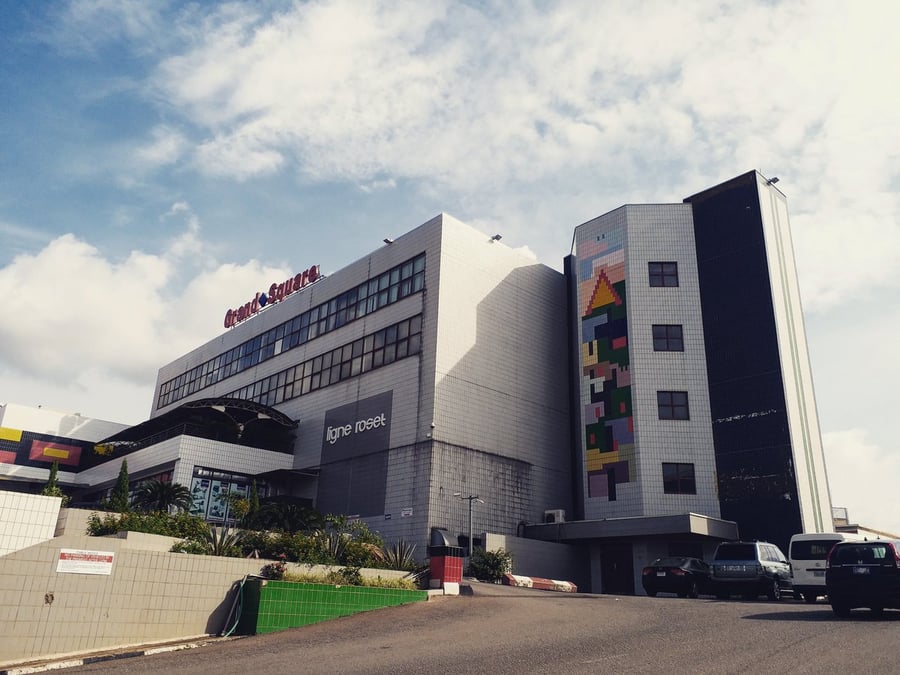
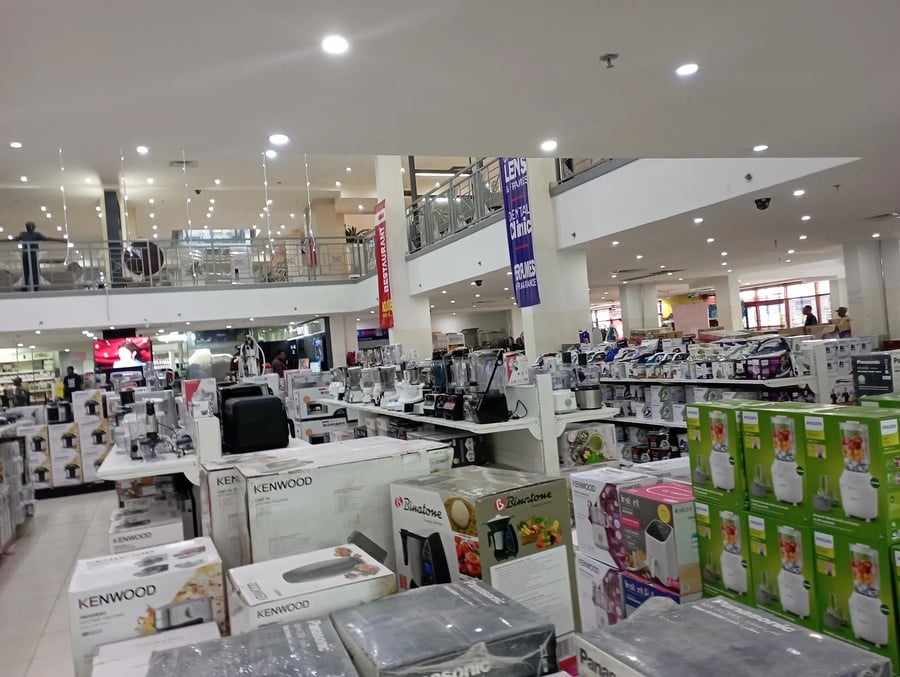
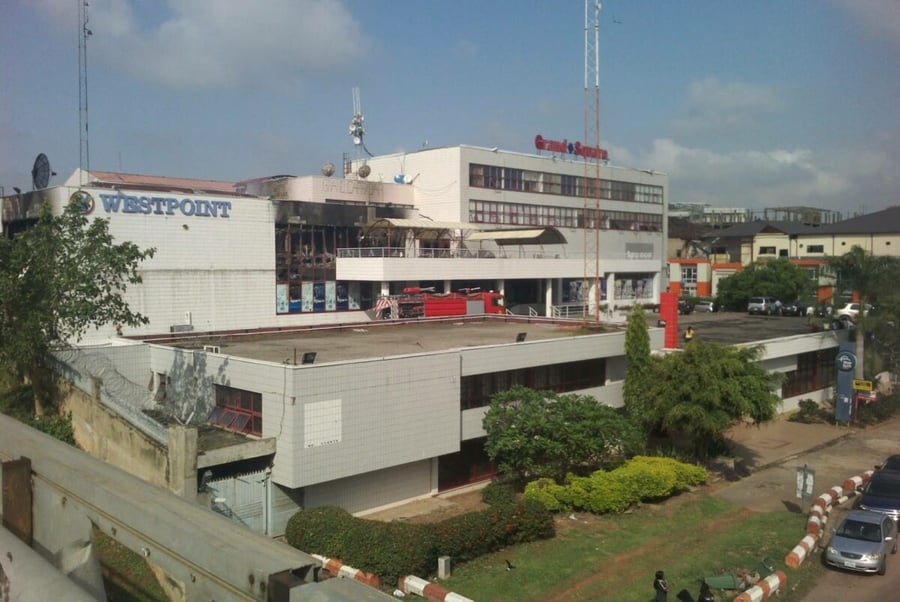
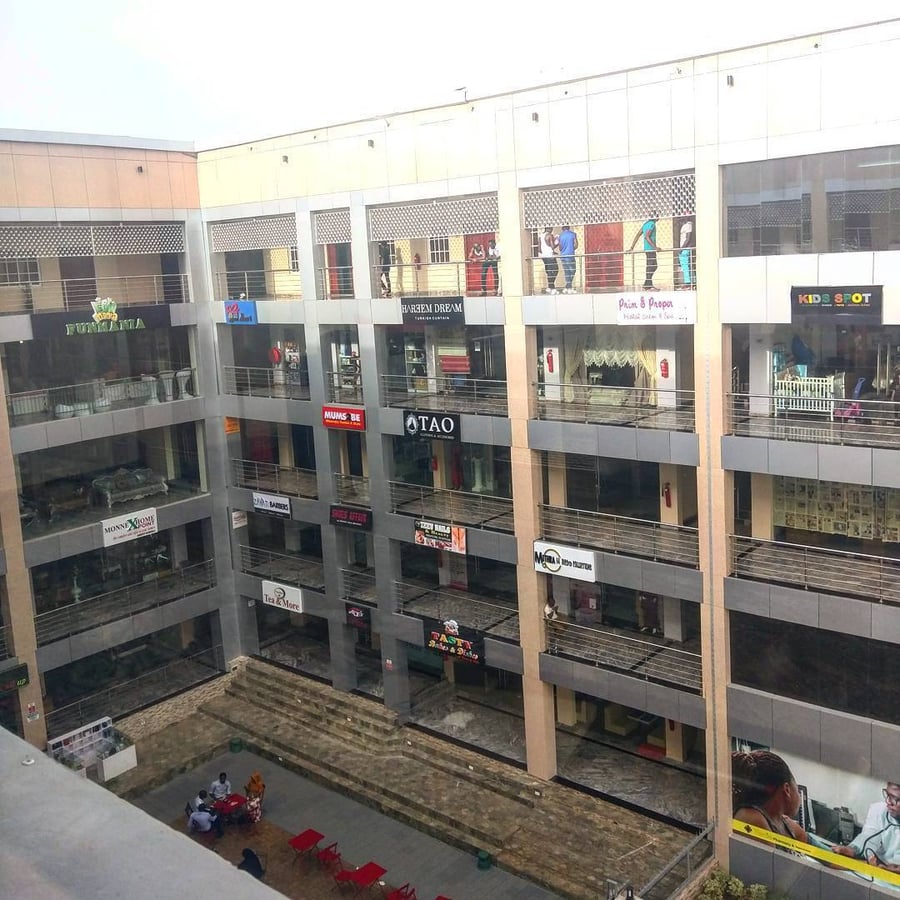
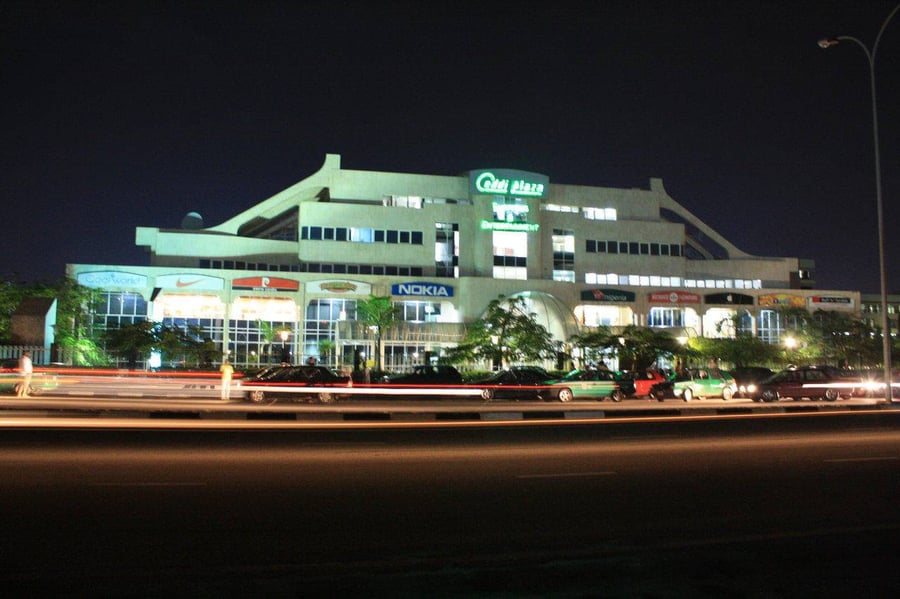
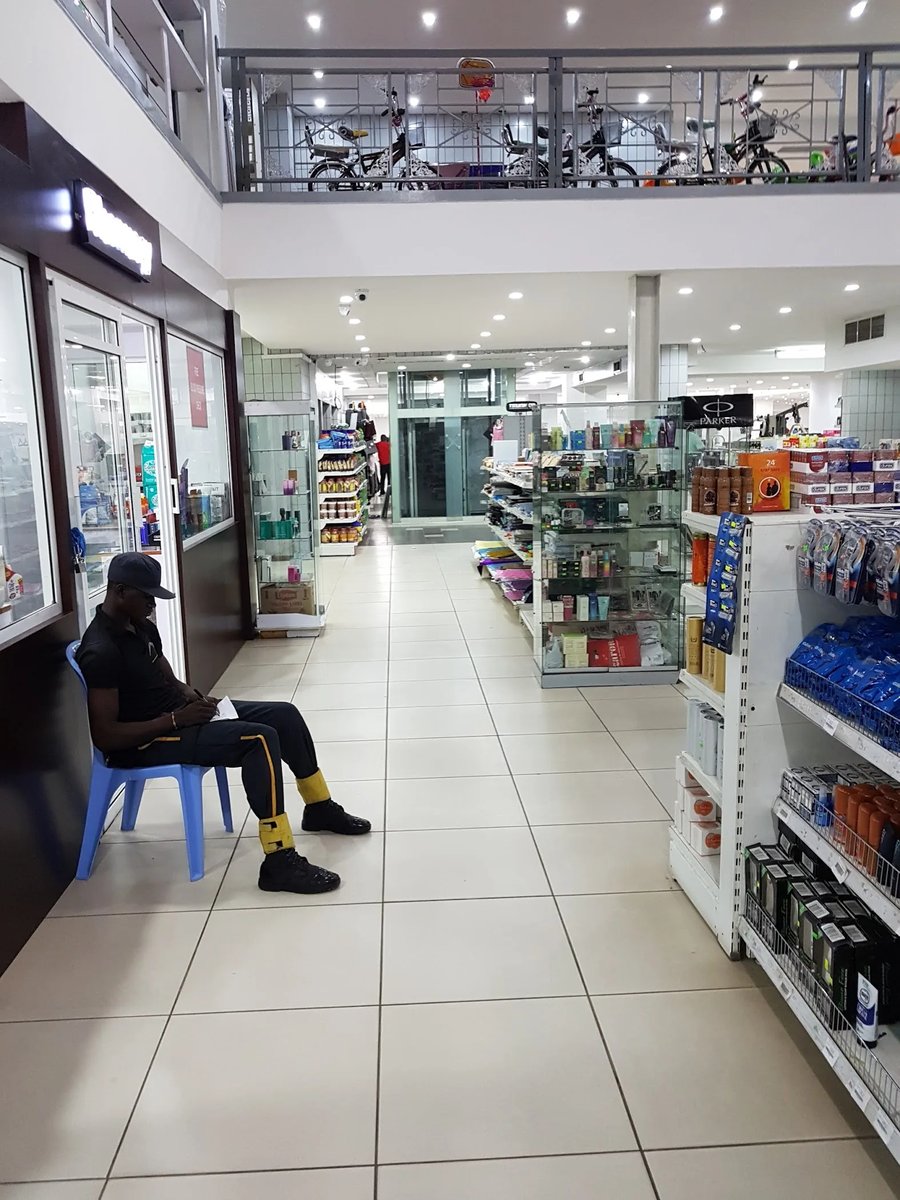
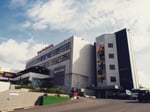
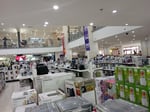
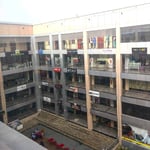
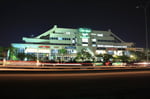
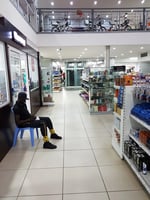
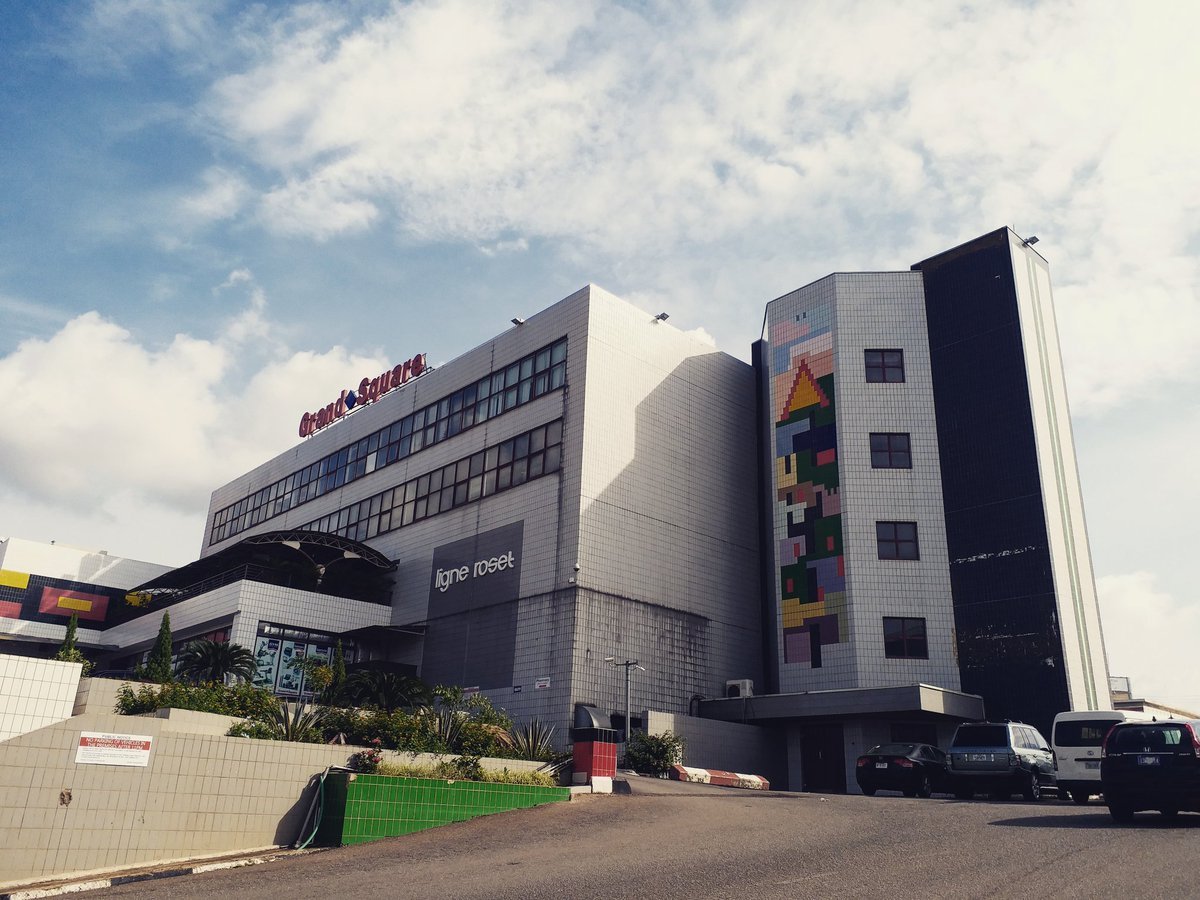
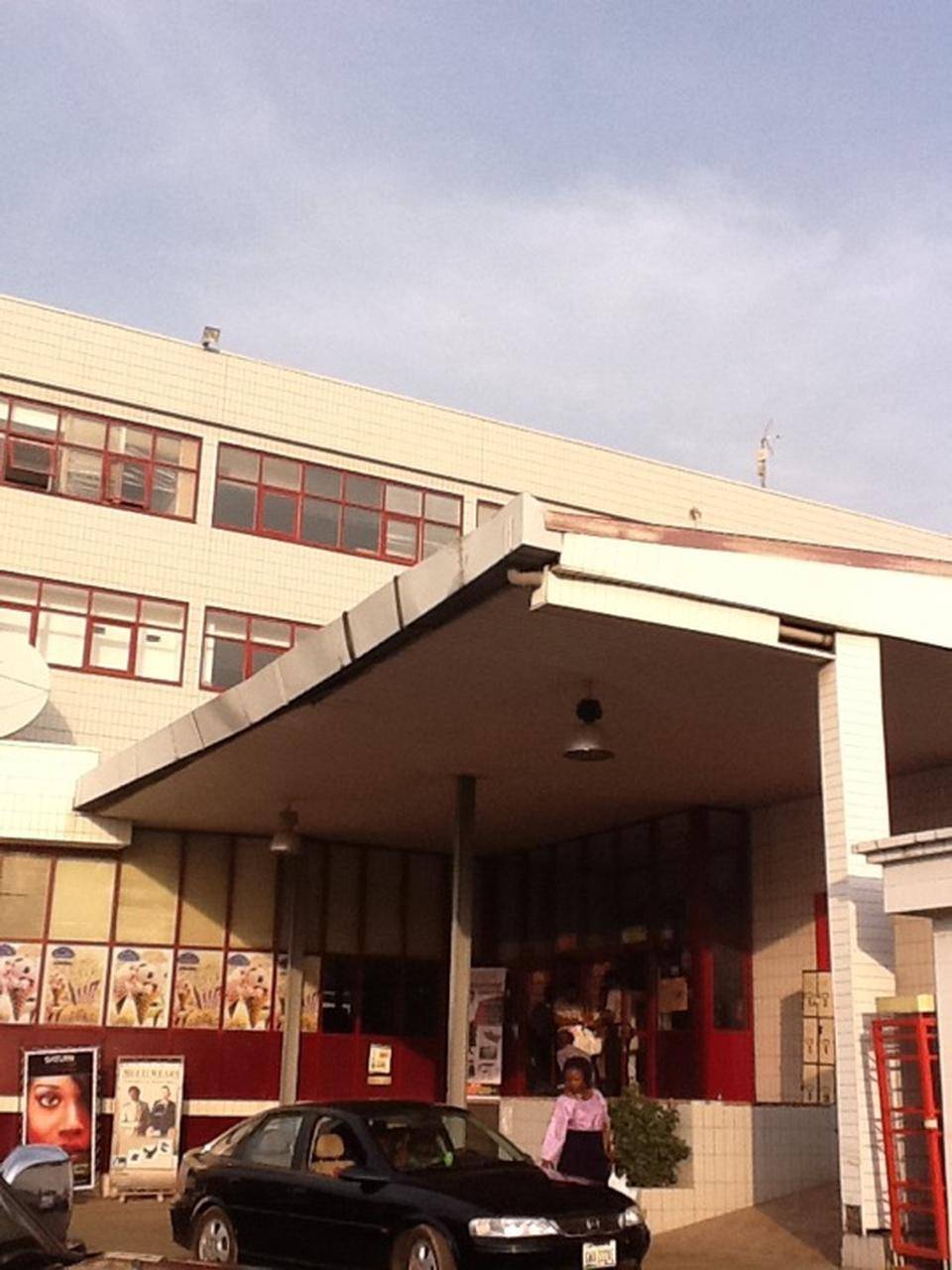
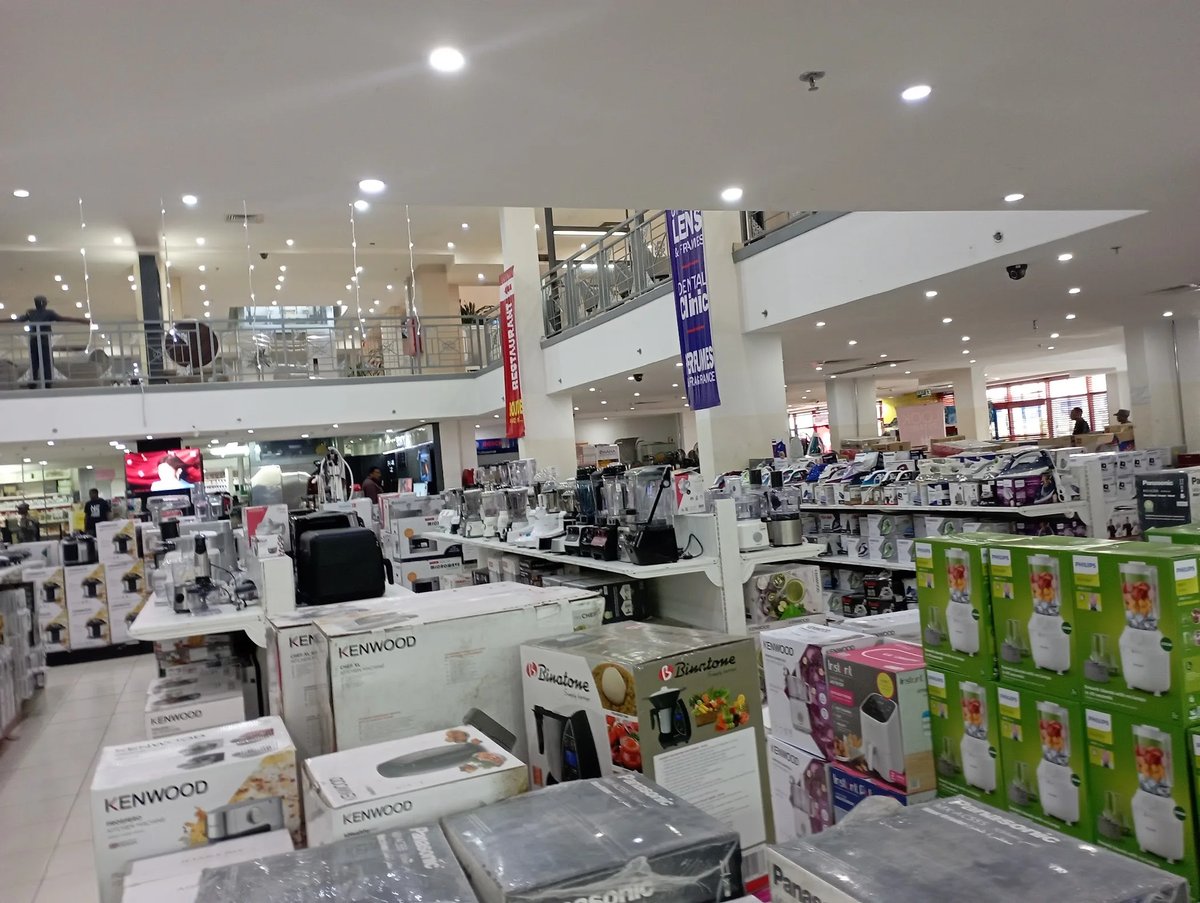
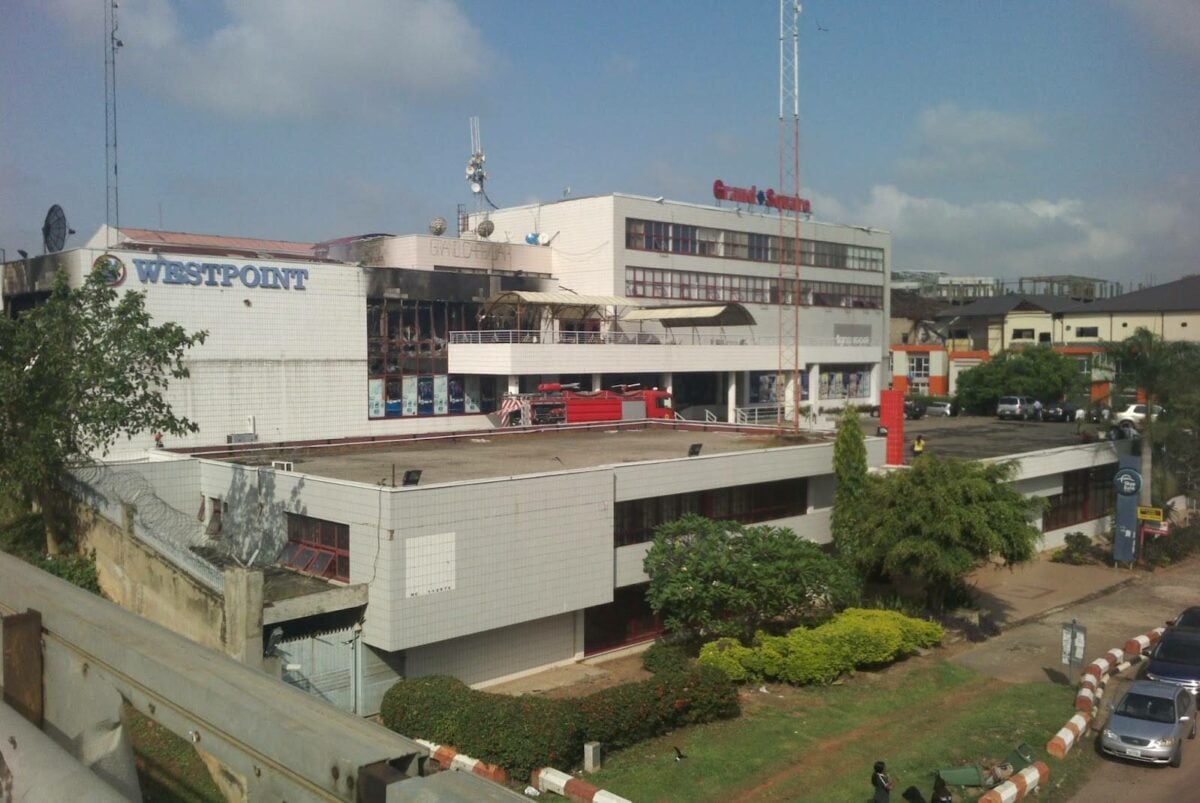
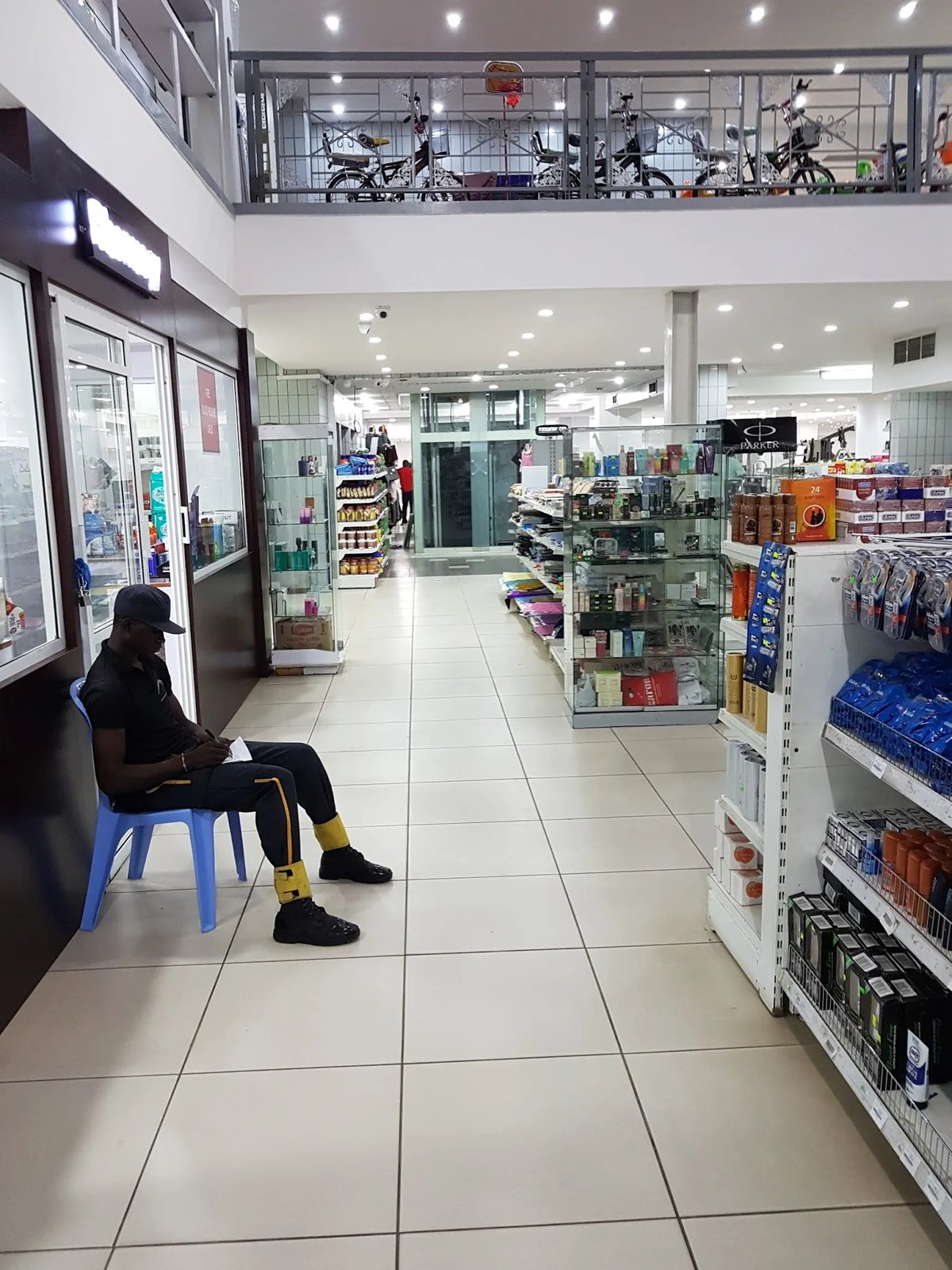
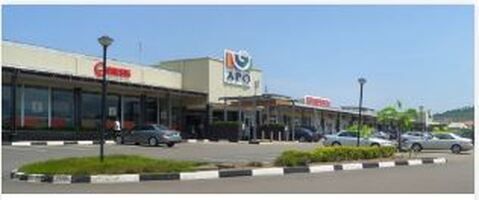
Grand Square Abuja is a neighbourhood shopping centre located at 270 Mohammadu Buhari Way in central Abuja, Nigeria, with a gross leasable area of 8,000 square meters, constructed in 2005 and owned by Grand Products Company Ltd. The anchor tenant is Grand Square Supermarket, emphasizing groceries, household items, and basic retail needs, supplemented by limited dining and home decor options. Average monthly footfall stands at 8,333 visitors, with motivations split as 40% for shopping, 35% for dining, and 25% for home decor, reflecting a convenience-driven catchment.
In Abuja's retail market, which has seen steady growth with prime occupancy rates of 80-85% per 2024 Knight Frank Africa Report, Grand Square occupies a secondary position amid competition from larger venues like Jabi Lake Mall (GLA 35,000 sqm, footfall over 500,000 monthly) and informal markets in Wuse district. The city's demographic profile features over 3 million residents, including middle-income civil servants, expatriates, and young professionals (median age 25-30), supporting stable demand but challenged by economic pressures like inflation and naira volatility.
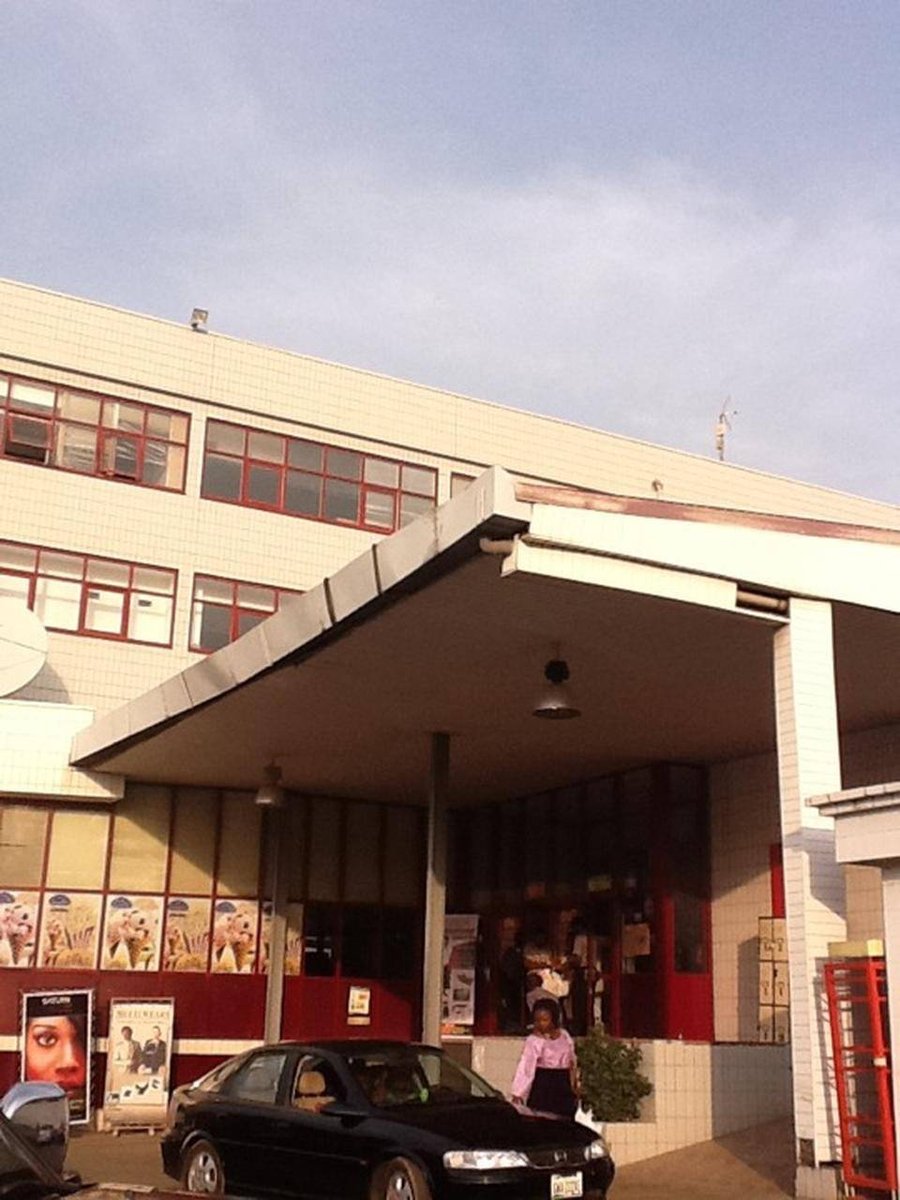
Accessibility benefits from 200 on-site parking spaces and proximity to government offices and residential areas, though heavy traffic on major arteries like Apo Road can hinder access.
Rent levels in similar secondary centres average NGN 10,000-15,000 per sqm annually, offering more negotiable terms than prime locations (NGN 20,000+).
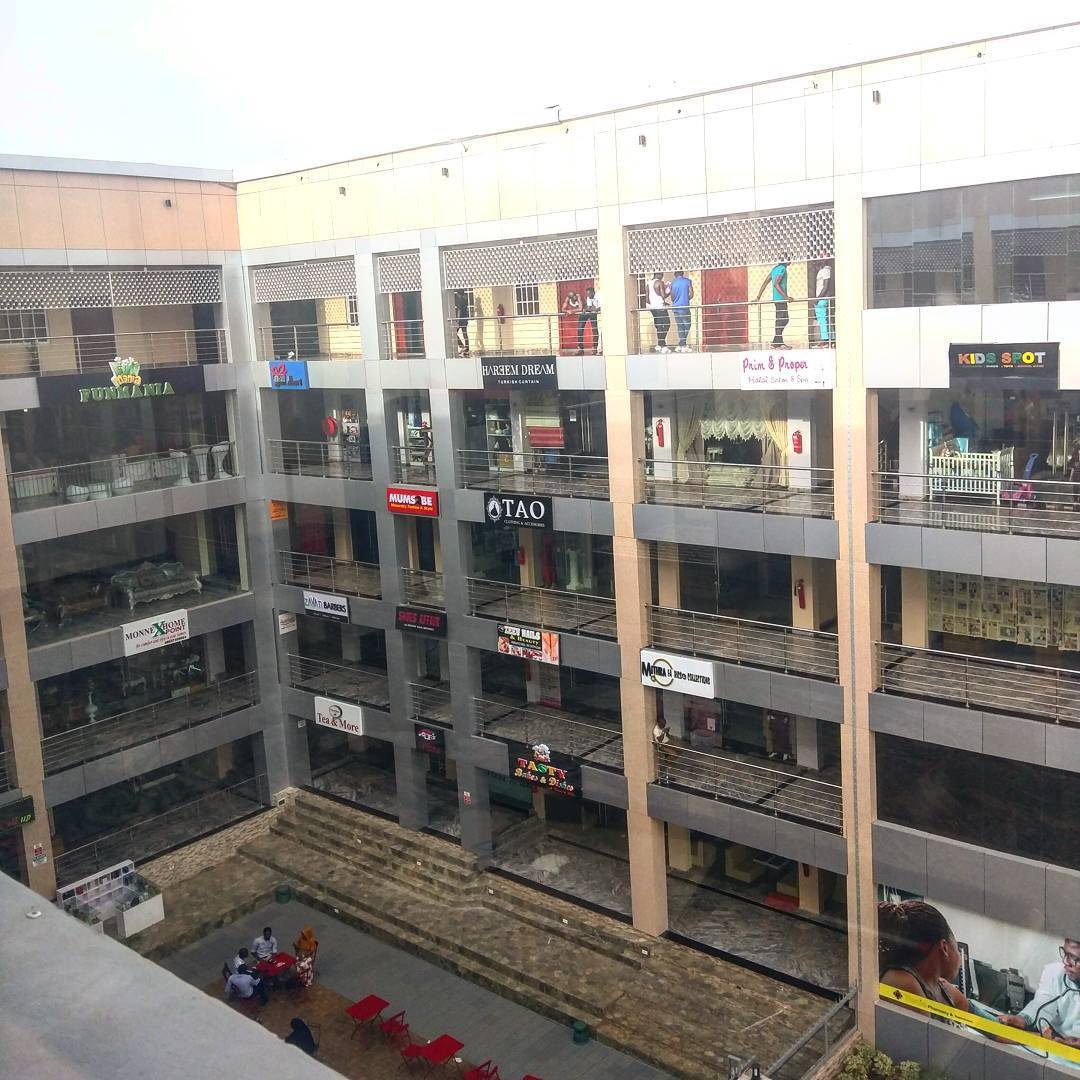
Tenant mix is supermarket-dominant with opportunities for fashion, health, and family entertainment additions, as shopper feedback highlights demand for trendy clothing, sustainable brands, diverse international cuisine, and child-friendly zones.
Leasing advantages include lower entry barriers, targeted local traffic, and resilience in essential goods sales, but drawbacks encompass aging infrastructure requiring maintenance, limited draw for leisure spending, and risks from e-commerce growth (projected 29 billion USD market by 2025) and category saturation in groceries.
Operational quality is functional yet dated, with potential for upgrades to boost occupancy and performance in a market recovering post-COVID with positive footfall trends.
Interested in this property?
Choose how you'd like to proceed
Advertise at this property?
Reach high-intent shoppers across digital screens, atria, and experiential placements.
Hours of Operation
Hours
| Monday | 08:30 AM — 08:00 PM |
| Tuesday | 08:30 AM — 08:00 PM |
| Wednesday | 08:30 AM — 08:00 PM |
| Thursday | 08:30 AM — 08:00 PM |
| Friday | 08:30 AM — 08:00 PM |
| Saturday | 08:30 AM — 08:00 PM |
| Sunday | 09:00 AM — 07:00 PM |
Hours may vary on public holidays. Check with individual stores for specific holiday schedules.
Insights
Demographics and Footfall
Abuja's population exceeds 3 million, dominated by middle-class government employees, diplomats, and young families with household incomes averaging NGN 500,000-1,000,000 monthly. Grand Square draws from a 5-10 km radius in the Central Business District, appealing to convenience shoppers. Monthly footfall of 8,333 equates to roughly 278 daily visitors, lower than prime malls but steady for neighbourhood format. Visitor profile skews towards essential purchases, with 40% shopping intent, though economic factors like 25% inflation in 2024 curb discretionary spending, posing risks to non-grocery categories.
Competitive Landscape and Tenant Mix
Abuja hosts over 20 retail centres, with key competitors including Jabi Lake Mall and Maitama Artisan Market, capturing higher leisure traffic. Grand Square's tenant mix is anchored by supermarket (60% space), with sparse fashion, electronics, and F&B outlets, leading to 70-80% estimated occupancy based on market averages. Strengths lie in low-competition essentials, but weaknesses include weak entertainment draw and overlap with informal vendors, potentially eroding sales in apparel. Market saturation in central zones heightens rivalry, advising diversified mix to enhance synergy and footfall.
Leasing Terms and Operational Risks
Secondary mall rents in Abuja range NGN 10,000-15,000 per sqm per year, with base-plus-turnover structures common to share performance risks; negotiations favor tenants amid 2025 softening demand. The 2005-built property shows aging infrastructure, with potential HVAC and security upgrades needed, increasing capex. Accessibility via road networks is adequate but traffic congestion reduces efficiency. Risks encompass currency fluctuations raising import costs, high operational expenses (e.g., power generators due to outages), and competition from e-commerce, necessitating strong lease clauses for rent abatements and exit options in a volatile FCT economy.
Building Details
Detailed Market Analytics
City Snapshot
Abuja
Comprehensive market intelligence for retail expansion in this city

Other Retail Destinations in Abuja
Discover more shopping centers in Abuja.
Popular in Nigeria
Top retail destinations across Nigeria.


Interested in this property?
Choose how you'd like to proceed
Advertise at this property?
Reach high-intent shoppers across digital screens, atria, and experiential placements.
City Snapshot
Abuja
Comprehensive market intelligence for retail expansion in this city