

Brand Fit Snapshot
Best for:
Not ideal if:
Similar properties you might like:
Quick assessment - takes 30 seconds
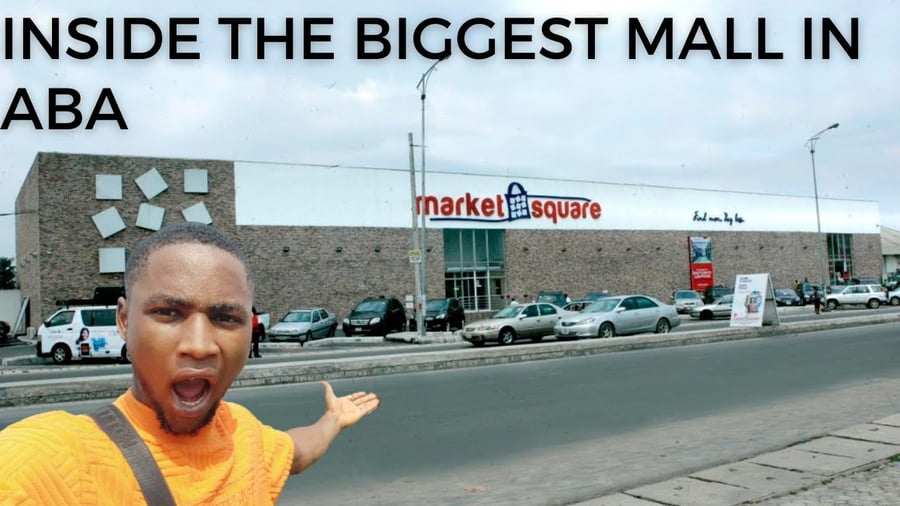
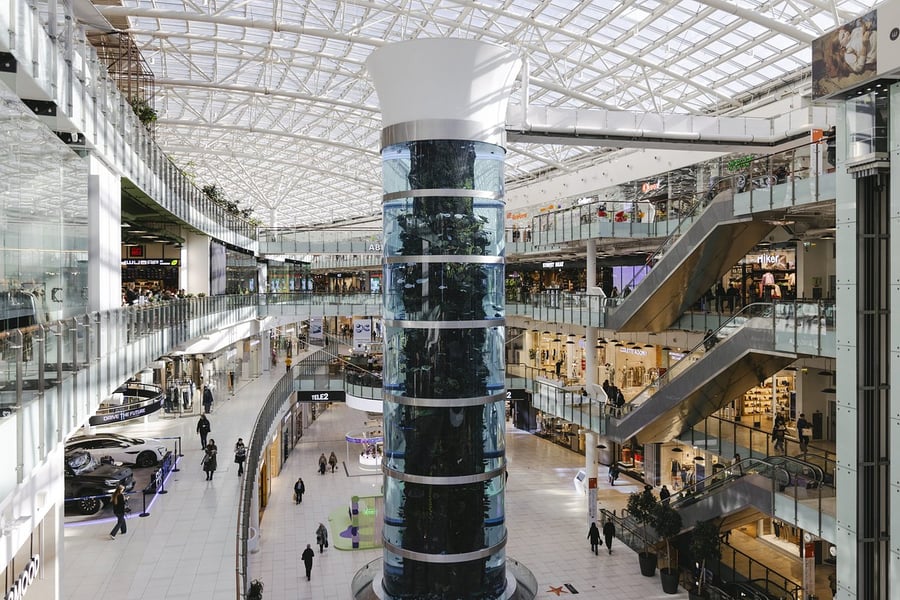
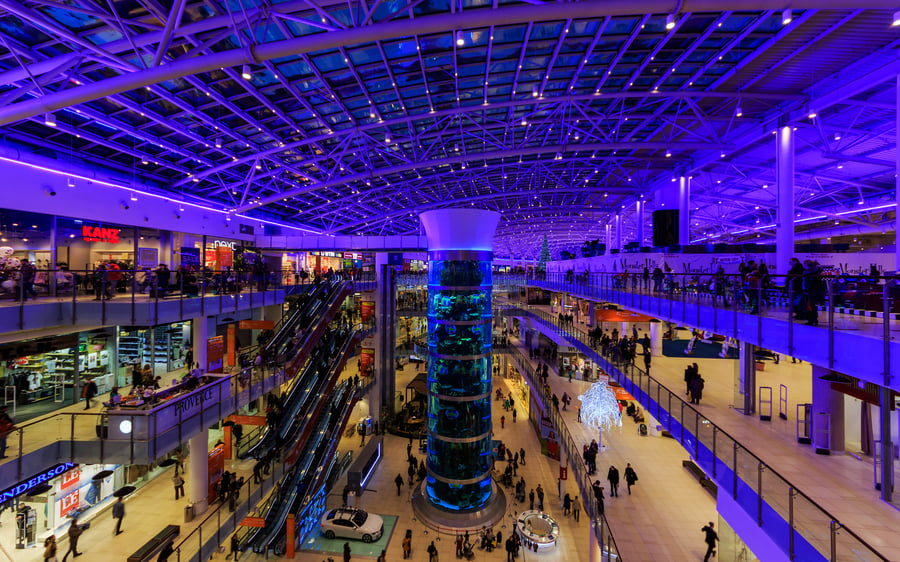
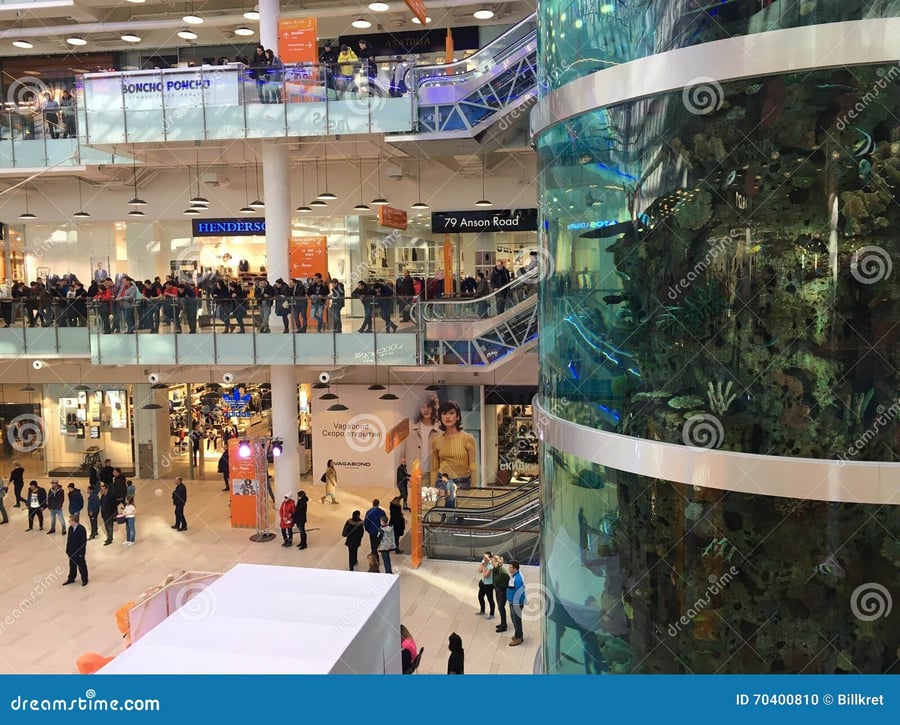
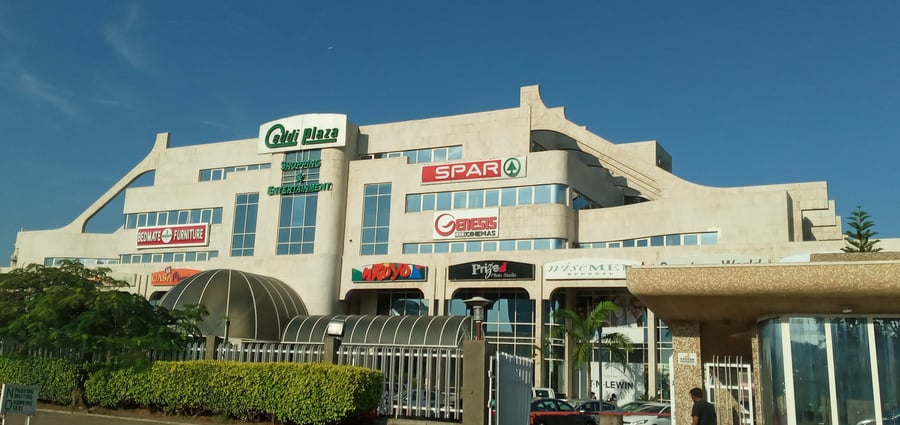
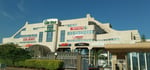
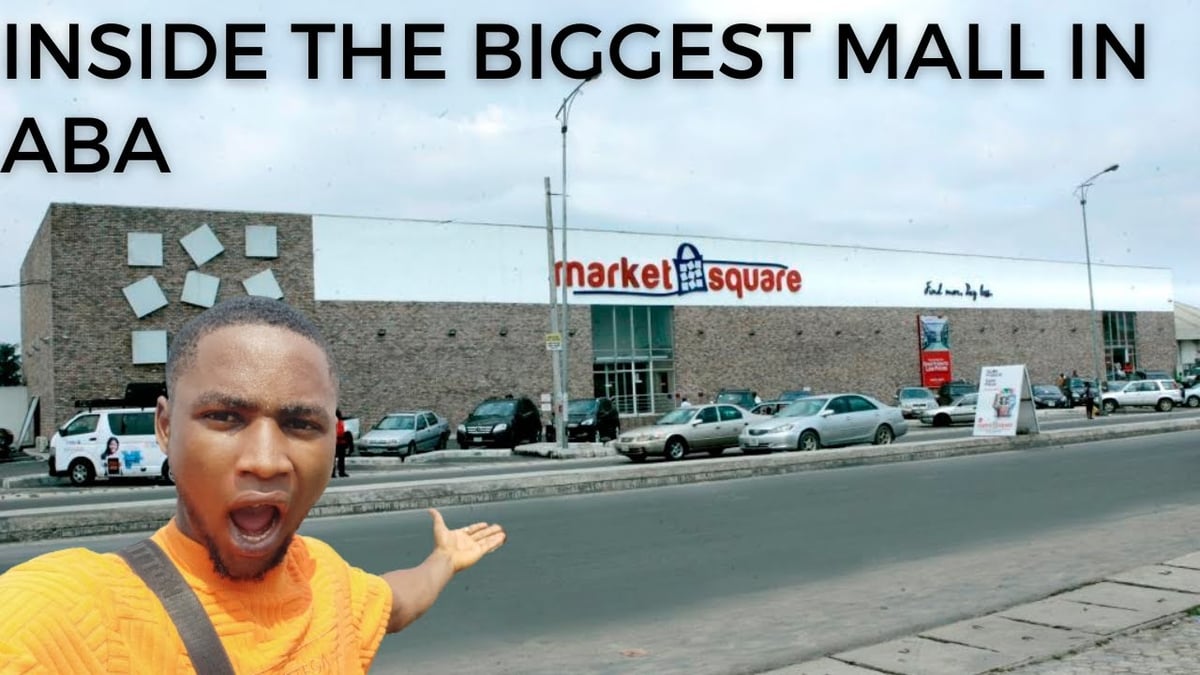
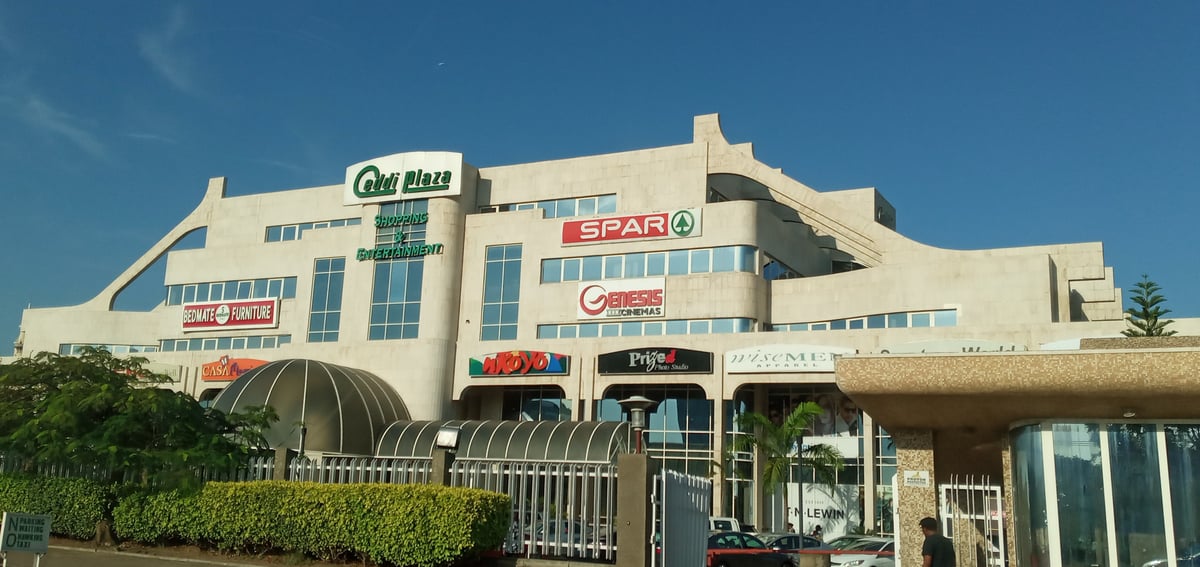
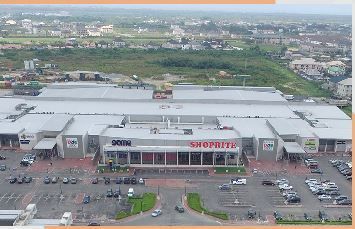
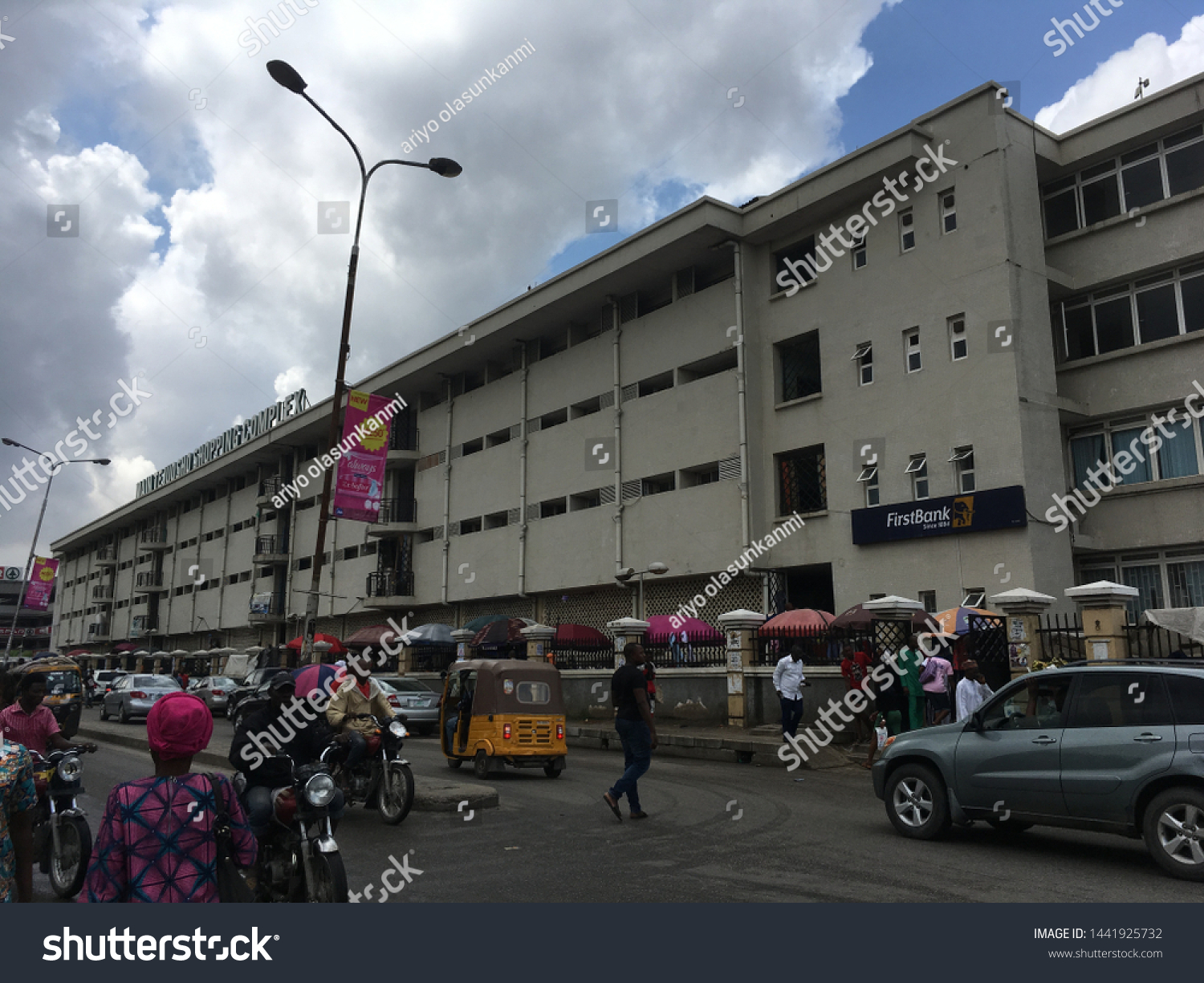
Abia Mall, located on Uwalaka Street in the Old Garki area of Umuahia, Abia State, Nigeria, opened in 2015 as the citys primary modern retail destination.
Spanning approximately 10,000 square meters, it serves as a key shopping hub for the states capital, which has a population exceeding 500,000 residents based on recent estimates from urban growth projections.
The mall features a diverse tenant mix including a large-format supermarket as the anchor (formerly Shoprite, now operated under local management post-2021 divestment), fast-food outlets like Kilimanjaro Eatery, a cinema (Genesis Deluxe Cinema), pharmacies, electronics stores, betting shops, and various apparel and accessory retailers. Occupancy levels have remained stable at around 80-85% according to commercial real estate overviews, supported by the malls role in catering to middle-income civil servants, traders, and families in a region dominated by government administration, agriculture, and small-scale manufacturing.
Footfall averages 5,000-7,000 visitors weekly, peaking during weekends and holidays, driven by limited competition in organized retail within Umuahia.
Rent levels range from N15,000 to N35,000 per square meter annually for ground-floor spaces, lower than in major cities like Lagos (N50,000+), making it attractive for regional brands seeking affordable entry into southeastern Nigeria.
Accessibility is enhanced by proximity to major roads connecting to Aba and Port Harcourt, though public transport reliance and occasional traffic congestion pose minor challenges. The tenant mix emphasizes everyday essentials, entertainment, and dining, fostering a family-oriented environment that aligns with local demographics.
Market position is strengthened by Umuahias status as an administrative center, but broader economic factors like inflation and naira volatility impact consumer spending.
Leasing advantages include flexible terms for smaller retailers, promotional support from mall management, and potential for cross-traffic from cinema and food court visitors. However, risks involve dependency on the anchor tenant and competition from informal markets in Isi Gate.
Overall, the mall contributes to urban retail modernization in Abia State, with operational quality maintained through regular maintenance and security measures.
Interested in this property?
Choose how you'd like to proceed
Advertise at this property?
Reach high-intent shoppers across digital screens, atria, and experiential placements.
Hours of Operation
Hours
| Monday | 09:00 AM — 09:00 PM |
| Tuesday | 09:00 AM — 09:00 PM |
| Wednesday | 09:00 AM — 09:00 PM |
| Thursday | 09:00 AM — 09:00 PM |
| Friday | 09:00 AM — 09:00 PM |
| Saturday | 09:00 AM — 09:00 PM |
| Sunday | 09:00 AM — 09:00 PM |
Hours may vary on public holidays. Check with individual stores for specific holiday schedules.
Insights
Demographic Profile
Umuahia, as Abia States capital, has a population of about 500,000, predominantly Igbo ethnicity with a mix of civil servants, educators, and agricultural workers. Median household income hovers around N150,000 monthly, supporting moderate retail spending on groceries, clothing, and entertainment. The demographic skews toward families (average household size 5-6) and youth (over 60% under 35), driving demand for affordable fashion, fast food, and leisure activities. Proximity to Michael Okpara University boosts student footfall, but lower disposable incomes compared to Lagos limit luxury retail viability. This profile favors value-oriented tenants, with 70% of shoppers being local residents seeking convenience over high-end options.
Competition and Market Saturation
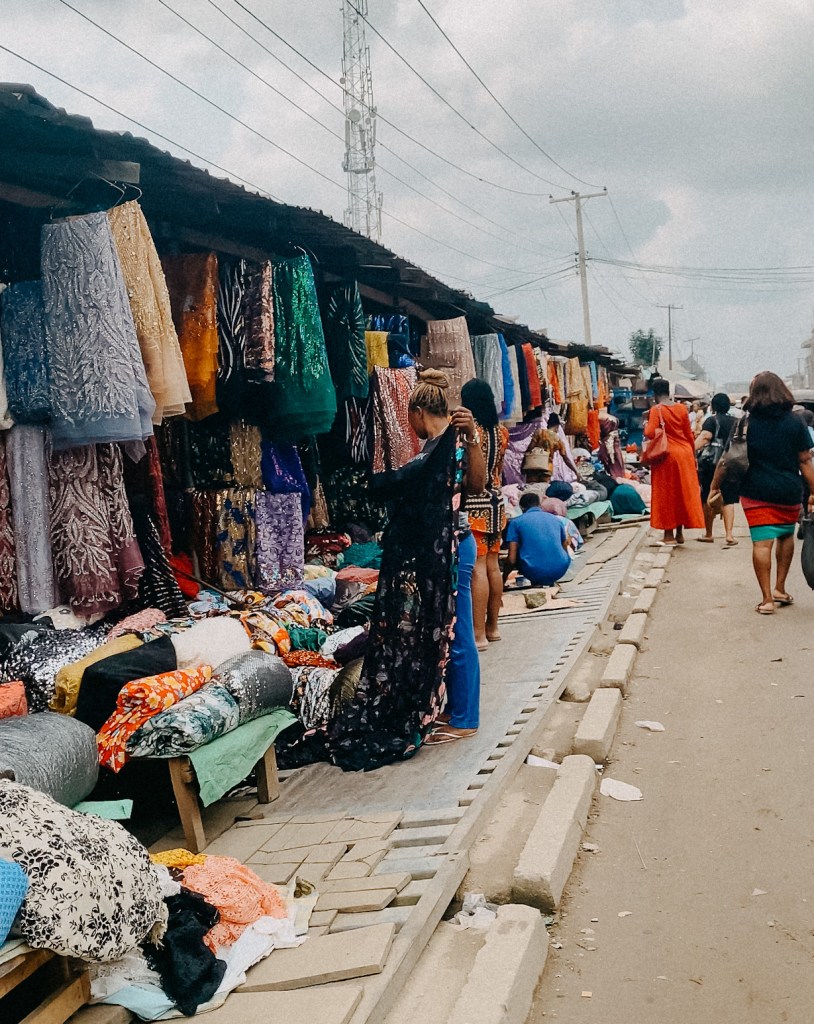
Abia Mall faces limited direct competition in organized retail within Umuahia, positioning it as the dominant modern shopping venue. Nearby informal markets like Isi Gate offer cheaper alternatives for produce and textiles, capturing budget-conscious consumers and contributing to market saturation in traditional trade. Aba, 50km away, serves as a larger commercial hub with more industrial retail, drawing cross-border shoppers and intensifying regional rivalry. Emerging plazas in Umuahia add pressure on smaller categories like apparel, but the malls anchor and entertainment draw maintain its edge. Occupancy risks arise from economic slowdowns, with retail vacancy rates in secondary Nigerian cities at 15-20% per recent reports, underscoring the need for adaptive tenant strategies.
Accessibility and Infrastructure
The mall benefits from central location on Uwalaka Street, accessible via major routes like the Aba-Owerri Road, with ample parking for 200+ vehicles. Public transport via tricycles (keke) and buses is affordable (N50-100 fares), though reliance on these can lead to delays during peak hours. Aging infrastructure in Umuahia, including potholed roads and inconsistent power supply, occasionally disrupts operations, mitigated by the malls backup generators. Rent terms often include 3-5 year leases with escalation clauses tied to inflation (10-15% annually), and incentives like rent-free periods for fit-outs. Challenges include flooding risks in rainy seasons and security concerns in the southeast, but the site reports low incident rates due to on-site policing.
Building Details
Detailed Market Analytics
City Snapshot
Umuahia
Comprehensive market intelligence for retail expansion in this city

Other Retail Destinations in Umuahia
Discover more shopping centers in Umuahia.
Popular in Nigeria
Top retail destinations across Nigeria.
Interested in this property?
Choose how you'd like to proceed
Advertise at this property?
Reach high-intent shoppers across digital screens, atria, and experiential placements.
City Snapshot
Umuahia
Comprehensive market intelligence for retail expansion in this city