
Brand Fit Snapshot
Best for:
Not ideal if:
Similar properties you might like:
Quick assessment - takes 30 seconds
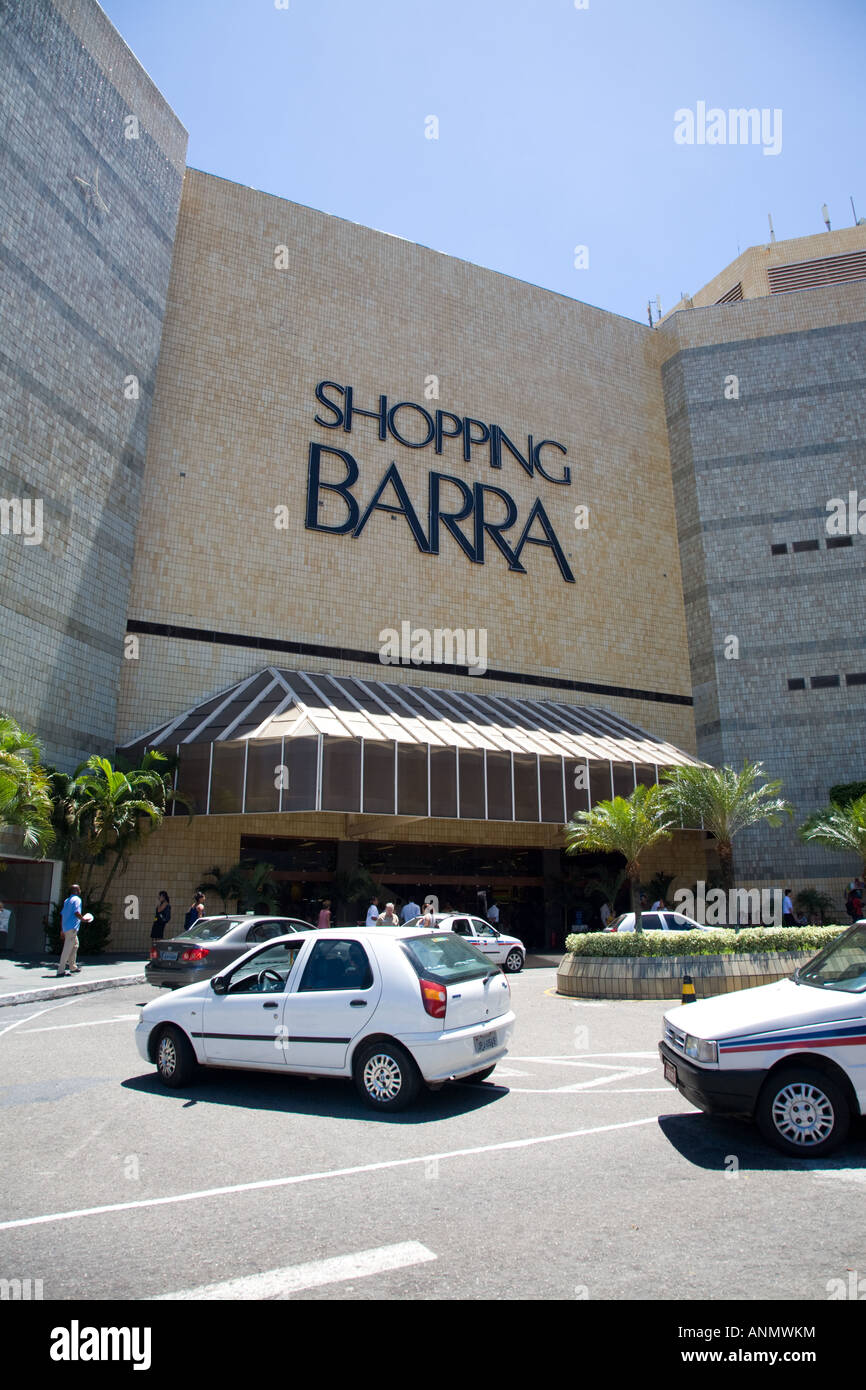
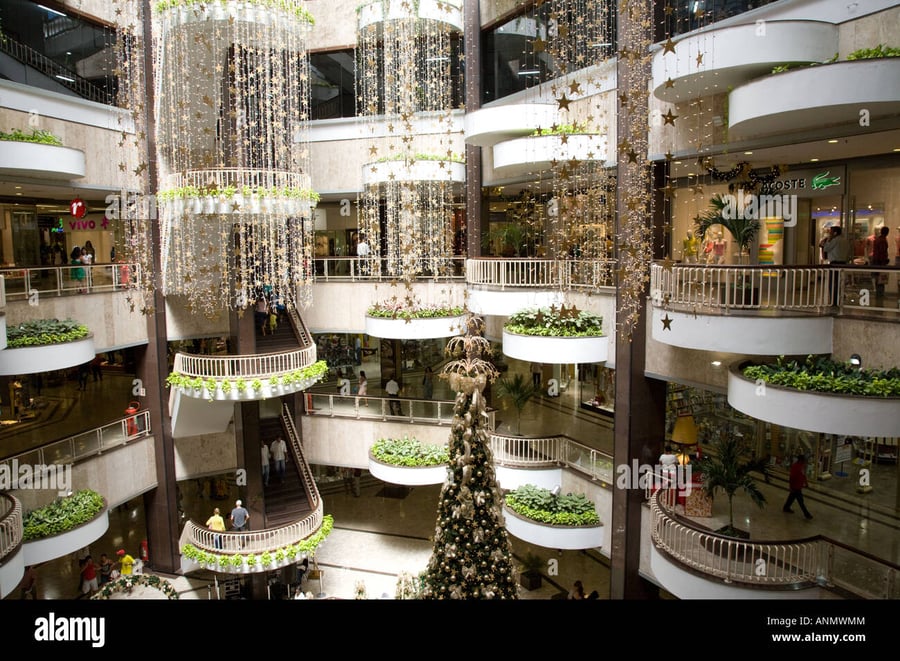
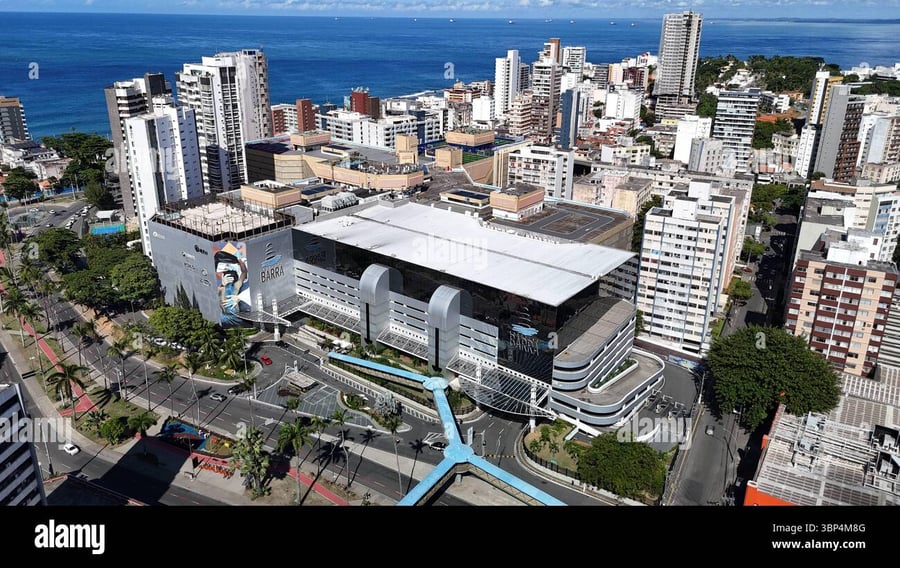
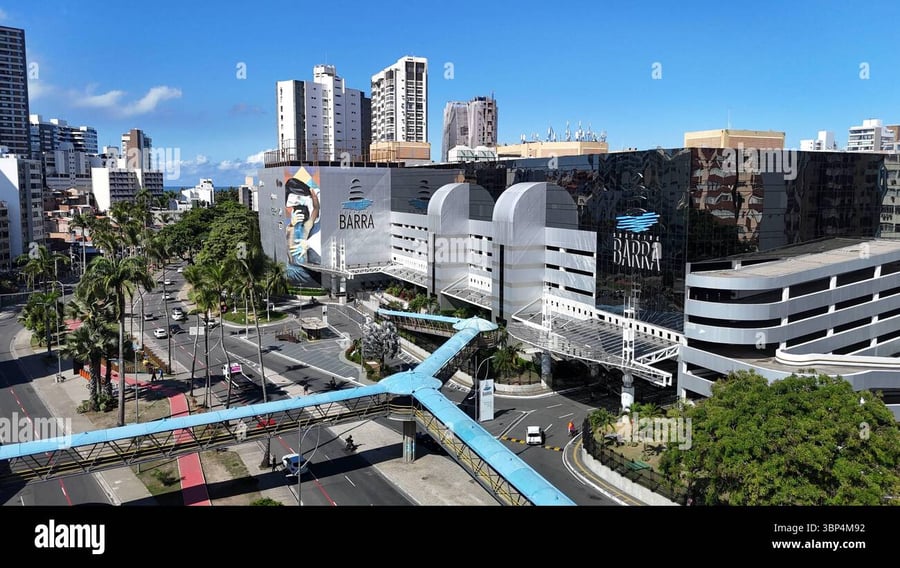
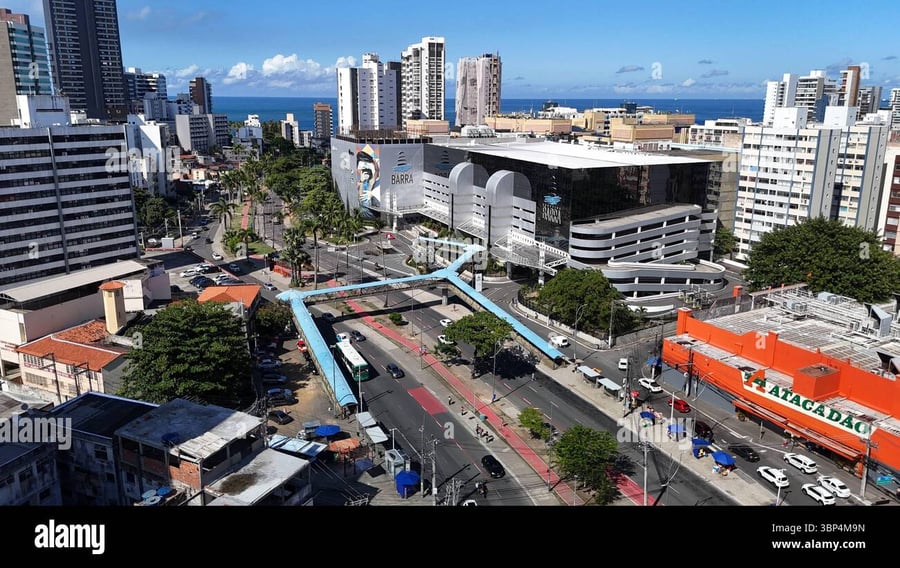
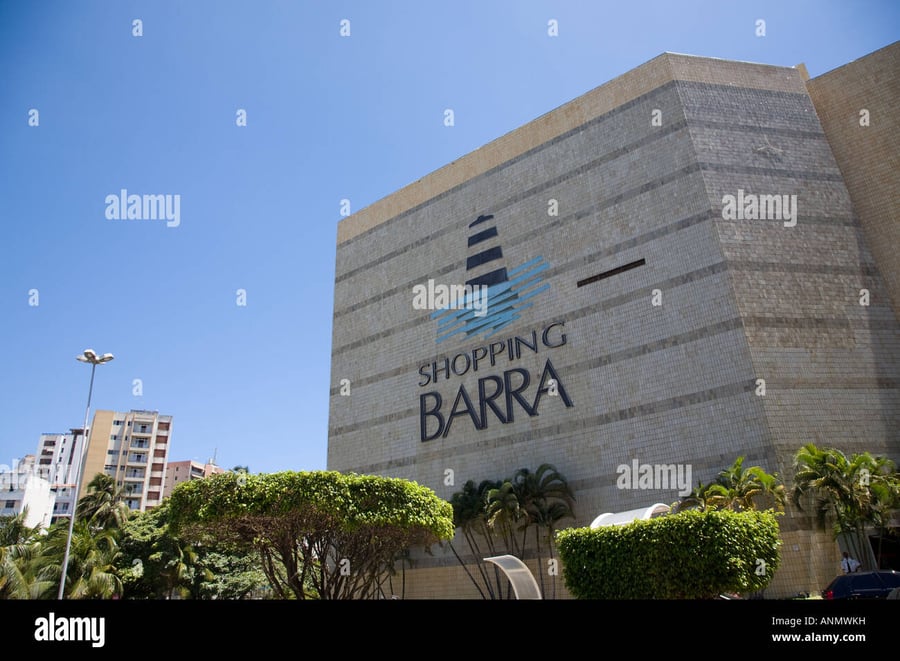
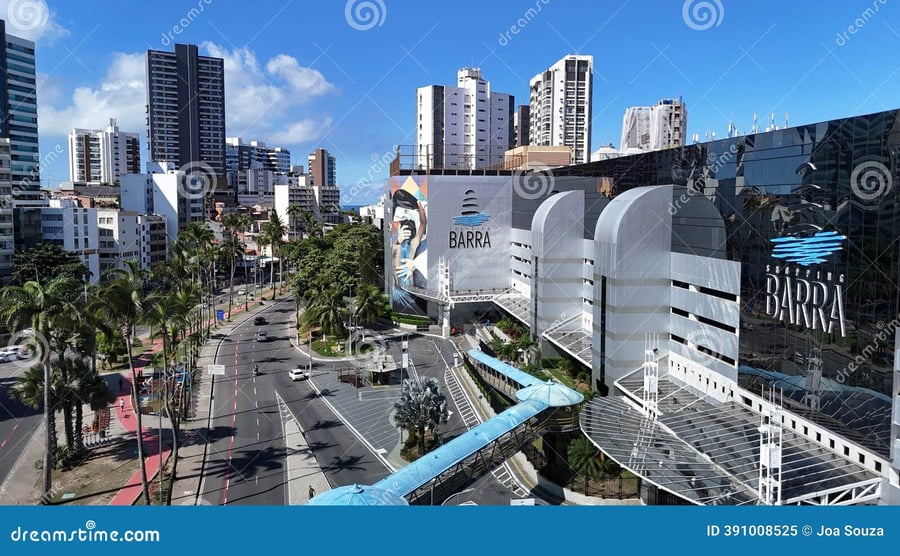
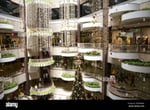
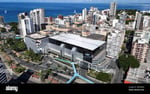
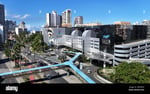
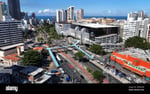
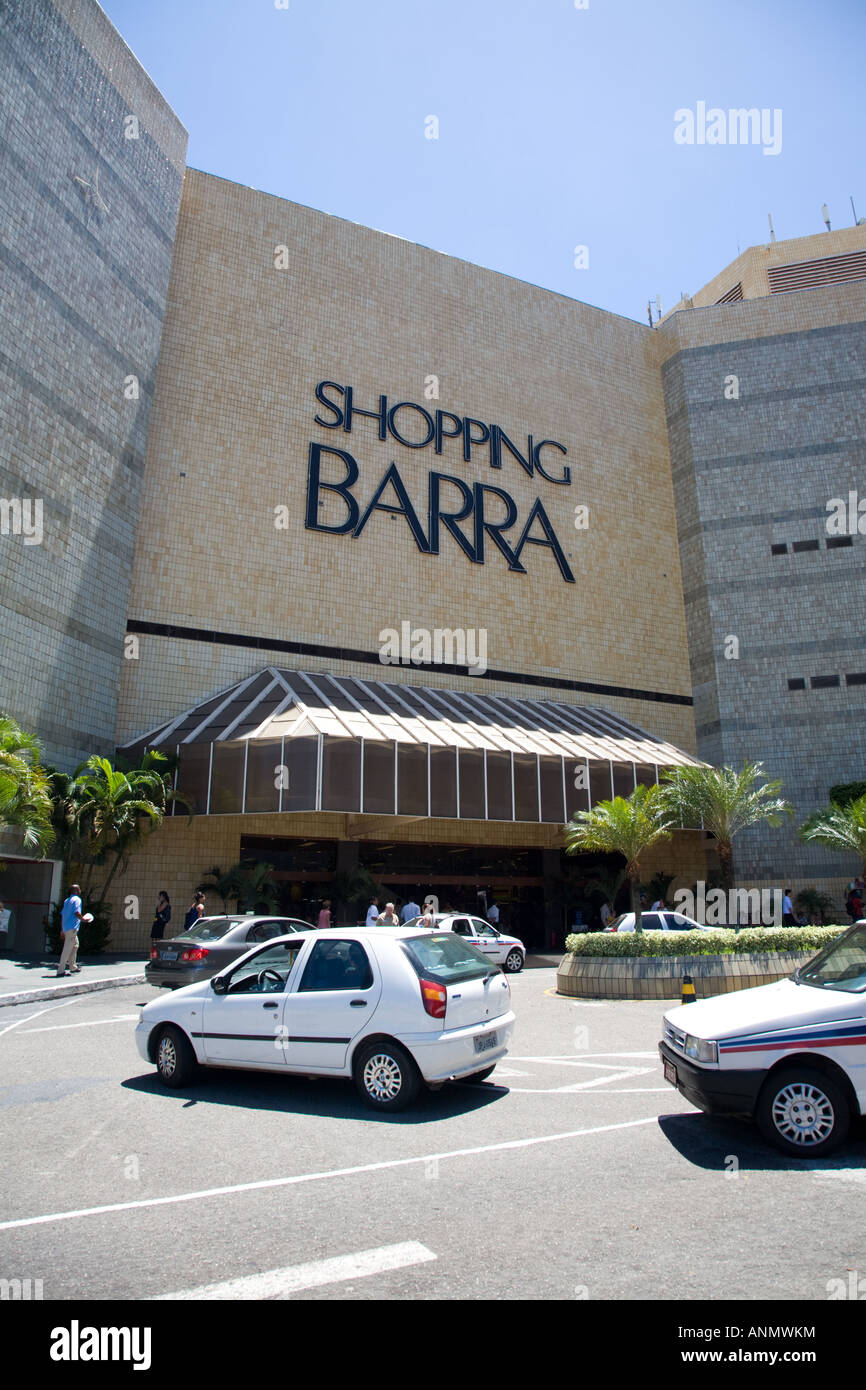
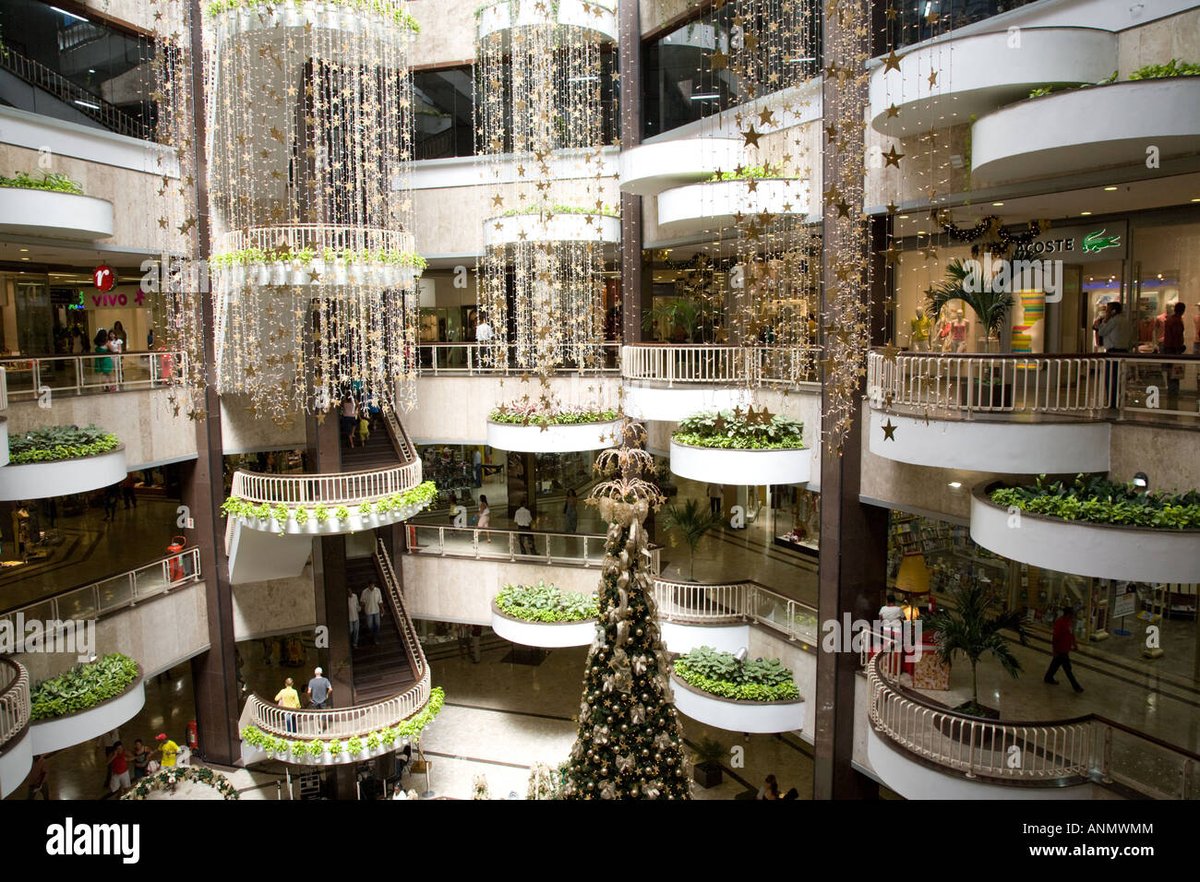
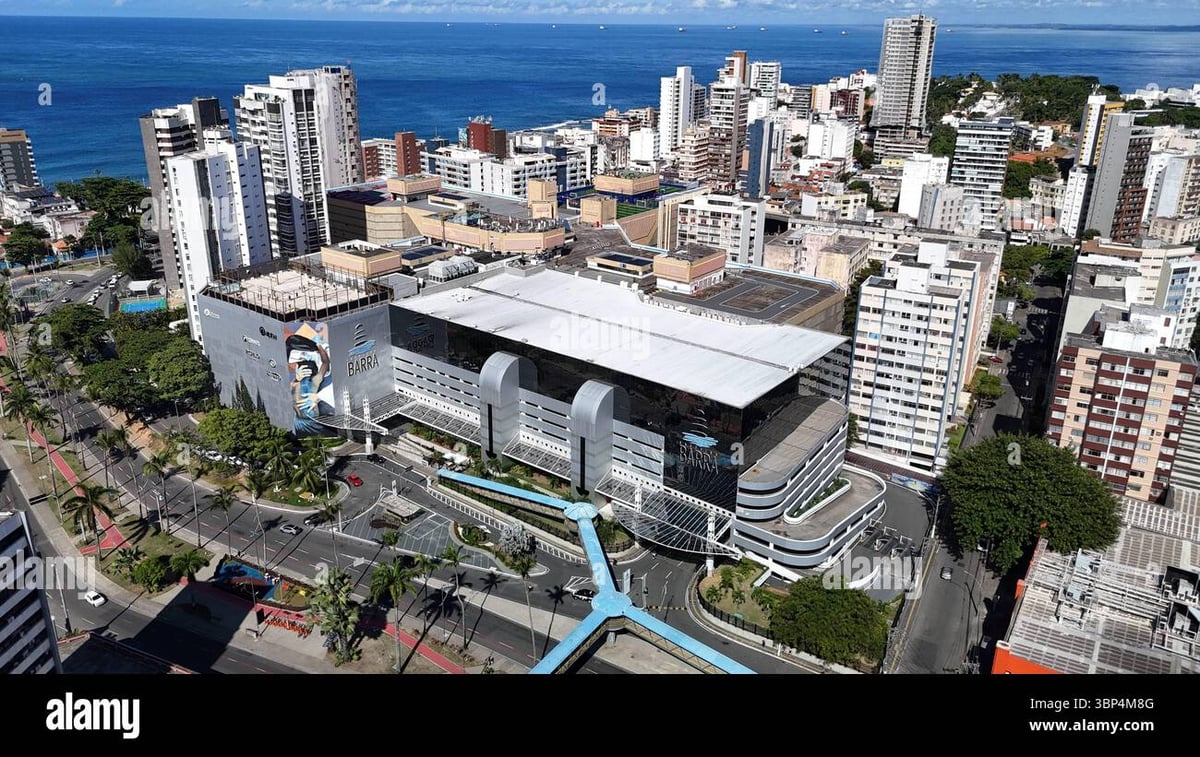
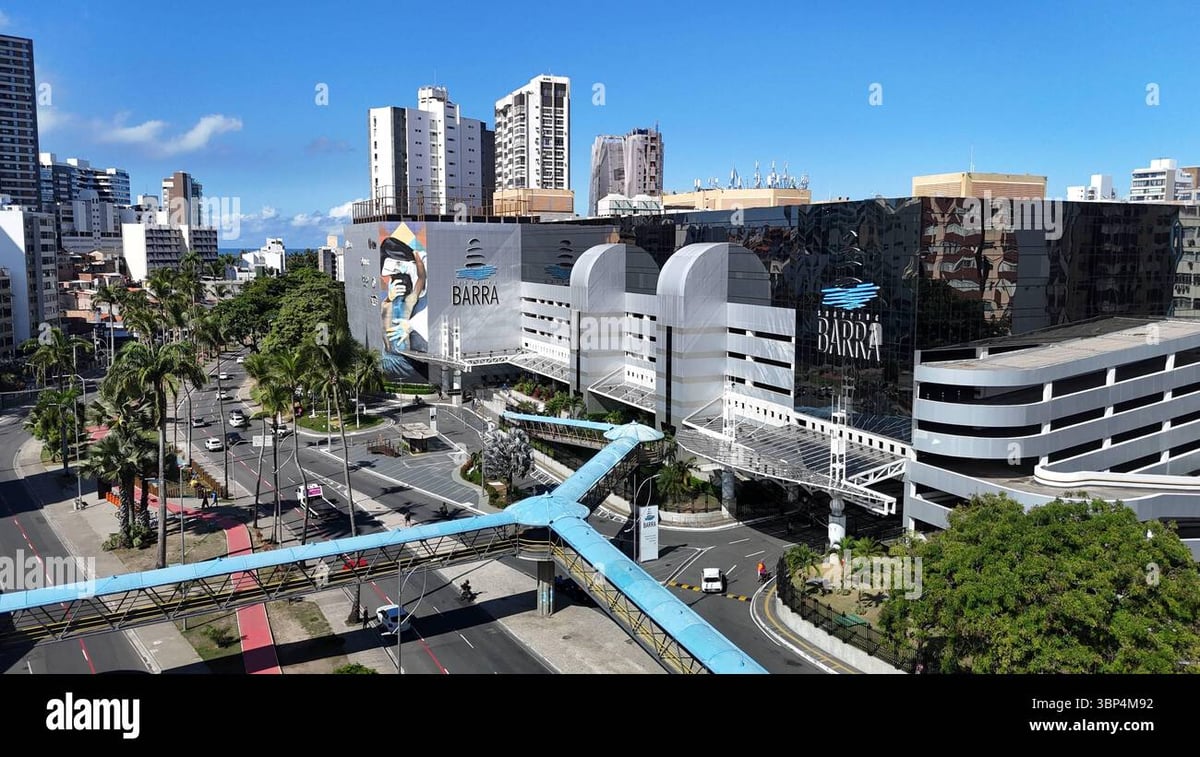
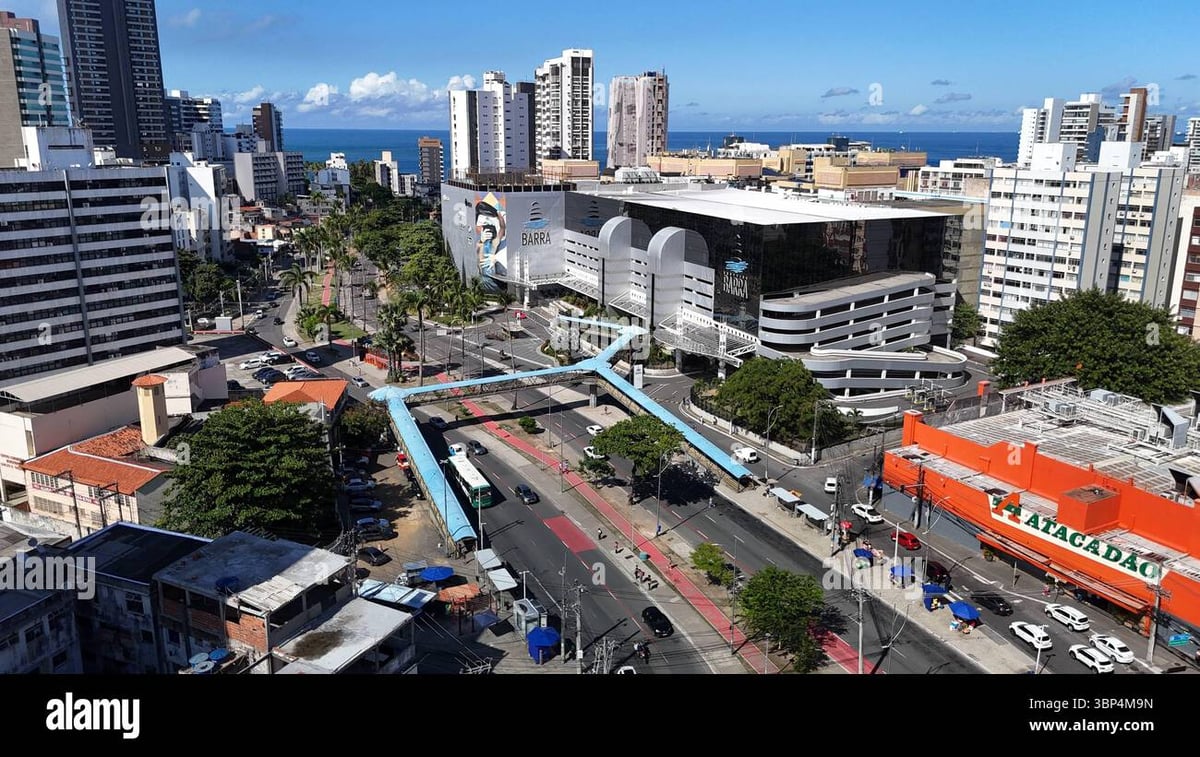
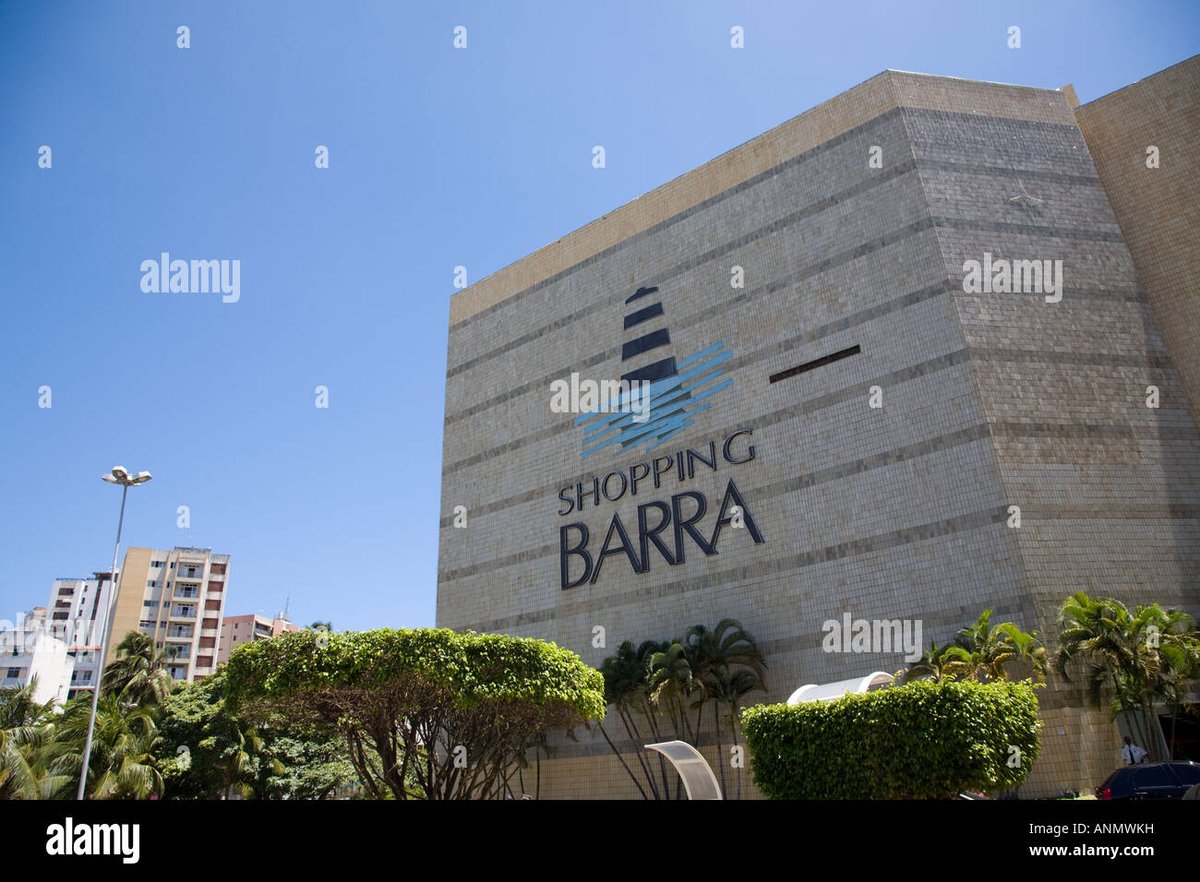
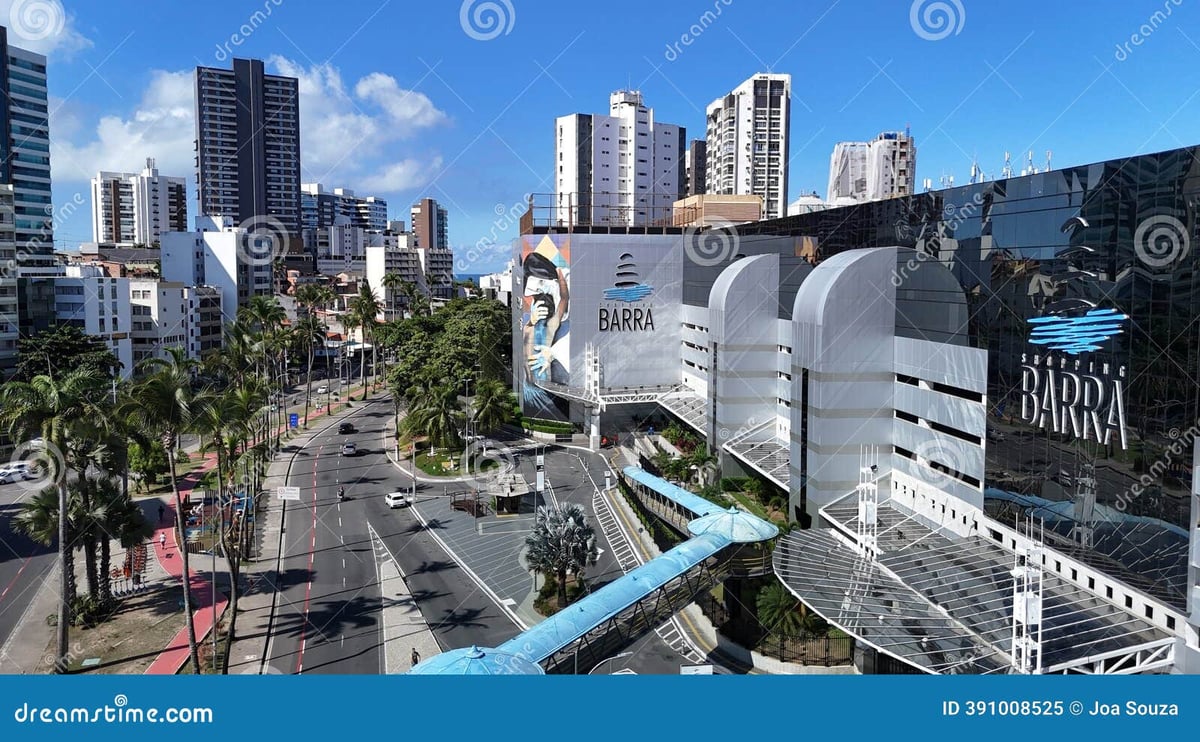
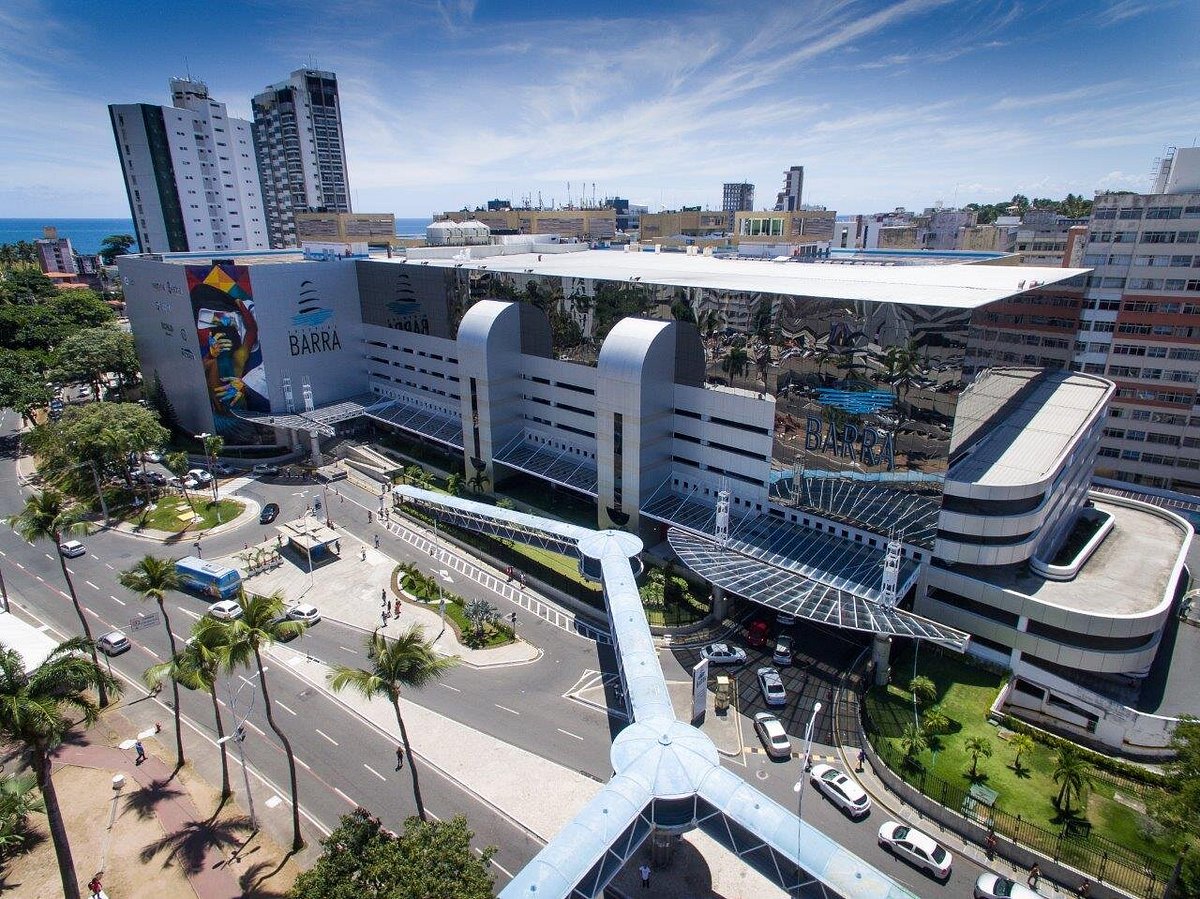
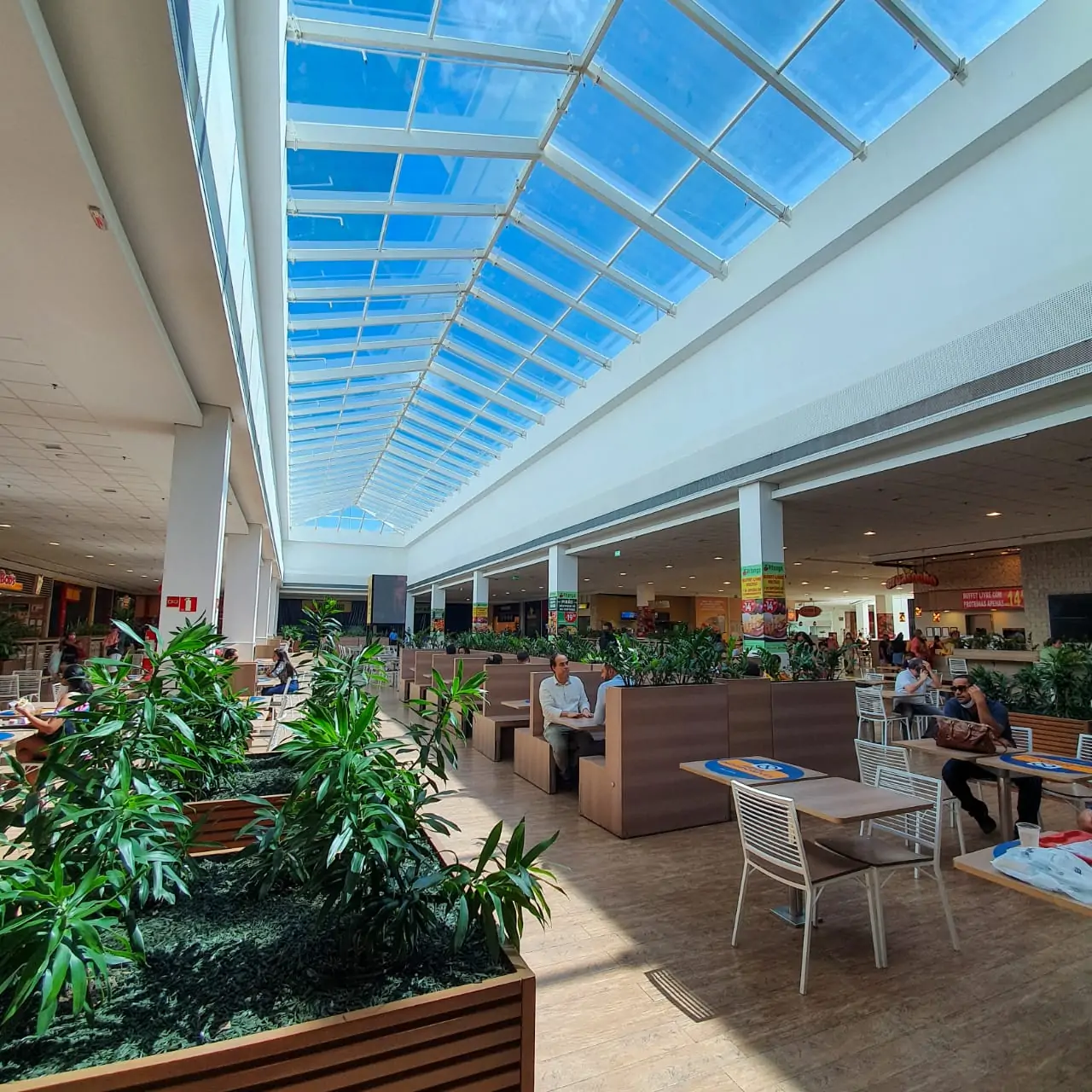
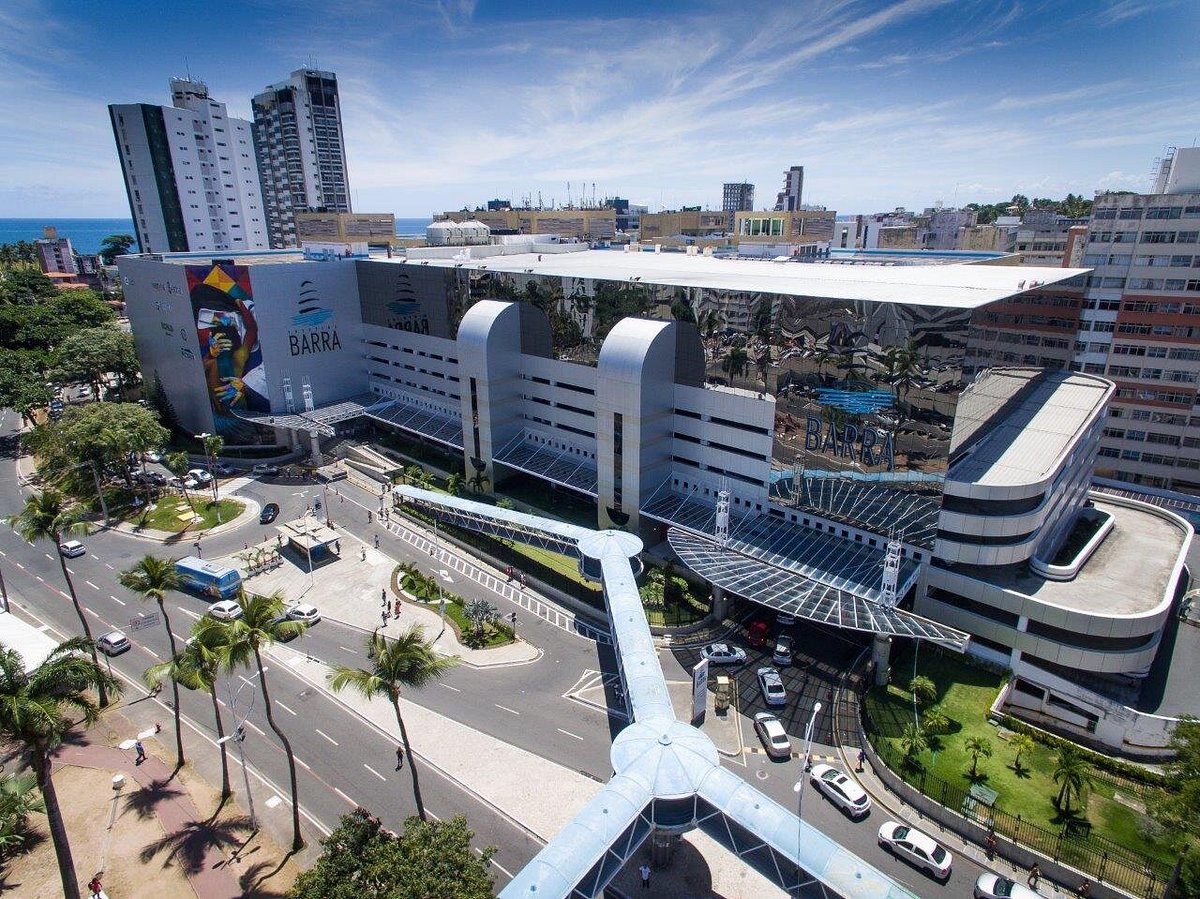
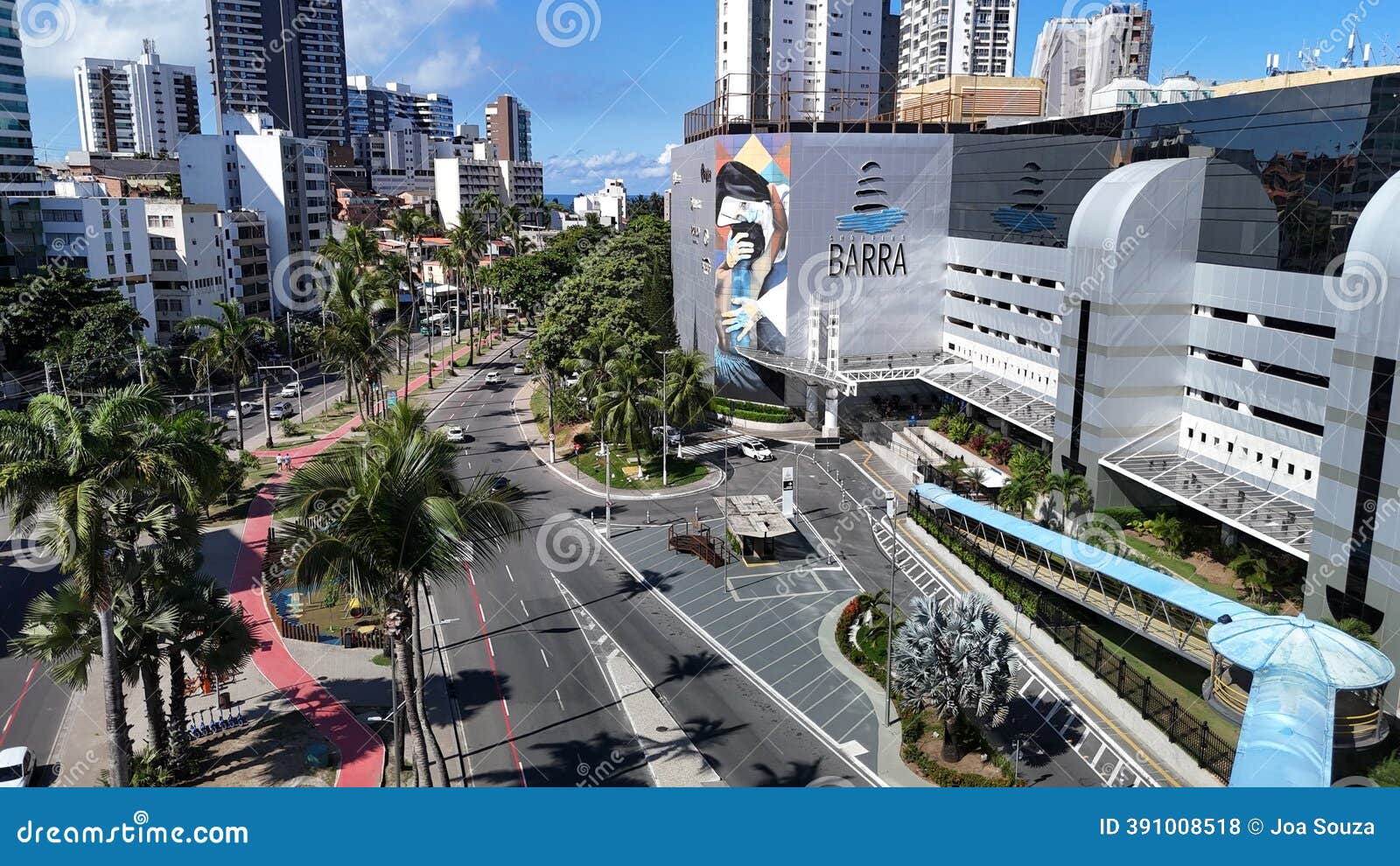
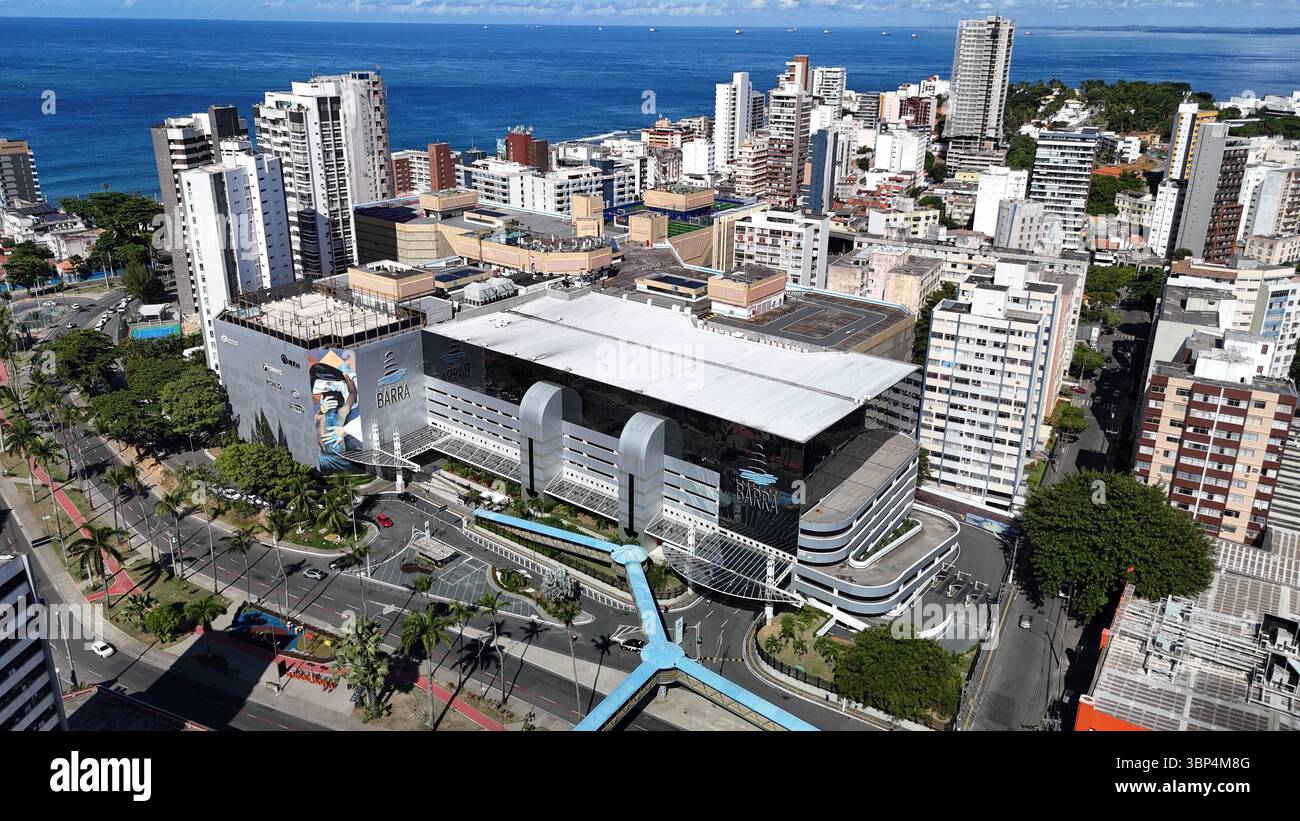
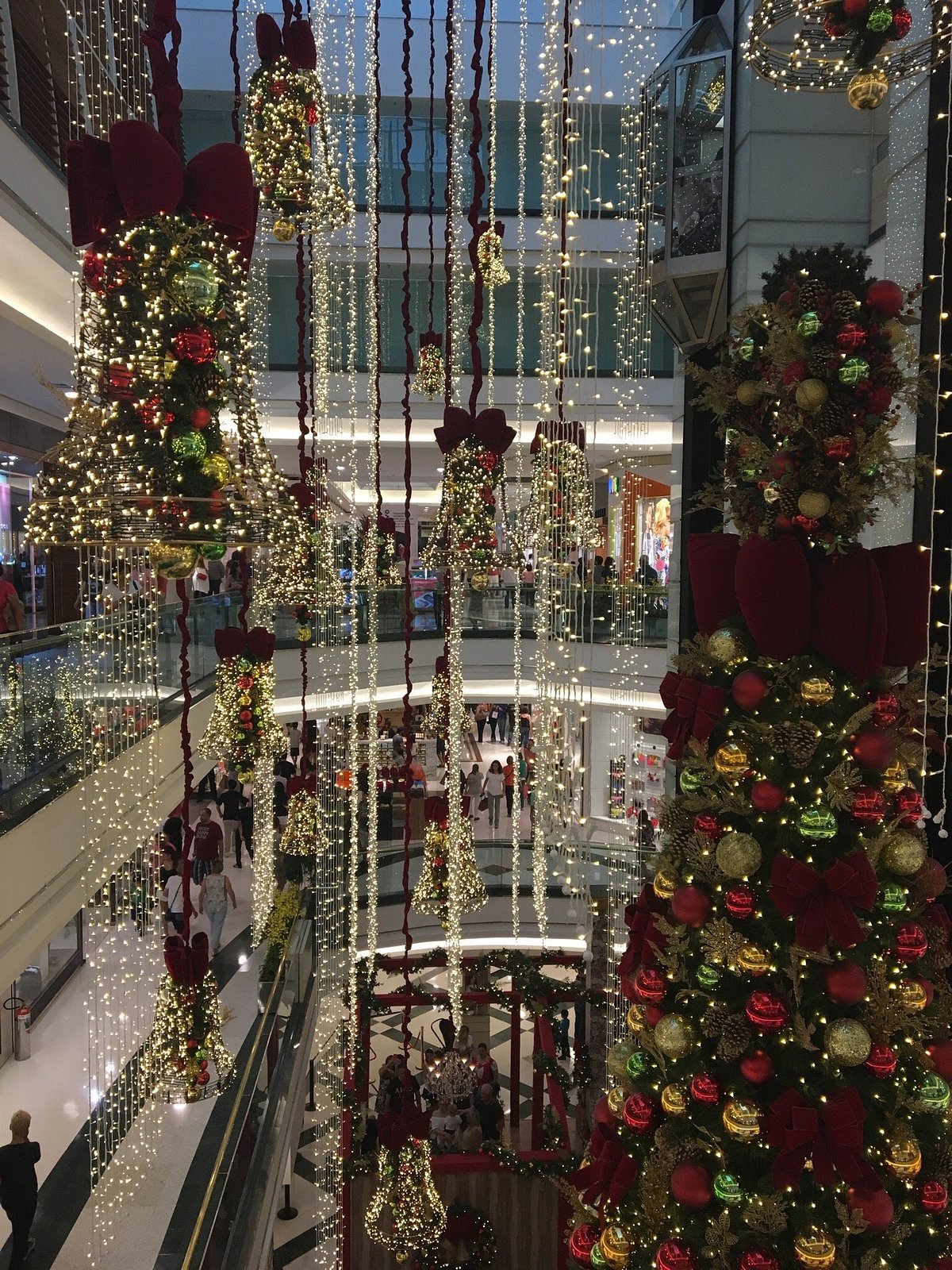
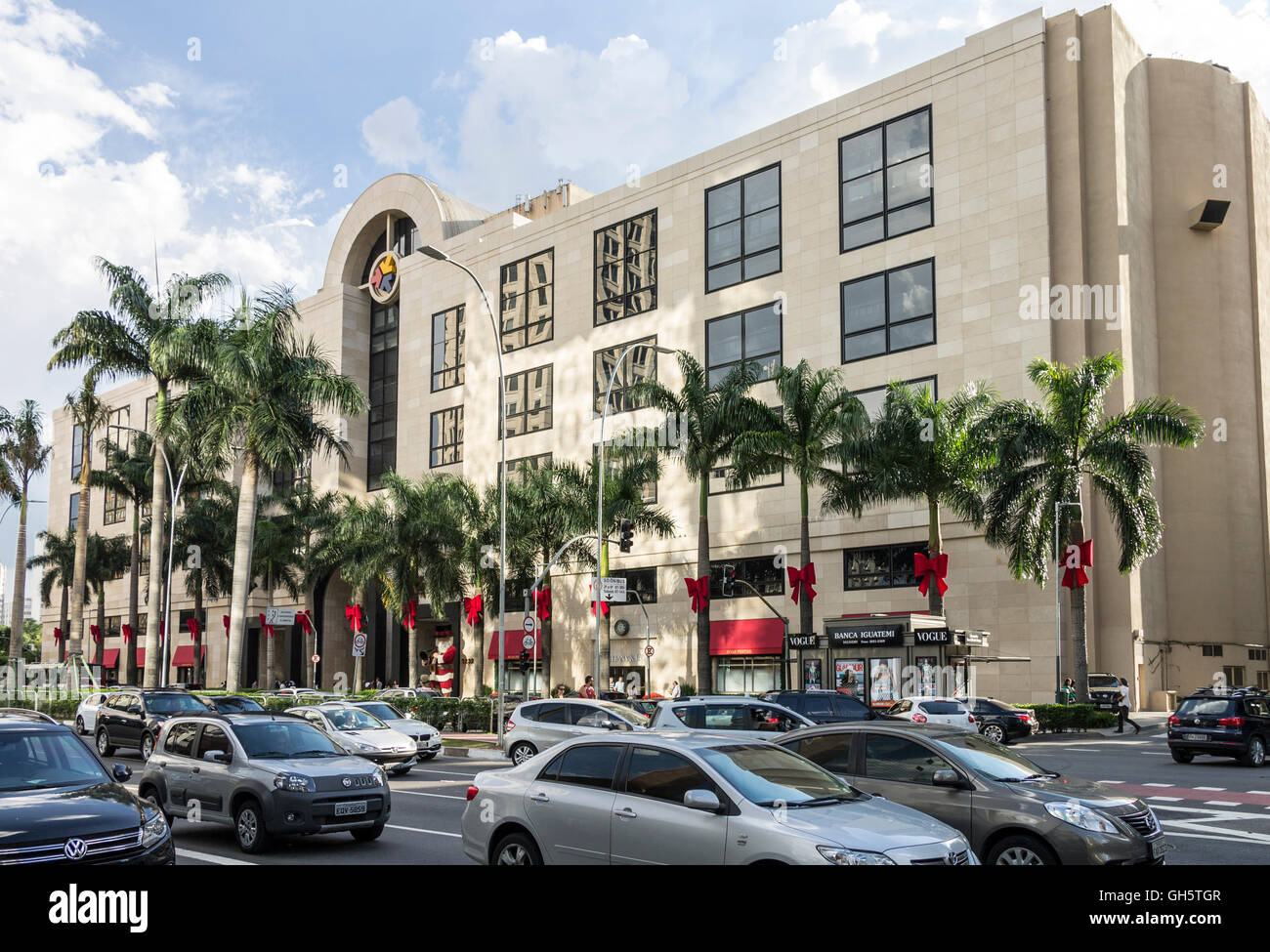
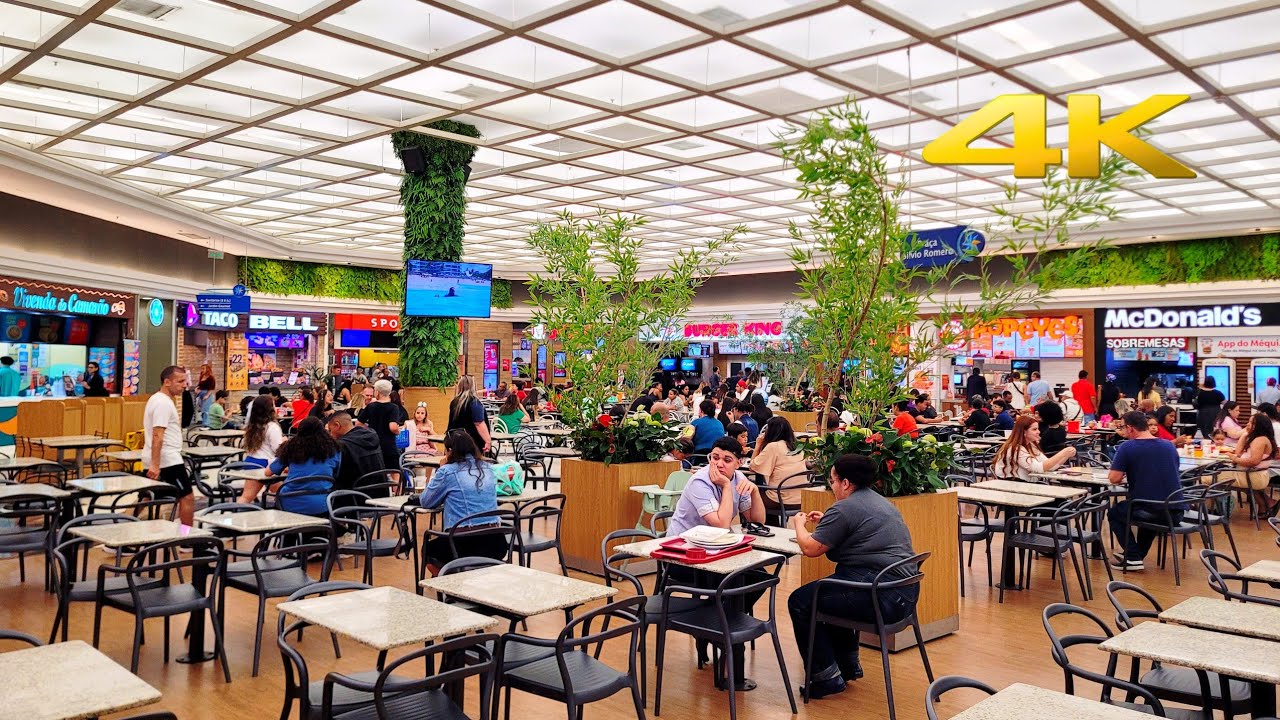
Shopping Barra, established in 1987, is a mid-sized regional shopping center in Salvador, Bahia, Brazil, spanning approximately 50,000 square meters of gross leasable area in the upscale Barra neighborhood along Avenida Centenario. It serves as a key retail destination for local affluent residents, middle-class shoppers from surrounding areas, and tourists drawn to Salvadors coastal vibe. The tenant mix comprises around 315 stores, with fashion accounting for 45% of space including anchors like C&A and Renner, food and beverage at 20% highlighted by the Barra Gourmet complex with six full-service restaurants, services and entertainment at 15%, and other categories like electronics and home goods filling the rest.
Major international and national brands such as O Boticario, Cacau Show, and local boutiques contribute to a balanced but not premium assortment, lacking some high-end luxury options found in competitors.
Occupancy rates stand at about 92-95% based on regional retail reports, with annual footfall estimated at 8-10 million visitors, supported by proximity to beaches and cultural sites.
Rent levels for prime locations range from R$120 to R$180 per square meter monthly, offering competitive entry for mid-tier retailers amid Bahias recovering post-pandemic market, where retail sales grew 5-7% in 2024 per ABRASCE data.
Accessibility is strong via major avenues and public transport, though parking can be constrained during peak tourist seasons.
Market position is solid as an established local hub, but it faces pressures from larger, newer rivals like Salvador Shopping with over 400 stores and higher footfall.
Leasing advantages include flexible terms for smaller spaces, established customer loyalty, and potential for co-marketing with tourism events; however, drawbacks involve moderate sales per square meter around R$10,000-12,000 annually, aging infrastructure requiring occasional maintenance, and market saturation in fashion categories leading to intra-mall competition.
Overall, it suits retailers targeting everyday consumer needs in a tourist-influenced economy with GDP growth of 2.5% in Bahia for 2025 projections.
Interested in this property?
Choose how you'd like to proceed
Advertise at this property?
Reach high-intent shoppers across digital screens, atria, and experiential placements.
Hours of Operation
Hours
| Monday | 09:00 AM — 10:00 PM |
| Tuesday | 09:00 AM — 10:00 PM |
| Wednesday | 09:00 AM — 10:00 PM |
| Thursday | 09:00 AM — 10:00 PM |
| Friday | 09:00 AM — 10:00 PM |
| Saturday | 09:00 AM — 10:00 PM |
| Sunday | 12:00 PM — 08:00 PM |
Hours may vary on public holidays. Check with individual stores for specific holiday schedules.
Insights
Demographics and Footfall
The primary catchment area encompasses the affluent Barra and Ondina neighborhoods, with a demographic profile of middle-to-upper-income households averaging R$5,000-15,000 monthly, including young professionals, families, and retirees. Broader draw includes 2.8 million Salvador metro residents and 3 million annual tourists, per IBGE and tourism board data. Footfall averages 25,000 daily visitors, peaking at 40,000 on weekends, driven by leisure shopping and dining, but seasonal dips occur outside high tourist periods like Carnival. This supports steady traffic for lifestyle and accessory retailers, though lower disposable incomes compared to Sao Paulo markets limit high-end sales potential, with average transaction values at R$150-200 based on similar Bahia centers.
Competition and Market Factors
Shopping Barra competes with larger venues like Salvador Shopping (400+ stores, 15 million annual visitors) and Shopping da Bahia (modern expansions, premium anchors), which capture 60% of regional retail spend per ICSC Brazil reports. Local street retail in Barra adds pressure on fashion categories, while e-commerce growth at 15% yearly erodes physical sales. Strengths include niche positioning in casual dining and local brands, but weaknesses involve weaker anchor draw and less diverse entertainment versus rivals. Market saturation in apparel is evident, with 25% of Bahia mall space dedicated to clothing, risking overcompetition; however, tourism recovery post-2023 boosts non-food categories by 8%. Retailers should assess co-tenancy clauses to mitigate vacancy risks from competitor poaching.
Lease Terms and Operational Quality
Minimum lease terms typically span 3-5 years for ground-floor spaces, with escalations tied to IGP-M inflation index averaging 4-6% annually, per standard Brazilian commercial practices. Rent includes CAM fees of R$20-30 per sqm for maintenance, security, and marketing, yielding effective costs of R$150-210 total. Advantages encompass turnkey fit-outs for select units and promotional support via mall events reaching 500,000 impressions yearly. Operational quality is average, with 24/7 security and climate control, but aging infrastructure from 1987 origins leads to occasional HVAC issues and renovation needs, potentially increasing tenant outlays. Accessibility via bus routes and 1,200 parking spots is adequate, though traffic congestion in peak hours poses risks to footfall conversion rates of 30-35%. Balanced evaluation recommends due diligence on utility inclusions and exit clauses amid Bahias stable but volatile economic context.
Building Details
Detailed Market Analytics
City Snapshot
Salvador, BA
Comprehensive market intelligence for retail expansion in this city

Other Retail Destinations in Salvador
Discover more shopping centers in Salvador.
Popular in Brazil
Top retail destinations across Brazil.
Interested in this property?
Choose how you'd like to proceed
Advertise at this property?
Reach high-intent shoppers across digital screens, atria, and experiential placements.
City Snapshot
Salvador, BA
Comprehensive market intelligence for retail expansion in this city