Brand Fit Snapshot
Best for:
Not ideal if:
Similar properties you might like:
Quick assessment - takes 30 seconds
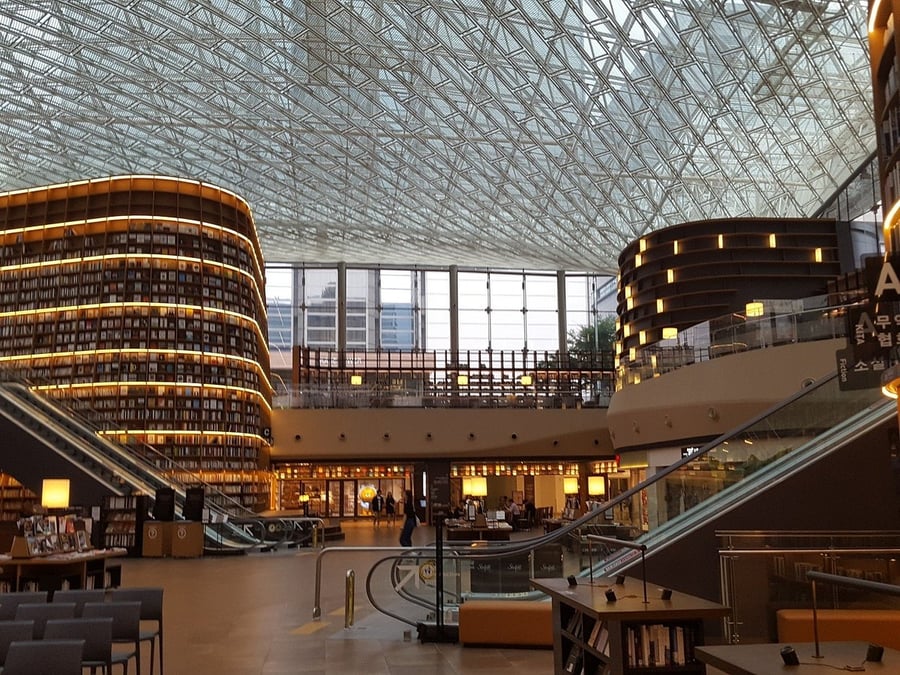
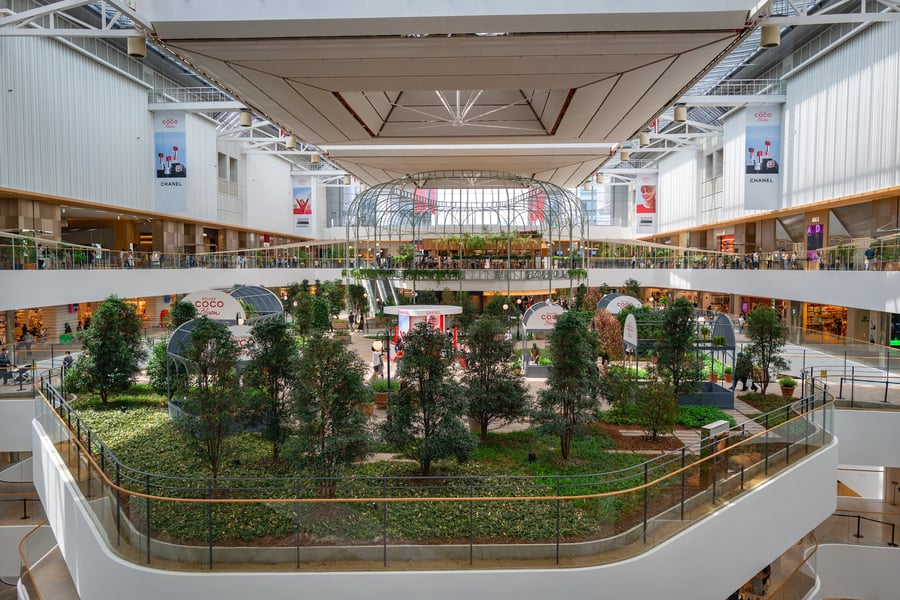
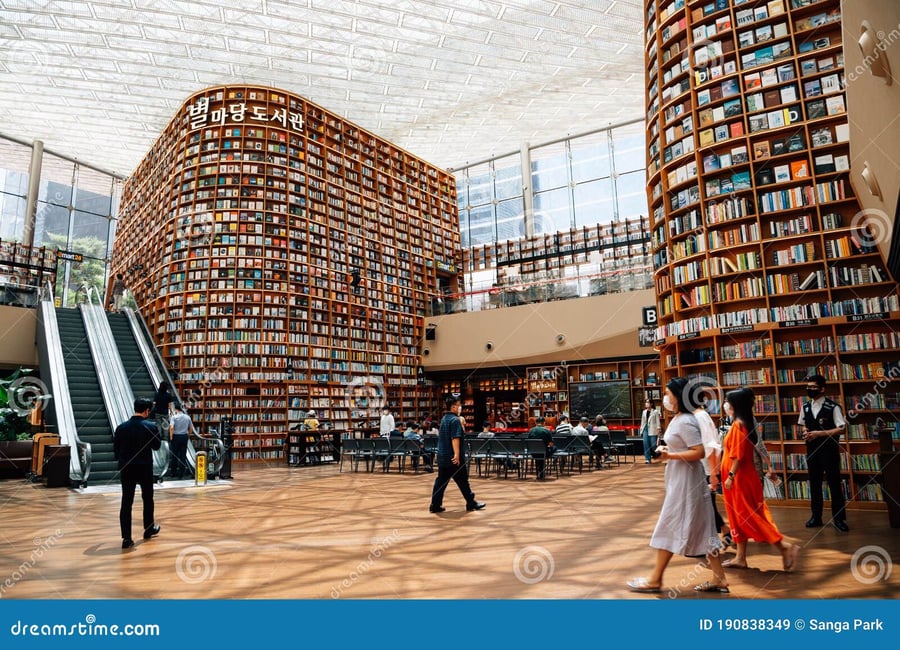
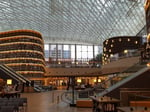
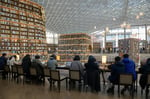
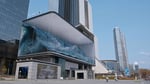
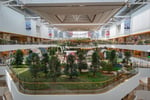
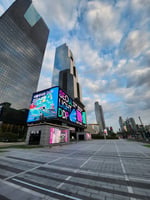
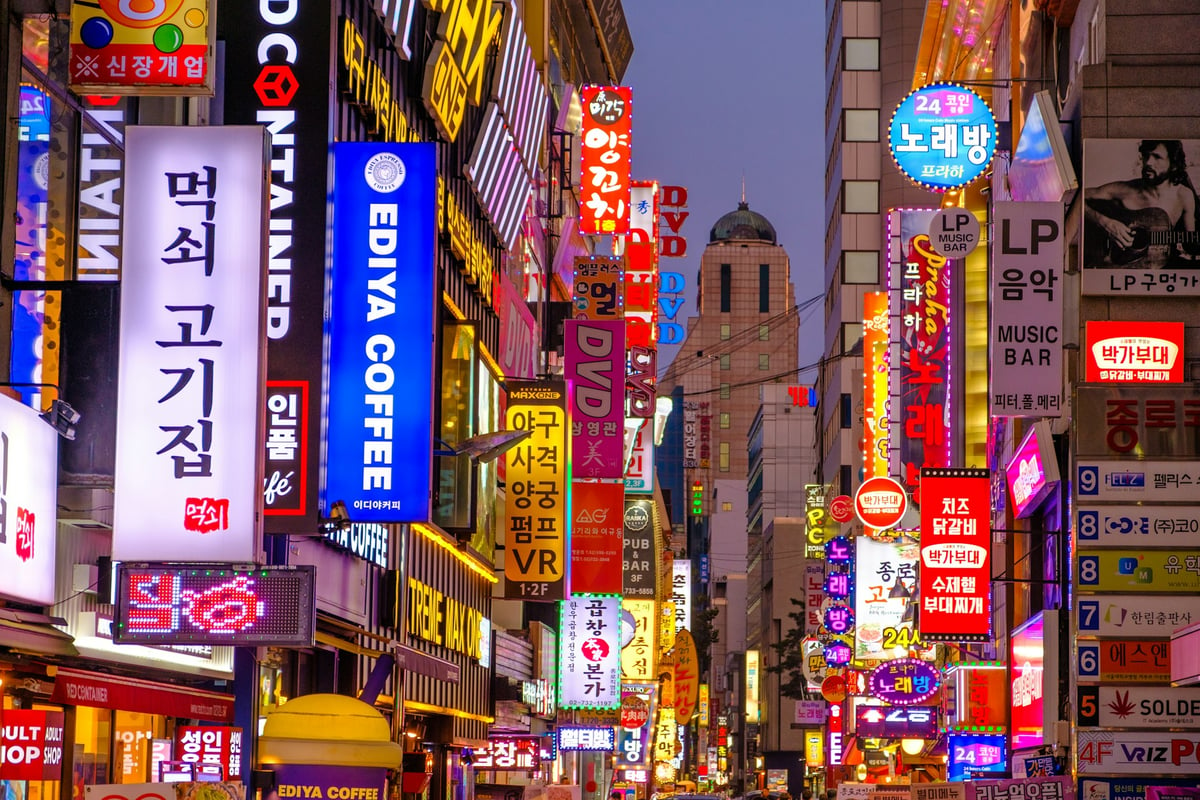
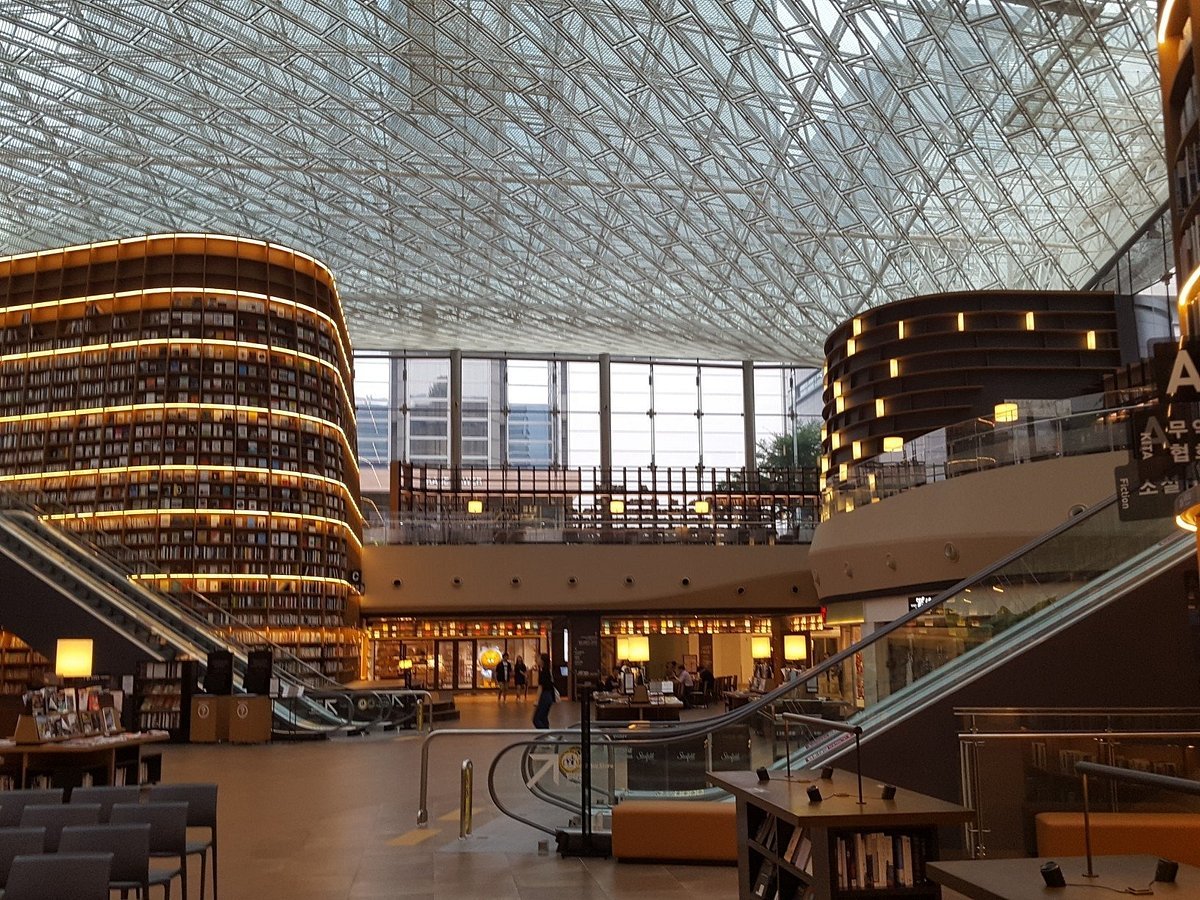
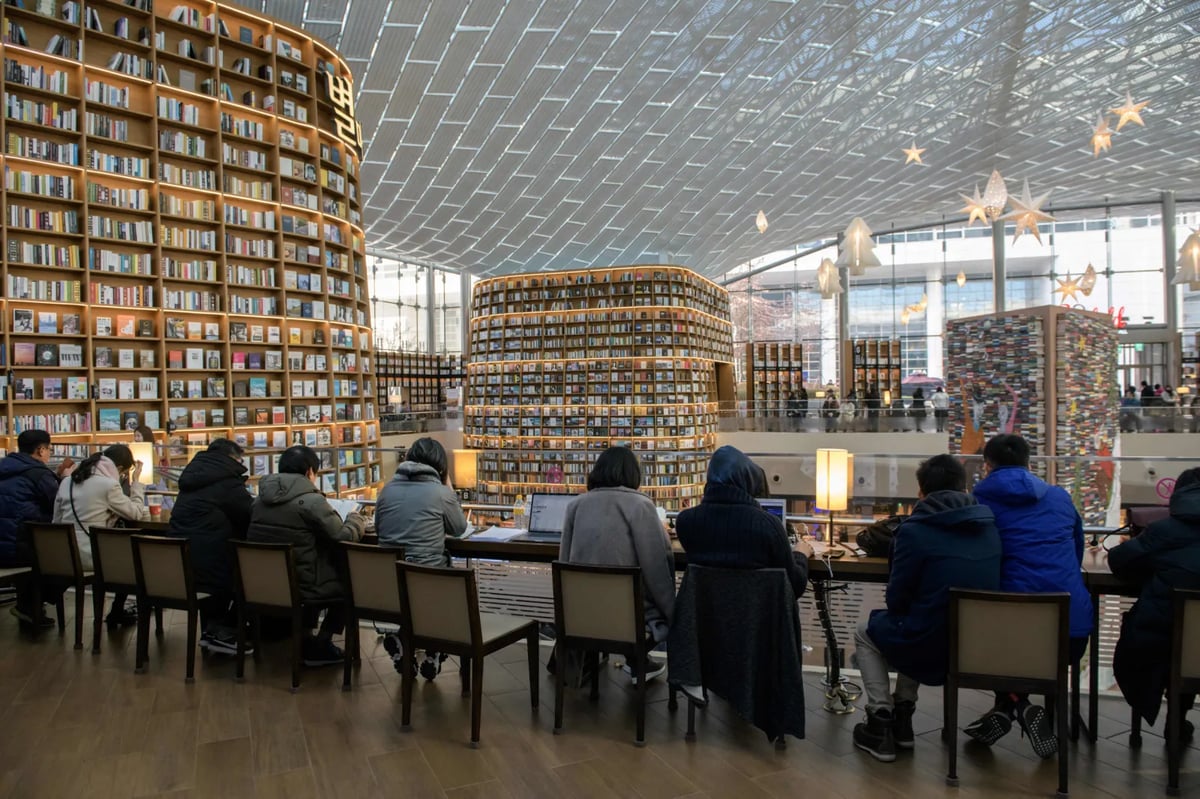
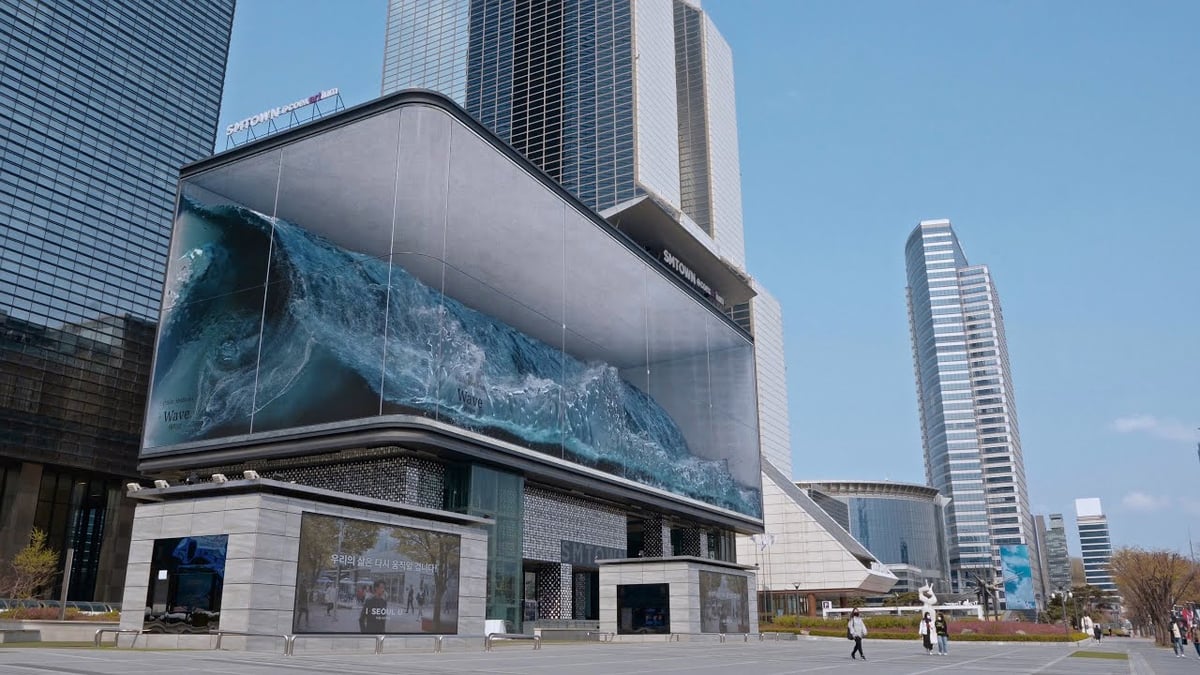
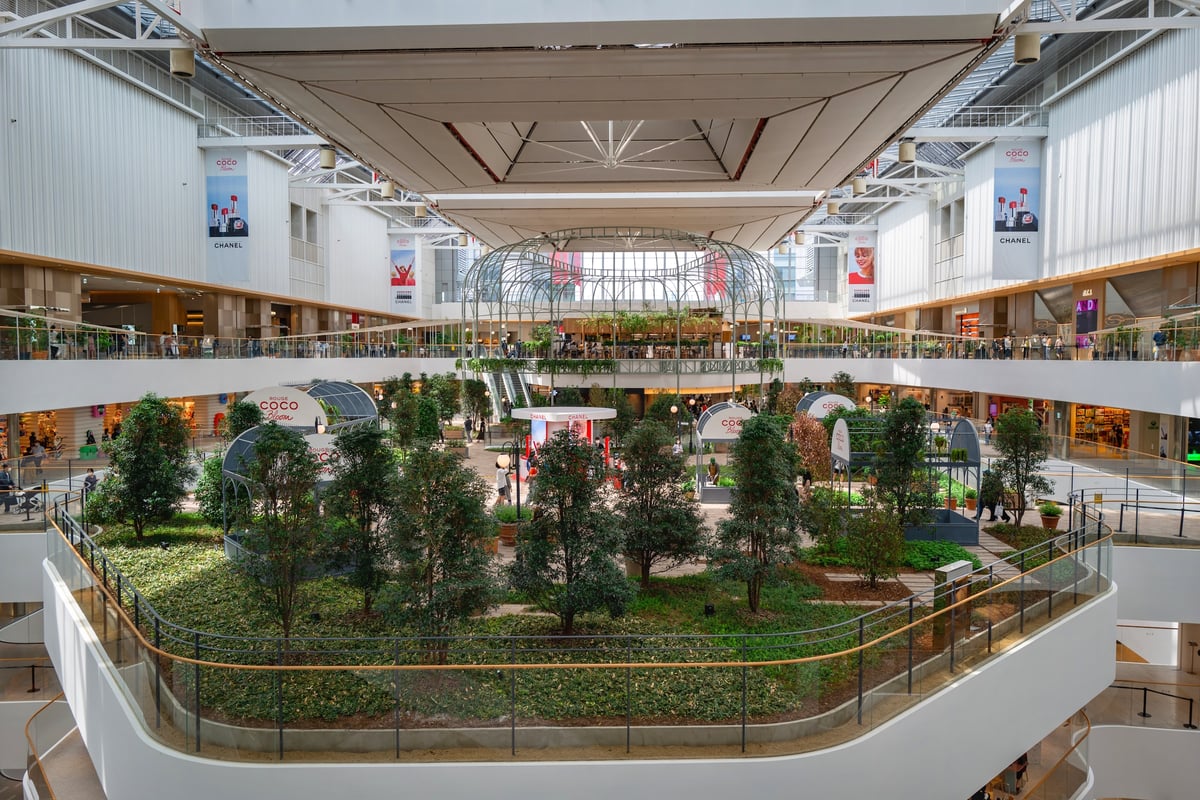
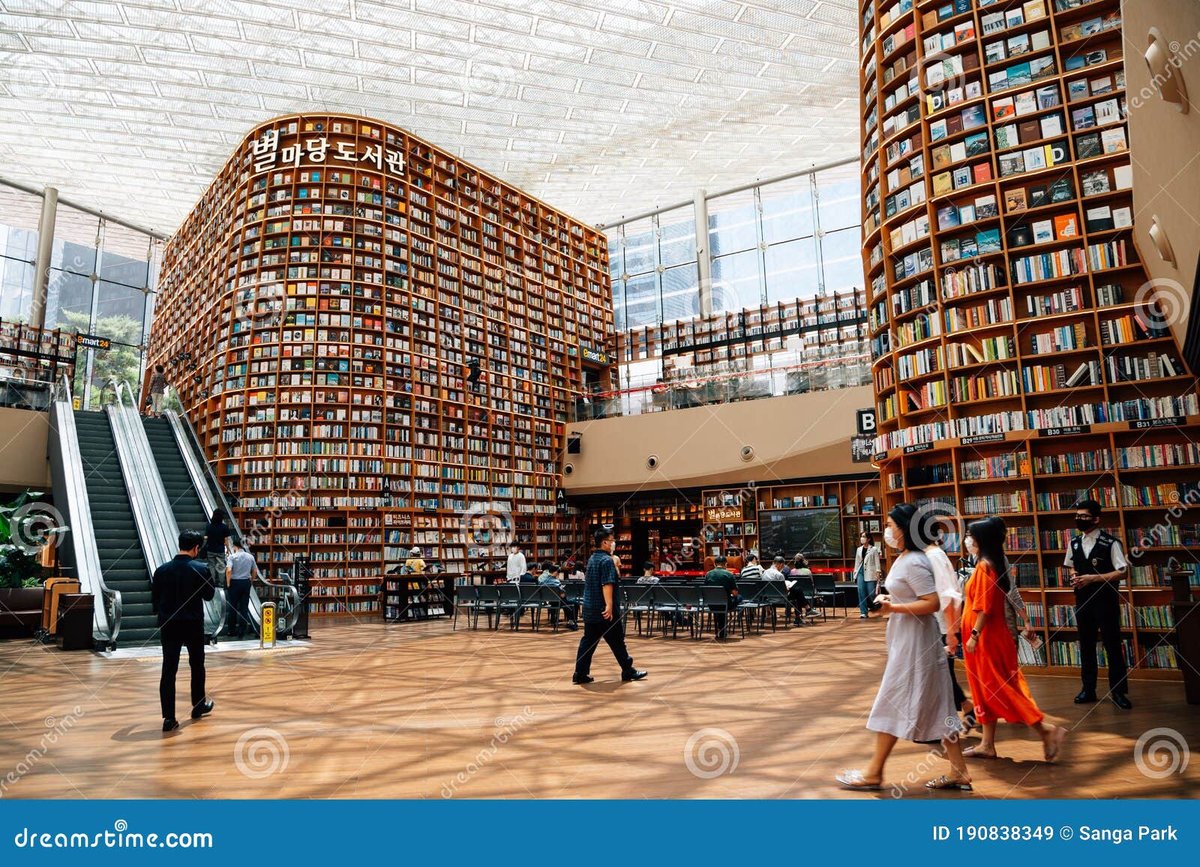
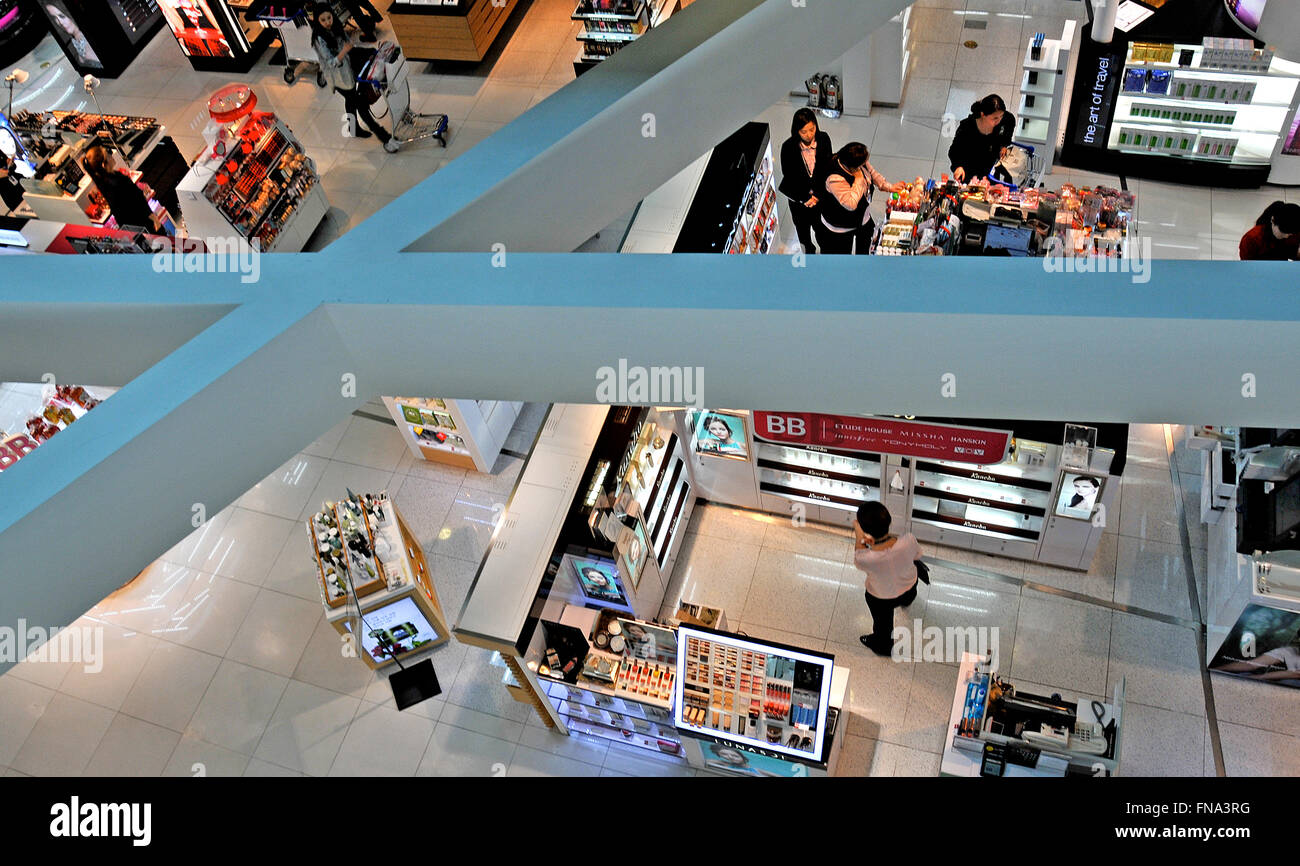
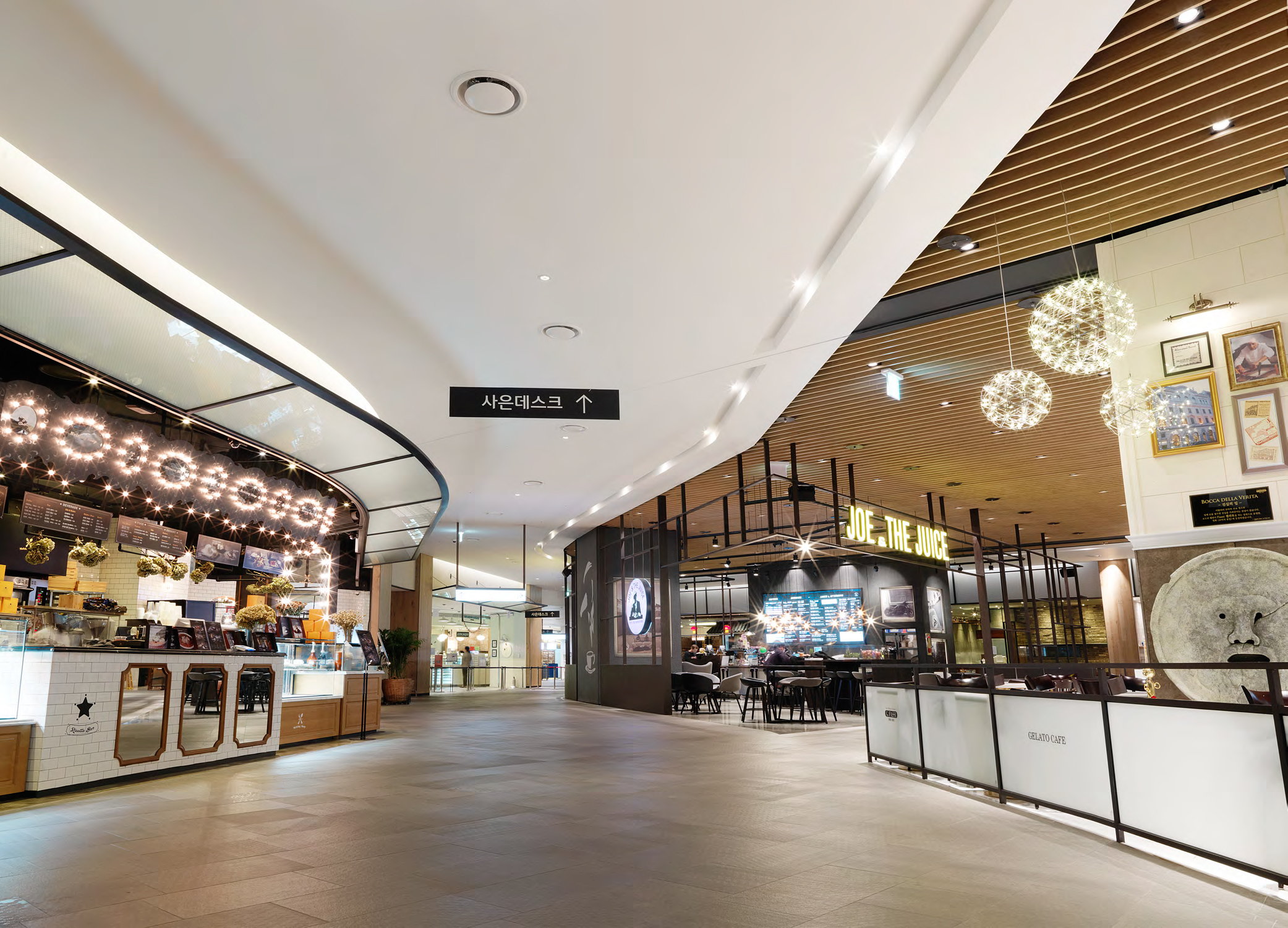
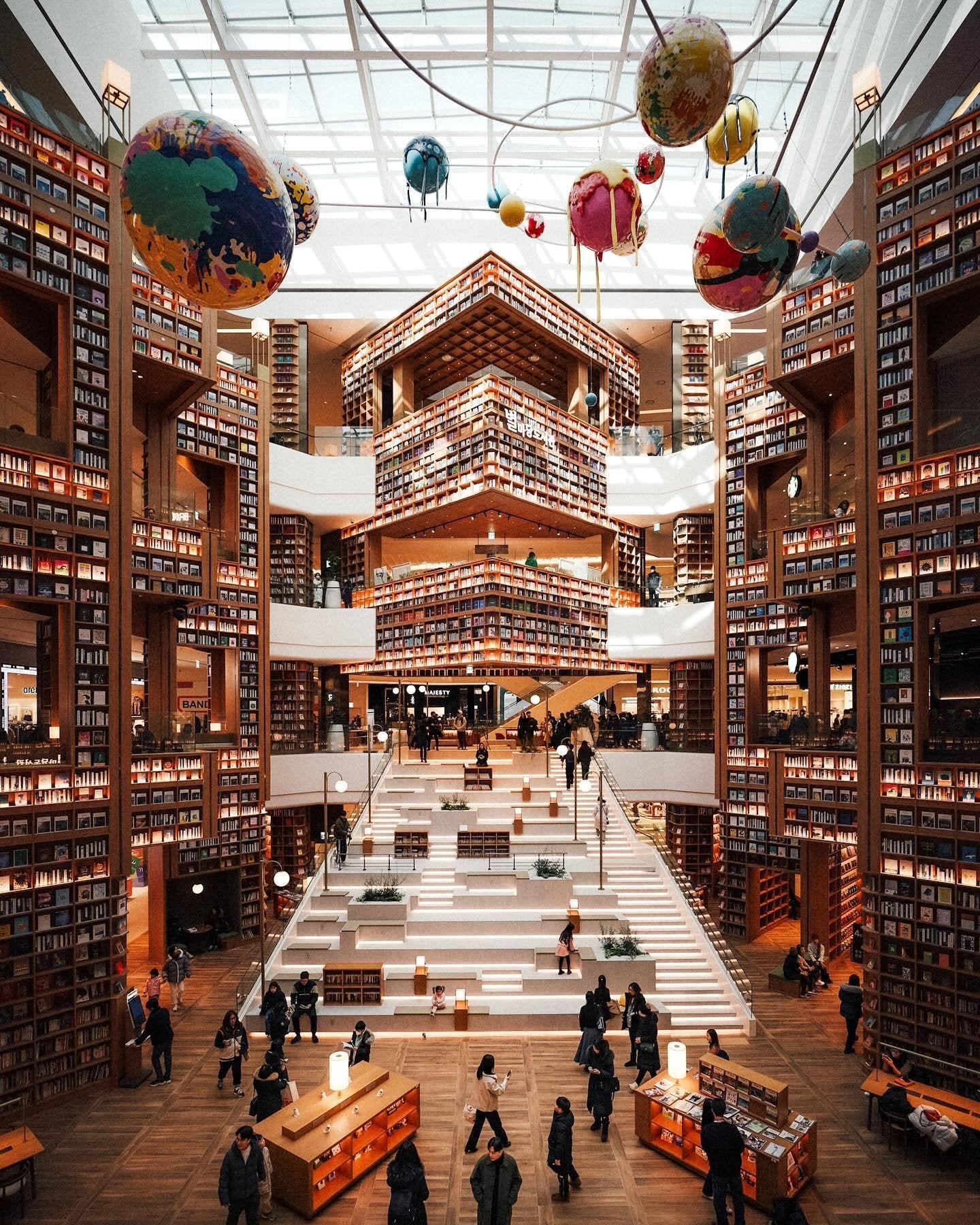
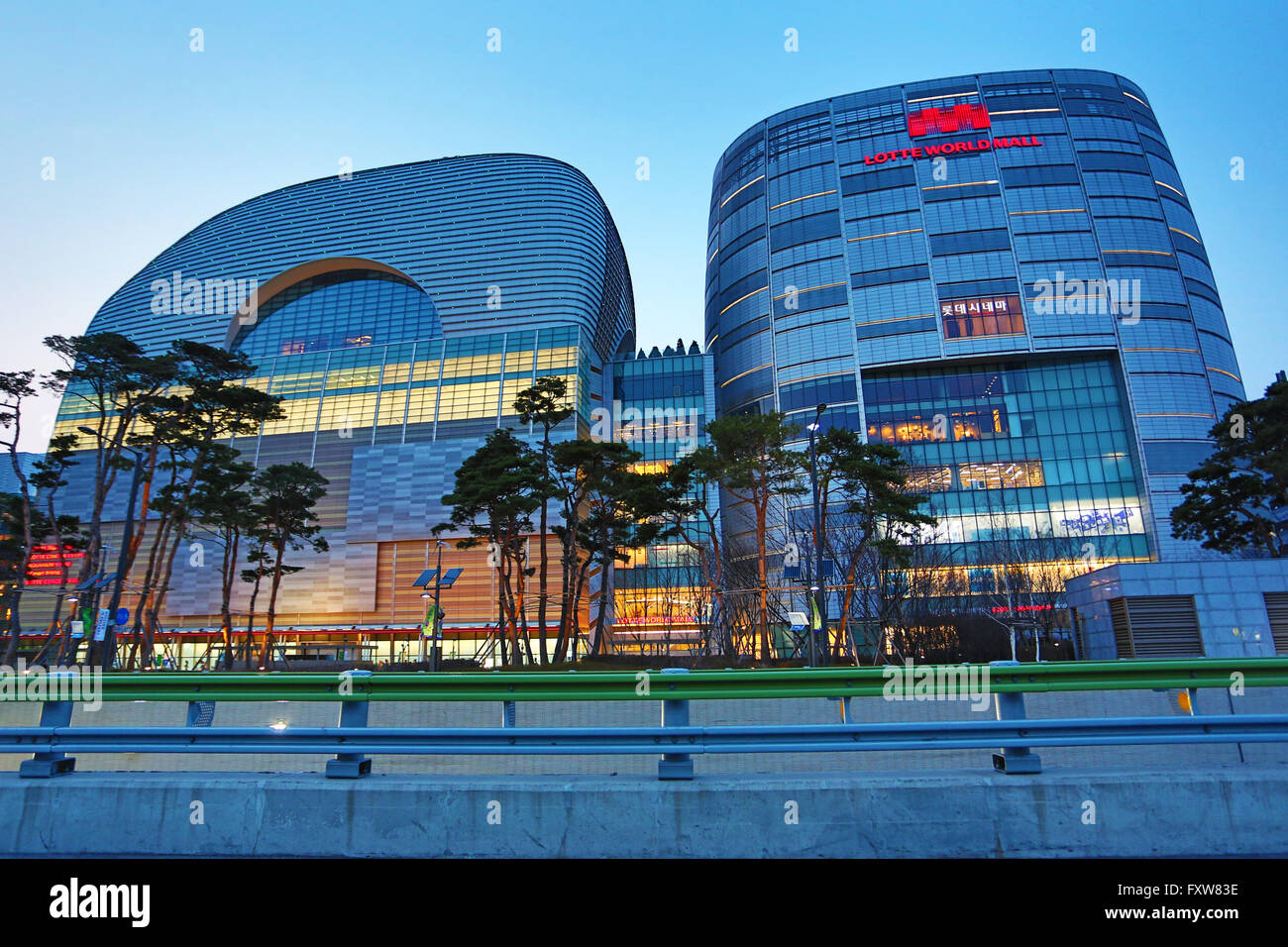
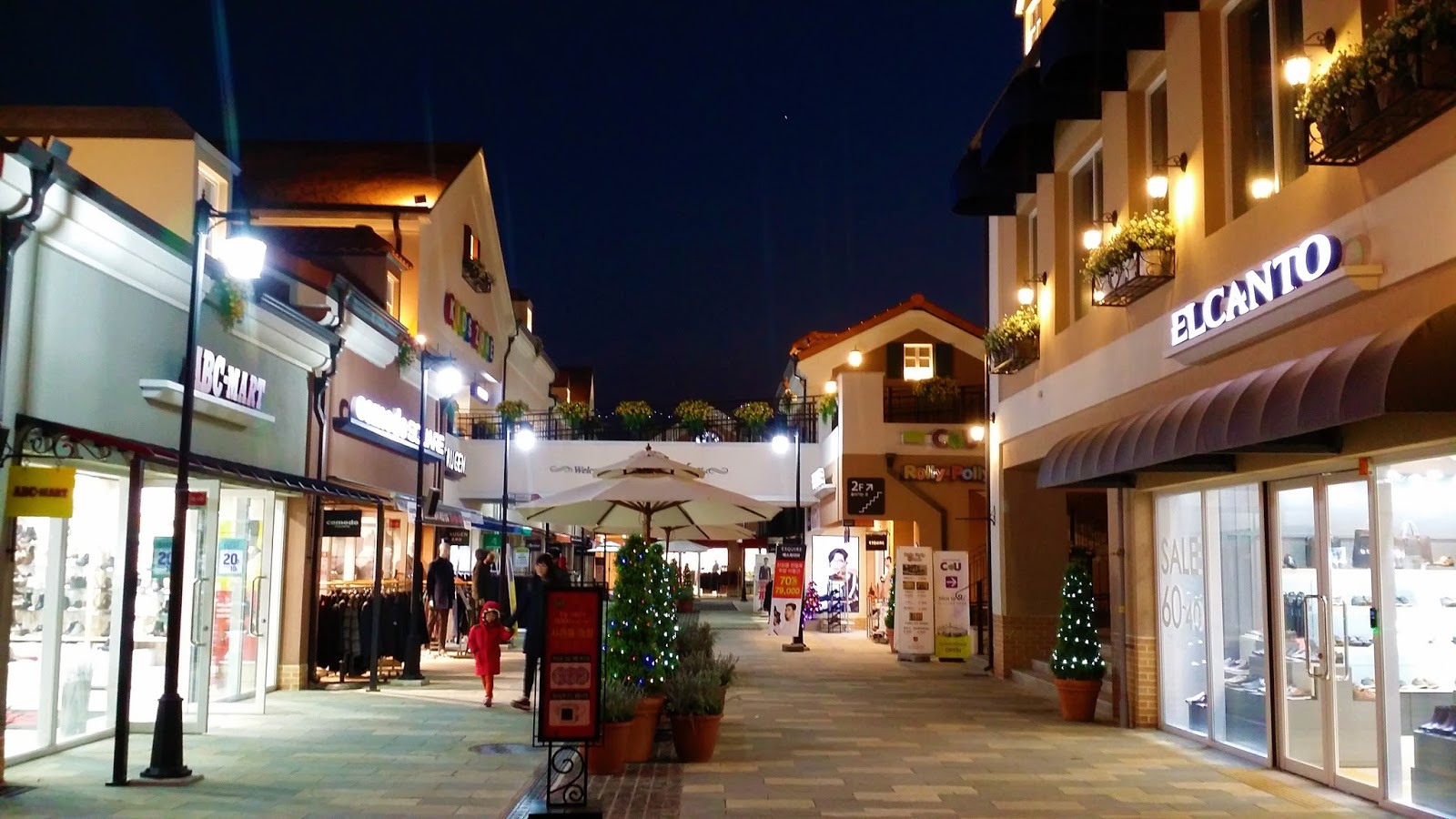
K City is a mid-sized retail complex in the Gangnam district of Seoul, South Korea, covering approximately 60,000 square meters of gross leasable area. Established in 2012, it features around 180 tenants spanning fashion, beauty, electronics, casual dining, and leisure services. The property holds a solid market position as a neighborhood-oriented destination, attracting local shoppers and some tourists due to its integration with nearby residential and office developments.
Footfall averages 8-10 million visitors per year, supported by excellent accessibility via Seoul Metro Line 2 and bus networks, with parking for 1,200 vehicles. Occupancy remains high at 92-95%, reflecting stable demand, while rent levels range from 15,000 to 25,000 KRW per square meter monthly, competitive within the district. The tenant mix emphasizes mid-range international and domestic brands like Uniqlo, H&M, and local eateries, complemented by anchor stores such as a mid-tier department section and cinema.
Demographic profile includes young professionals aged 25-40, families, and students from surrounding universities, with household incomes averaging 80-100 million KRW annually, higher than the Seoul average.
Leasing advantages include short-term pop-up spaces and co-marketing opportunities with events. However, drawbacks involve intense competition from larger venues like COEX Mall and Lotte World Mall, potentially diluting traffic. Aging infrastructure in common areas requires ongoing maintenance, and market saturation in apparel categories limits expansion potential.
Operational quality is generally good, but occasional overcrowding during peak hours affects customer experience. Regional retail reports indicate Gangnam's retail sales grew 4% in 2024, yet economic pressures from inflation could impact discretionary spending.
Overall, K City suits retailers targeting everyday essentials and lifestyle goods in a vibrant urban setting, though careful positioning against competitors is essential.
Interested in this property?
Choose how you'd like to proceed
Advertise at this property?
Reach high-intent shoppers across digital screens, atria, and experiential placements.
Hours of Operation
Hours
| Monday | 10:00 AM — 09:00 PM |
| Tuesday | 10:00 AM — 09:00 PM |
| Wednesday | 10:00 AM — 09:00 PM |
| Thursday | 10:00 AM — 09:00 PM |
| Friday | 10:00 AM — 10:00 PM |
| Saturday | 10:00 AM — 10:00 PM |
| Sunday | 11:00 AM — 06:00 PM |
Hours may vary on public holidays. Check with individual stores for specific holiday schedules.
Insights
Demographics and Footfall
K City draws a diverse demographic primarily from Gangnams young urban professionals and families, with 60% of visitors aged 20-44 and average household incomes exceeding 90 million KRW yearly, per local market analyses. Annual footfall reaches about 9 million, boosted by proximity to office towers and educational institutions, ensuring consistent weekday traffic. However, weekend surges can lead to congestion, and reliance on local shoppers exposes it to shifts in employment trends in the area. This profile supports stable performance for mid-market retailers but may limit luxury brand viability compared to upscale malls.
Competition and Market Position
Positioned as a community hub, K City faces stiff competition from mega-centers like Starfield COEX and The Hyundai Seoul, which boast higher visitor numbers and broader attractions, potentially capturing 30-40% more tourist traffic. Local reports highlight Gangnams retail saturation, with over 20 similar venues within 5 km, pressuring rent negotiations. Strengths include lower entry barriers for smaller tenants and targeted local marketing, but risks involve tenant churn if larger rivals expand. Retailers should assess co-tenancy clauses to mitigate impacts from anchor vacancies.
Lease Terms and Operational Factors
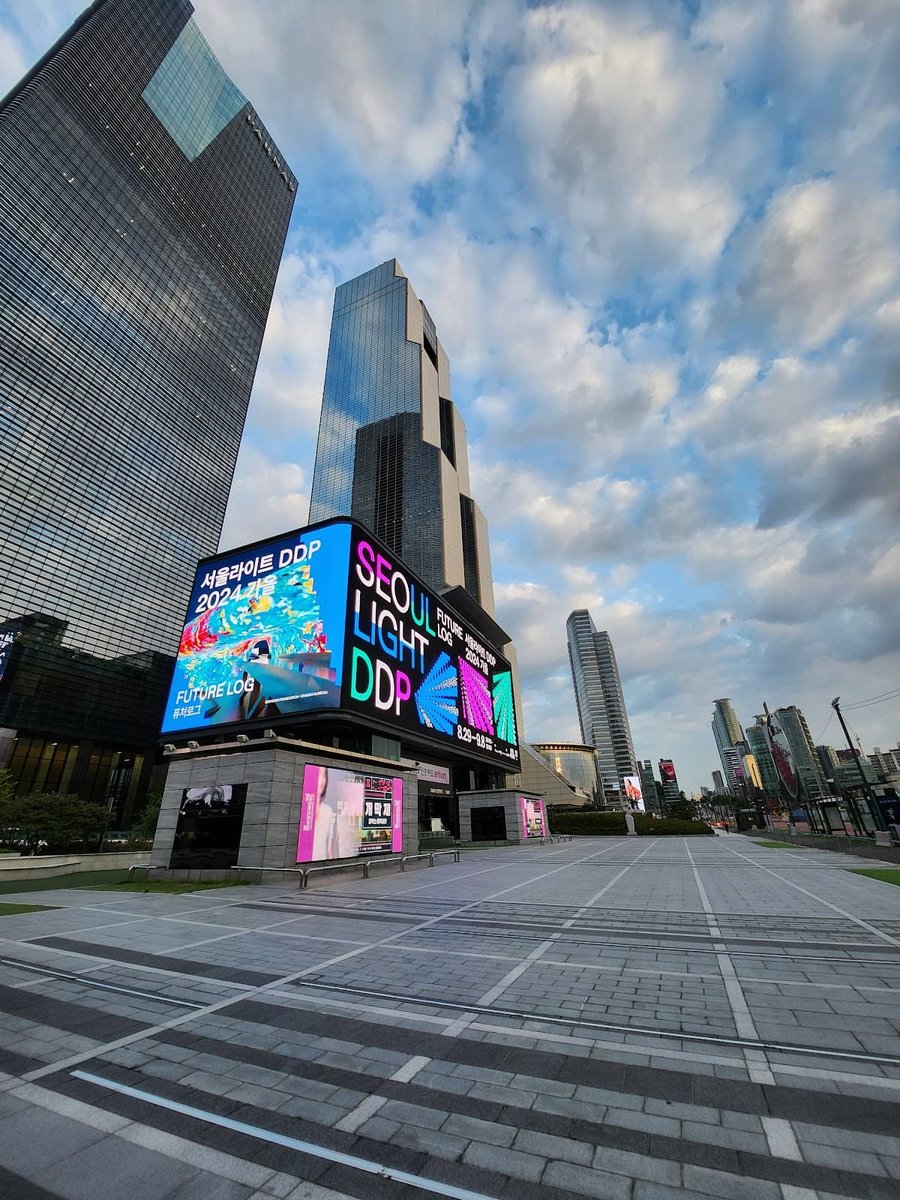
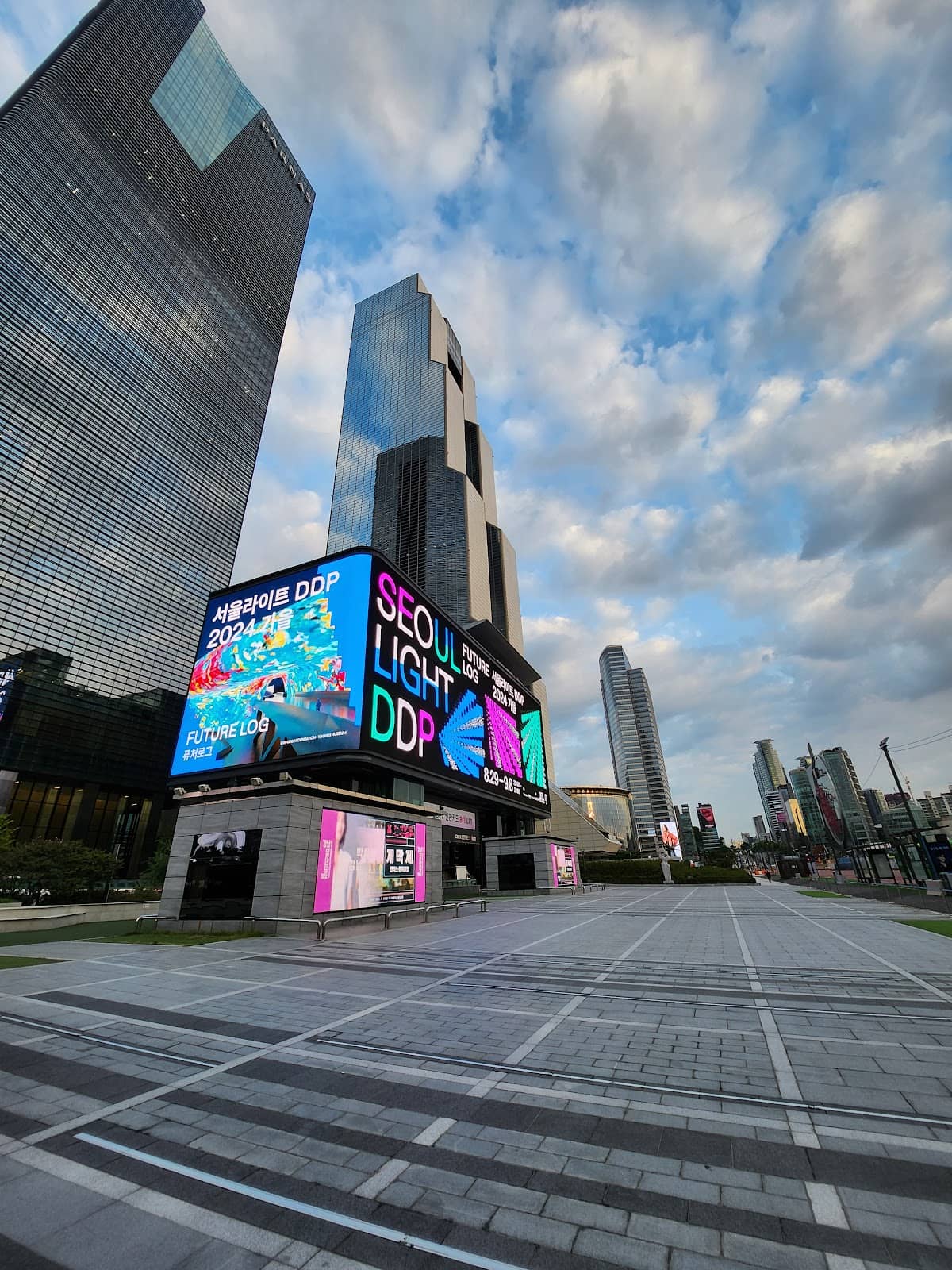
Lease structures at K City offer flexibility with terms of 3-5 years and base rents averaging 20,000 KRW/sqm/month, plus 10-15% turnover rent, making it accessible for emerging brands per commercial real estate data. Advantages encompass modern HVAC systems and digital signage for promotions, alongside 24/7 security. Challenges include rising utility costs and occasional subway disruptions affecting accessibility. Occupancy at 94% indicates strong management, but infrastructure updates are needed to address wear in high-traffic zones, influencing long-term operational costs for tenants.
Building Details
Detailed Market Analytics
City Snapshot
Seoul
Comprehensive market intelligence for retail expansion in this city

Other Retail Destinations in Seoul
Discover more shopping centers in Seoul.
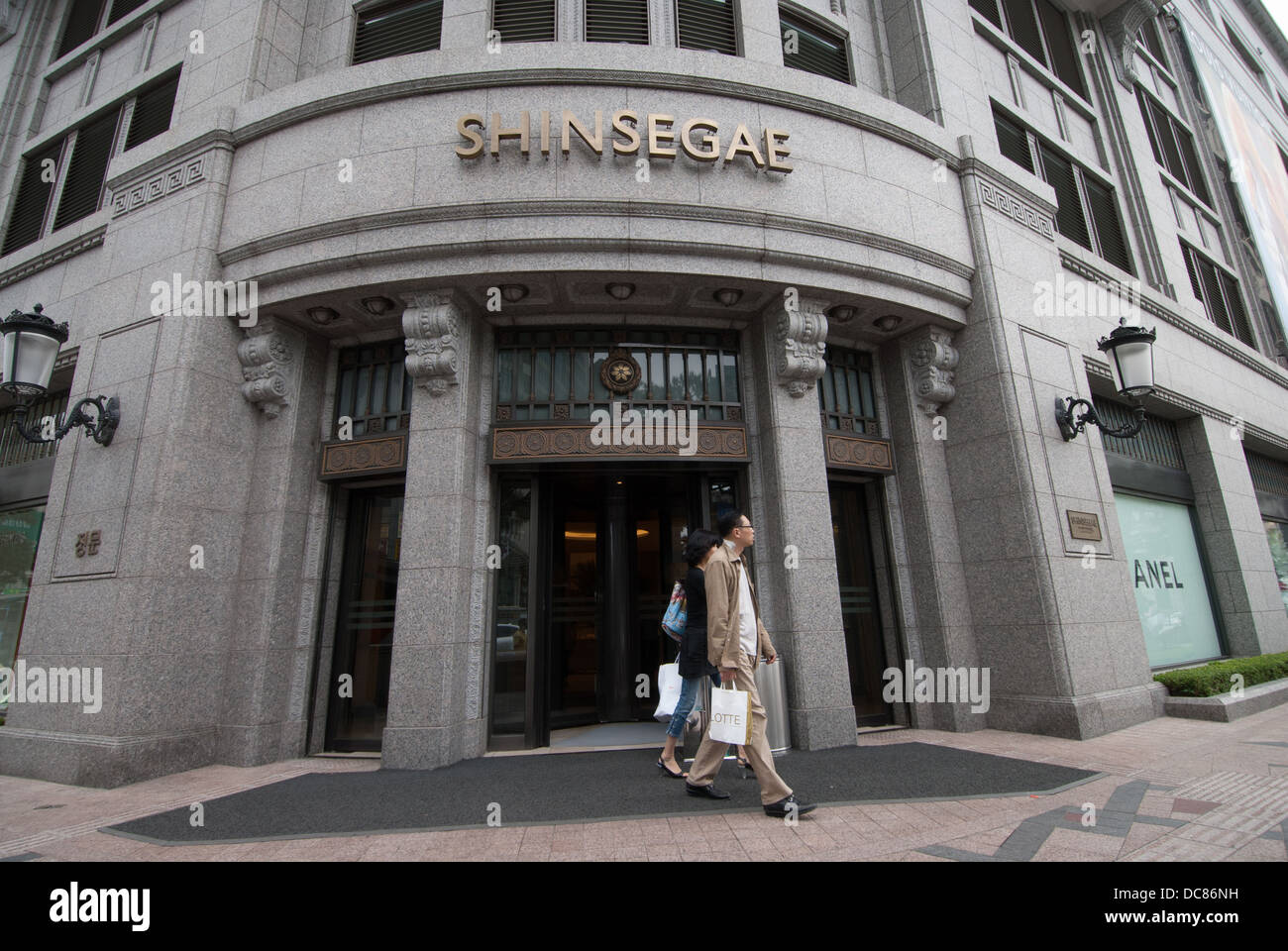
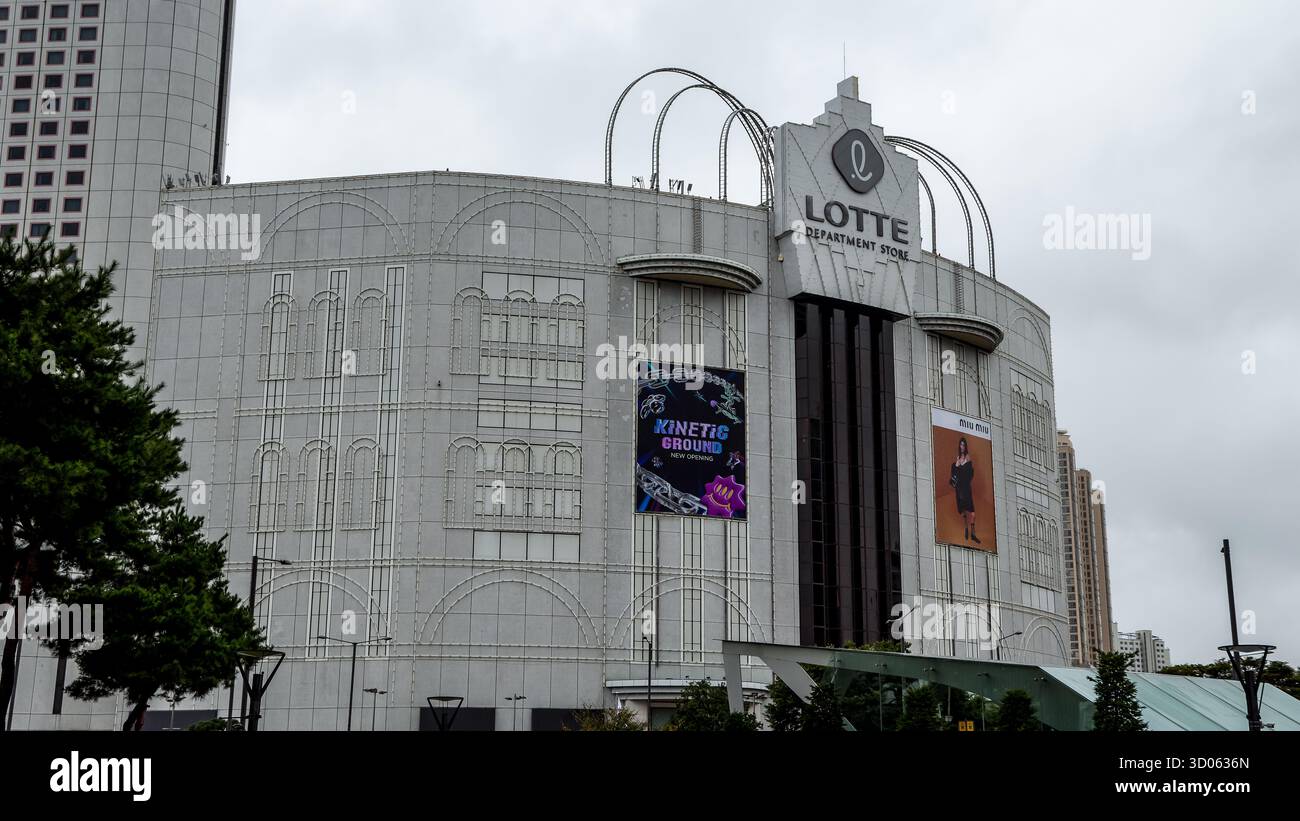
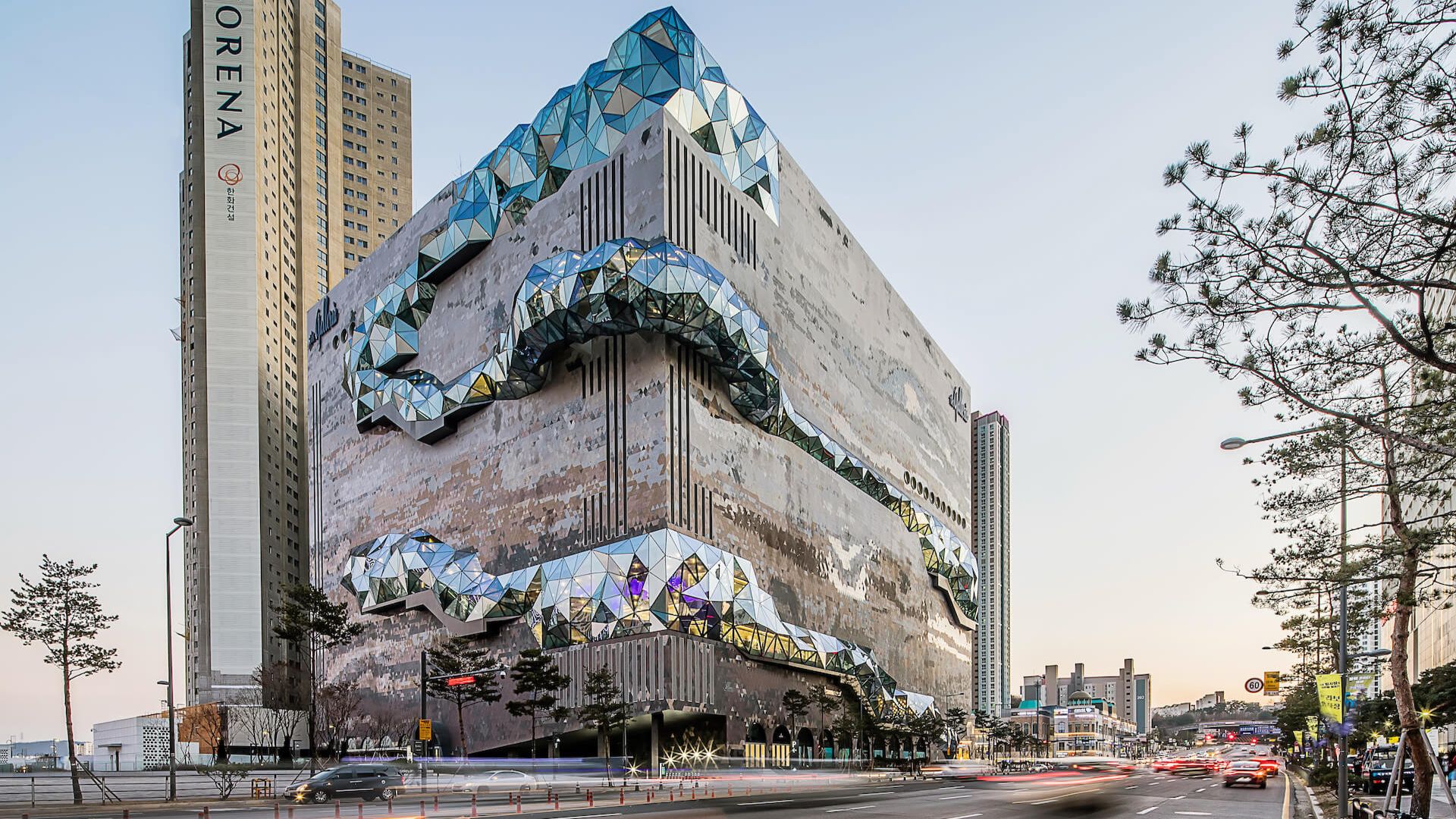
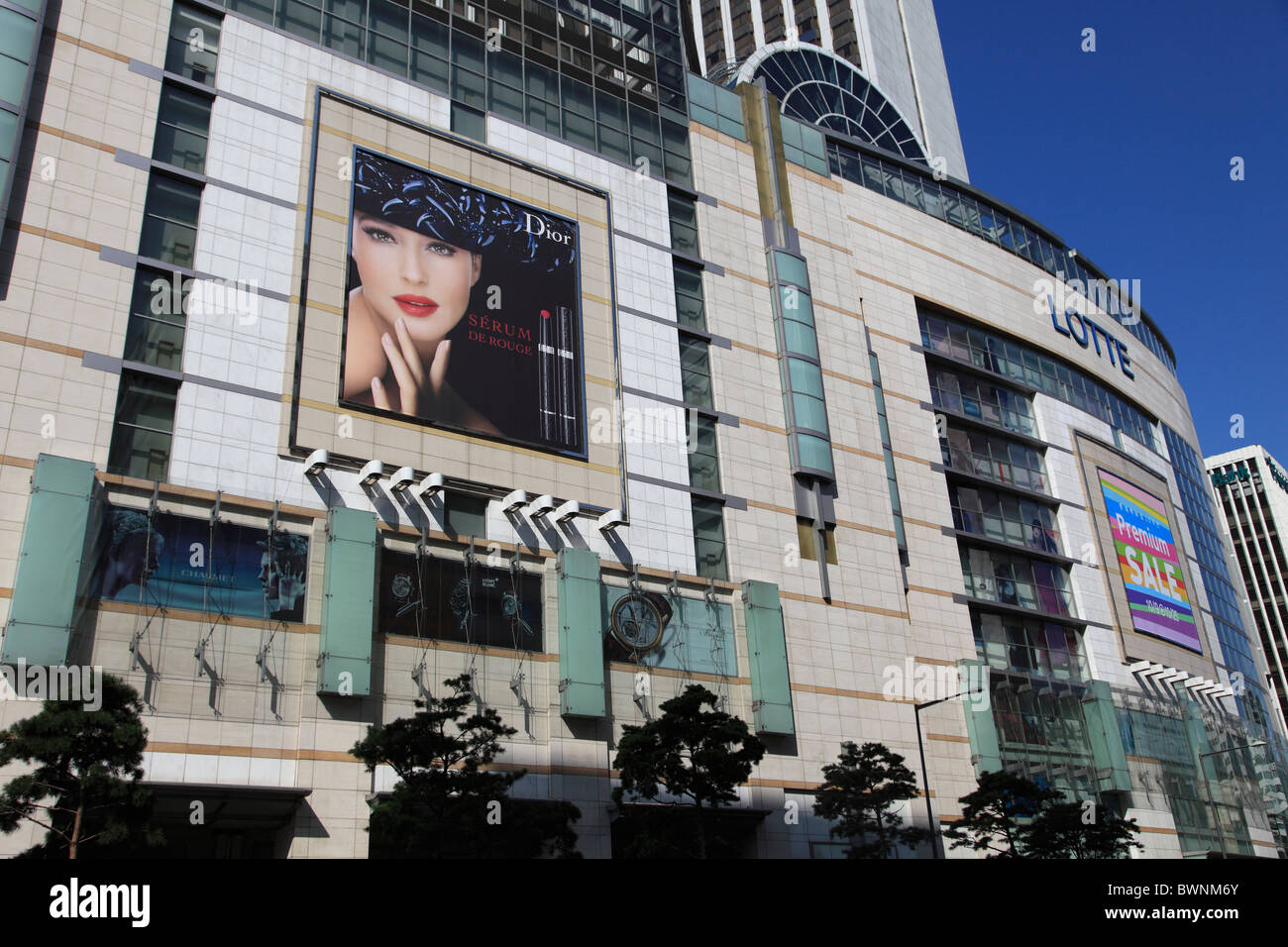
Popular in South Korea
Top retail destinations across South Korea.
Interested in this property?
Choose how you'd like to proceed
Advertise at this property?
Reach high-intent shoppers across digital screens, atria, and experiential placements.
City Snapshot
Seoul
Comprehensive market intelligence for retail expansion in this city