Brand Fit Snapshot
Best for:
Not ideal if:
Similar properties you might like:
Quick assessment - takes 30 seconds
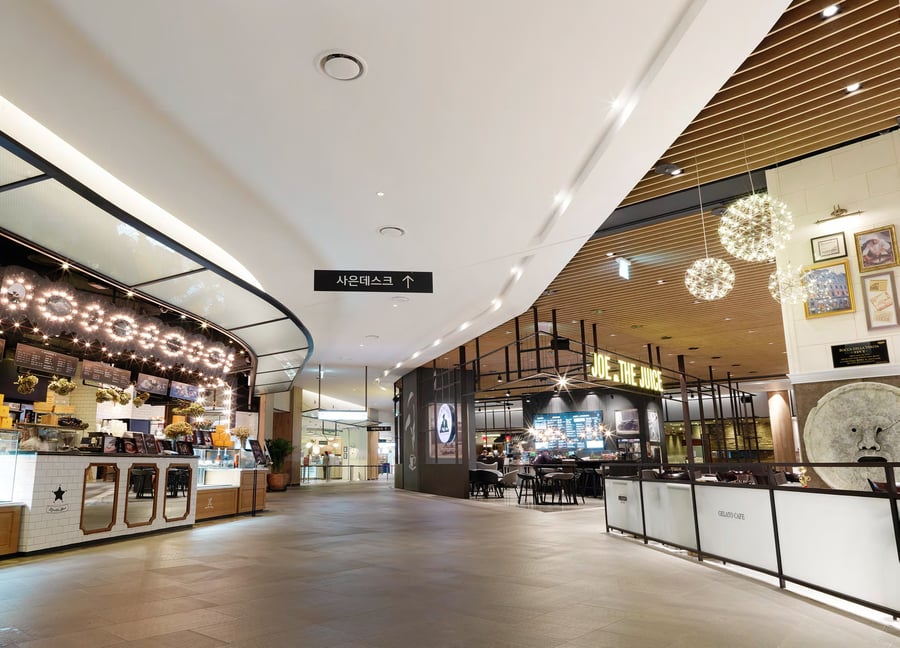
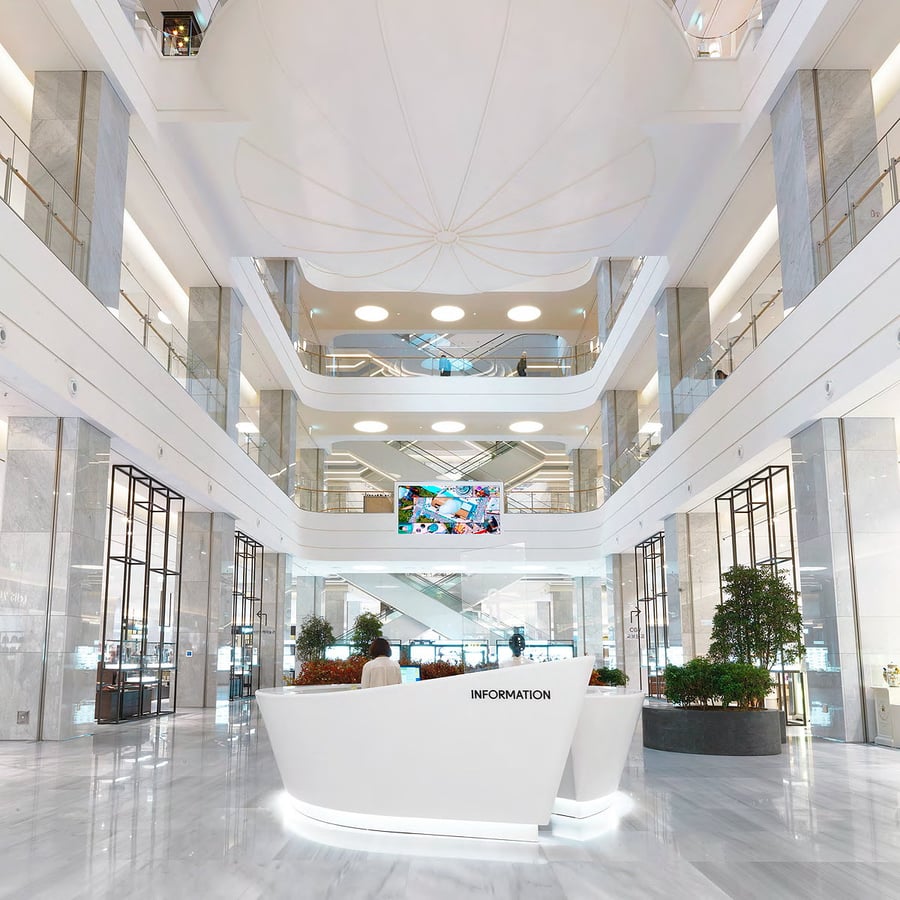
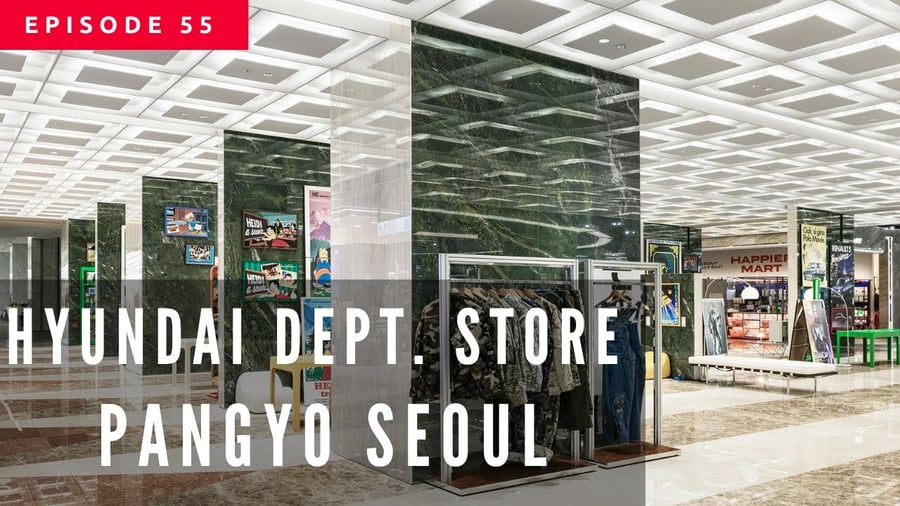
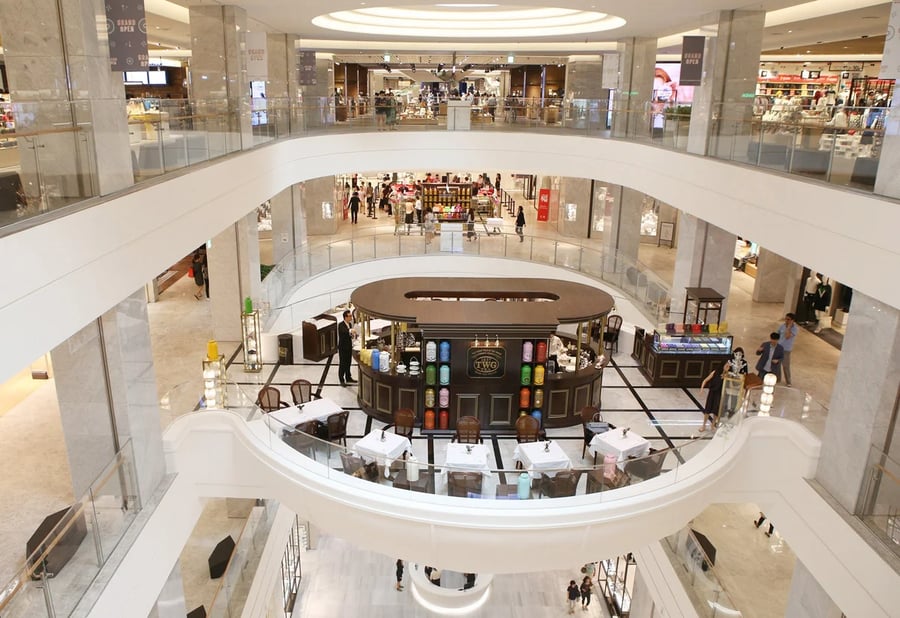
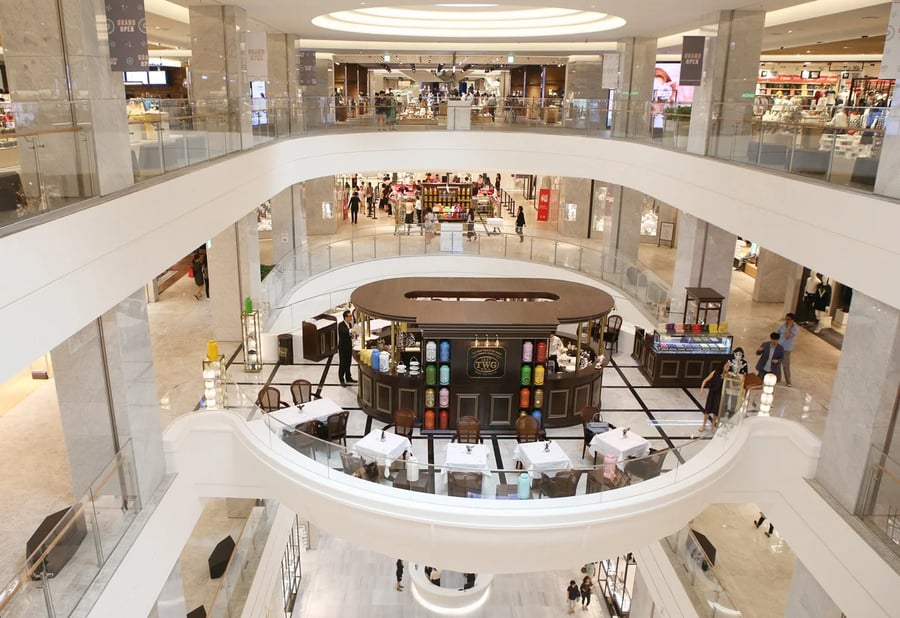
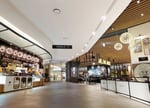
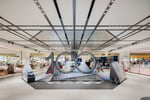
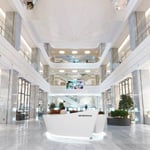
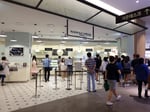
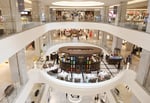
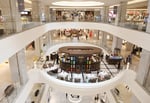
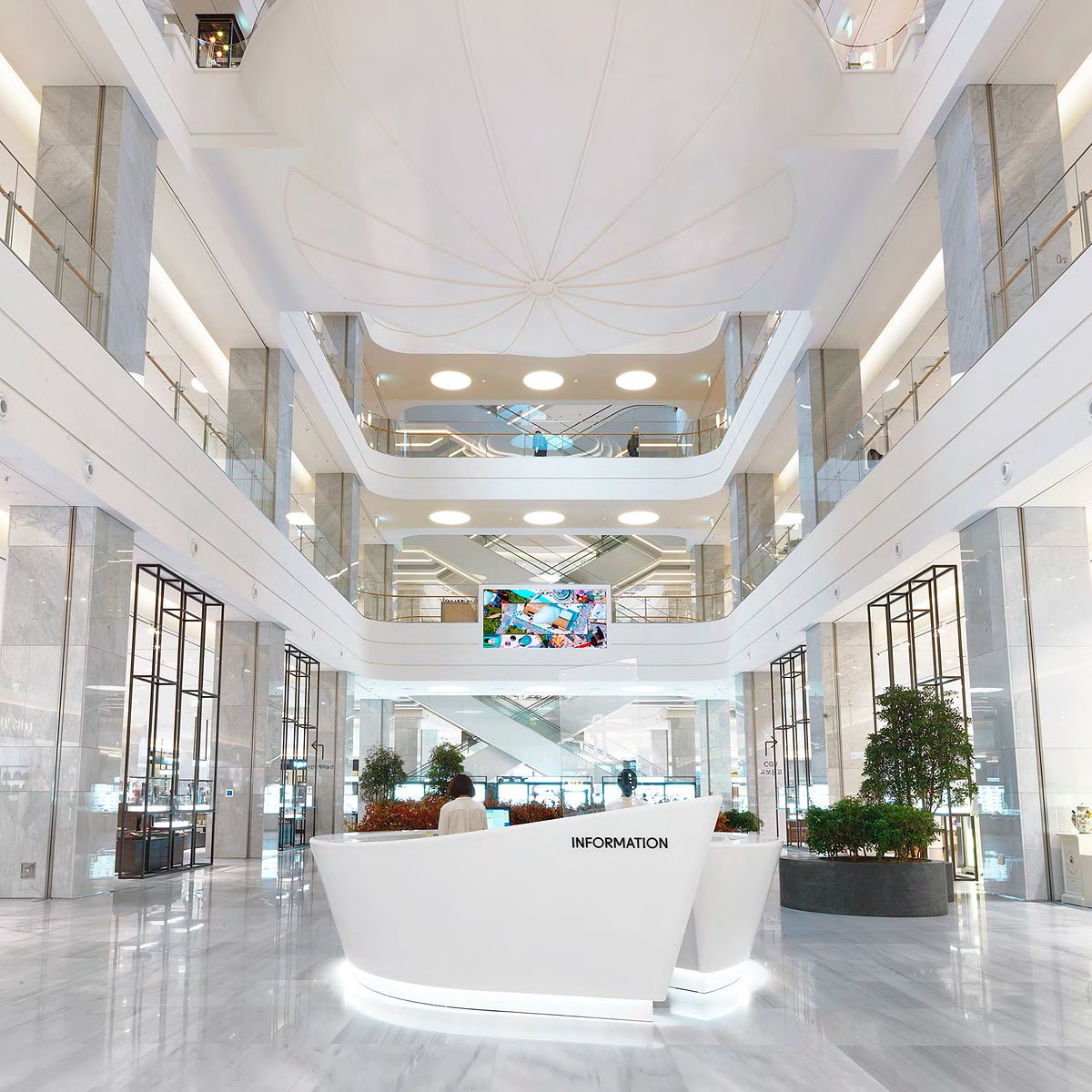
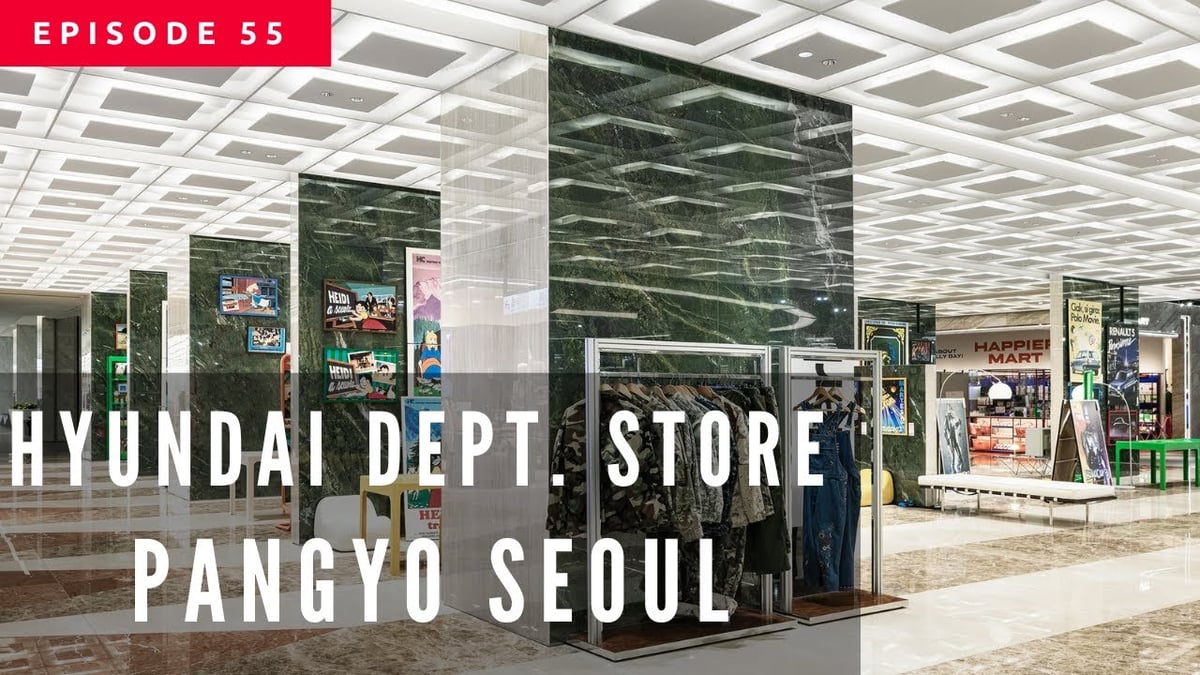
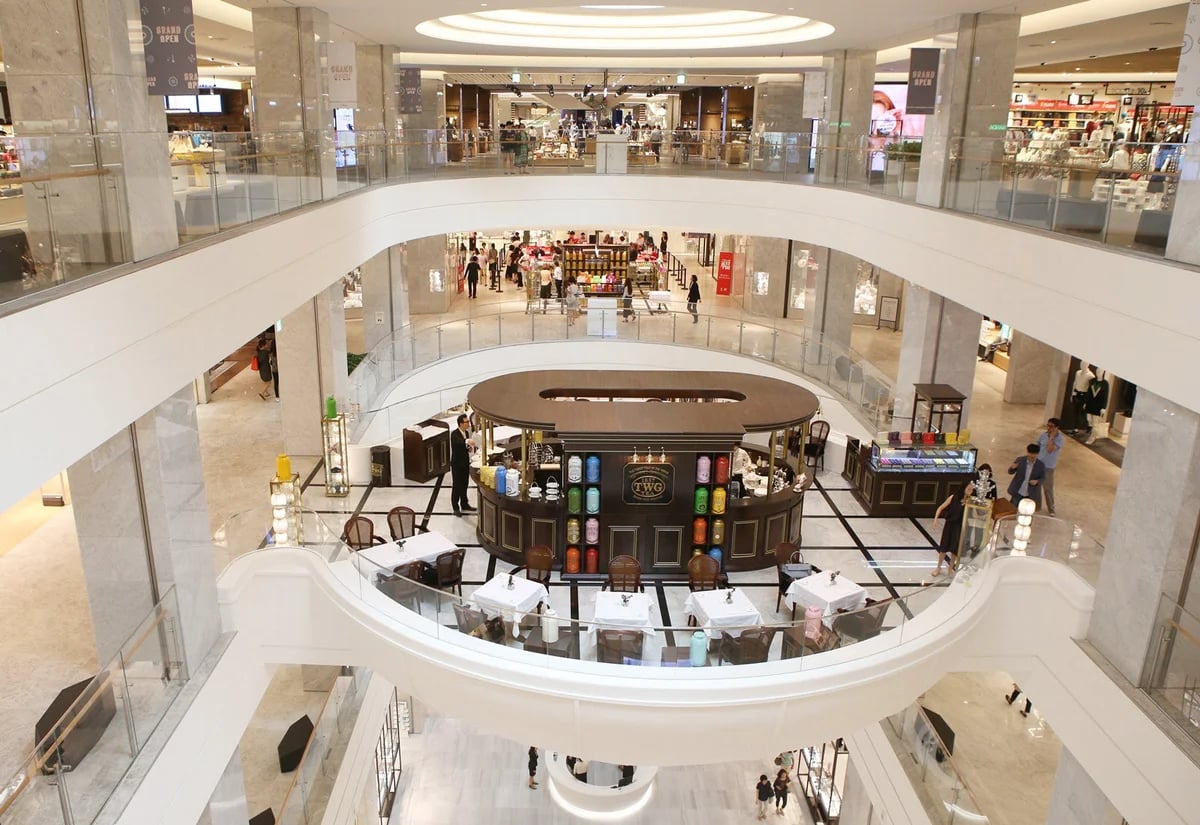
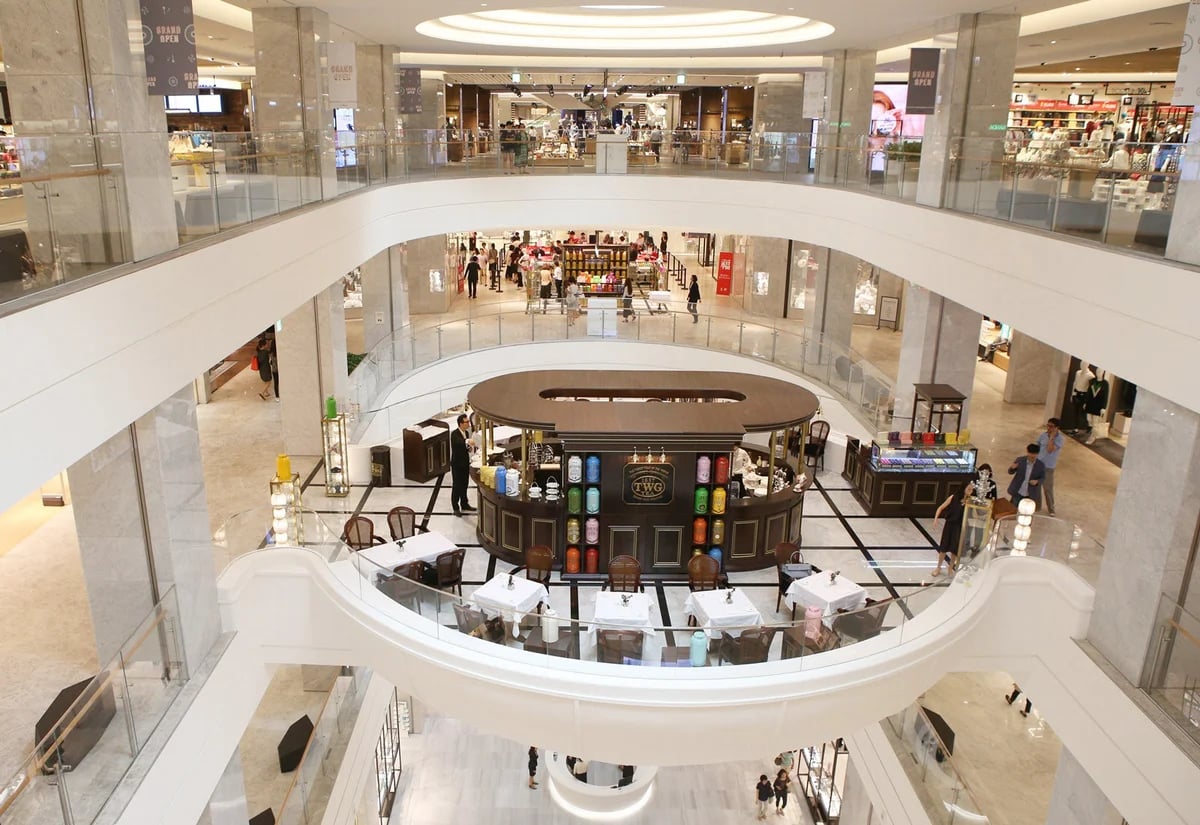
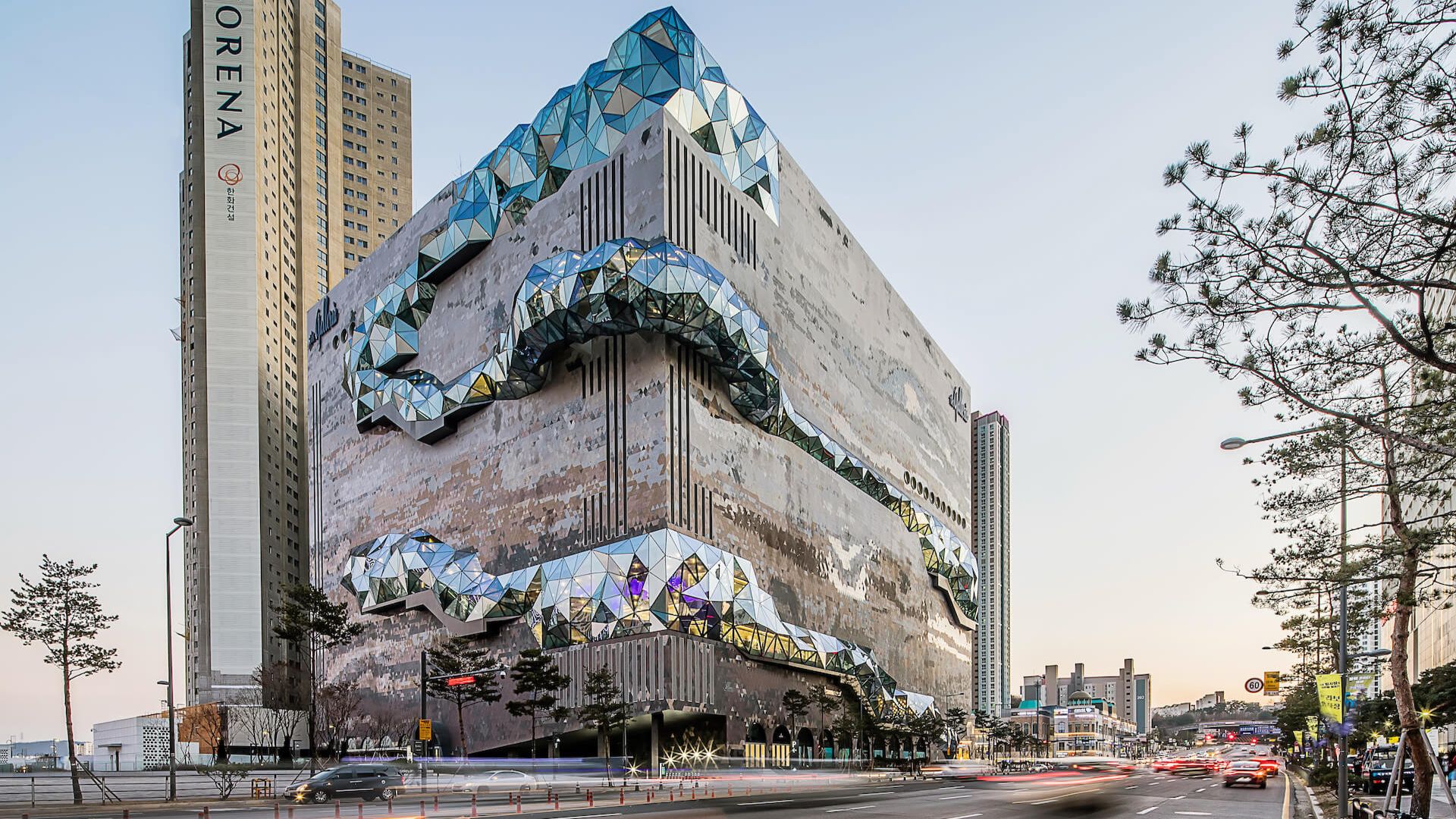
Hyundai Department Store Pangyo, located at 20 Pangyoyeok-ro 146beon-gil in Bundang-gu, Seongnam-si, Gyeonggi-do, opened on August 21, 2015, as the first mall-type department store for the Hyundai chain.
Spanning multiple floors, it is the largest department store in the Seoul metropolitan area by size and sales, with annual sales reaching approximately 1.73 trillion won in 2024, reflecting a 213.8 billion won increase from the prior year, the highest among national department stores. The property benefits from its proximity to Pangyo Station on the Shinbundang Line, ensuring strong accessibility via public transport and serving the affluent Pangyo New Town, a hub for high-tech firms like Kakao and Naver.
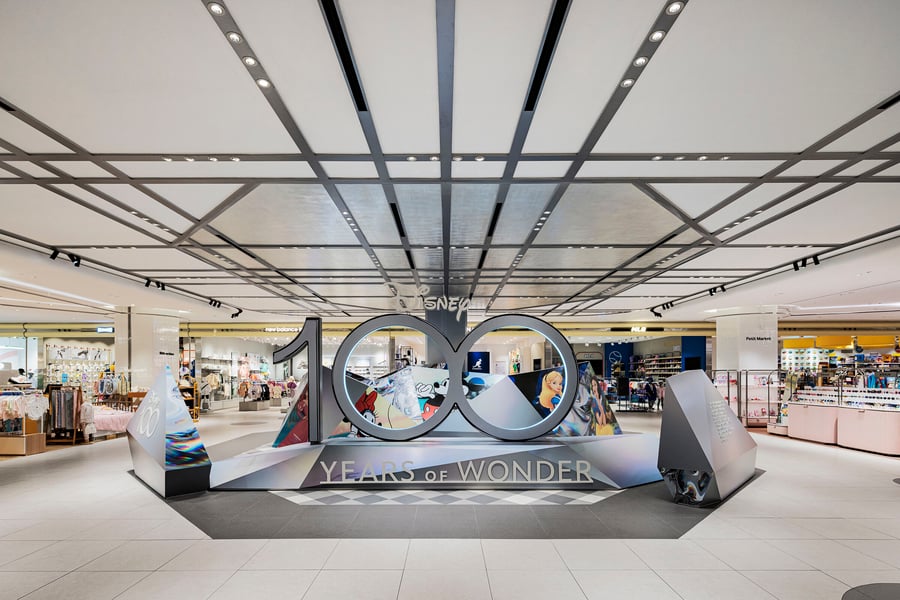
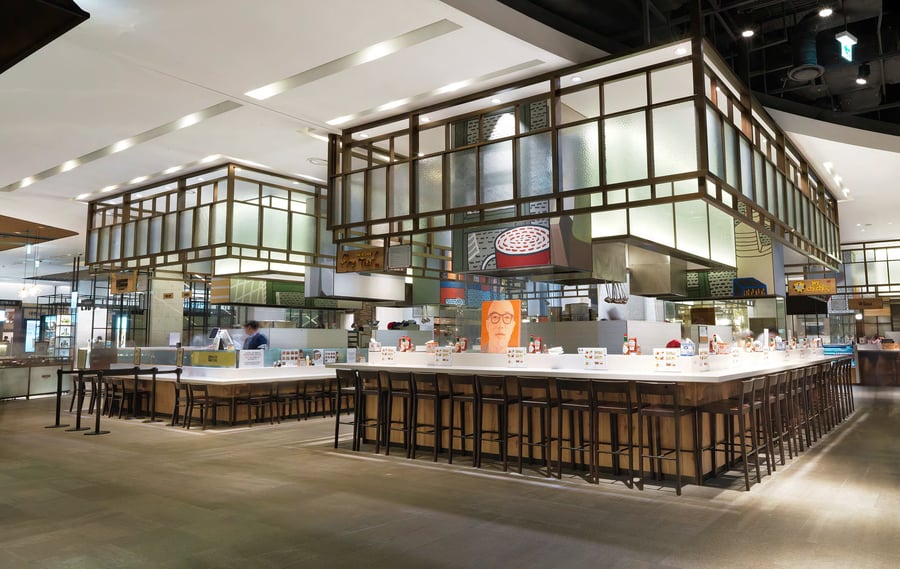
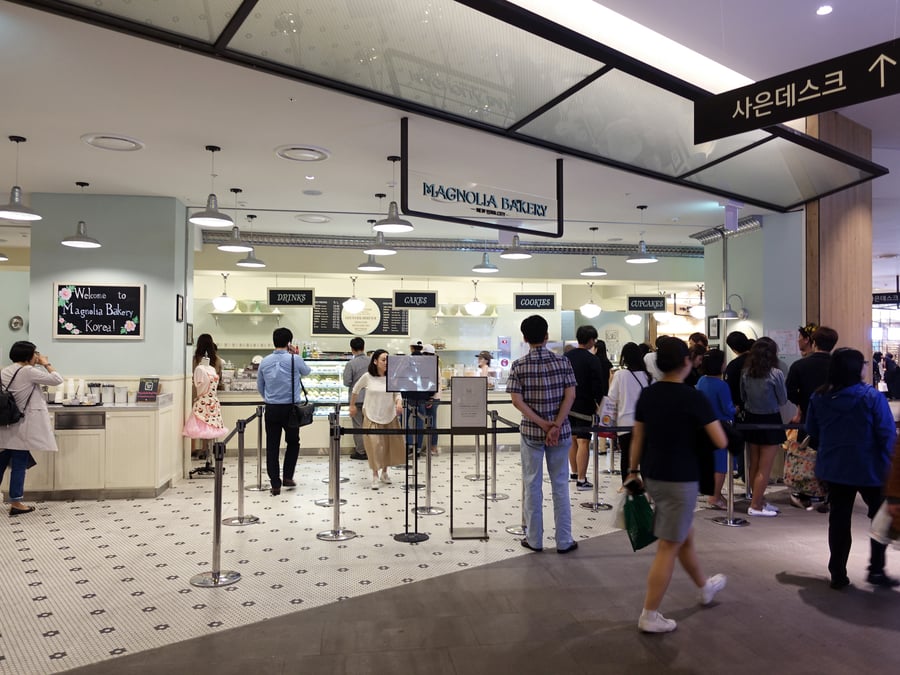
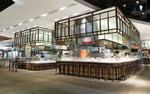
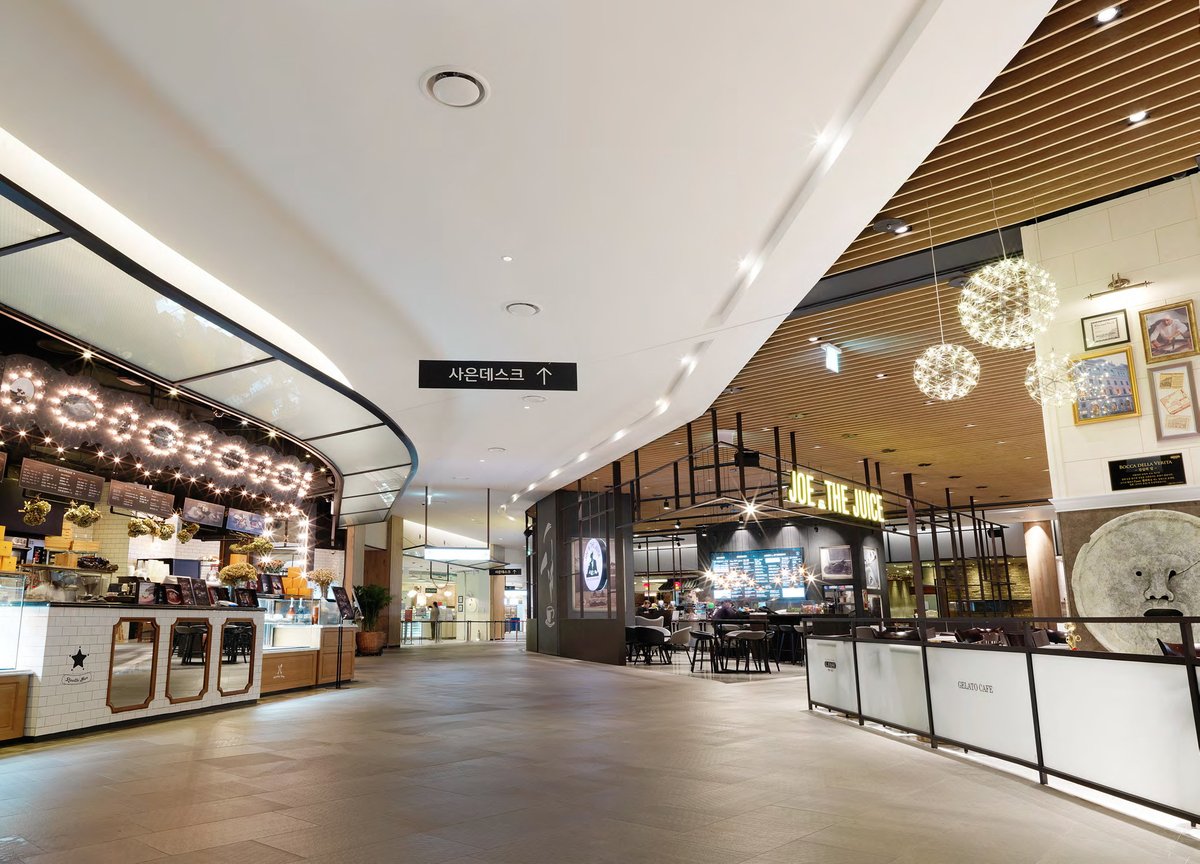
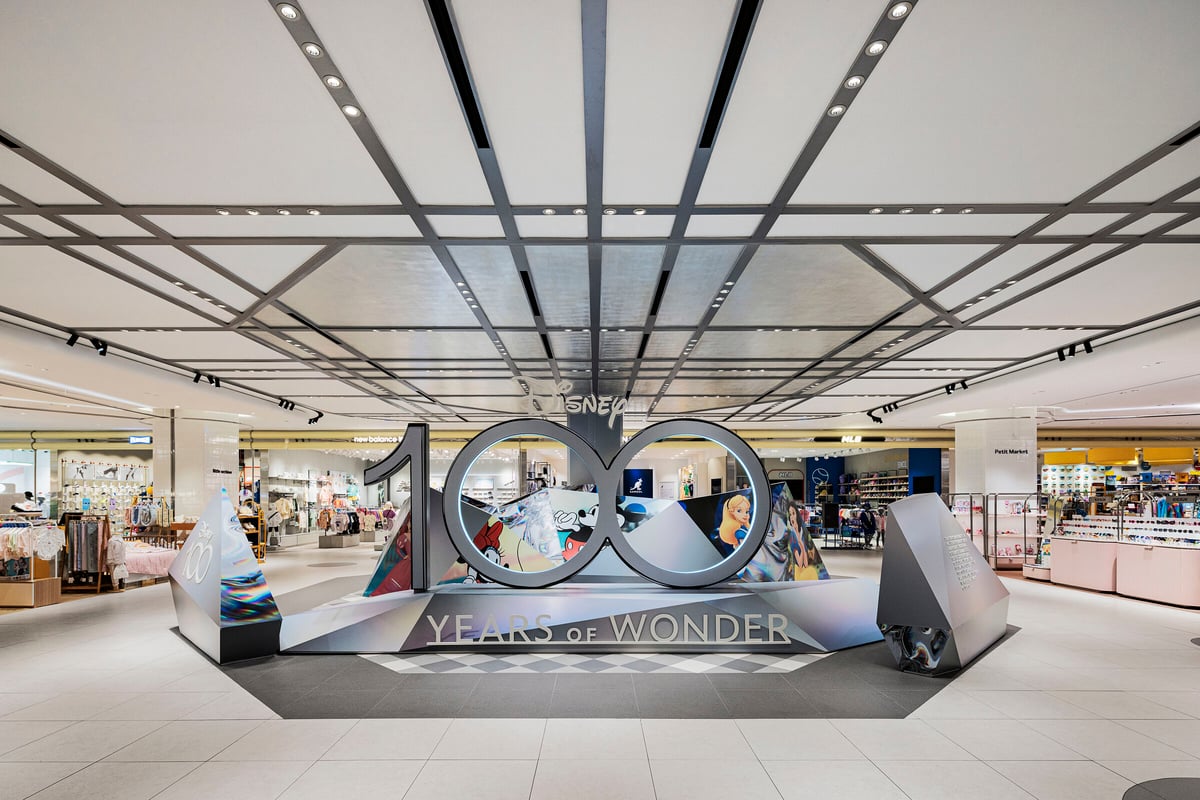
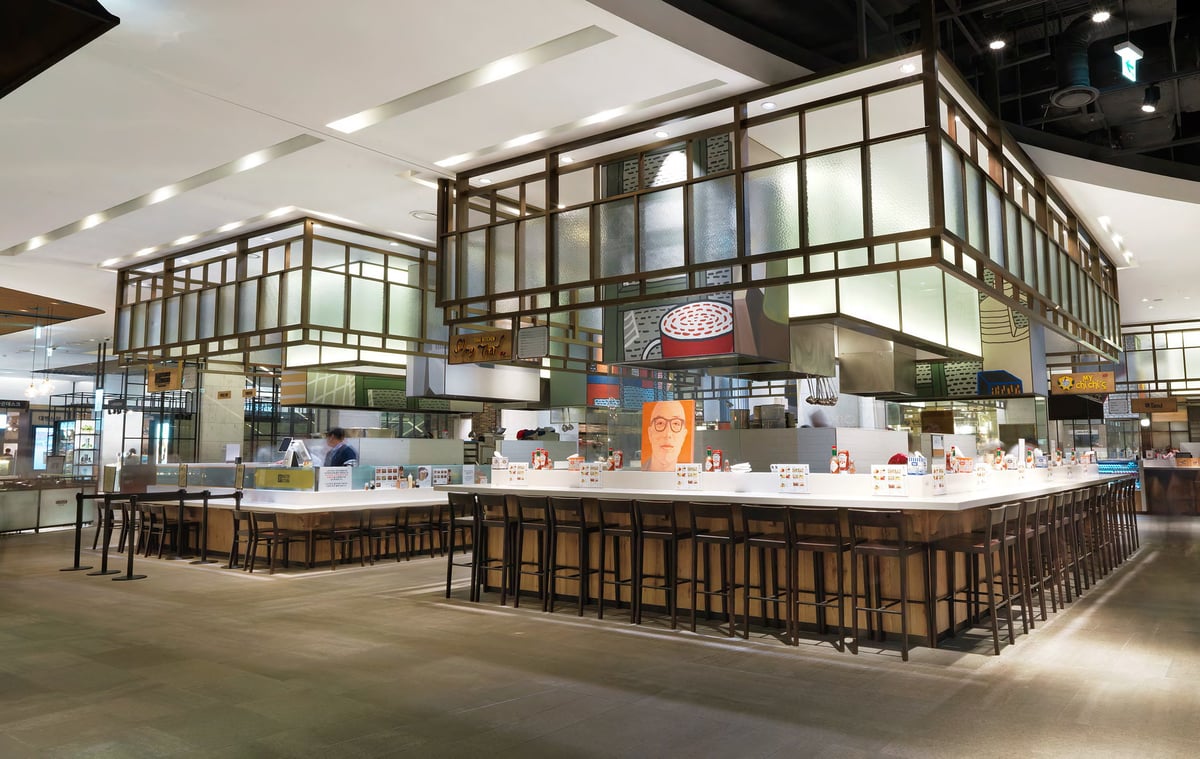
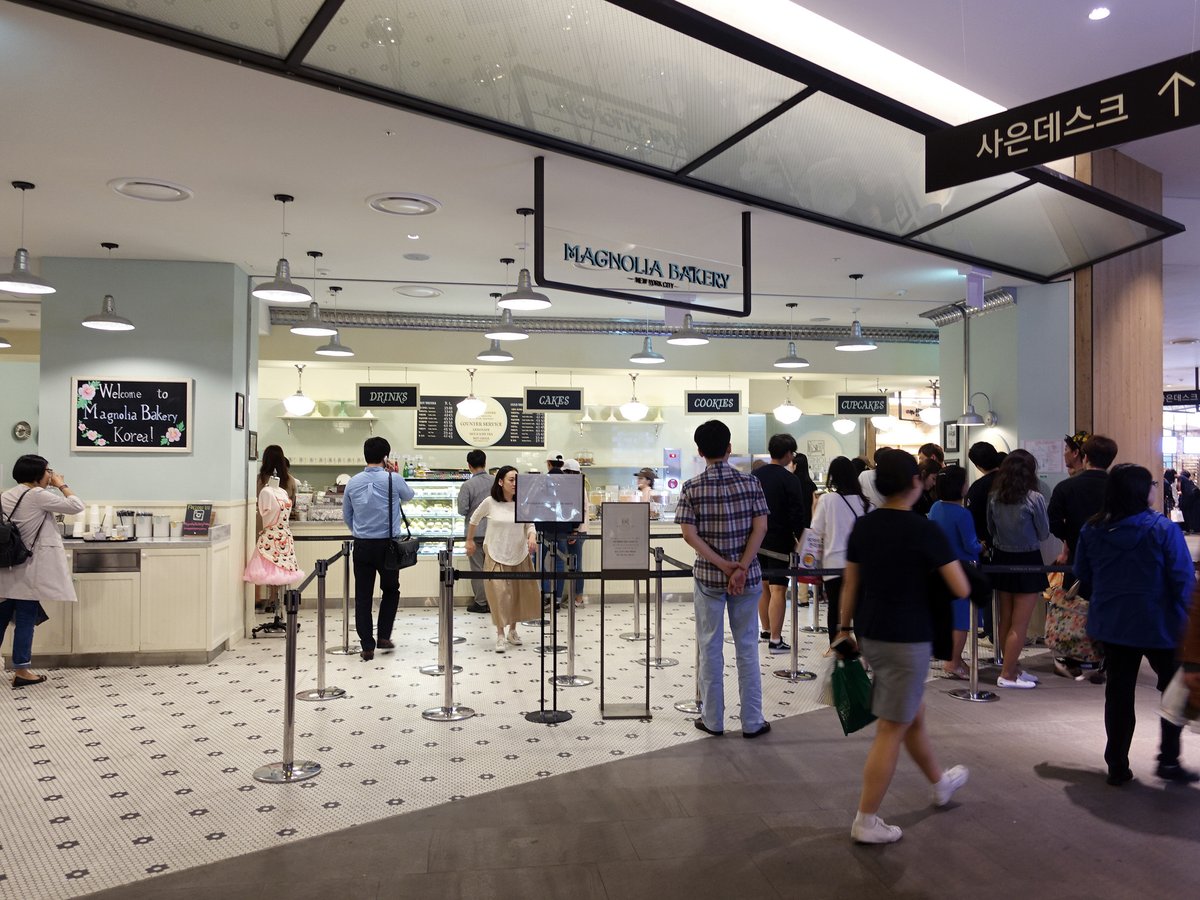
Tenant mix emphasizes luxury and premium retail, featuring high-end brands such as Louis Vuitton, Hermes, Rolex, Cartier, Bulgari, and Van Cleef & Arpels on upper floors, alongside global fashion, cosmetics (Prada, TOM FORD), and accessories on lower levels. The fourth-floor U-PLEX targets the MZ generation with youthful lifestyle offerings, complemented by diverse food courts and dining options.
Market position remains dominant in southern Gyeonggi despite competition from Galleria Gwanggyo and Lotte Department Store Dongtan, with sales 2-3 times higher than rivals.
Leasing advantages include high footfall from young professionals and families, robust occupancy rates around 95%, and premium positioning that supports elevated rent levels of 20-30 million won per pyeong annually, though challenges involve intense luxury category competition and potential economic sensitivity in high-end spending.
Operational quality is modern with no noted aging infrastructure issues, but market saturation in department stores poses risks to sustained growth.
Interested in this property?
Choose how you'd like to proceed
Advertise at this property?
Reach high-intent shoppers across digital screens, atria, and experiential placements.
Hours of Operation
Hours
| Monday | 10:30 AM — 08:00 PM |
| Tuesday | 10:30 AM — 08:00 PM |
| Wednesday | 10:30 AM — 08:00 PM |
| Thursday | 10:30 AM — 08:00 PM |
| Friday | 10:30 AM — 08:30 PM |
| Saturday | 10:30 AM — 08:30 PM |
| Sunday | 10:30 AM — 08:30 PM |
Hours may vary on public holidays. Check with individual stores for specific holiday schedules.
Insights
Demographics and Accessibility
Pangyo New Town features a demographic of affluent young professionals and families, with average household incomes exceeding 100 million won annually, driven by proximity to IT and biotech industries employing over 50,000 workers. The area has a high concentration of millennials and Gen Z (MZ generation), comprising about 60% of shoppers, favoring premium and experiential retail. Footfall estimates reach 20,000-30,000 daily visitors, boosted by excellent accessibility via Pangyo Station, just a 2-minute walk away, and integration with regional bus networks. However, peak traffic during weekends and holidays can strain parking, with only 1,500 spaces available, potentially impacting convenience for car-dependent customers. This profile supports strong performance for lifestyle and luxury tenants but highlights risks from demographic shifts if remote work reduces commuter flows.
Tenant Mix and Occupancy
The tenant mix is heavily weighted toward luxury goods (40% of space), mid-tier fashion (30%), beauty and accessories (15%), and food/beverage (15%), attracting anchor brands like Hermes and Rolex while fostering synergies with emerging MZ-focused pop-ups in U-PLEX. Occupancy stands at approximately 95%, indicative of low vacancy and high demand, with turnover minimal due to long-term leases averaging 5-7 years. Strengths include diverse categories that drive cross-shopping, but weaknesses arise from over-reliance on luxury, which saw a 5-10% sales dip during 2023 economic slowdowns. Leasing opportunities favor established retailers with strong brand equity, offering co-tenancy protections and marketing support, though new entrants face high entry barriers from premium fit-out costs estimated at 50-100 million won per store.
Competition and Market Risks
Competition in southern Gyeonggi has intensified since 2020 with openings of Galleria Gwanggyo and Lotte Dongtan, capturing mid-market segments and narrowing Hyundai Pangyos lead in non-luxury categories, where rivals report 600 billion and 400 billion won in annual sales respectively. Regional retail saturation, with over 10 major centers within 20 km, pressures footfall growth to 5-7% annually. Rent levels remain elevated at 20-30 million won per pyeong, providing stable yields but exposing lessees to escalation clauses tied to sales performance thresholds. Risks include vulnerability to macroeconomic factors like inflation and reduced luxury spending among high-income groups, alongside access issues from ongoing urban development causing temporary disruptions. Balanced by the propertys market share dominance and demographic tailwinds, it offers resilient performance for adaptive tenants.
Building Details
Detailed Market Analytics
City Snapshot
Seongnam Si
Comprehensive market intelligence for retail expansion in this city

Other Retail Destinations in Seongnam Si
Discover more shopping centers in Seongnam Si.
Popular in South Korea
Top retail destinations across South Korea.
Interested in this property?
Choose how you'd like to proceed
Advertise at this property?
Reach high-intent shoppers across digital screens, atria, and experiential placements.
City Snapshot
Seongnam Si
Comprehensive market intelligence for retail expansion in this city