







Brand Fit Snapshot
Best for:
Not ideal if:
Quick assessment - takes 30 seconds
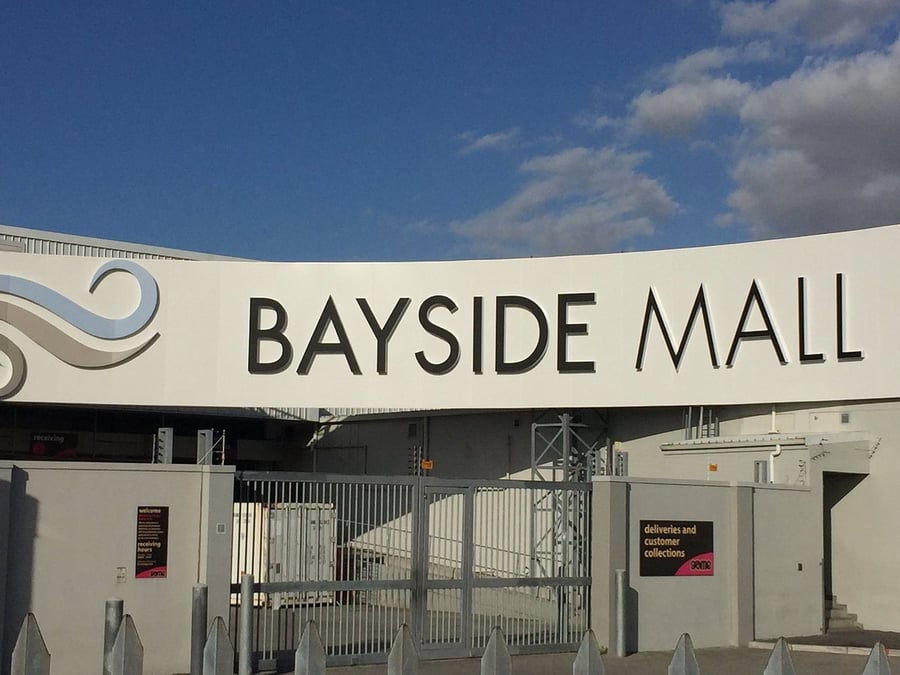
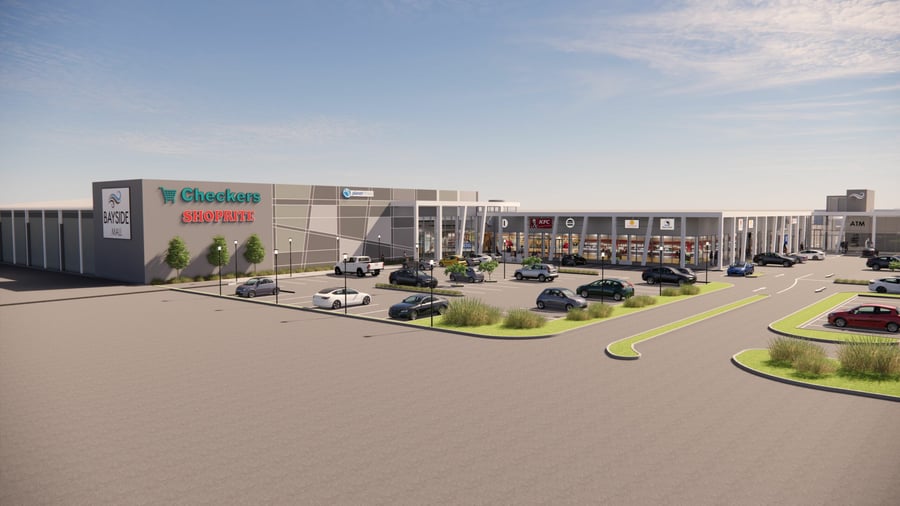
Bayside Mall, originally known as the Sarnia Eaton Centre, was a 260,000 square foot enclosed shopping center developed in 1982 in downtown Sarnia, Ontario, under the Province of Ontarios Downtown Renewal Program aimed at bolstering urban retail cores against suburban expansion. Anchored by Eaton's department store and featuring around 50 tenants including A&P supermarket, apparel shops, and services, it initially drew significant footfall from Sarnias population of about 72,000.
However, following Eaton's bankruptcy and closure in 1997, the mall experienced rapid decline, with occupancy falling to 30% or lower by the early 2000s due to competition from Lambton Mall, Walmart, and other big-box retailers in nearby areas. Renamed Bayside Centre around 2000, it shifted to a mixed-use format housing government offices like the Lambton Shared Services Centre (occupying the former Eaton's space since 2001), non-profits, medical clinics, pharmacies, and limited retail such as Subway, Chinese restaurants, and small independents like Aliya Bridal Fashions and Hogan Pharmacy.
Footfall remained low, estimated at under 1,000 daily visitors compared to Lambton Malls 10,000+, hampered by aging infrastructure, poor maintenance, and limited accessibility despite proximity to downtown transit and Highway 402.
Rent levels were modest at CAD 15-25 per square foot base, appealing for low-cost entry but insufficient to attract quality tenants amid high vacancies (over 70% retail spaces empty by 2015). In 2017, Seasons Retirement Communities acquired the 3.5-hectare site for CAD 40 million redevelopment investment, leading to full demolition in 2023. As of late 2025, construction is underway for an eight-storey, 161-unit retirement residence and ancillary office/commercial spaces focused on senior services, eliminating traditional retail leasing opportunities.
Sarnias retail market, per commercial reports, shows downtown capturing less than 15% of local sales, with strengths in niche services but weaknesses in consumer goods due to e-commerce and suburban dominance. Advantages for past lessees included central location and flexible terms, but drawbacks encompassed low traffic, competition risks, and infrastructural decay; future prospects hinge on integrated mixed-use elements in the redevelopment, though pure retail viability remains low given demographic aging and market saturation.
Interested in this property?
Choose how you'd like to proceed
Advertise at this property?
Reach high-intent shoppers across digital screens, atria, and experiential placements.
Hours of Operation
Hours
| Monday | 09:00 AM — 07:00 PM |
| Tuesday | 09:00 AM — 07:00 PM |
| Wednesday | 09:00 AM — 07:00 PM |
| Thursday | 09:00 AM — 07:00 PM |
| Friday | 09:00 AM — 07:00 PM |
| Saturday | 09:00 AM — 07:00 PM |
| Sunday | 09:00 AM — 05:00 PM |
Hours may vary on public holidays. Check with individual stores for specific holiday schedules.
Insights
Historical Performance and Decline
Bayside Mall opened with strong initial occupancy near 90%, driven by anchor tenants and downtown revitalization efforts, but post-1997 Eaton's closure triggered a tenant exodus, reducing occupancy to 5-30% by 2020. Footfall declined sharply to below 500 daily shoppers, per local observations, compared to regional averages of 5,000+. Tenant mix weakened in high-traffic categories like apparel and electronics, shifting to services and offices. Market factors included Sarnias economic ties to petrochemicals, leading to volatile consumer spending; commercial real estate data from 2015-2023 highlighted persistent vacancies and low sales per square foot (under CAD 300 annually), underscoring risks of anchoring in declining urban malls without major revitalization.
Demographic Profile and Accessibility
Sarnia-Lambton County has a population of 126,000 (2021 census), with a median age of 43.5 years, above Ontarios 41.2, indicating an aging demographic supportive of senior housing but challenging for broad retail appeal. Median household income stands at CAD 70,000, with retail expenditures focused on essentials (groceries, health) rather than discretionary items. The site offers moderate accessibility via Sarnia Transit routes and proximity to Highway 402, but pre-demolition parking was limited (200 spots for 260,000 sq ft), contributing to access issues. Operational quality suffered from outdated HVAC and aesthetics, deterring visitors; current redevelopment prioritizes walkability for residents, potentially benefiting future ground-floor services but limiting high-footfall retail.
Competition and Leasing Risks
Lambton Mall, with 500,000 sq ft GLA and 95% occupancy, dominates Sarnias retail landscape alongside Walmart and Canadian Tire outlets, drawing 80%+ of regional trade through anchors like Hudson's Bay and entertainment options. Bayside faced saturation in general merchandise, with downtown rents at CAD 15-25 psf versus suburban CAD 30-50 psf, yet failed to compete on traffic or mix. Pre-closure lease terms included short-term flexible options for independents, but risks involved high turnover, maintenance disputes, and market downturns tied to industry volatility. Post-demolition, no retail leasing is available; redevelopment focuses on non-retail uses, posing total unviability for new tenants amid broader shifts to online shopping and suburban preferences.
Building Details
Detailed Market Analytics
City Snapshot
Cape Town
Comprehensive market intelligence for retail expansion in this city

Other Retail Destinations in Cape Town
Discover more shopping centers in Cape Town.





Popular in South Africa
Top retail destinations across South Africa.




Interested in this property?
Choose how you'd like to proceed
Advertise at this property?
Reach high-intent shoppers across digital screens, atria, and experiential placements.
City Snapshot
Cape Town
Comprehensive market intelligence for retail expansion in this city