





















Brand Fit Snapshot
Best for:
Not ideal if:
Similar properties you might like:
Quick assessment - takes 30 seconds
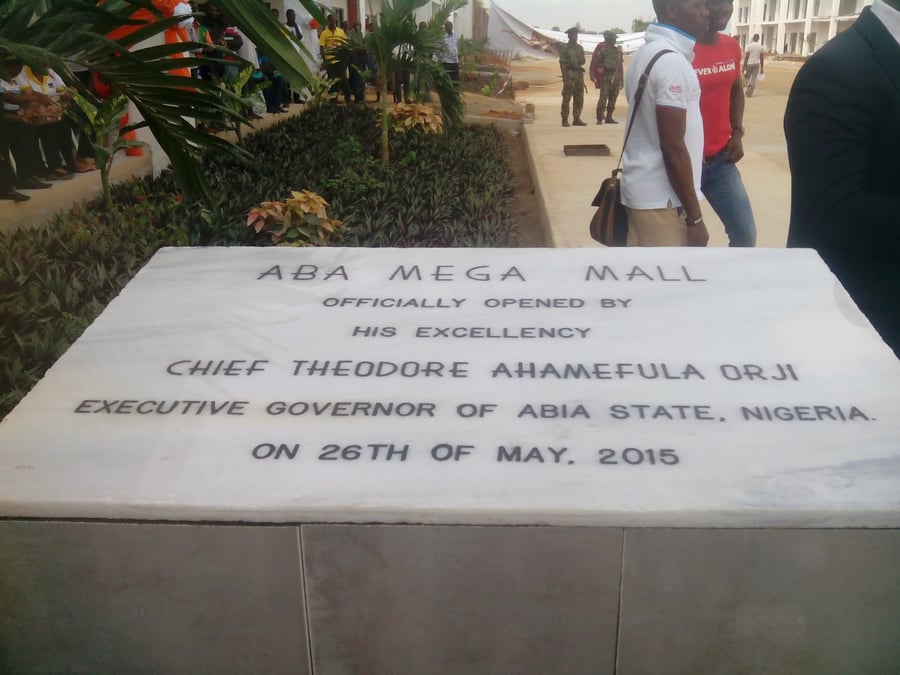
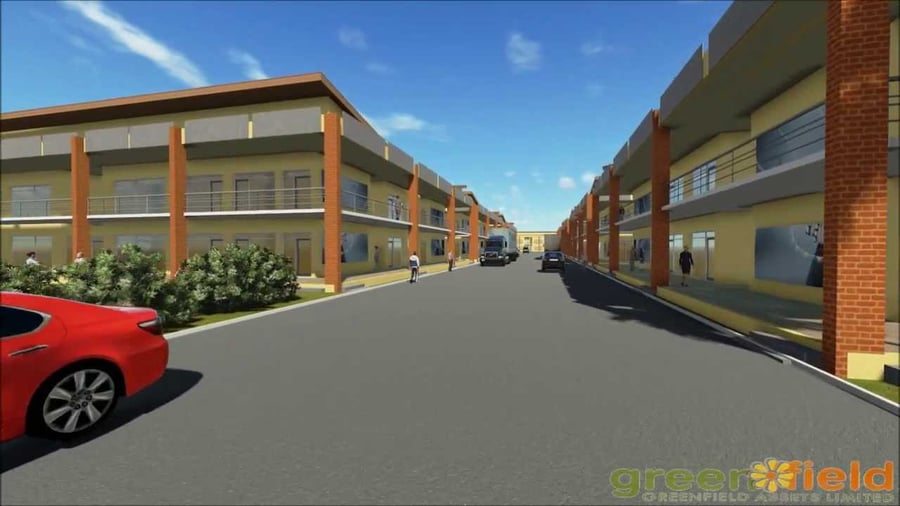
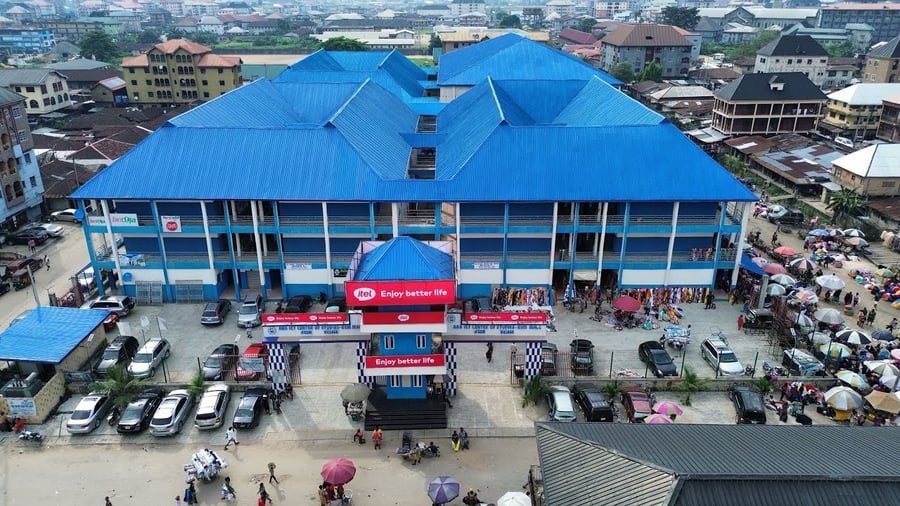
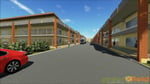
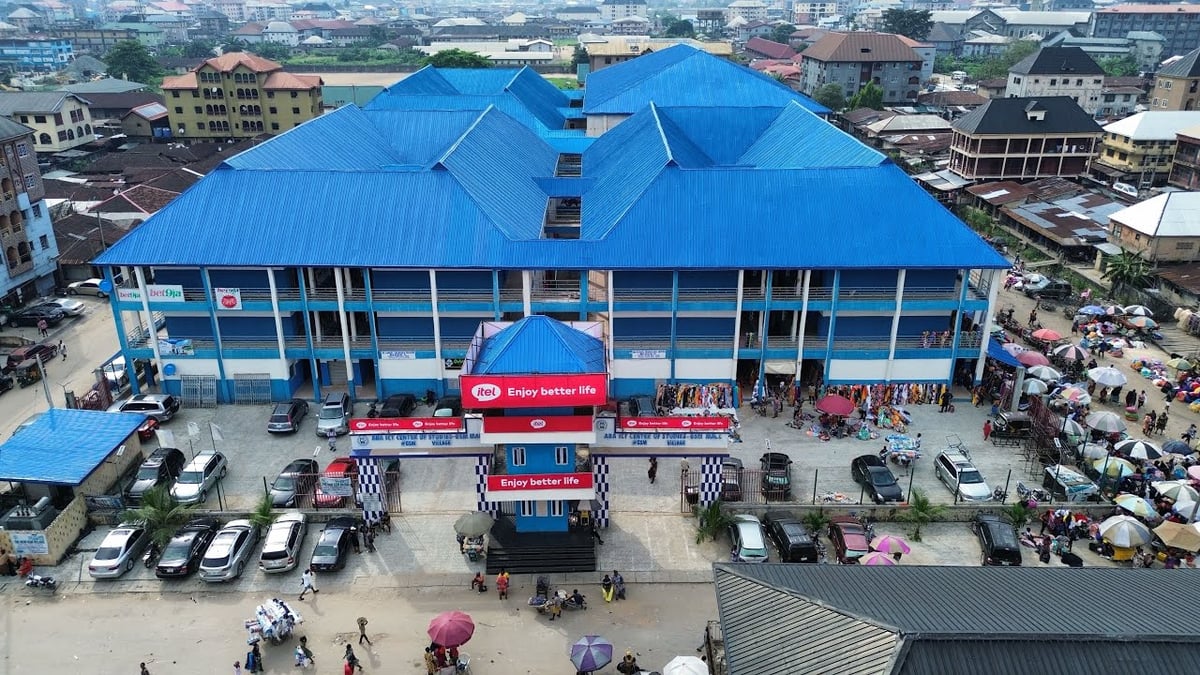
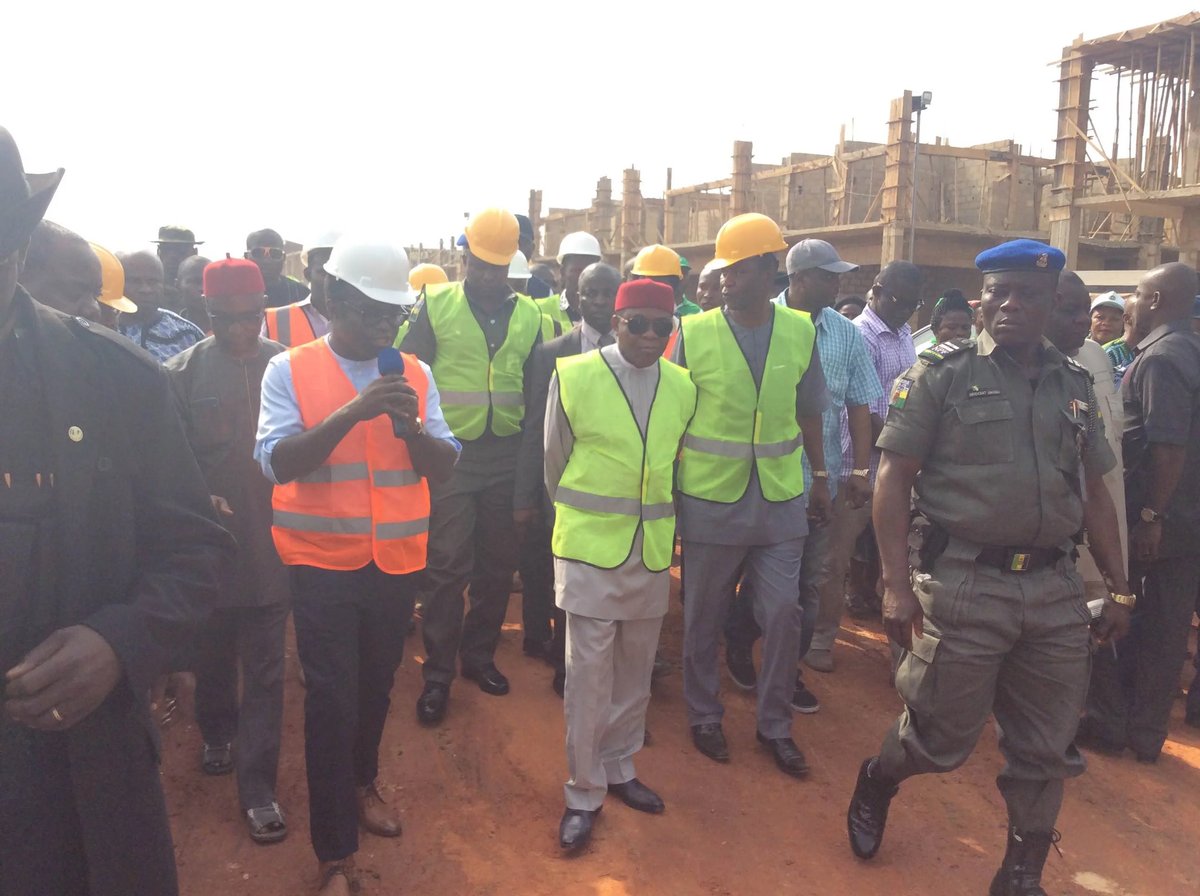
Aba Mega Mall is located along the Enugu-Port Harcourt Expressway in Osisioma Ngwa Local Government Area, near Aba, Abia State, Nigeria. Originally conceived as a $300 million smart mall project by Greenfield Assets Nigeria Limited, it spans 28 acres with plans for 100,000 square meters of retail space, including a luxury mall, 100-room boutique hotel, six-screen cinema, 10-megawatt power supply, and a dry port for wholesale distribution.
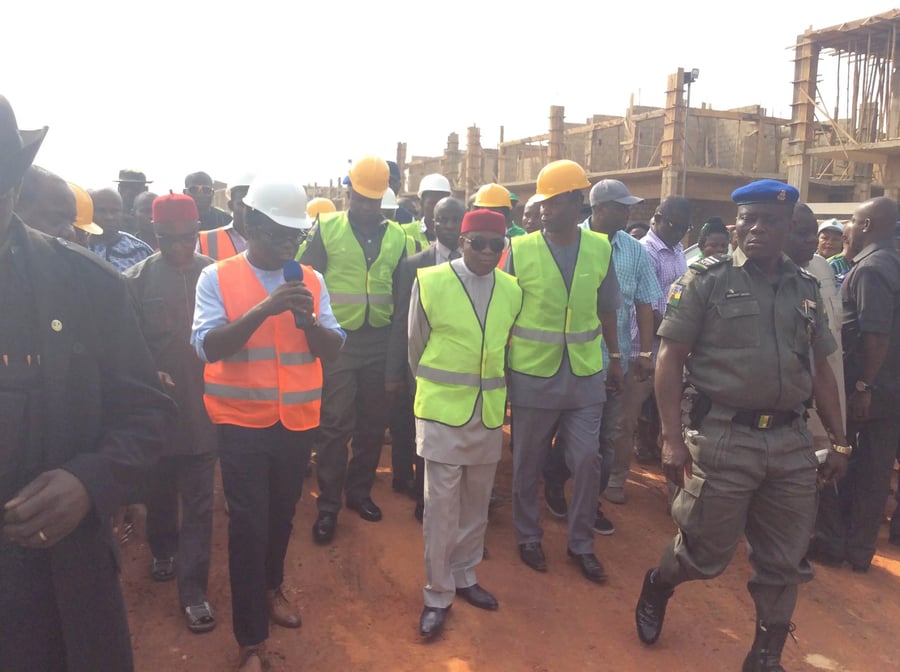
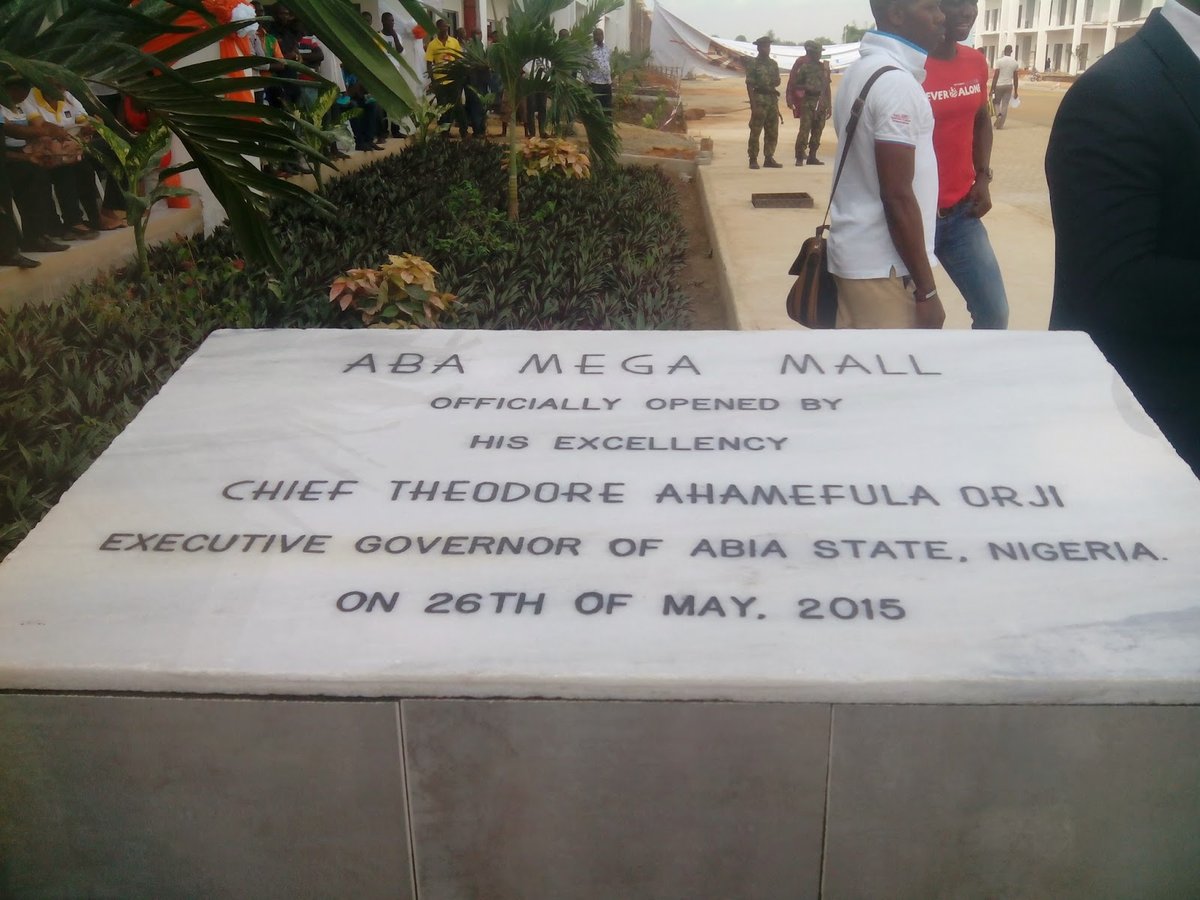
Commissioned in May 2015 with the first phase featuring 1,000 retail units, the project stalled due to ownership disputes and financial issues, remaining largely abandoned for a decade. In early 2025, the Abia State Government acquired full ownership after settling debts with investors and partners, signaling potential revitalization.
Market position: Aba is a major commercial and industrial hub in southeastern Nigeria, known for its manufacturing prowess in leather goods, textiles, and electronics, with a population exceeding 1.5 million and drawing traders from across West Africa. The mall's strategic location enhances accessibility via major highways connecting to Port Harcourt and Enugu.
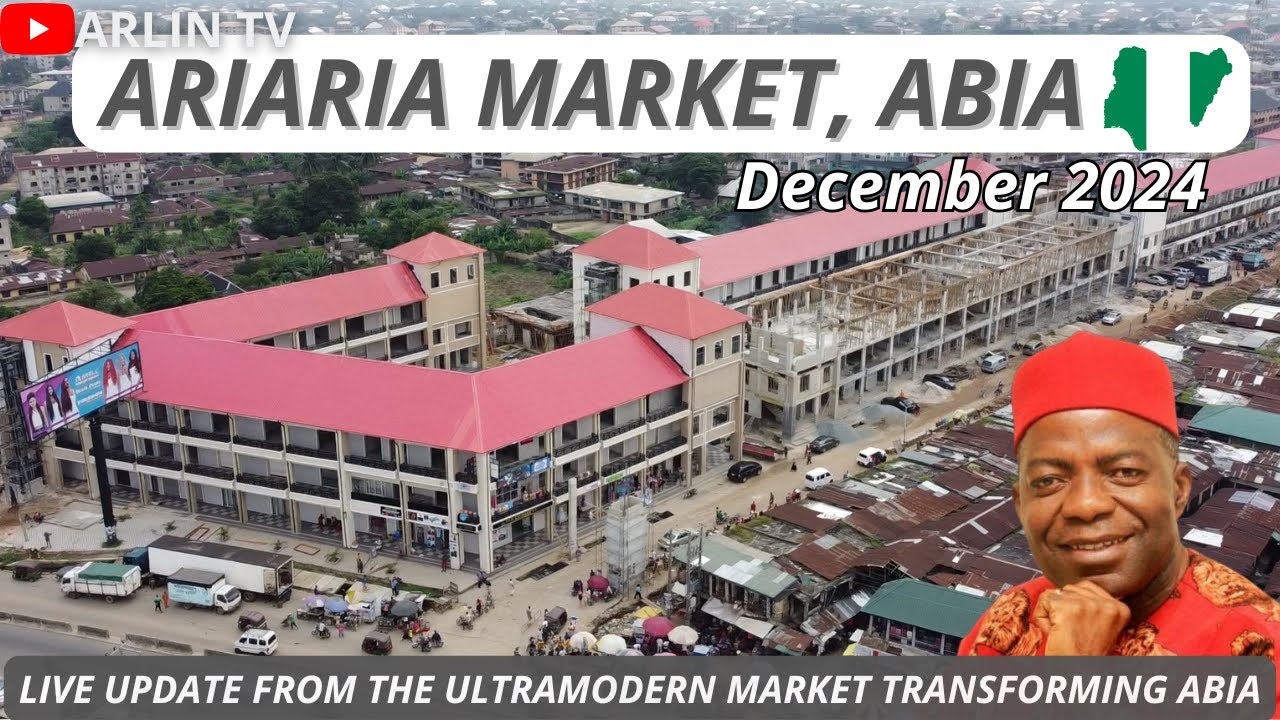
Tenant mix: While not yet operational, original plans envisioned a diverse blend of local and international retailers, supermarkets, fashion outlets, electronics stores, and entertainment venues to complement Abas traditional markets like Ariaria International Market.
Leasing advantages: Government backing could facilitate favorable lease terms, including incentives for investors in retail or mixed-use developments; proximity to high-traffic expressway supports logistics; potential for 10,000+ jobs could boost local economy and footfall. However, challenges include past legal hurdles, need for infrastructure upgrades, and competition from established open-air markets.
Current plans lean toward repurposing part of the facility as a manufacturing and export hub, which may limit pure retail opportunities but open hybrid leasing options. Occupancy remains at zero, with rent levels undetermined but likely competitive given the propertys history (estimated base rents in similar Nigerian malls range from $20-40 per sqm annually).
Operational quality is low due to prolonged inactivity, requiring significant capital for refurbishment.
Overall, it presents a high-risk, high-reward leasing prospect in a vibrant but saturated retail market.
Interested in this property?
Choose how you'd like to proceed
Advertise at this property?
Reach high-intent shoppers across digital screens, atria, and experiential placements.
Hours of Operation
Hours
| Monday | 08:00 AM — 09:00 PM |
| Tuesday | 08:00 AM — 09:00 PM |
| Wednesday | 08:00 AM — 09:00 PM |
| Thursday | 08:00 AM — 09:00 PM |
| Friday | 08:00 AM — 09:00 PM |
| Saturday | 08:00 AM — 09:00 PM |
| Sunday | 08:00 AM — 09:00 PM |
Hours may vary on public holidays. Check with individual stores for specific holiday schedules.
Insights
Demographic Profile and Accessibility
Aba Mega Mall serves Abas urban population of approximately 1.5 million, characterized by a young, entrepreneurial demographic engaged in trading, manufacturing, and small-scale industries. Median age is around 25-30 years, with growing middle-class segments seeking modern retail experiences. The propertys location on the Enugu-Port Harcourt Expressway ensures excellent accessibility, with direct links to major cities and ports, facilitating high potential footfall from regional traders and commuters. Public transport integration via nearby bus terminals and railway could further enhance visitor numbers, though current infrastructure is underdeveloped. Risks include traffic congestion on access roads and security concerns in the industrial zones.
Tenant Mix and Occupancy Rates
Originally designed for a balanced tenant mix including anchor stores like supermarkets, fashion retailers, electronics outlets, and entertainment facilities, the mall aims to attract both local brands and international chains to diversify from Abas market-dominated retail landscape. However, with zero current occupancy due to abandonment, leasing opportunities are nascent. Post-acquisition revitalization may prioritize manufacturing tenants alongside retail, potentially leading to hybrid spaces. Comparable malls in Nigeria report 80-90% occupancy in operational centers, but Aba Mega Malls history suggests initial low rates (under 50%) until stabilized. Strengths include space for 1,000+ units; weaknesses involve undefined tenant policies and competition from Ariaria Markets wholesale focus.
Competition and Market Risks
Aba Mega Mall faces intense competition from traditional open markets like Ariaria International (world-renowned for shoes and textiles, generating billions in annual trade) and Ohabiam Electronics Market, which dominate low-cost retail and attract cross-border buyers. Modern alternatives include smaller malls like Market Square, focusing on groceries. Market saturation in apparel and consumer goods poses risks, with retail vacancy rates in southeastern Nigeria averaging 15-20% amid economic volatility. External factors such as inflation (over 20% in 2025) and supply chain disruptions from port delays could impact performance. Opportunities lie in differentiating via organized retail and government-supported export zones, but lease terms may include escalation clauses to mitigate economic risks.
Building Details
Detailed Market Analytics
City Snapshot
Aba
Comprehensive market intelligence for retail expansion in this city

Other Retail Destinations in Aba
Discover more shopping centers in Aba.

Popular in Nigeria
Top retail destinations across Nigeria.



Interested in this property?
Choose how you'd like to proceed
Advertise at this property?
Reach high-intent shoppers across digital screens, atria, and experiential placements.
City Snapshot
Aba
Comprehensive market intelligence for retail expansion in this city