
Brand Fit Snapshot
Best for:
Not ideal if:
Similar properties you might like:
Quick assessment - takes 30 seconds
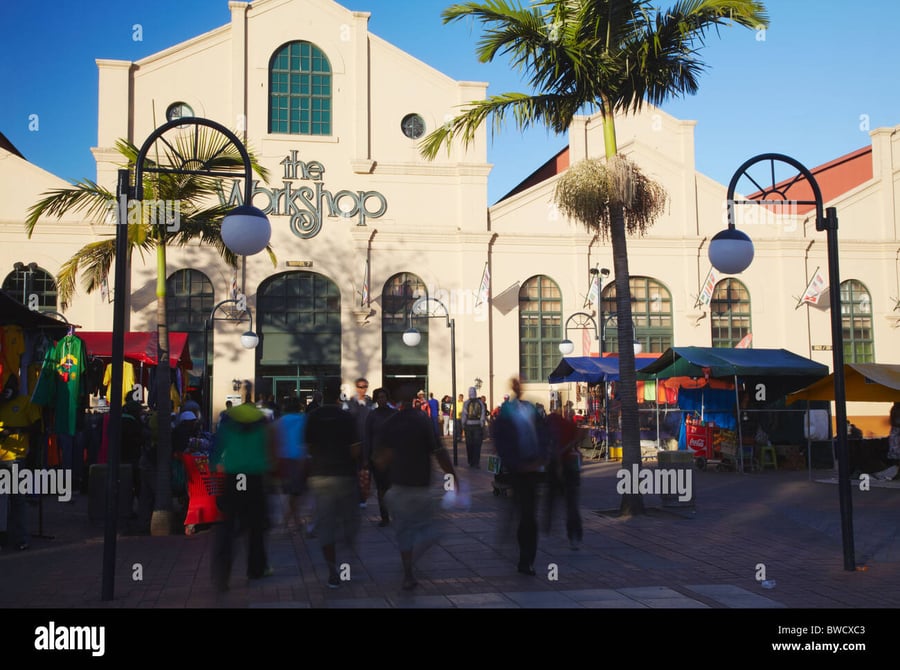
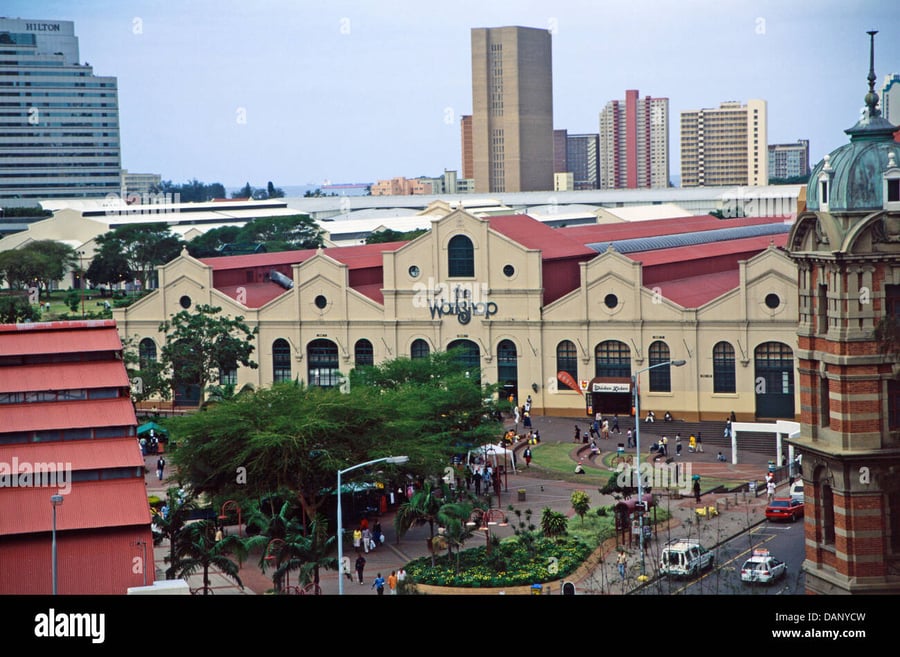
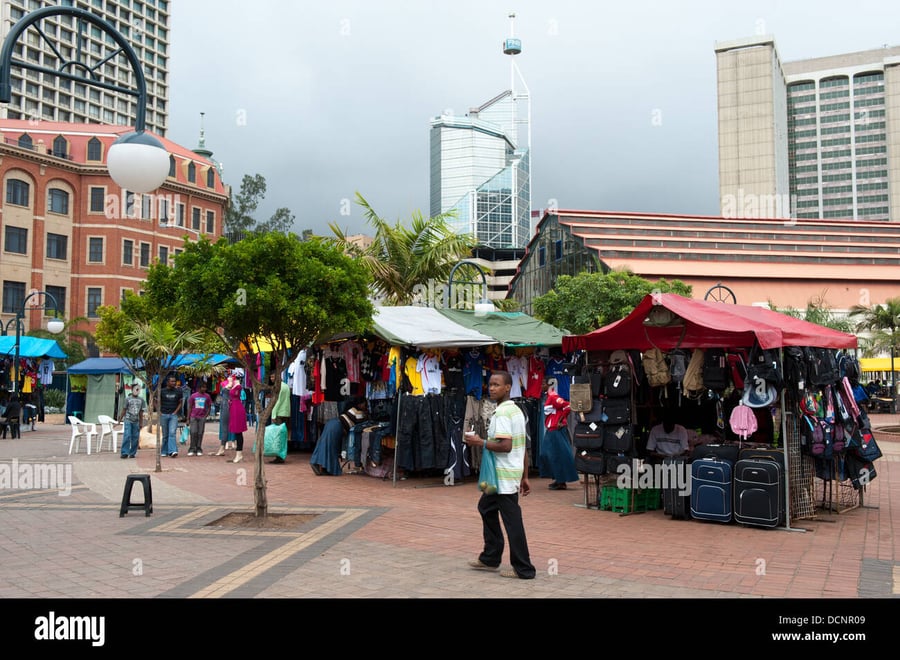
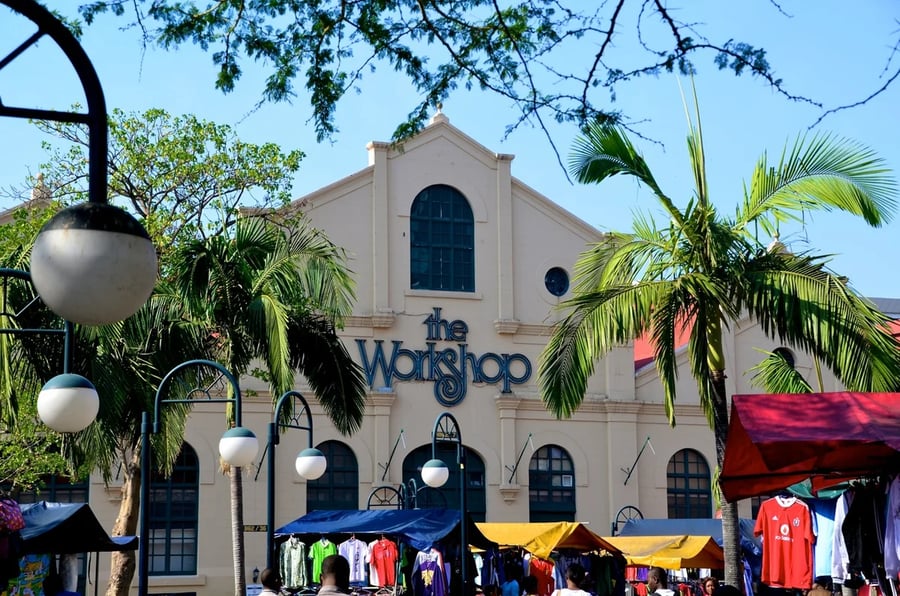
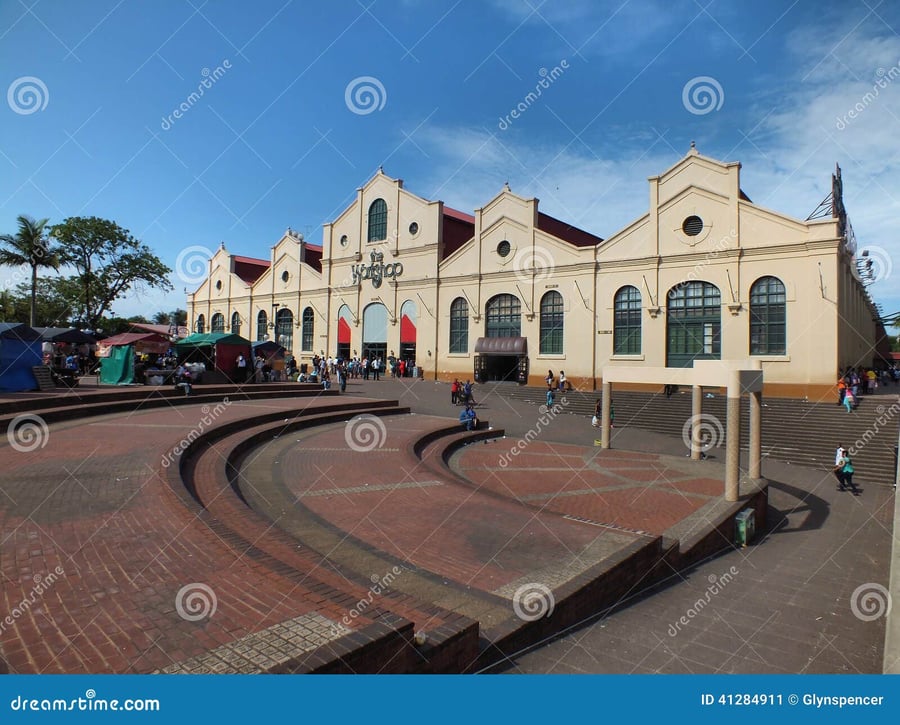
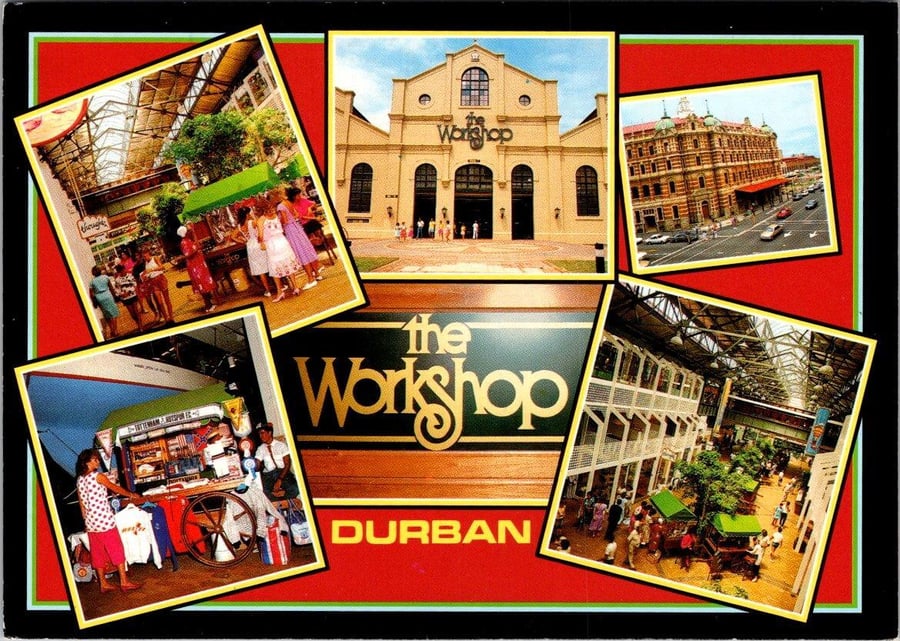
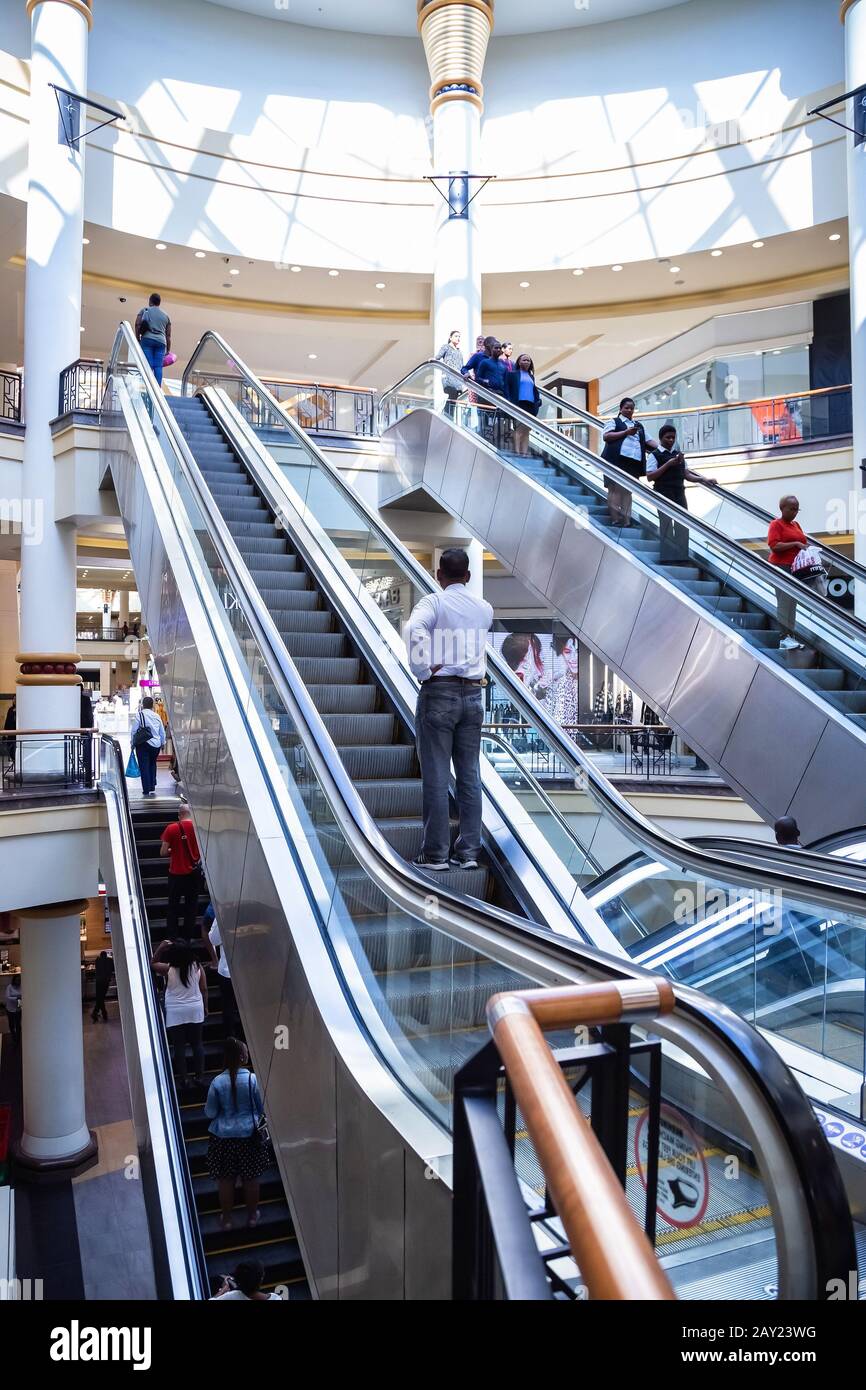
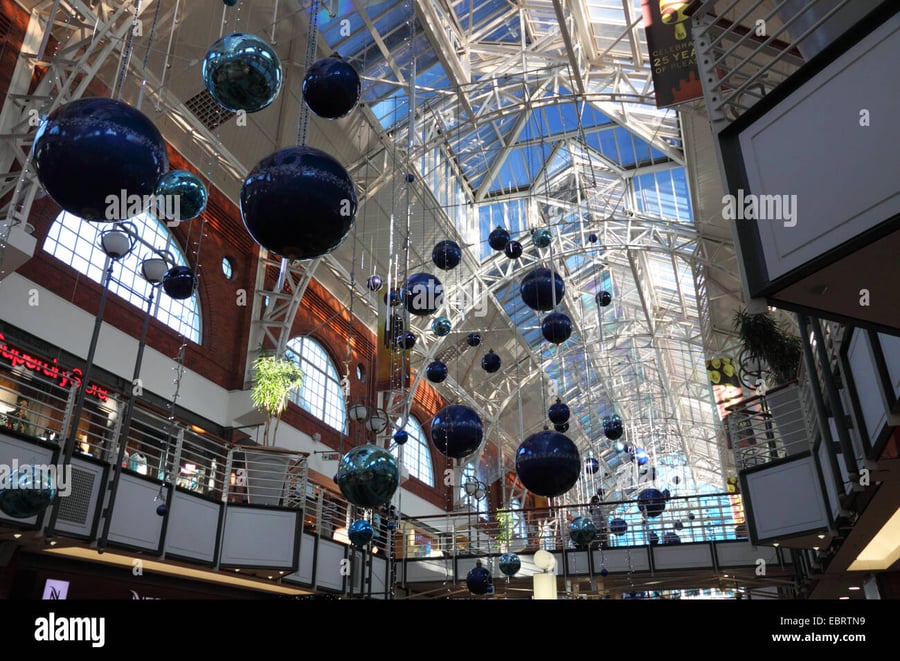
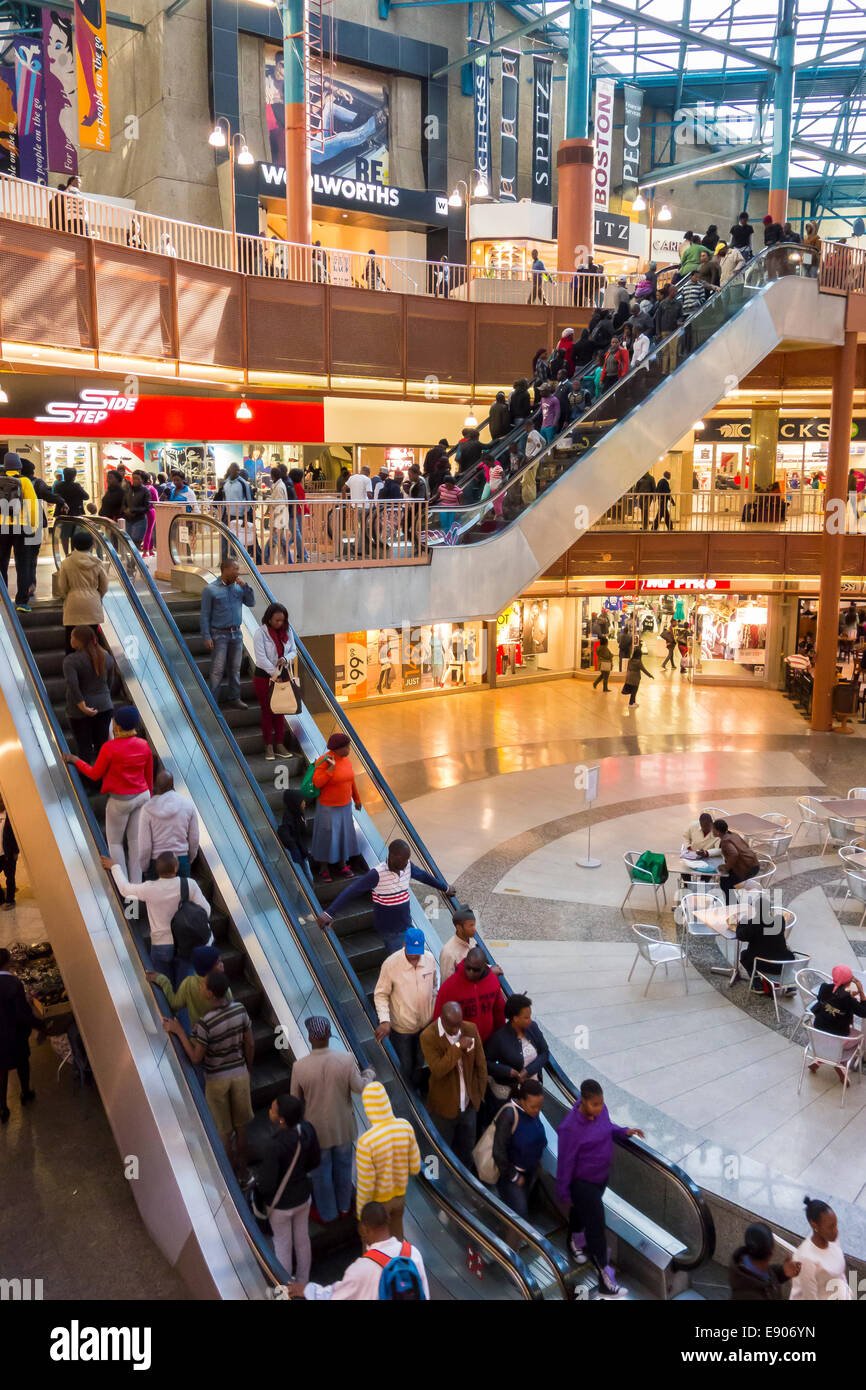
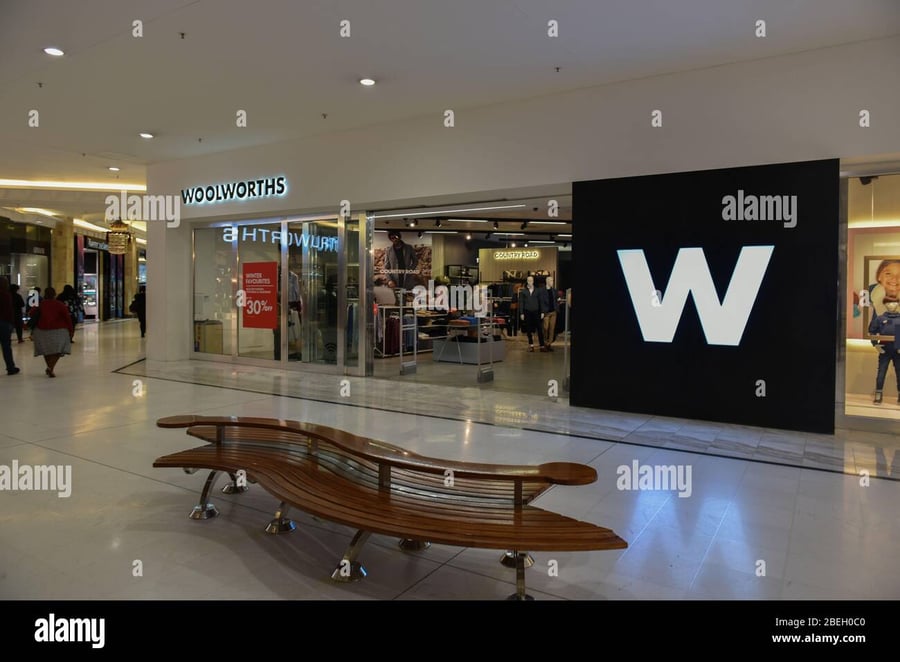
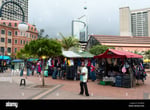
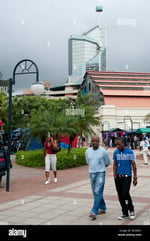
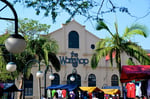
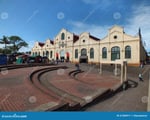
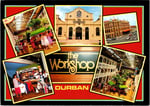
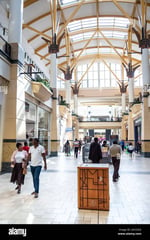
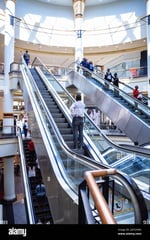
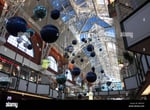
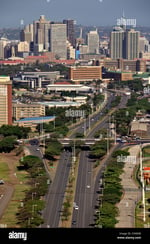
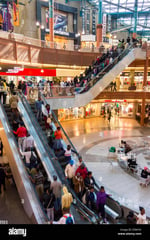
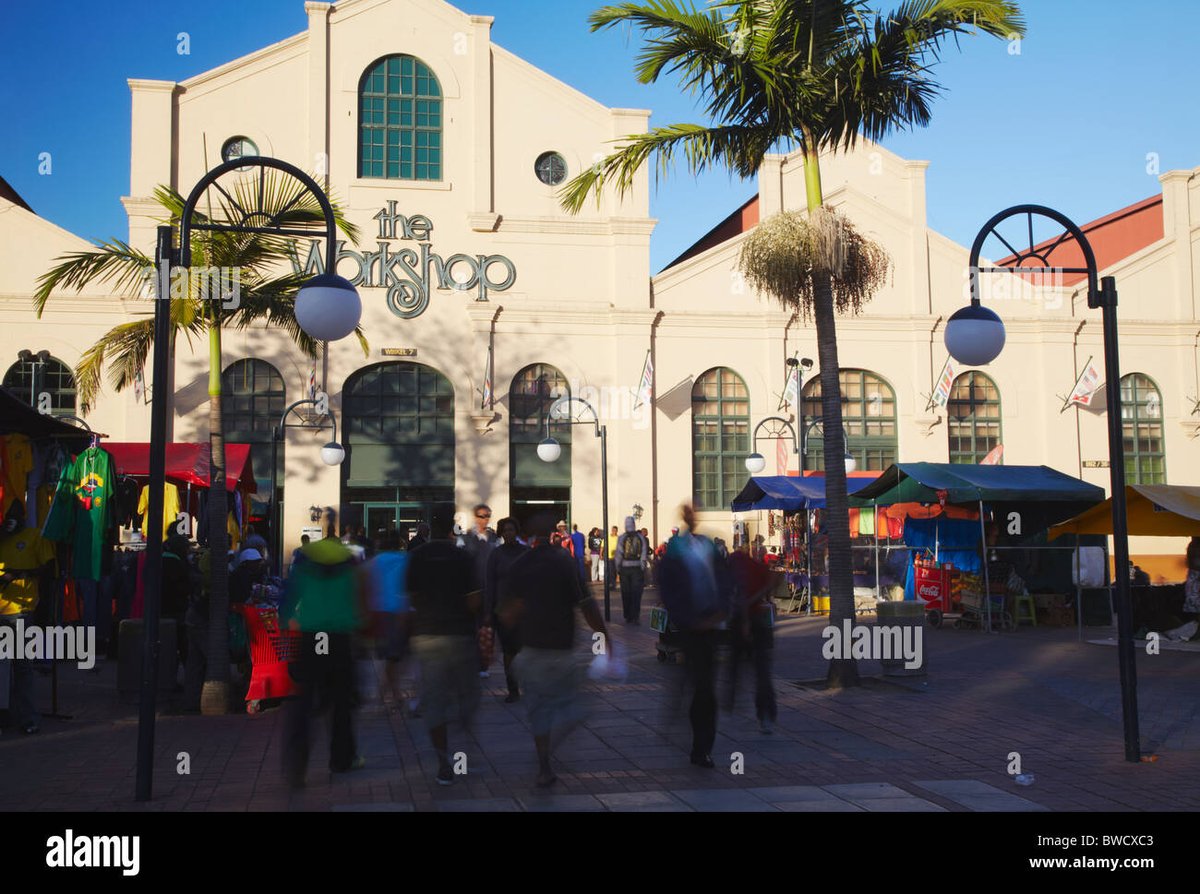
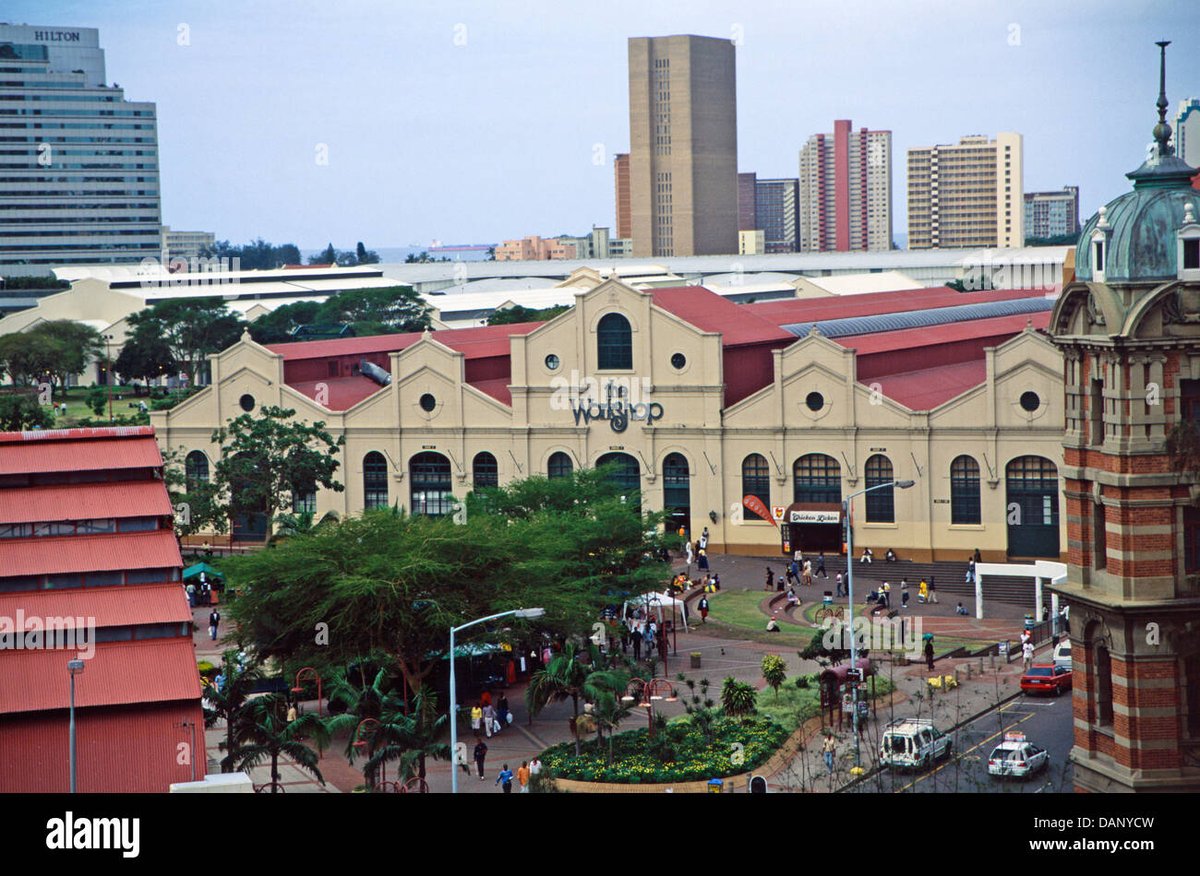
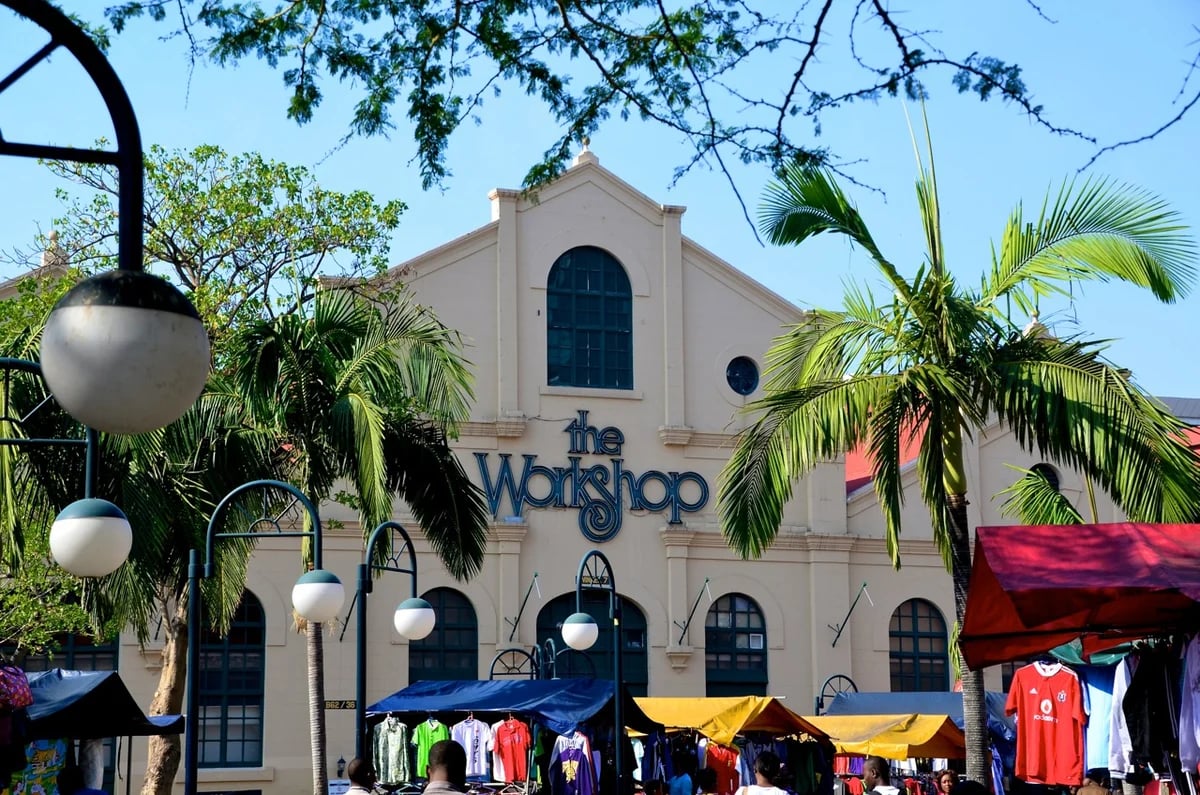
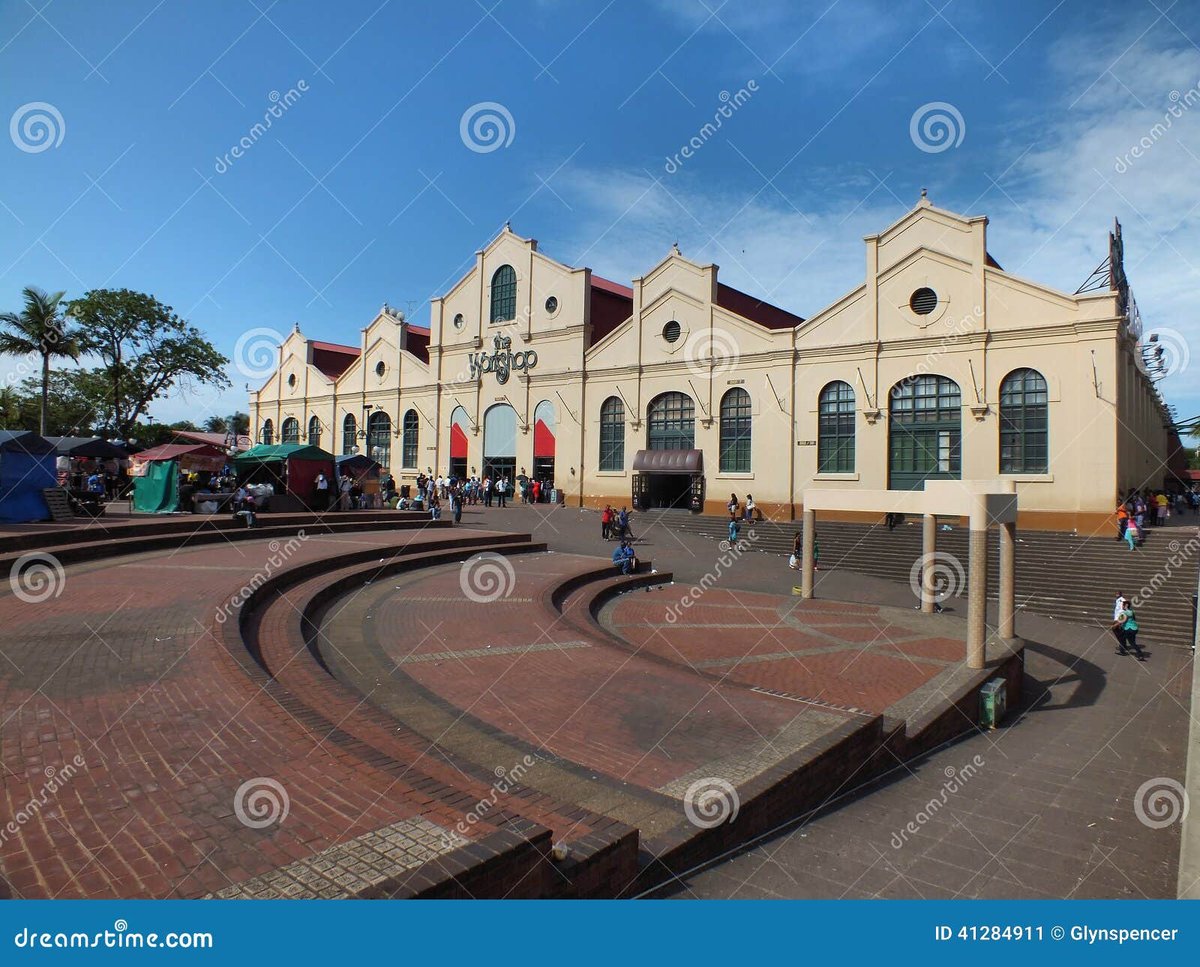
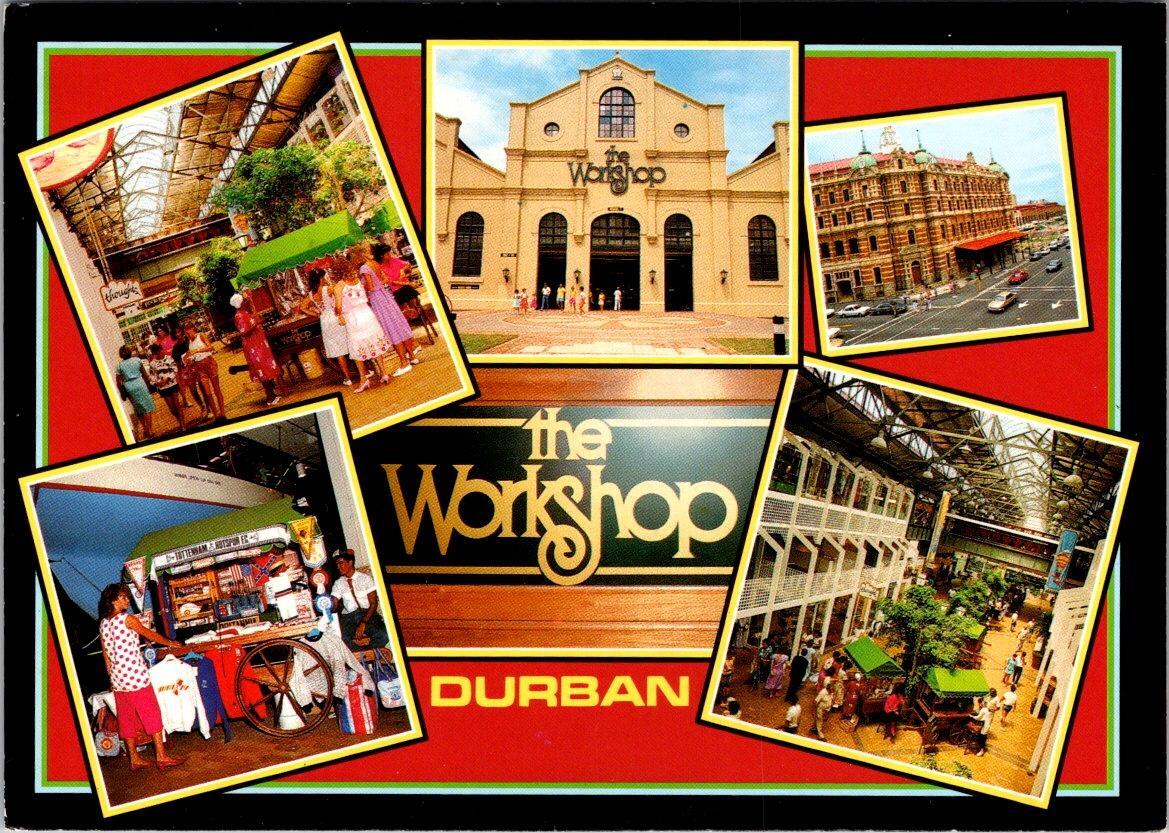
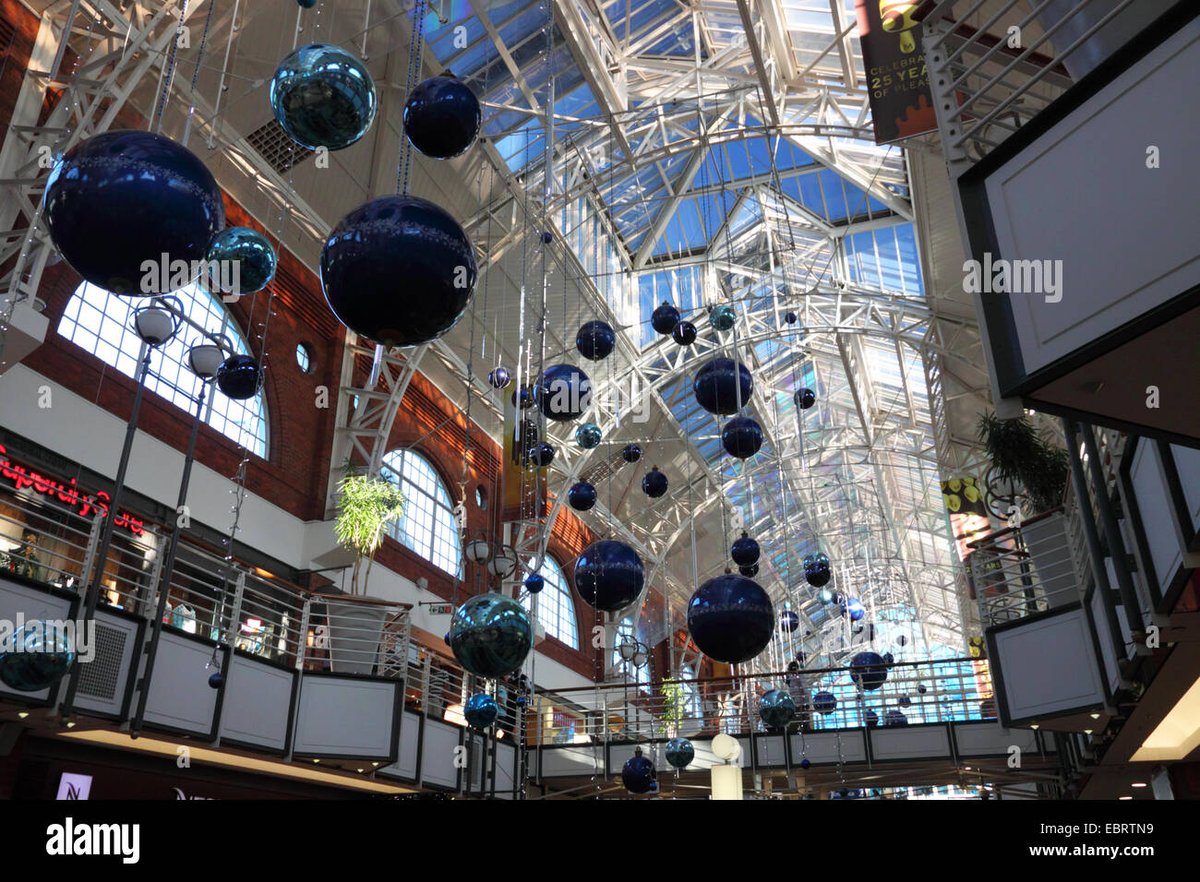
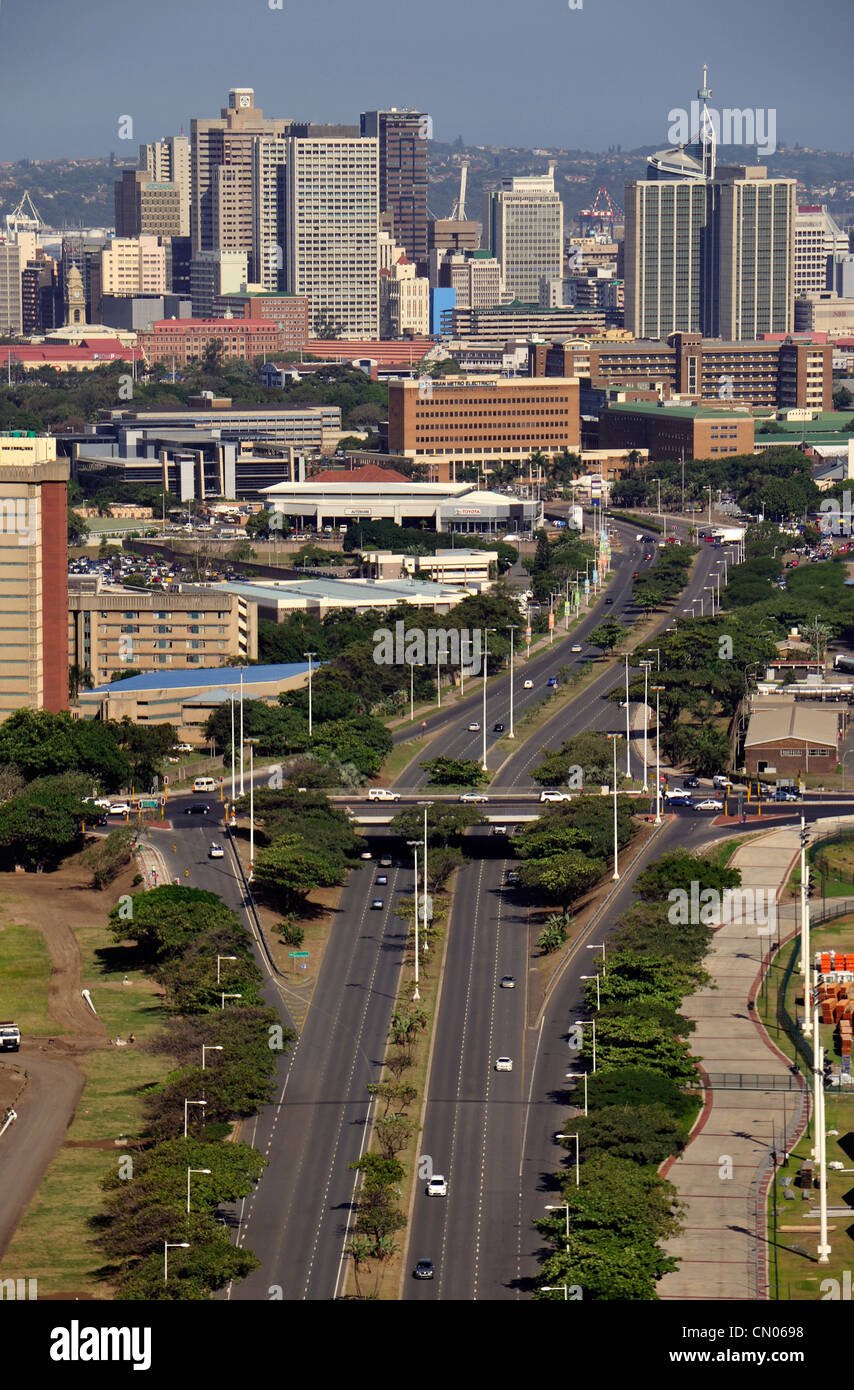
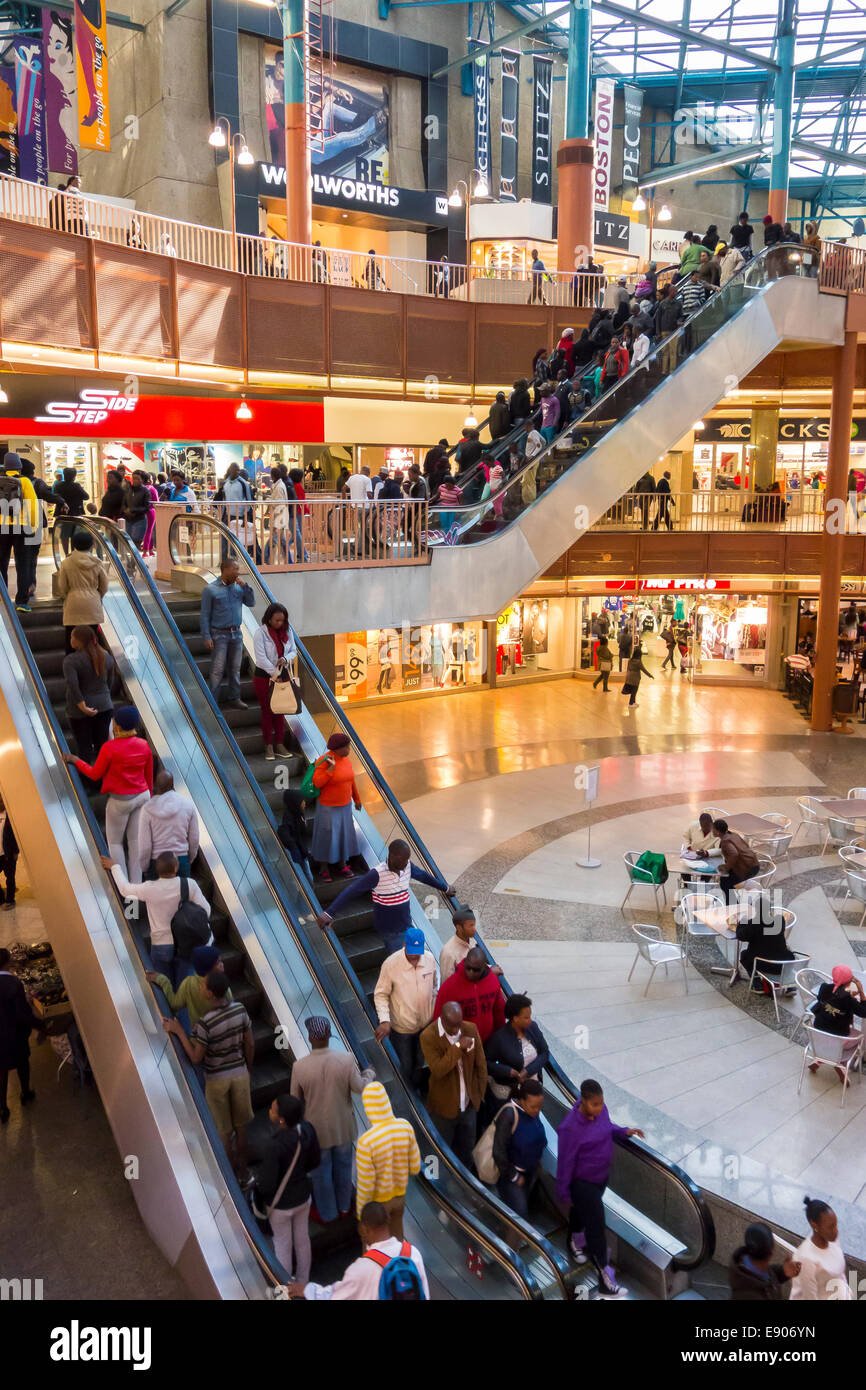
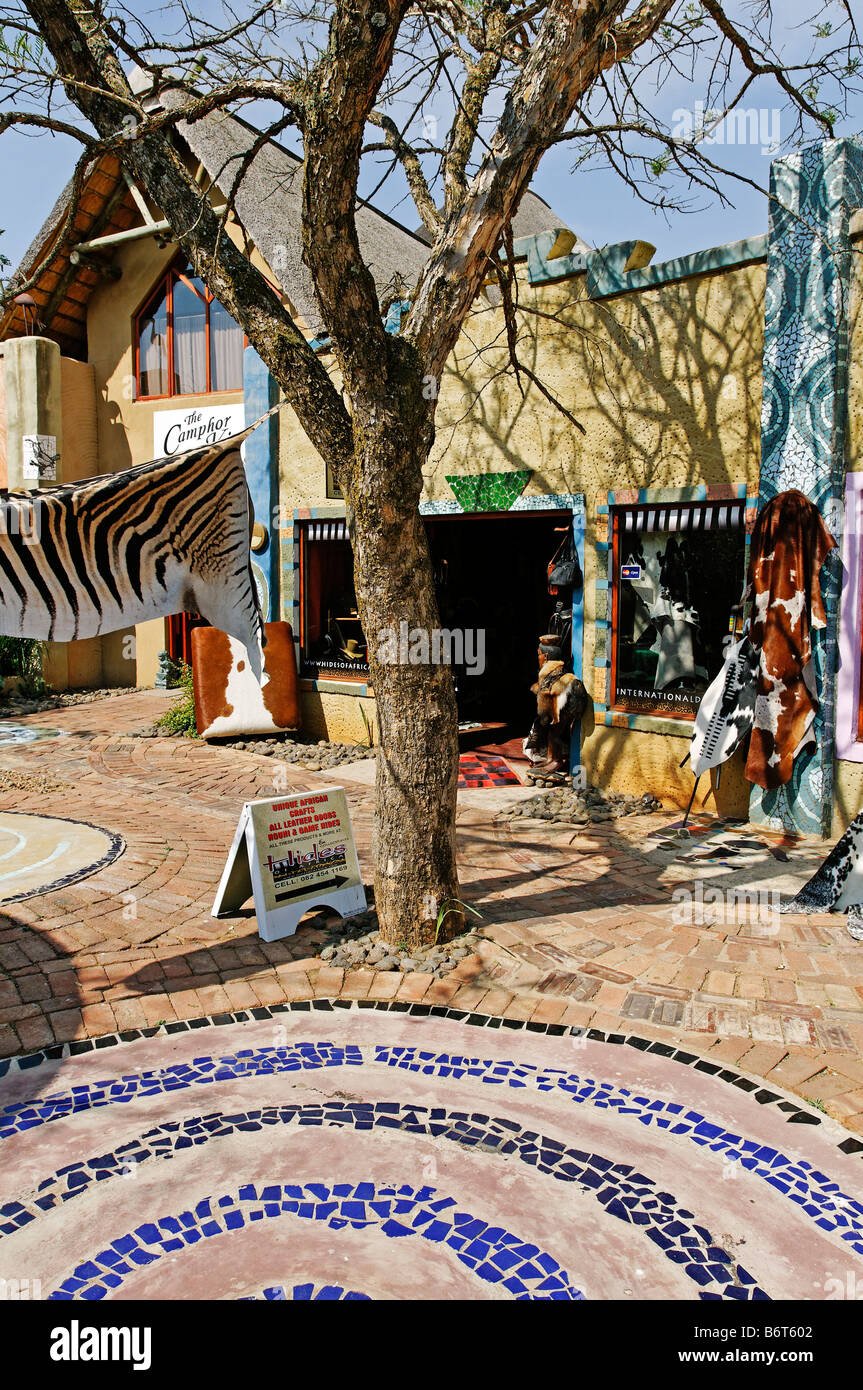
The Workshop Shopping Centre is a heritage-listed urban retail destination in Durban Central Business District, located at 99 Aliwal Street on the corner of Dr AB Xuma Street. Originally an industrial workshop building from the early 20th century, it was repurposed into a shopping centre in the 1990s, blending historical architecture with modern retail functionality. The property spans a gross leasable area (GLA) of 20,204 square meters and houses approximately 82 tenants across 13 categories, including clothing (22 stores), food and beverage (15 outlets), electronics and cellphones (8 stores), and services.
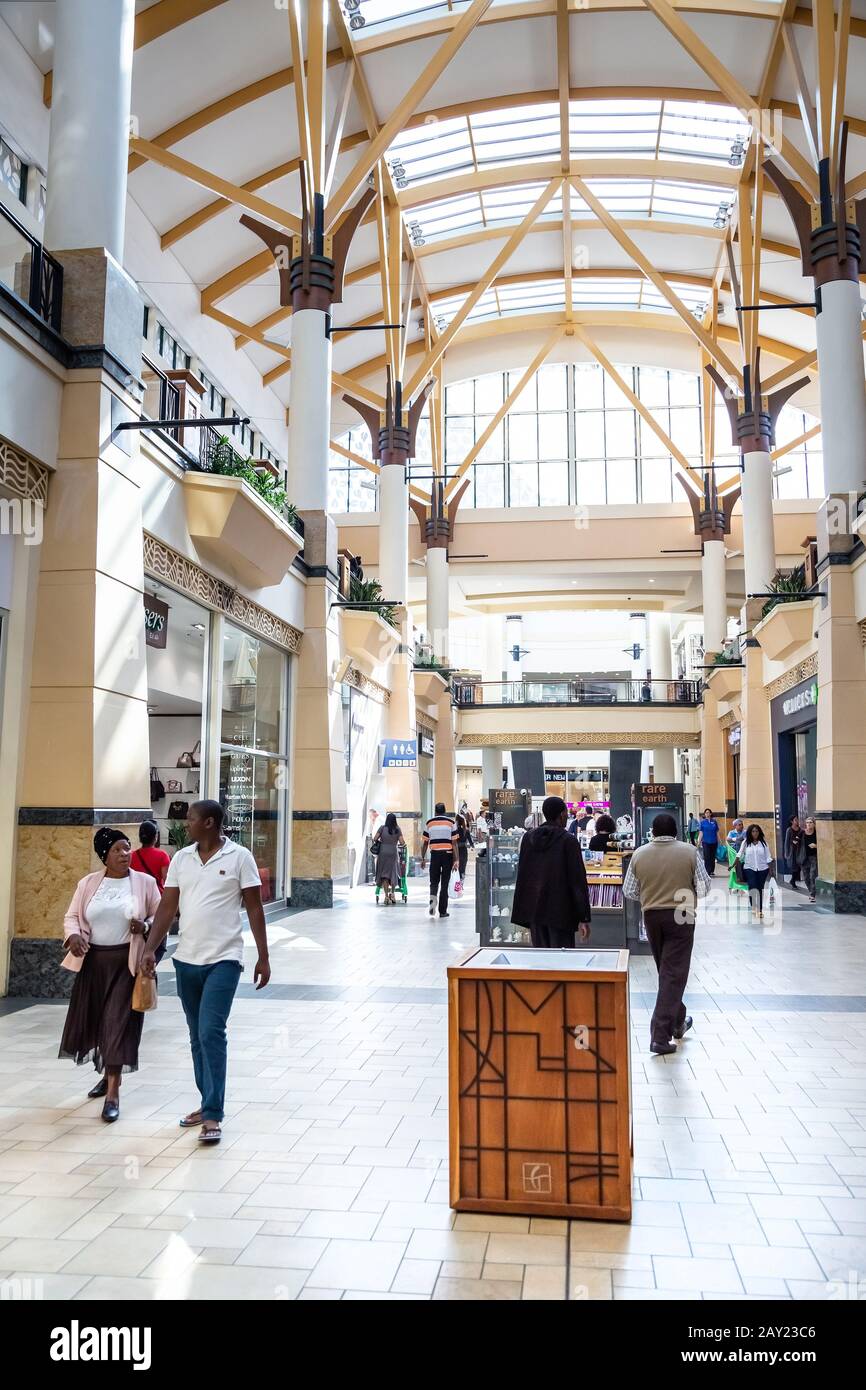
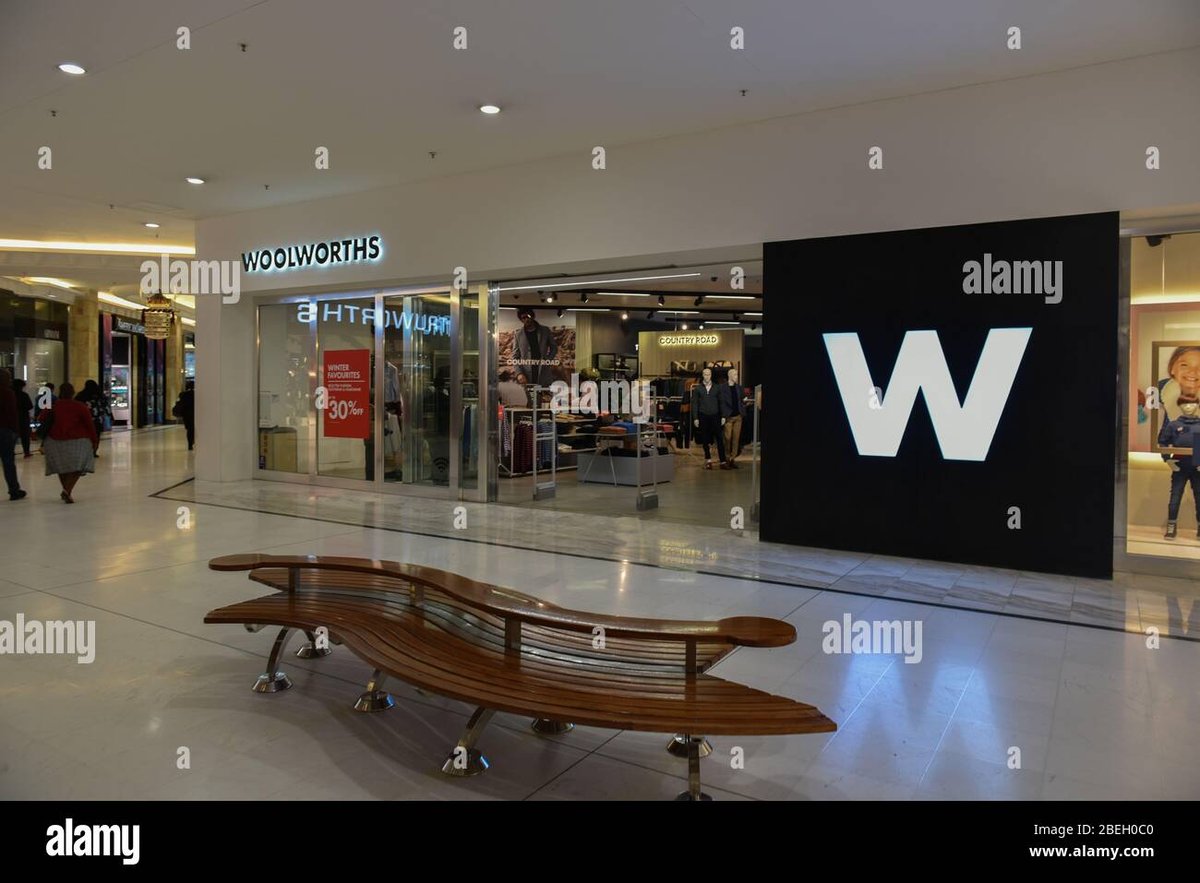
Major anchors include Pick n Pay supermarket, Truworths clothing, Clicks pharmacy, and quick-service restaurants like KFC and Steers. It targets middle- to lower-income urban shoppers with budget-oriented brands such as Mr Price, Ackermans, and Pep. Average monthly footfall stands at around 1,129,000 visitors, benefiting from its central location near public transport hubs like Durban Station and the Greyville Taxi Rank, enhancing accessibility for commuters.
In the context of Durban's retail market, which saw 4.5% trading growth in institutionally owned centres in 2024 per SAPOA reports, The Workshop maintains a competitive position in the CBD segment, where suburban malls like Gateway Theatre of Shopping dominate higher-end traffic.
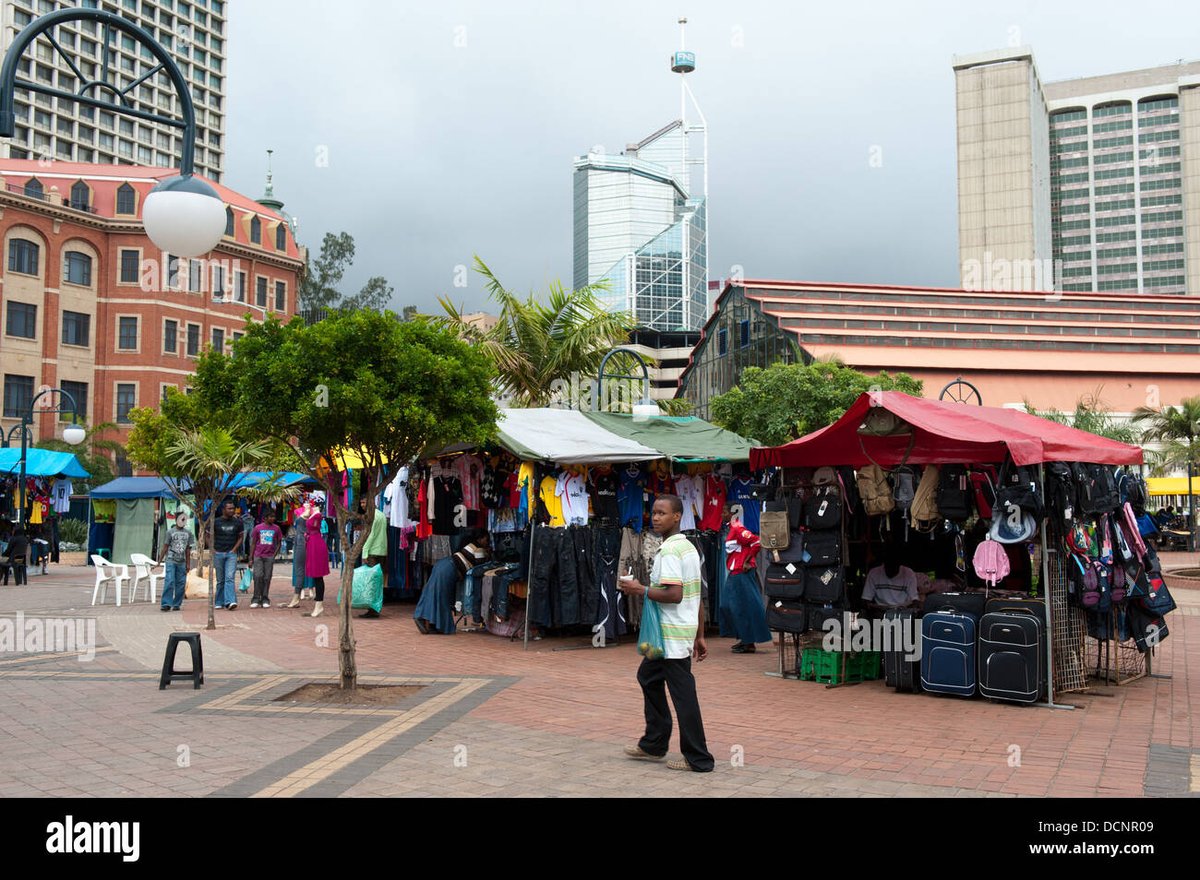
Leasing advantages include relatively lower rent levels compared to premium suburban sites (estimated R150-250 per square meter per month based on KZN CBD averages), flexible space options from kiosks to larger units, and exposure to a diverse demographic of local workers, students, and informal traders. However, challenges include urban decay in parts of the CBD, with overall vacancy rates in Durban retail at about 8-10% in 2024, and competition from e-commerce and nearby informal markets.
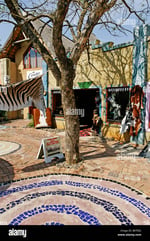
Operational quality is supported by on-site security, parking for 200 vehicles, and extended hours (Monday-Friday 8:30 AM-5:00 PM, Saturday 9:00 AM-5:00 PM, Sunday 9:00 AM-1:00 PM), but aging infrastructure may require tenant investments in fit-outs. Market saturation in apparel and fast food categories is evident, yet the centre's unique heritage appeal and proximity to tourist sites like the Durban Harbour provide differentiation for experiential retail.
Interested in this property?
Choose how you'd like to proceed
Advertise at this property?
Reach high-intent shoppers across digital screens, atria, and experiential placements.
Hours of Operation
Hours
| Monday | 08:30 AM — 05:00 PM |
| Tuesday | 08:30 AM — 05:00 PM |
| Wednesday | 08:30 AM — 05:00 PM |
| Thursday | 08:30 AM — 05:00 PM |
| Friday | 08:30 AM — 05:00 PM |
| Saturday | 09:00 AM — 05:00 PM |
| Sunday | 10:00 AM — 04:00 PM |
Hours may vary on public holidays. Check with individual stores for specific holiday schedules.
Insights
Demographics and Footfall
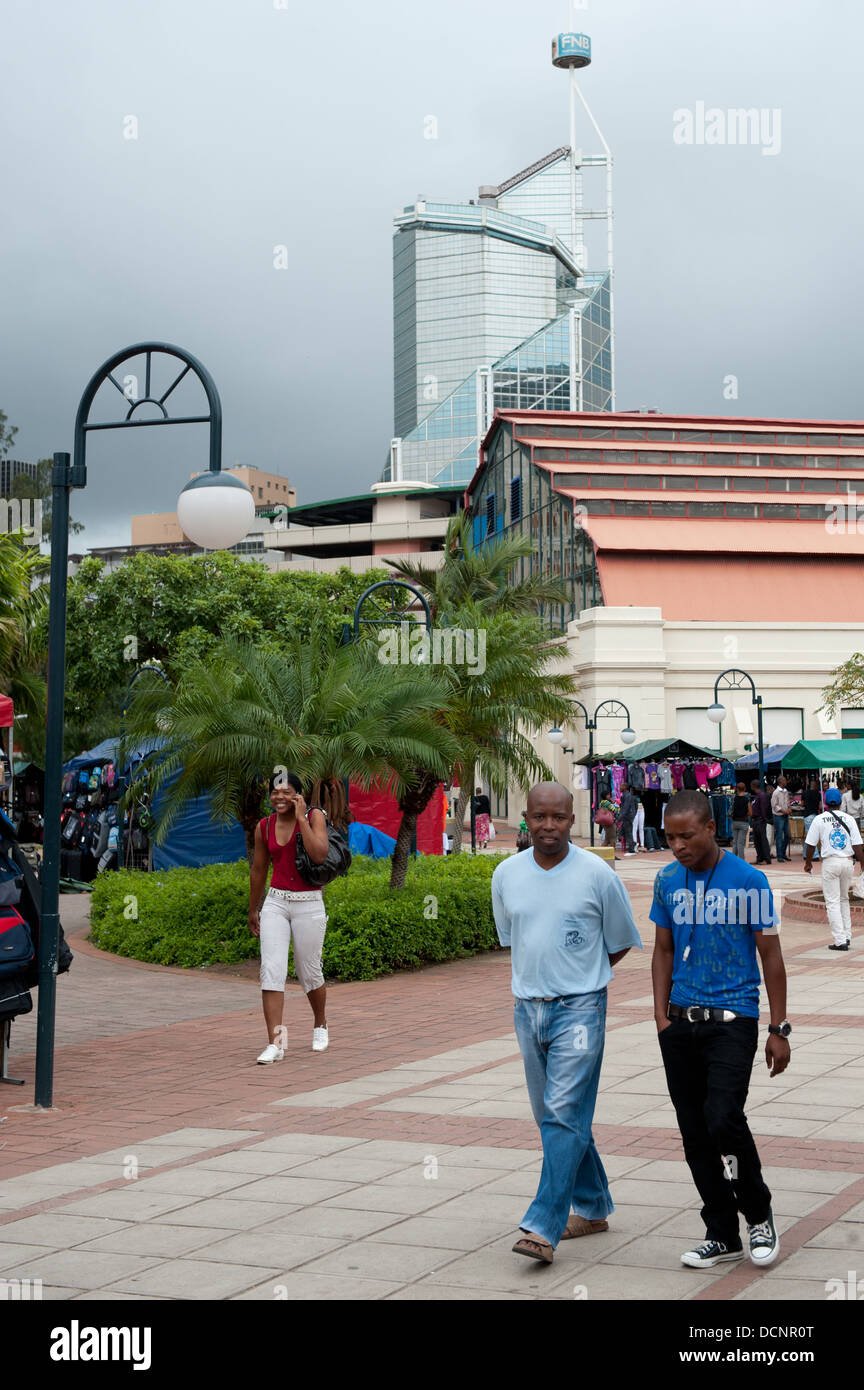
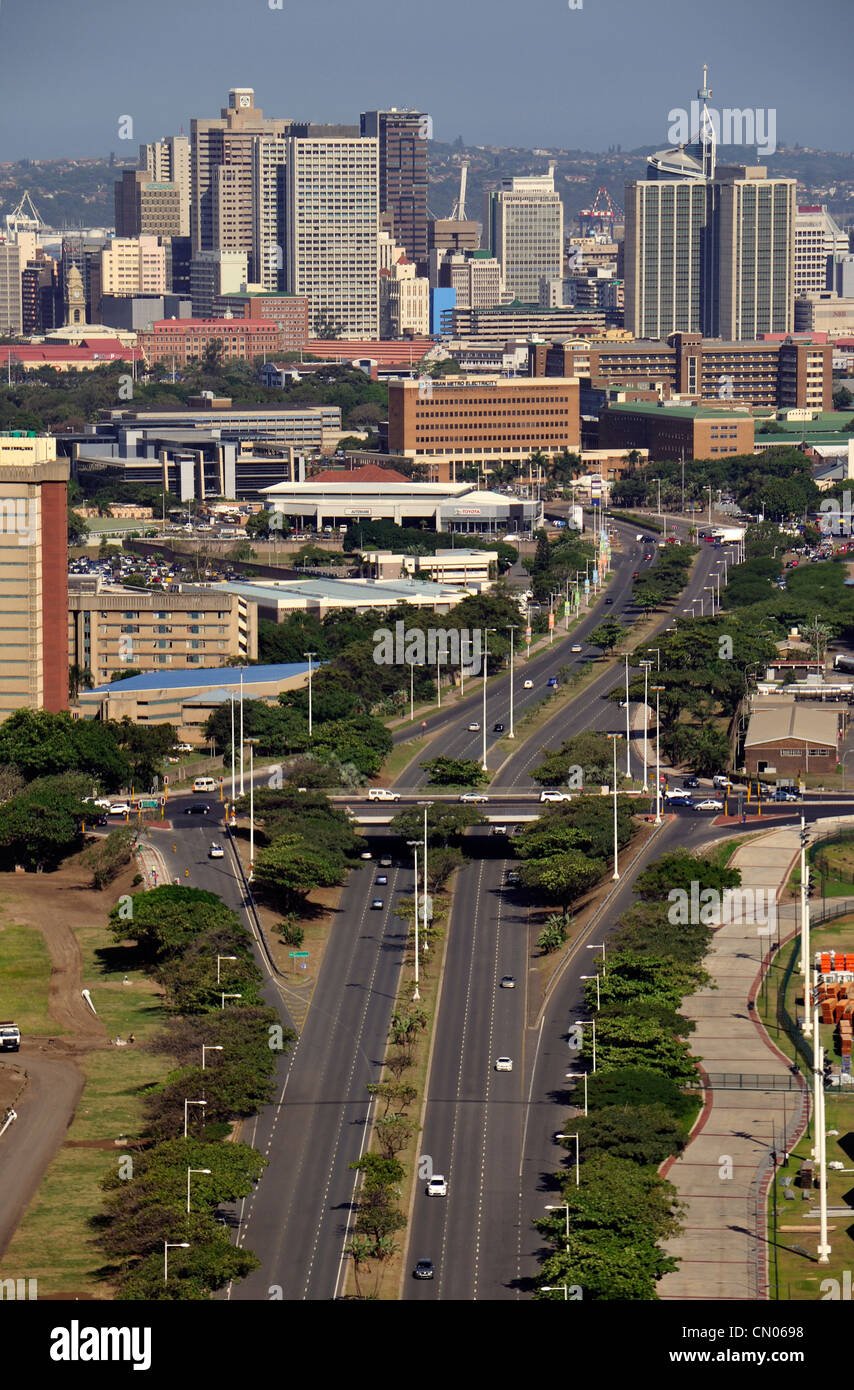
Durban Central's demographic profile features a diverse urban population of approximately 1 million in the eThekwini metro, with a median household income of R5,000-10,000 monthly, skewing towards lower- to middle-income groups including Zulu-speaking locals, Indian communities, and migrant workers. The Workshop attracts a high volume of daily commuters and pedestrians, recording average monthly footfall of 1,129,000 visitors as per centre data, driven by its CBD location near offices, transport nodes, and informal trading areas. This supports consistent traffic for convenience retail but exposes tenants to economic volatility, with 2023 retail sales growth in KZN at 3-4% amid inflation pressures. Accessibility via minibus taxis and walking is a strength, though vehicle access can be congested during peak hours.
Tenant Mix and Occupancy
The tenant mix emphasizes value-driven retail with 82 stores across categories like affordable clothing (e.g., Truworths, Legit), fast food (KFC, Debonairs), and essentials (Pick n Pay, Clicks), catering to quick-turnover shopping. No dominant hypermarket anchor, but balanced distribution avoids over-reliance on one category. Occupancy rates are estimated at 90-95% based on 2024 KZN retail trends from Growthpoint reports, reflecting stable demand in urban neighbourhood centres. Strengths include diverse offerings that enhance dwell time, but weaknesses in luxury or entertainment segments may limit sales per square meter compared to regional malls (averaging R4,000-6,000 annually in Durban CBD vs. R8,000+ in suburbs). Lease terms typically offer 3-5 year commitments with turnover rents, providing flexibility for smaller retailers.
Risks and Competition
Key risks include Durban CBD's broader challenges, such as 23% office vacancy spillover affecting daytime footfall and petty crime perceptions deterring upscale tenants, per 2023 eThekwini economic data. Competition from nearby centres like Durban Station Mall and informal street vendors saturates budget apparel and food categories, potentially capping growth at 2-3% annually. Aging infrastructure, including the heritage building's maintenance needs, could increase operational costs for tenants. Market factors like e-commerce penetration (15% of SA retail in 2024) and suburban migration to Umhlanga reduce CBD appeal, though government revitalization initiatives offer mitigation. Overall, while footfall remains robust, retailers should assess category fit to navigate saturation and economic headwinds.
Building Details
Detailed Market Analytics
City Snapshot
Durban
Comprehensive market intelligence for retail expansion in this city

Other Retail Destinations in Durban
Discover more shopping centers in Durban.


Popular in South Africa
Top retail destinations across South Africa.



Interested in this property?
Choose how you'd like to proceed
Advertise at this property?
Reach high-intent shoppers across digital screens, atria, and experiential placements.
City Snapshot
Durban
Comprehensive market intelligence for retail expansion in this city