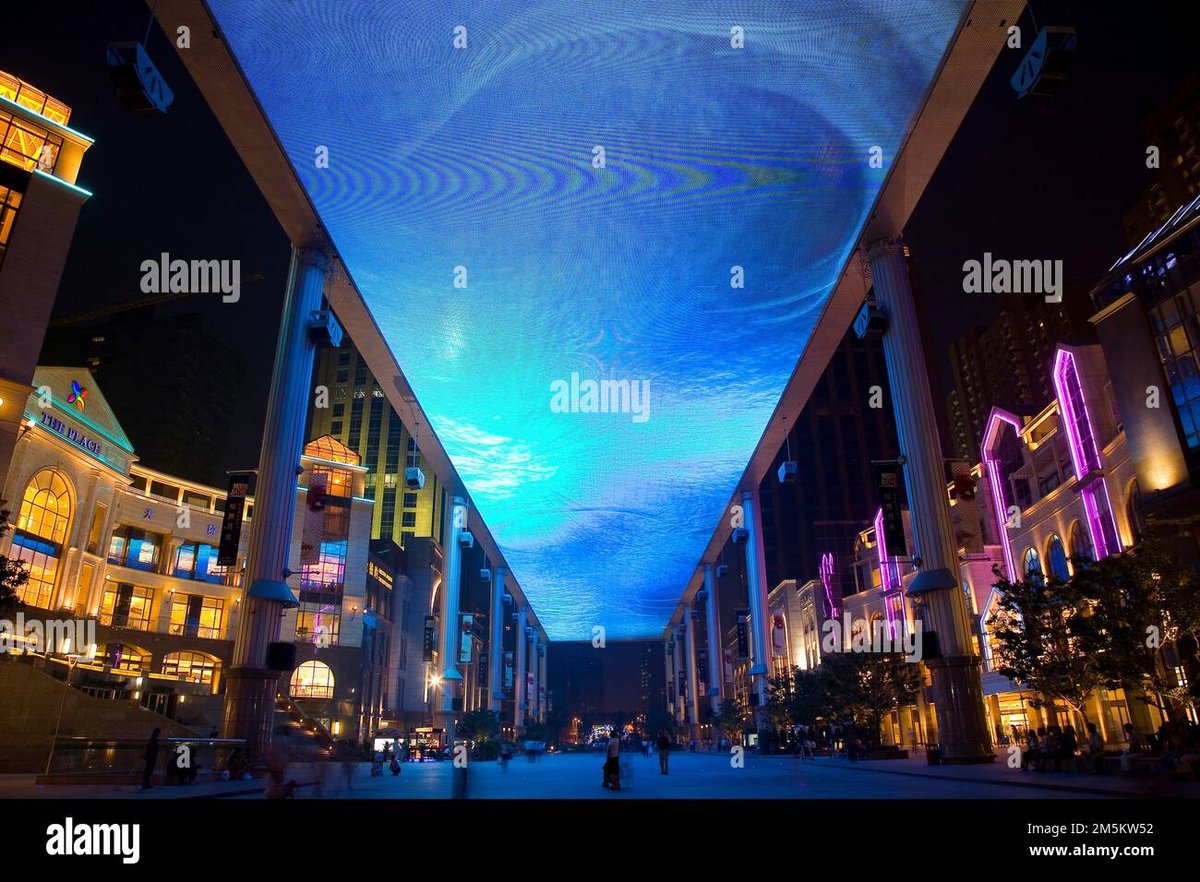
Brand Fit Snapshot
Best for:
Not ideal if:
Similar properties you might like:
Quick assessment - takes 30 seconds
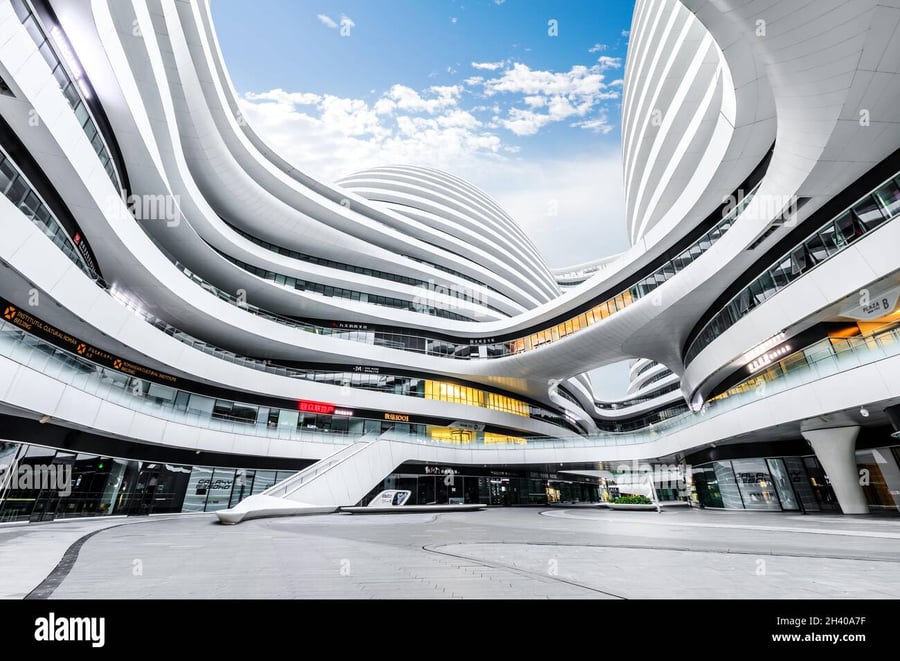
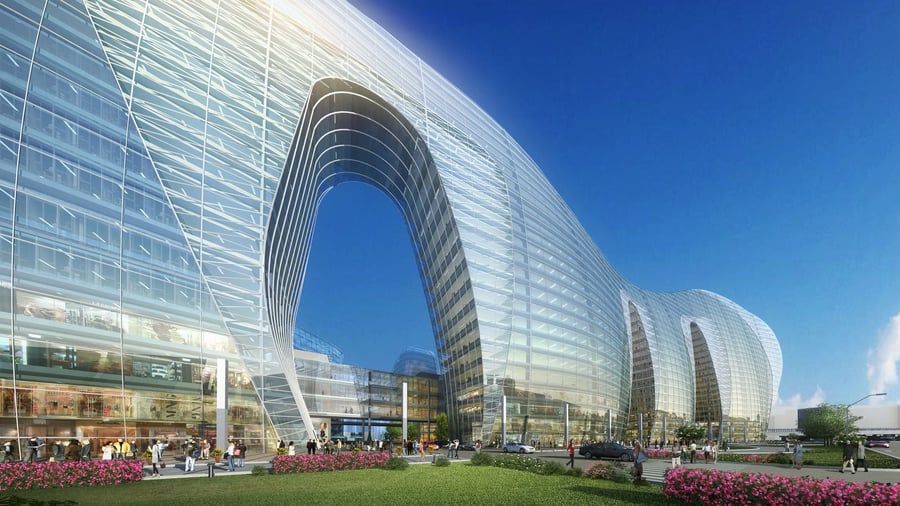
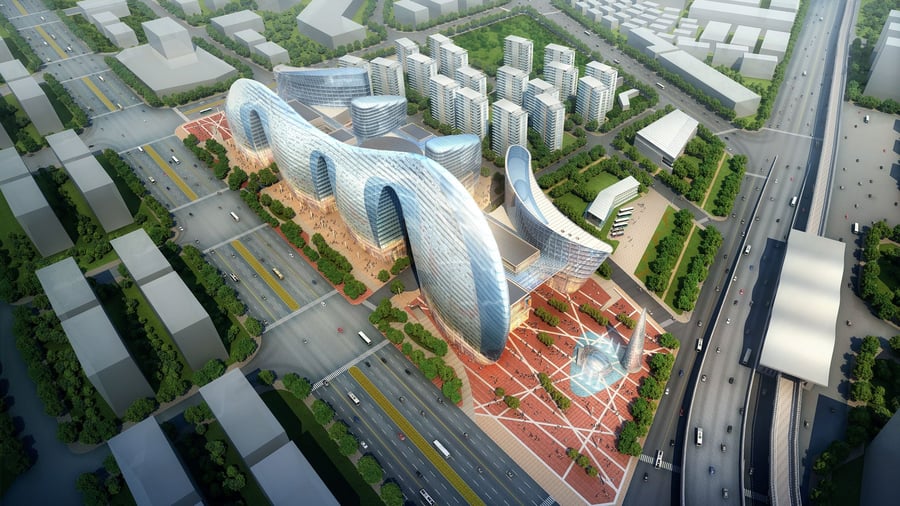
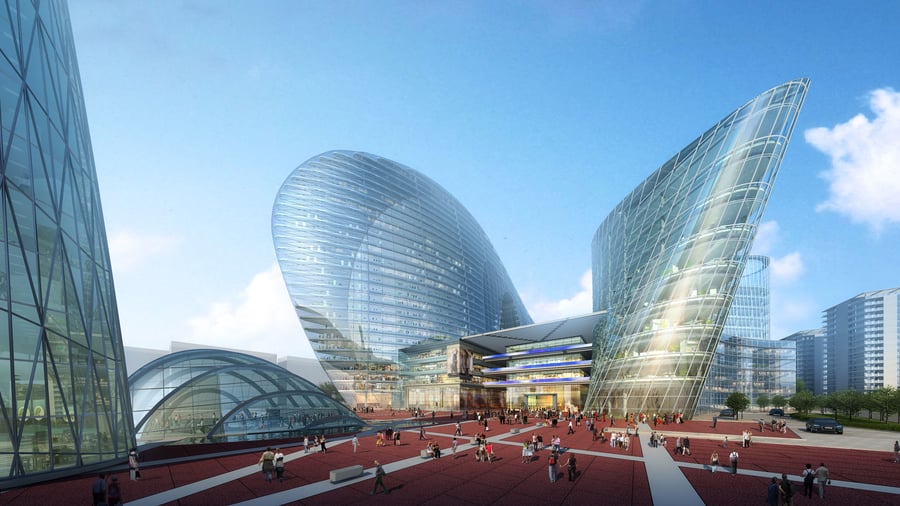
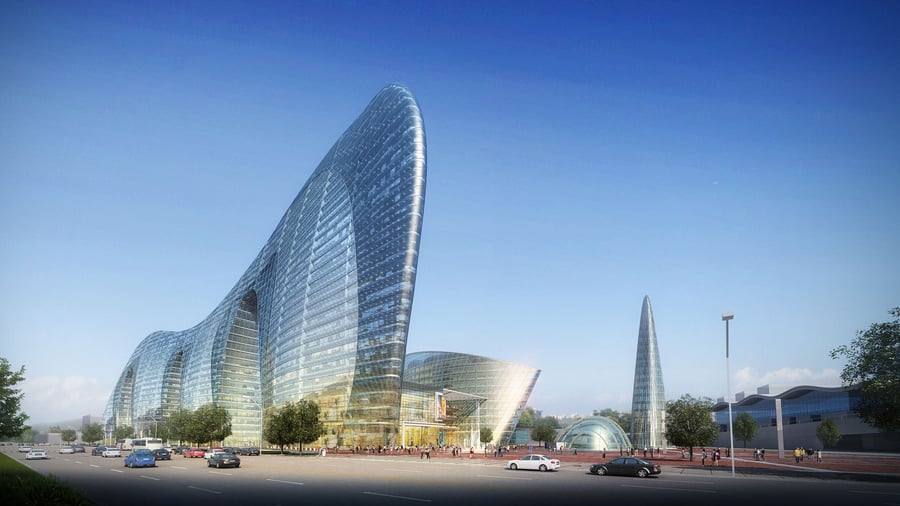
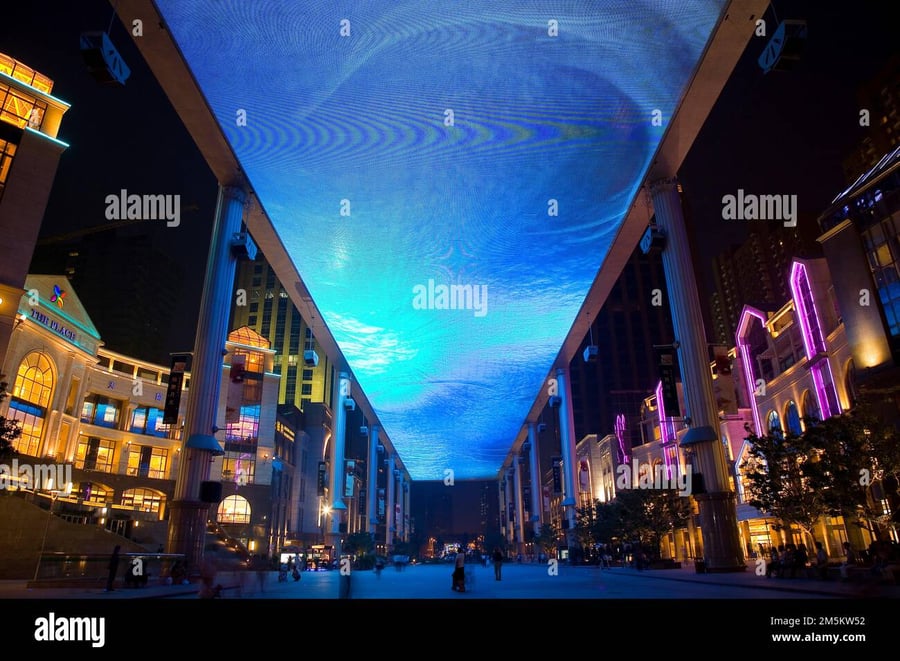
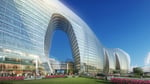
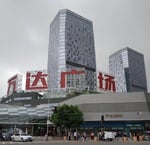
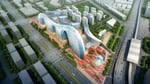
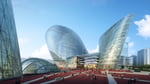
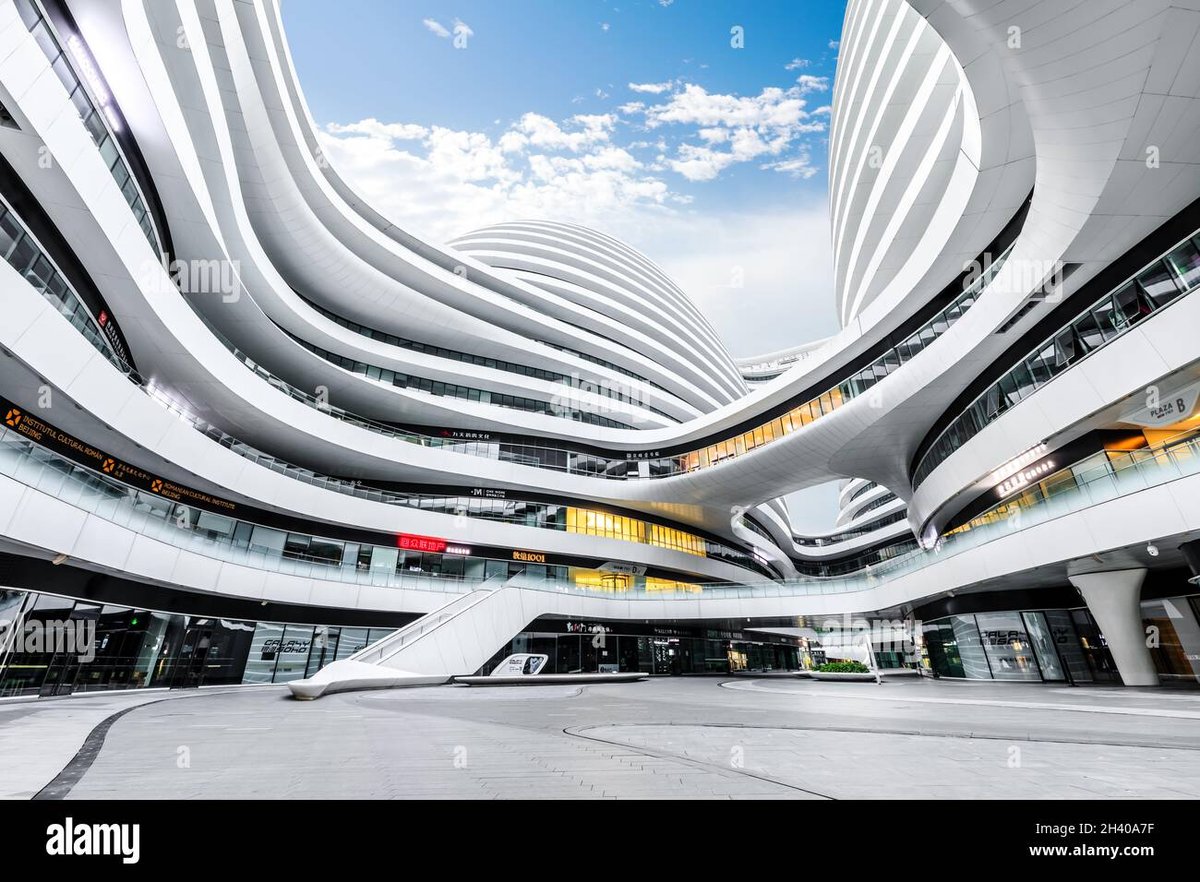
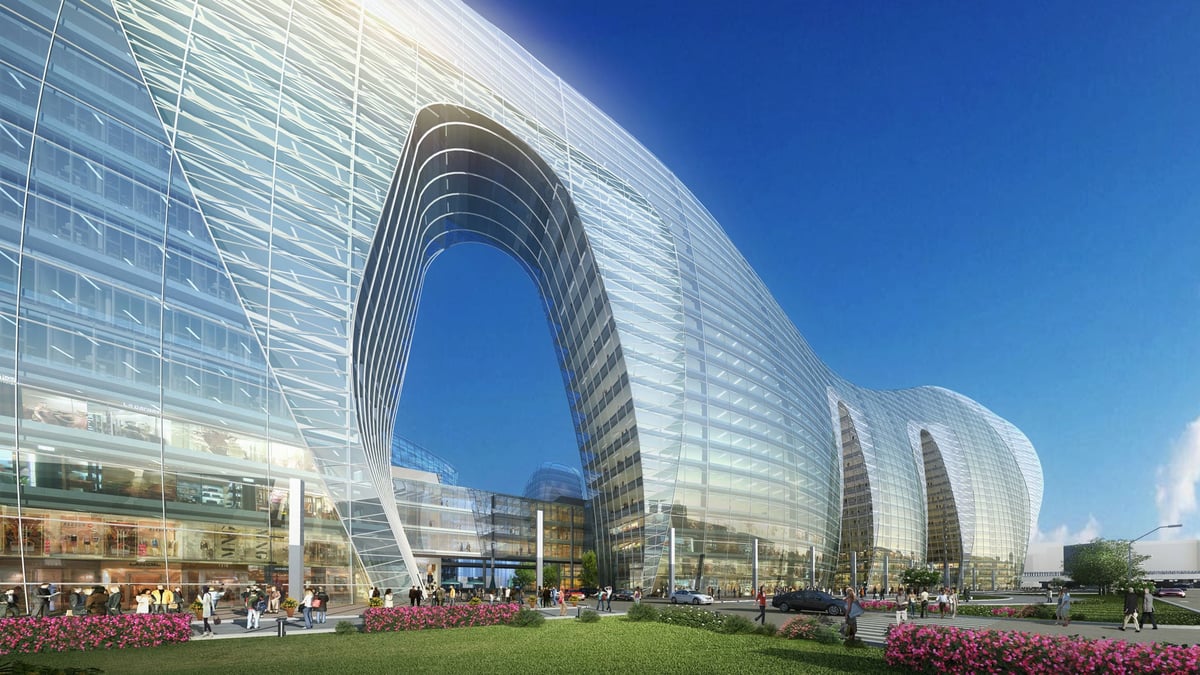
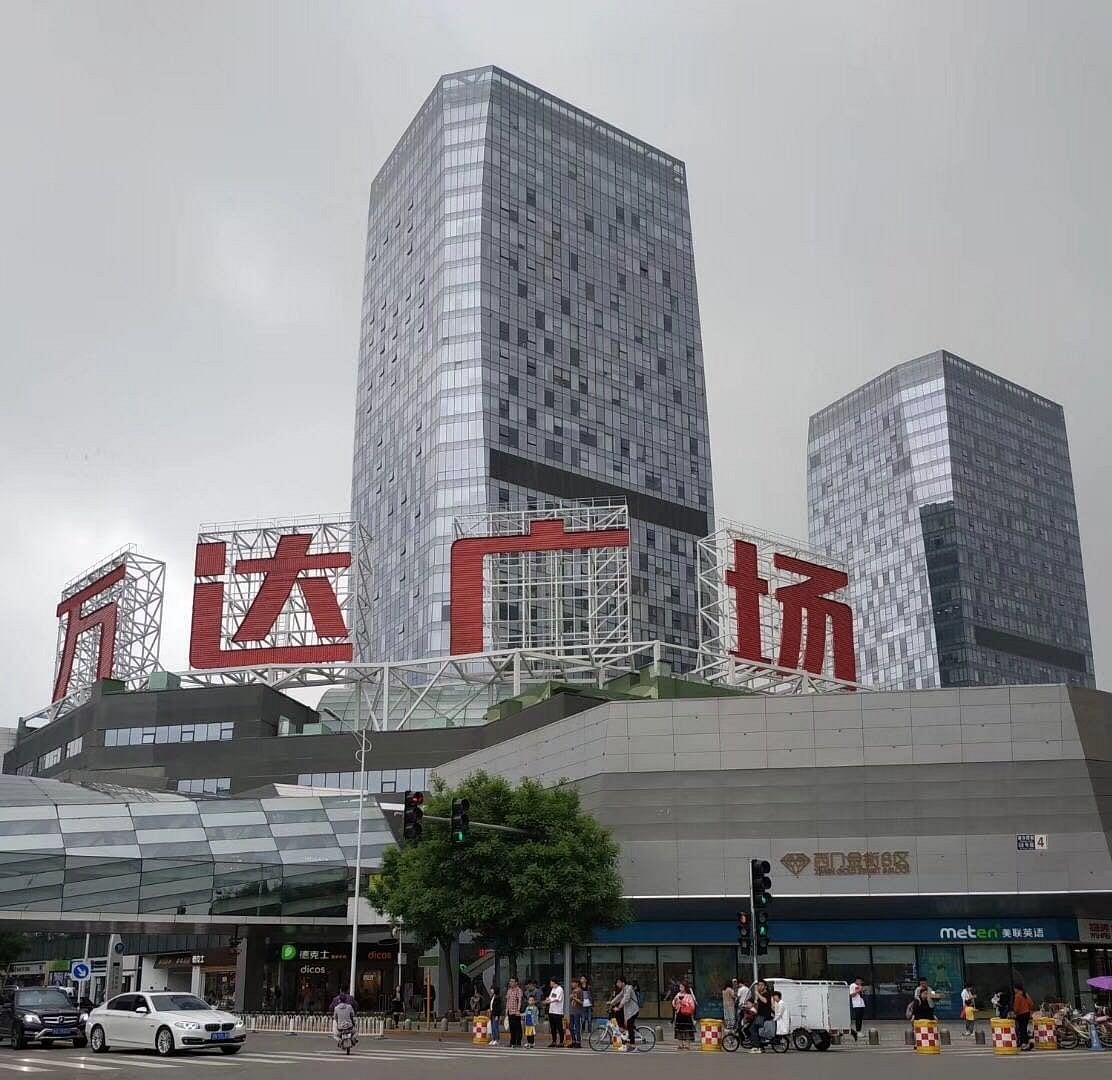
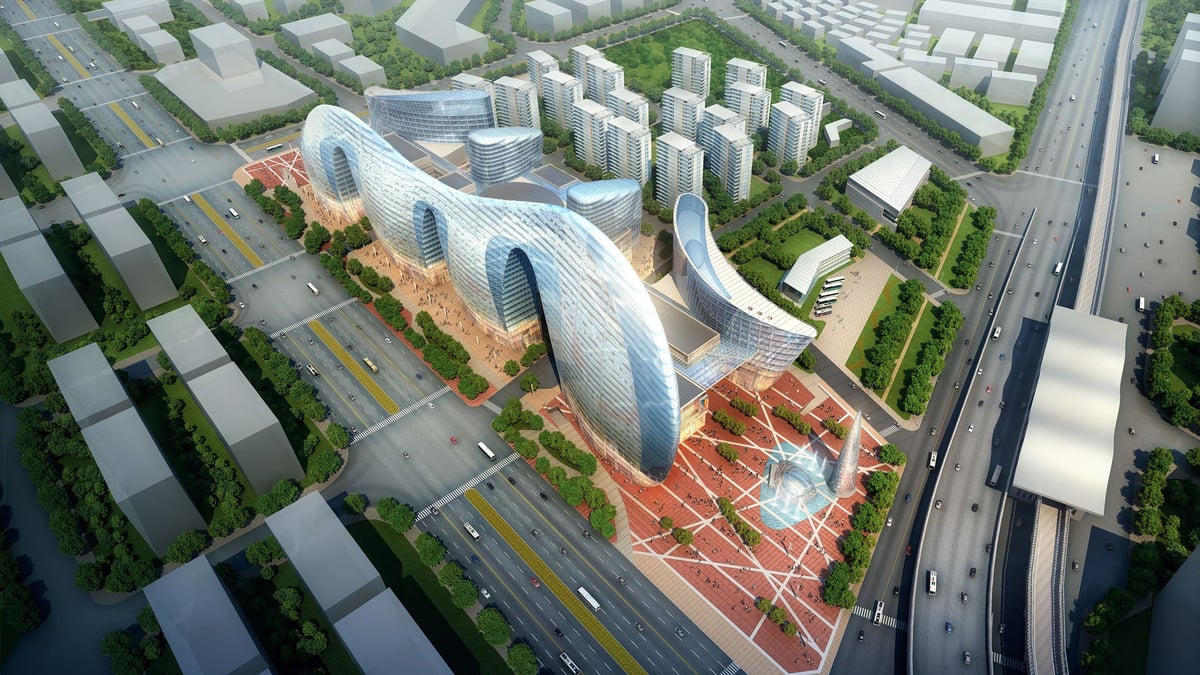
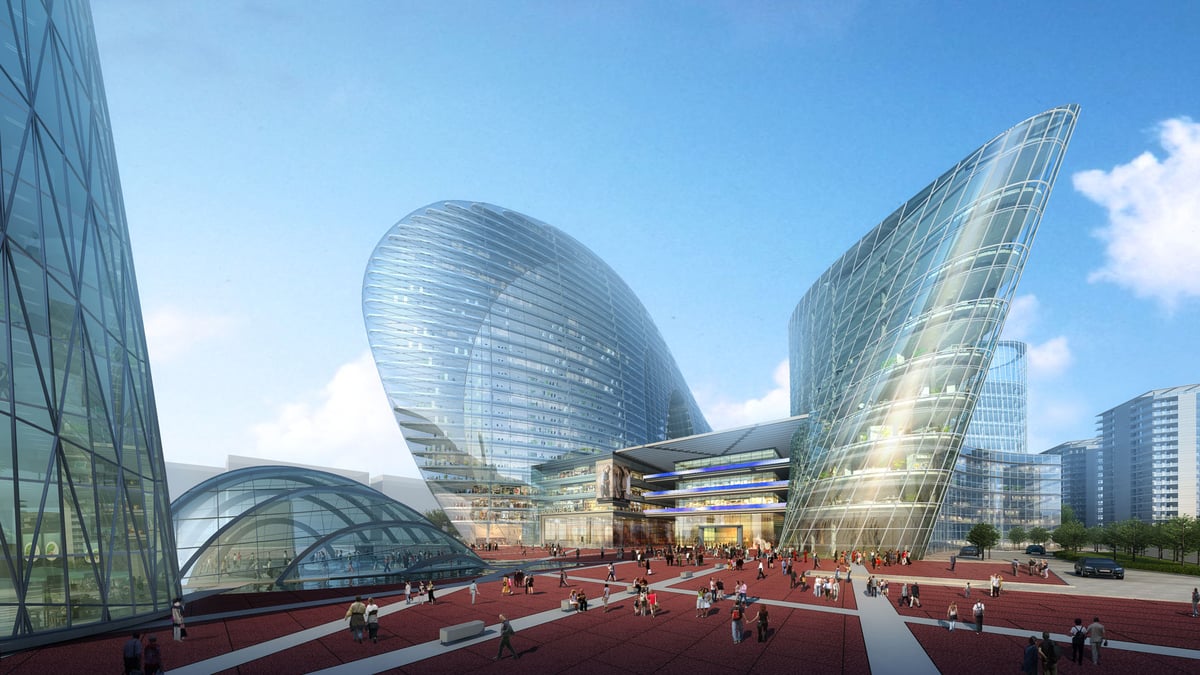
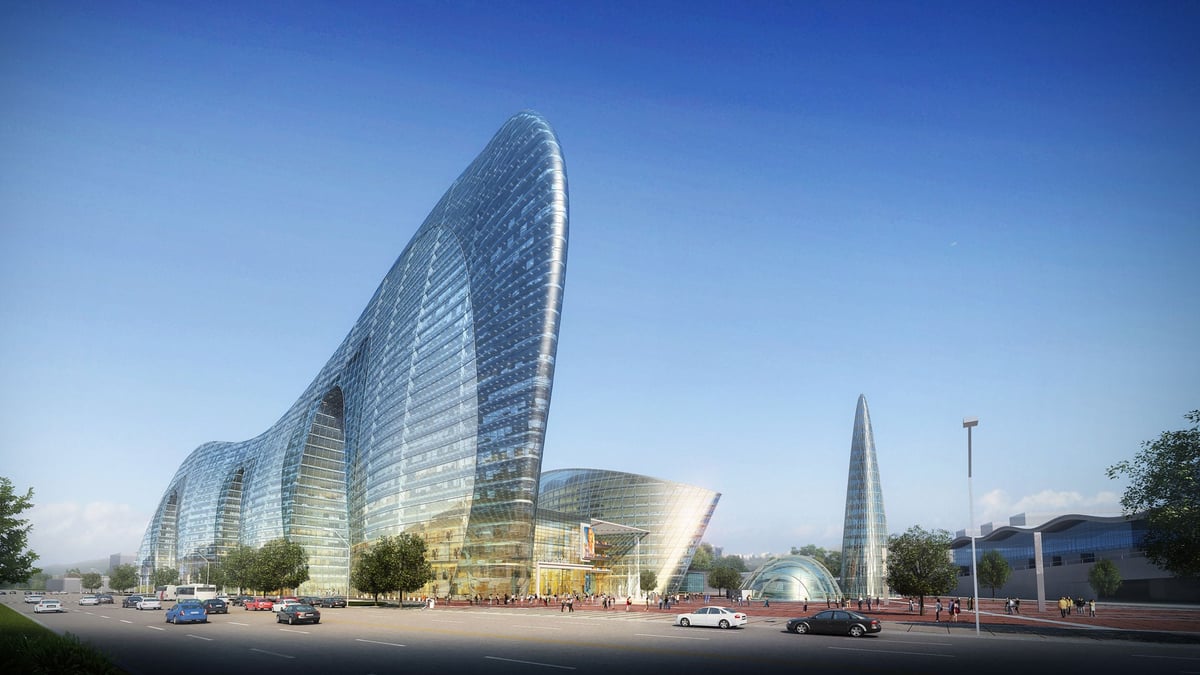
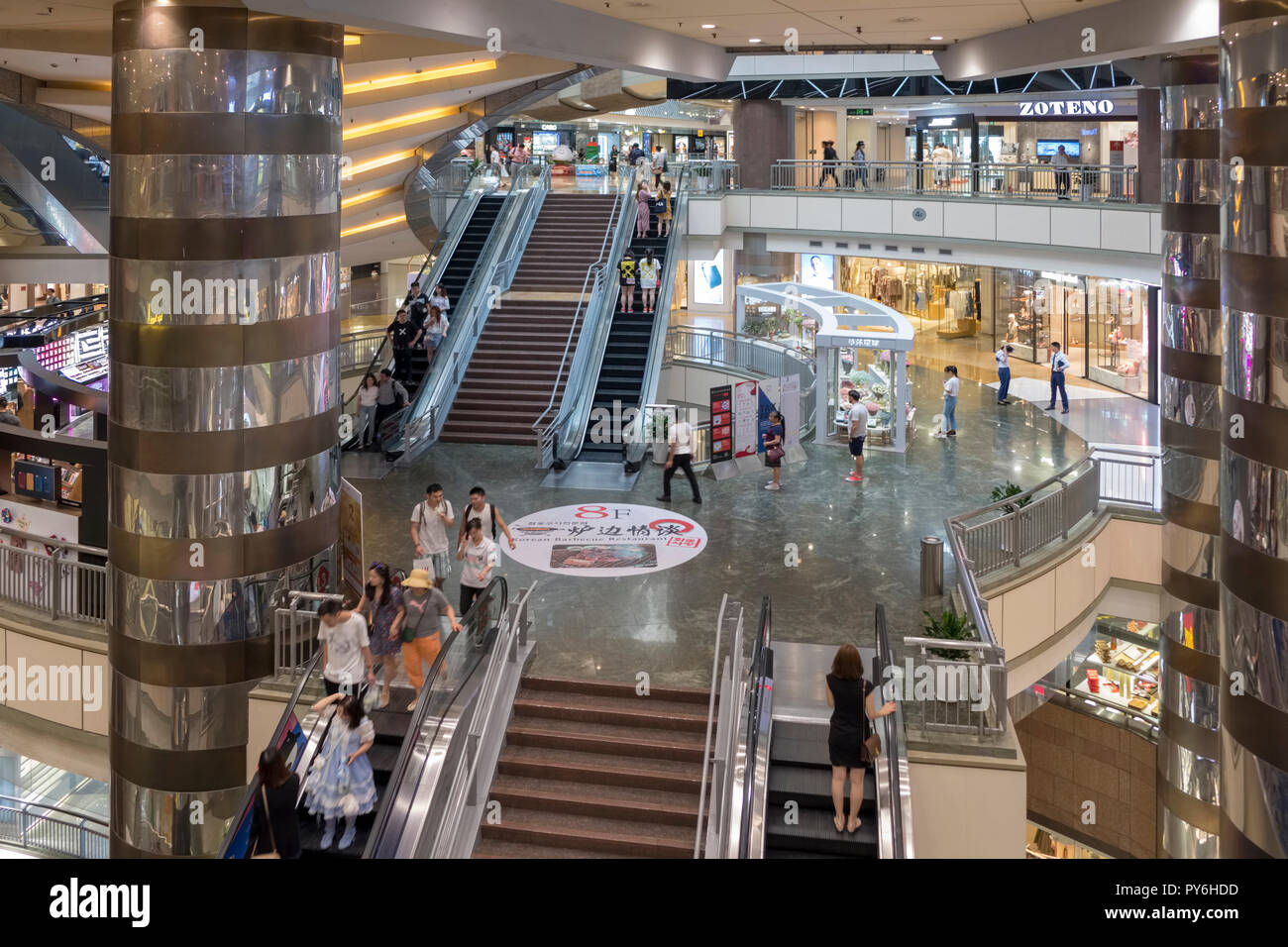
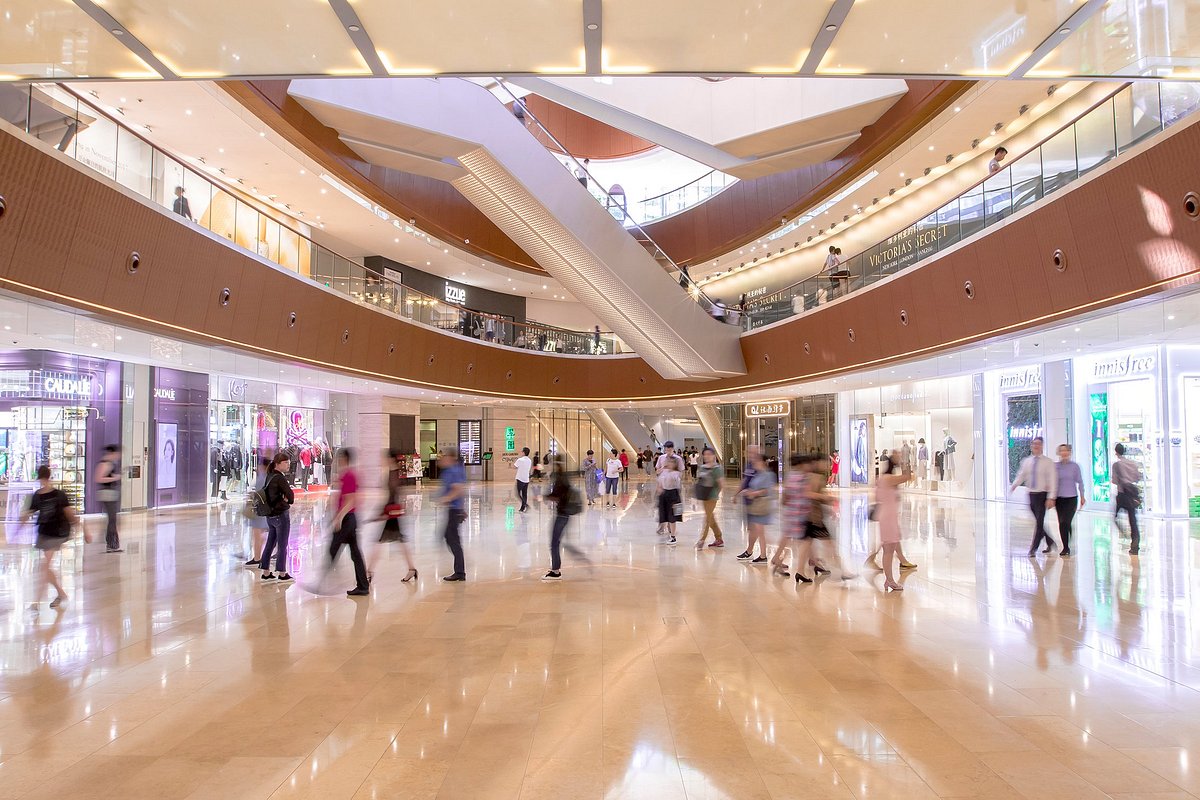
Joy City Tongzhou, located in the Tongzhou District of Beijing, serves as a key retail destination in the citys sub-center, an area designated for administrative relocation and urban development since 2015. Opened in 2018, the mall spans approximately 150,000 square meters of gross leasable area across multiple floors, featuring a diverse tenant mix that includes international fashion brands like Zara and Uniqlo, domestic retailers such as Peacebird, entertainment options including a multiplex cinema and kids play areas, and a significant F&B component with over 50 eateries ranging from fast casual to fine dining.
The property benefits from its position near the Beijing Municipal Government offices and residential communities, drawing a local demographic of young professionals, families, and civil servants.
Market position is solid within suburban Beijing, with average occupancy rates hovering around 92% as of Q2 2025, supported by proactive tenant adjustments using big data analytics typical of the Joy City brand.
Rent levels are competitive at RMB 500-800 per square meter annually, lower than central Beijing averages of RMB 1,000+, offering cost-effective entry for mid-tier retailers.
Accessibility is enhanced by proximity to Line 6 and Batong Line subway stations, though traffic congestion remains a challenge.
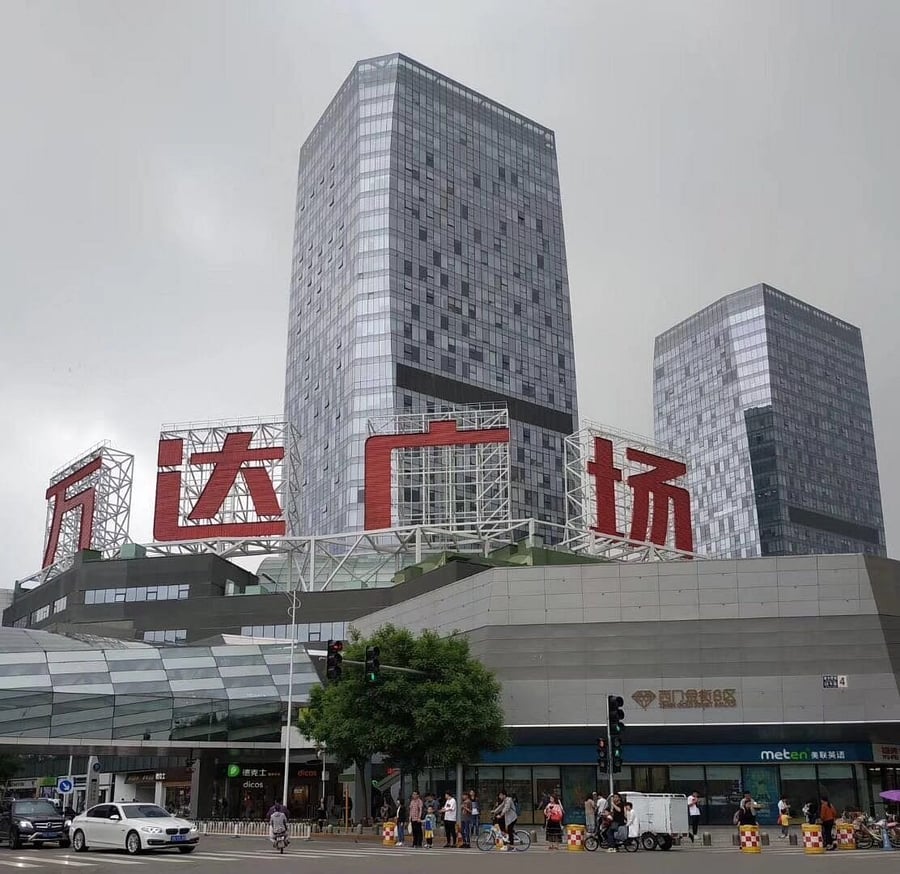
Leasing advantages include flexible terms for pop-ups and short-term leases, fostering high footfall of about 5 million annual visitors, driven by experiential retail and events. However, the market faces headwinds from overall Beijing retail vacancy at 10.6% and softening consumer spending, necessitating ongoing mix optimizations to counter competition from nearby Wanda Plaza Tongzhou.
Overall, it provides balanced opportunities for retailers targeting emerging middle-class consumers in a growth corridor, balanced against suburban limitations in premium draw.
Interested in this property?
Choose how you'd like to proceed
Advertise at this property?
Reach high-intent shoppers across digital screens, atria, and experiential placements.
Hours of Operation
Hours
| Monday | 10:00 AM — 09:00 PM |
| Tuesday | 10:00 AM — 09:00 PM |
| Wednesday | 10:00 AM — 09:00 PM |
| Thursday | 10:00 AM — 09:00 PM |
| Friday | 10:00 AM — 10:00 PM |
| Saturday | 10:00 AM — 10:00 PM |
| Sunday | 11:00 AM — 06:00 PM |
Hours may vary on public holidays. Check with individual stores for specific holiday schedules.
Insights
Demographics and Footfall
Tongzhou Districts population exceeds 2.2 million, with a median age of 35 and growing middle-income households earning RMB 100,000-200,000 annually, per 2024 Beijing Statistical Yearbook. Joy City Tongzhou attracts this base through family-oriented zones and youth-focused fashion, achieving footfall of 15,000-20,000 daily visitors on weekends, up 10% year-over-year per internal reports. However, weekday traffic dips to 8,000 due to office relocations impacting lunch-hour crowds, highlighting reliance on residential proximity rather than commuter flows.
Occupancy and Rent Levels
As of mid-2025, occupancy stands at 92%, above the Beijing suburban average of 88%, according to Cushman & Wakefield Q2 report, reflecting strong demand for F&B and experiential spaces amid tenant mix shifts away from underperforming luxury. Base rents range RMB 500-700/sqm/year for ground floor units, with effective rates at 85% after incentives like rent-free periods of 3-6 months for new tenants. Drawbacks include upward pressure on operating costs from energy efficiency upgrades in aging infrastructure, potentially eroding margins for smaller operators in a market with 5-7% annual rent growth projections.
Competition and Market Risks
Primary competitors include Tongzhou Wanda Plaza (200,000 sqm, higher footfall at 7 million annually) and local hypermarkets, intensifying rivalry in general merchandise and groceries, per JLL 2025 Beijing Retail Overview. Joy City differentiates via curated events and digital integration, but faces risks from market saturation in Beijings east with 15+ malls within 10km, contributing to 2-3% sales decline in weak categories like electronics. External factors such as policy-driven urban planning may boost long-term potential, yet short-term challenges from economic slowdowns could elevate vacancy if consumer confidence wanes further.
Building Details
Detailed Market Analytics
City Snapshot
Beijing
Comprehensive market intelligence for retail expansion in this city

Other Retail Destinations in Beijing
Discover more shopping centers in Beijing.


Popular in China
Top retail destinations across China.

Interested in this property?
Choose how you'd like to proceed
Advertise at this property?
Reach high-intent shoppers across digital screens, atria, and experiential placements.
City Snapshot
Beijing
Comprehensive market intelligence for retail expansion in this city