
Brand Fit Snapshot
Best for:
Not ideal if:
Similar properties you might like:
Quick assessment - takes 30 seconds
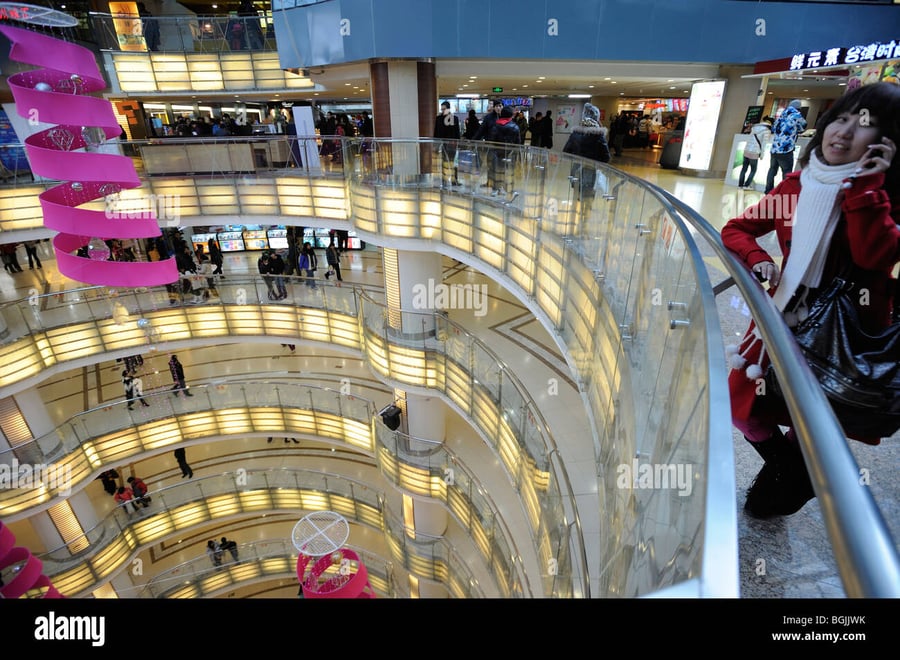
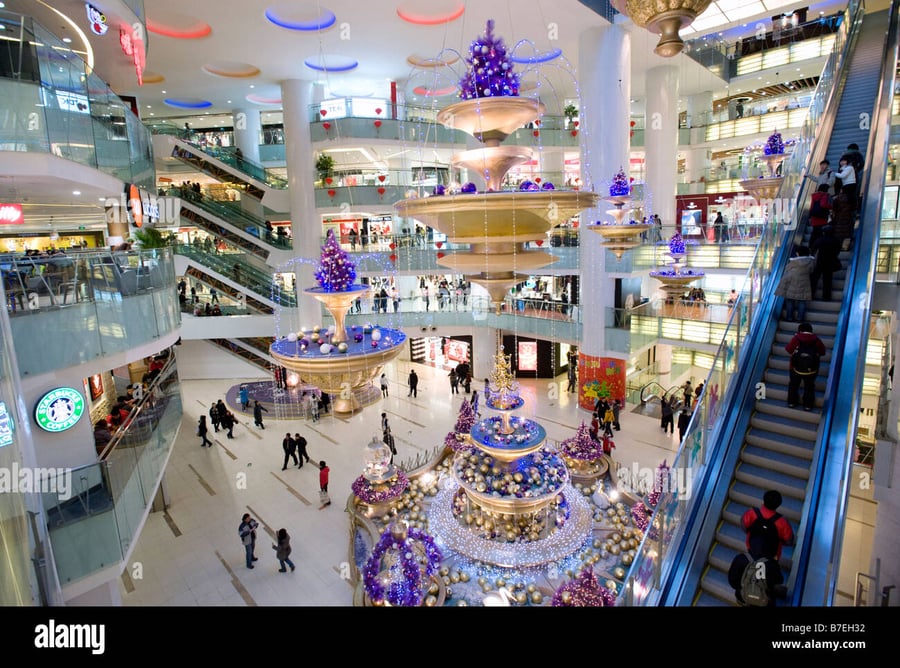
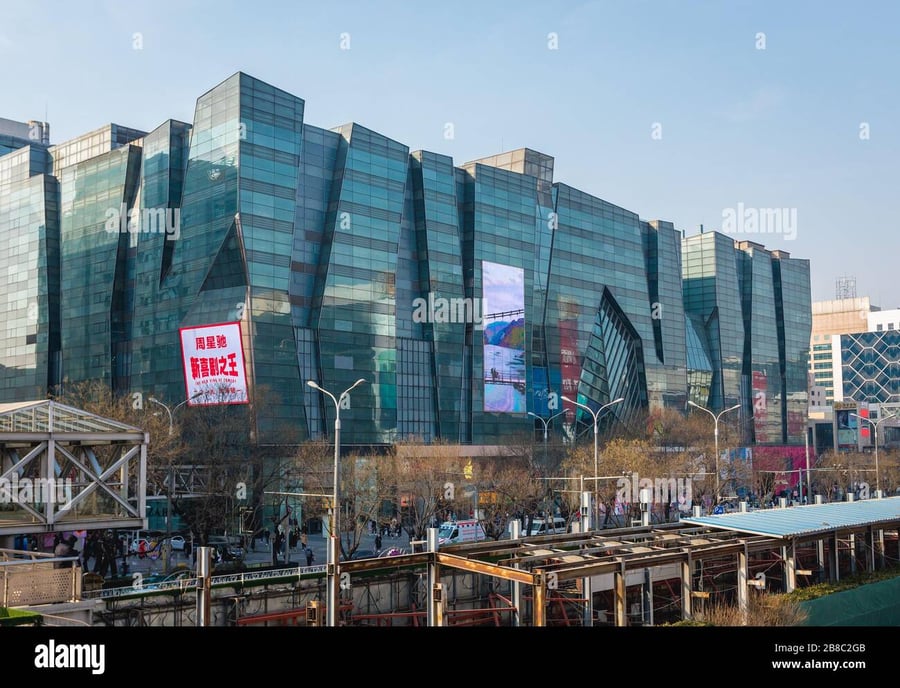
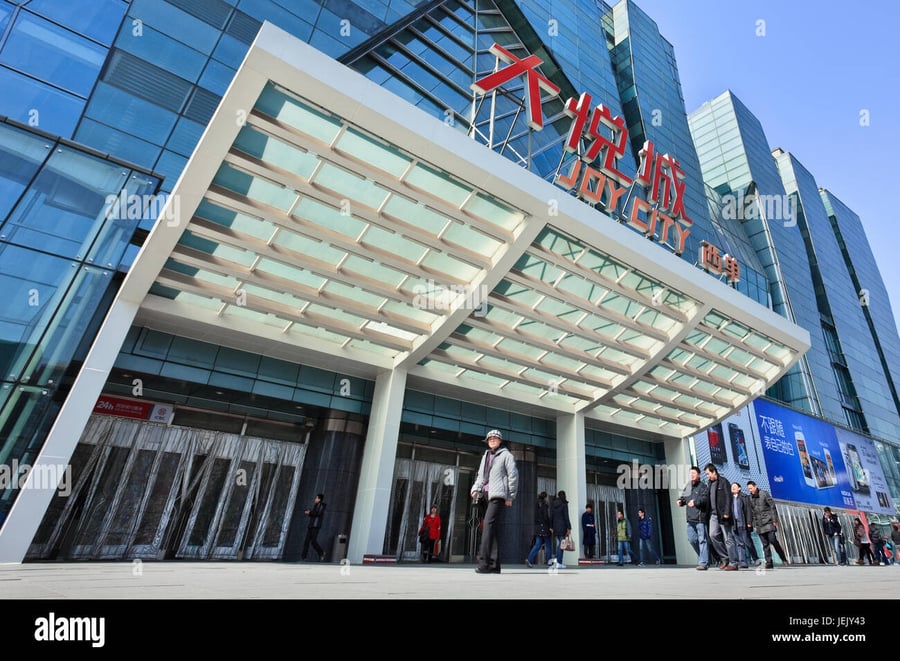
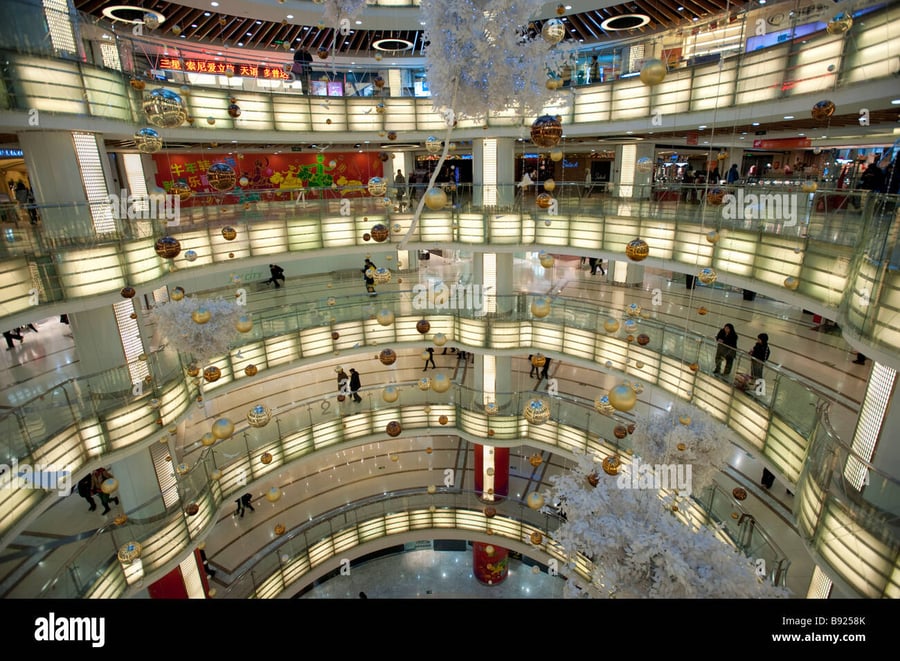
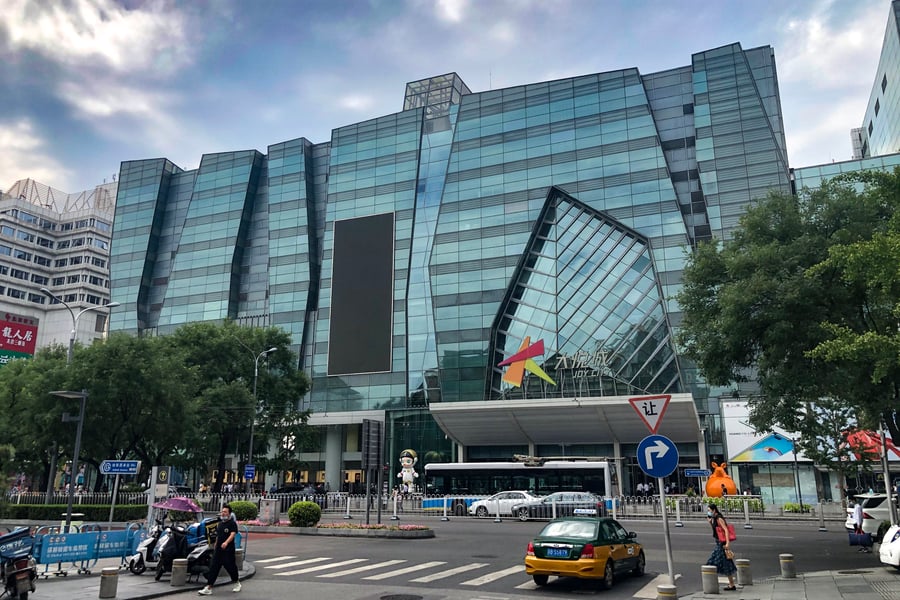
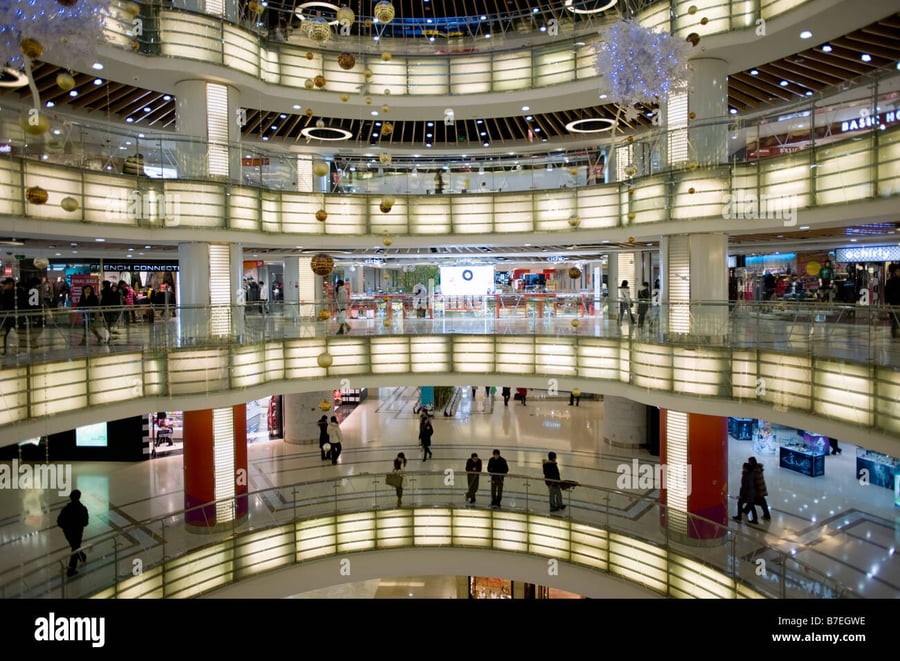
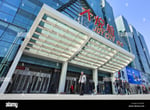
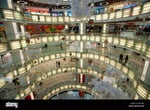
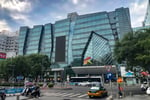
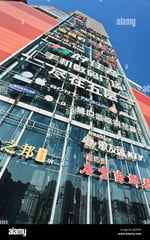
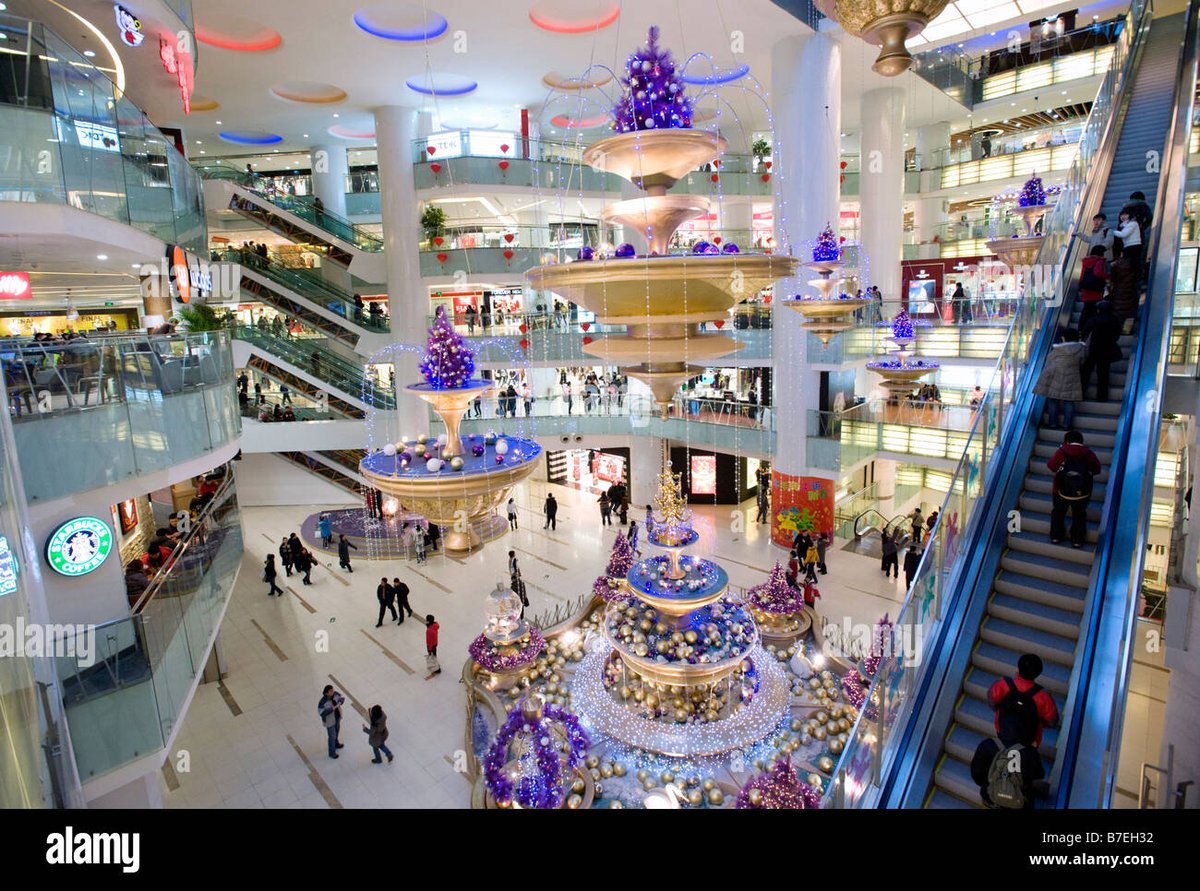
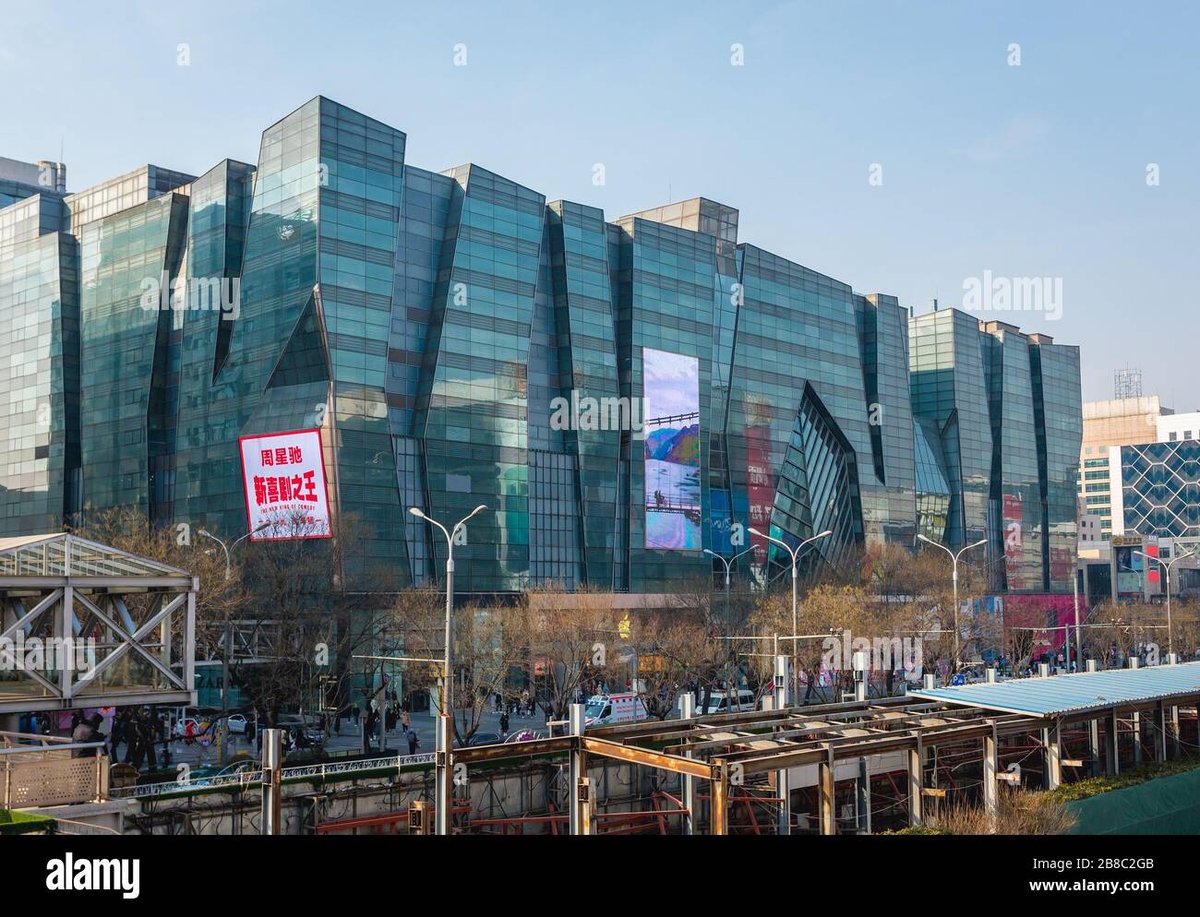
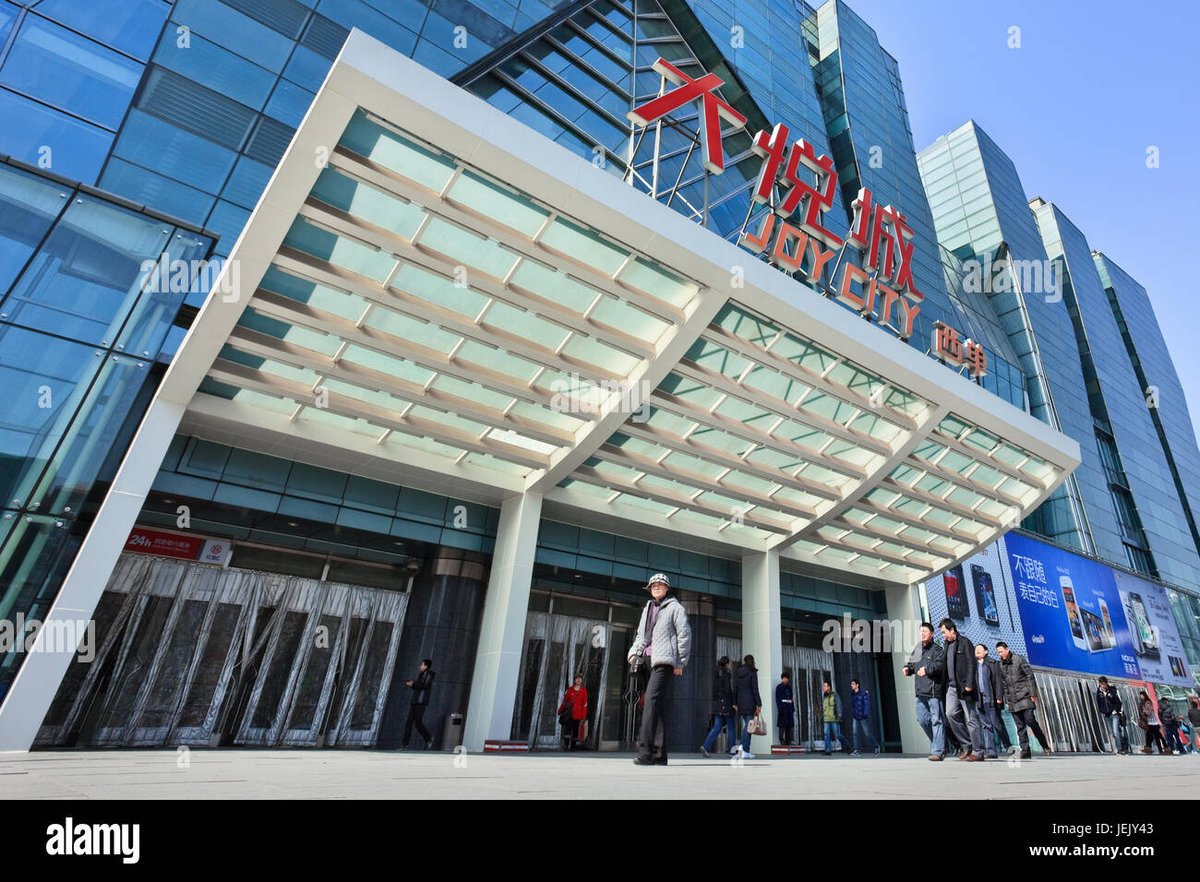
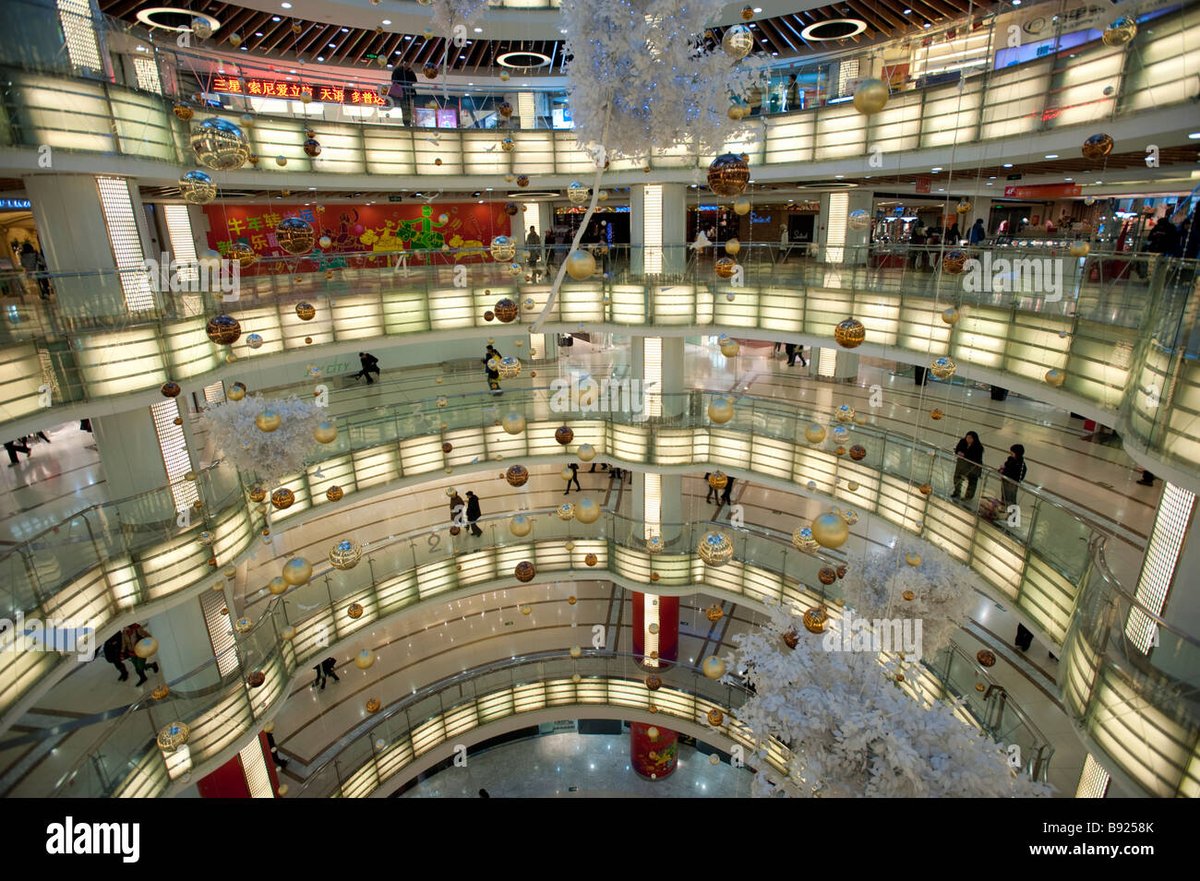
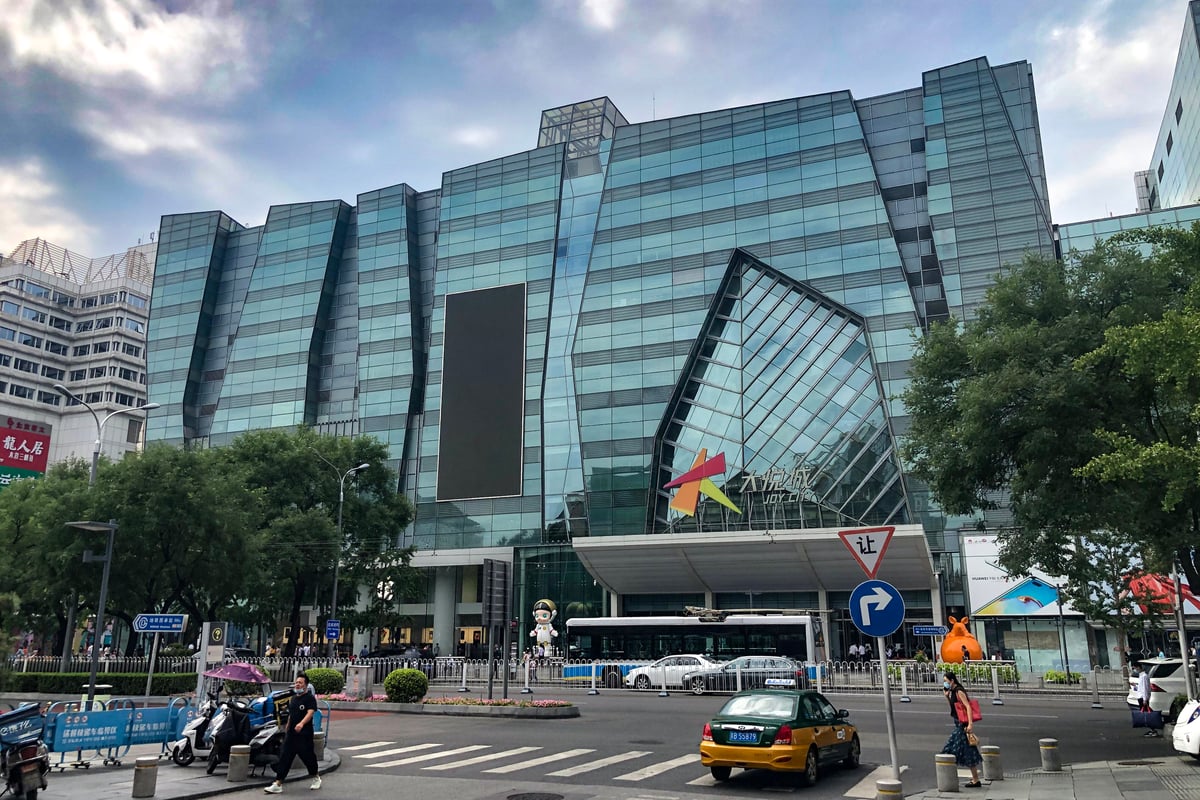
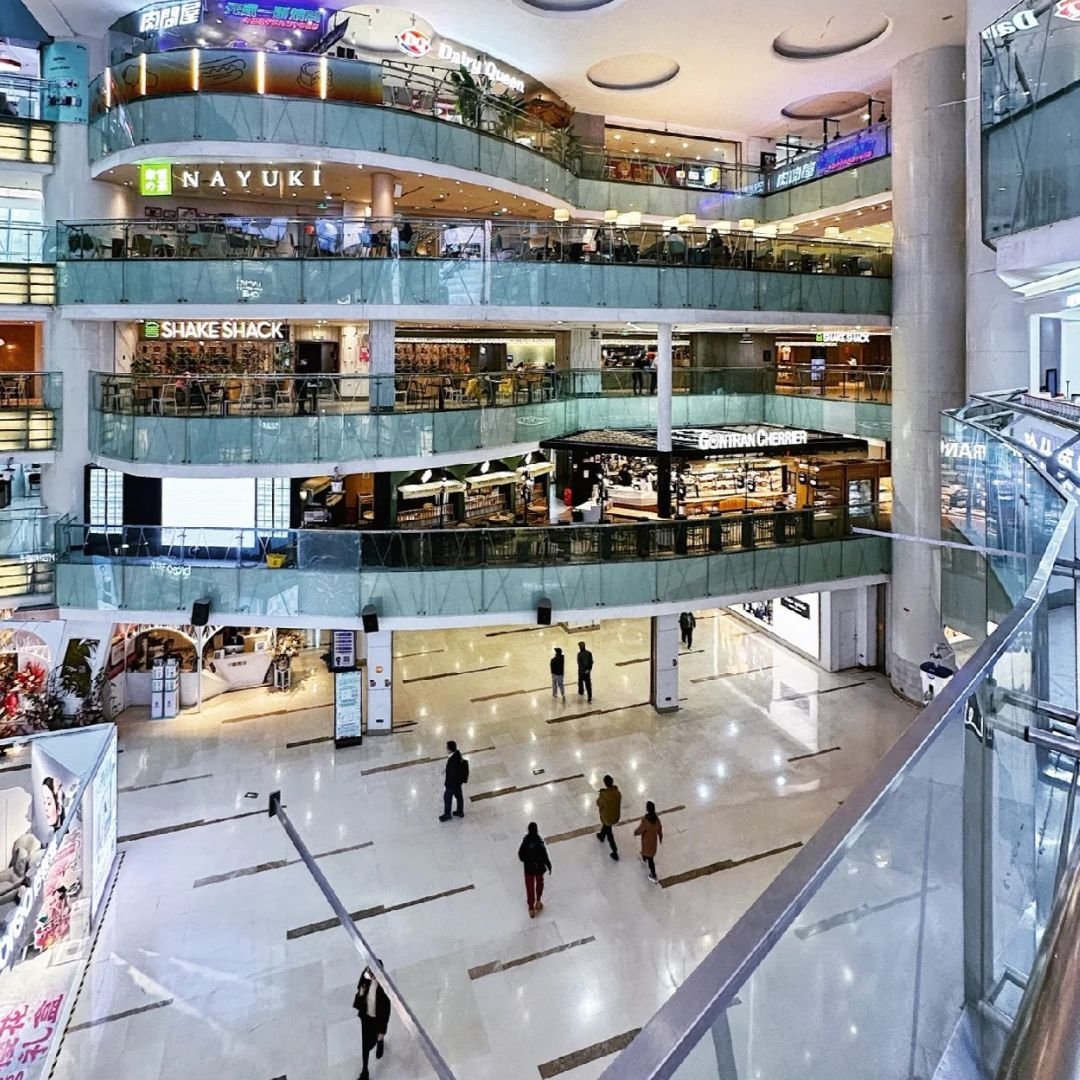
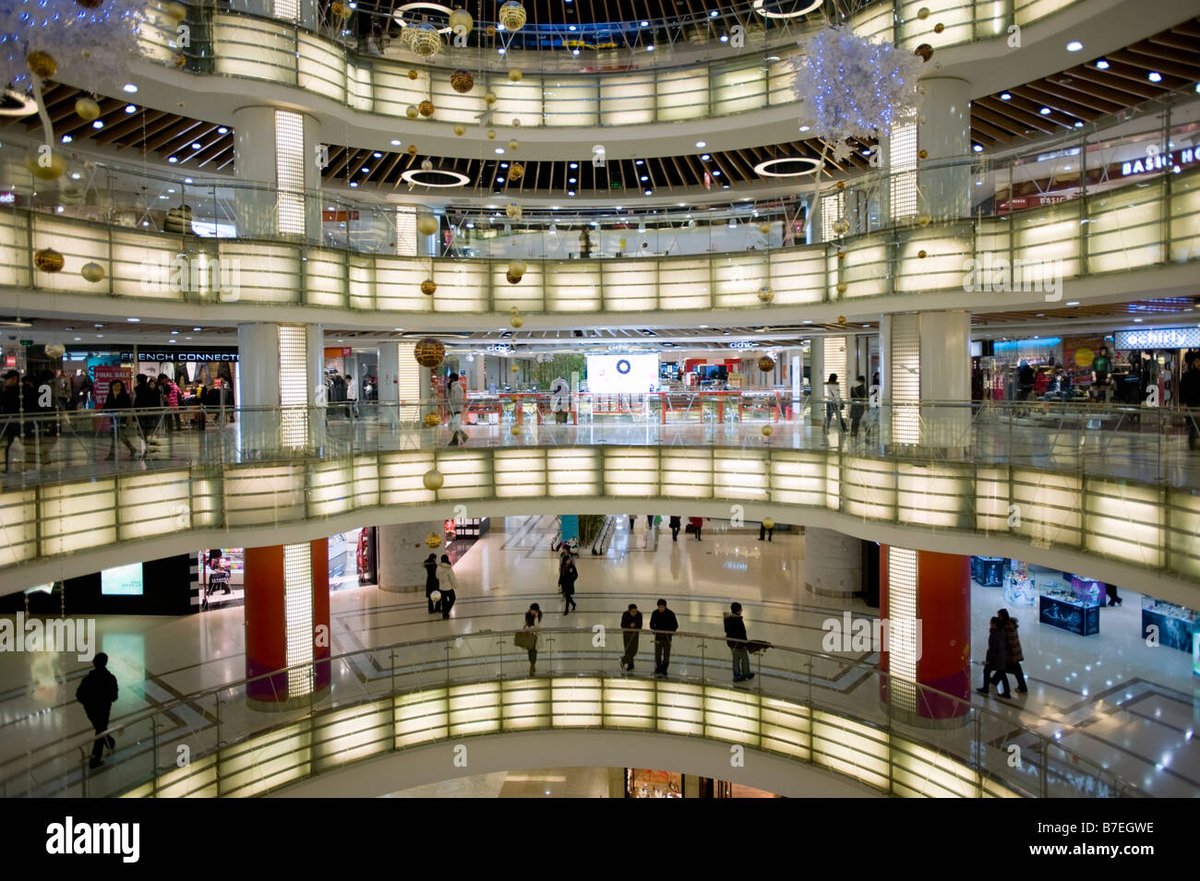
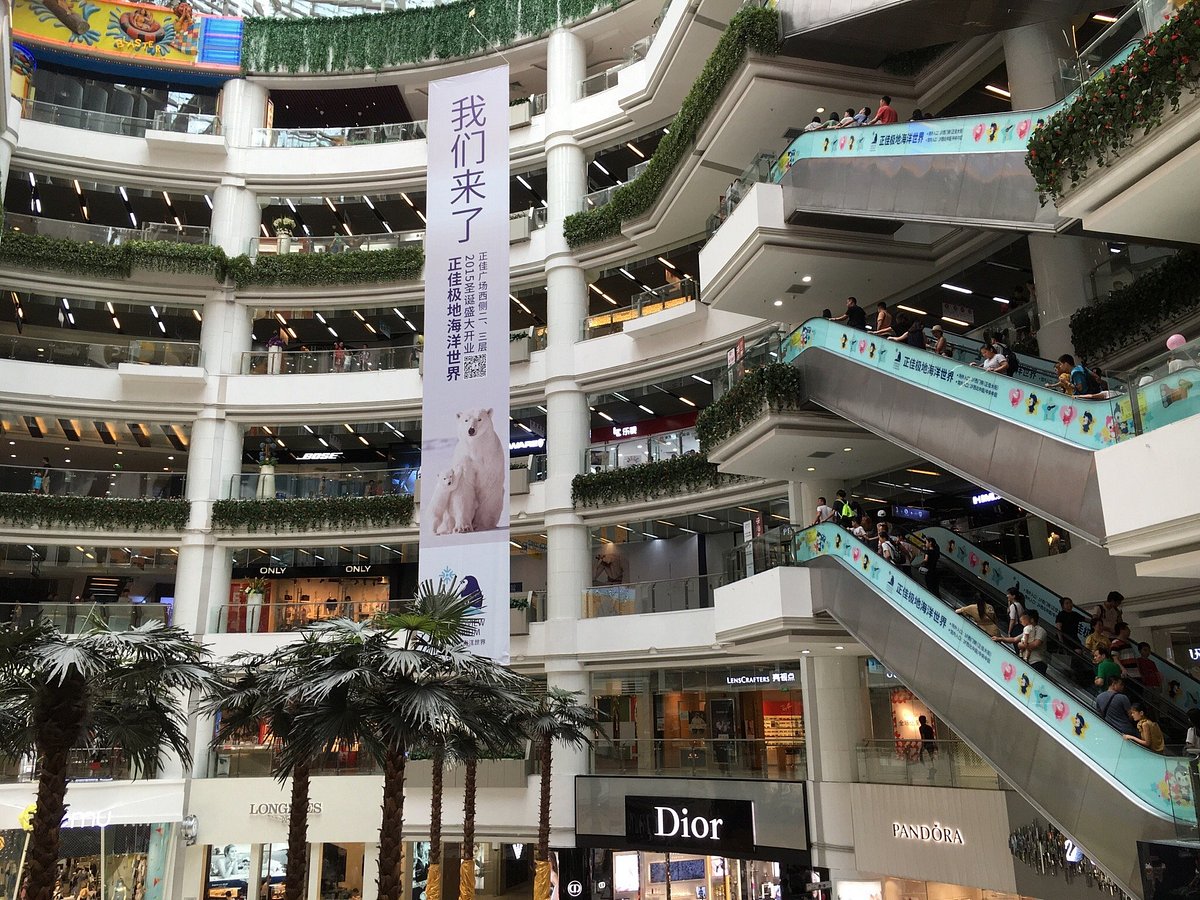
Xidan Joy City is a prominent multi-level retail complex located in the Xidan commercial district of Beijing's Xicheng District, spanning approximately 10 floors with a gross leasable area contributing to the city's central retail stock. Opened in 2007 and managed by Sanlitun Joy City Property, it integrates shopping, dining, entertainment, and connects to adjacent office and residential components, enhancing its mixed-use appeal.
The property benefits from Beijing's prime central location, drawing from a dense urban population of over 21 million, with Xidan serving as a key hub for fashion and lifestyle retail.
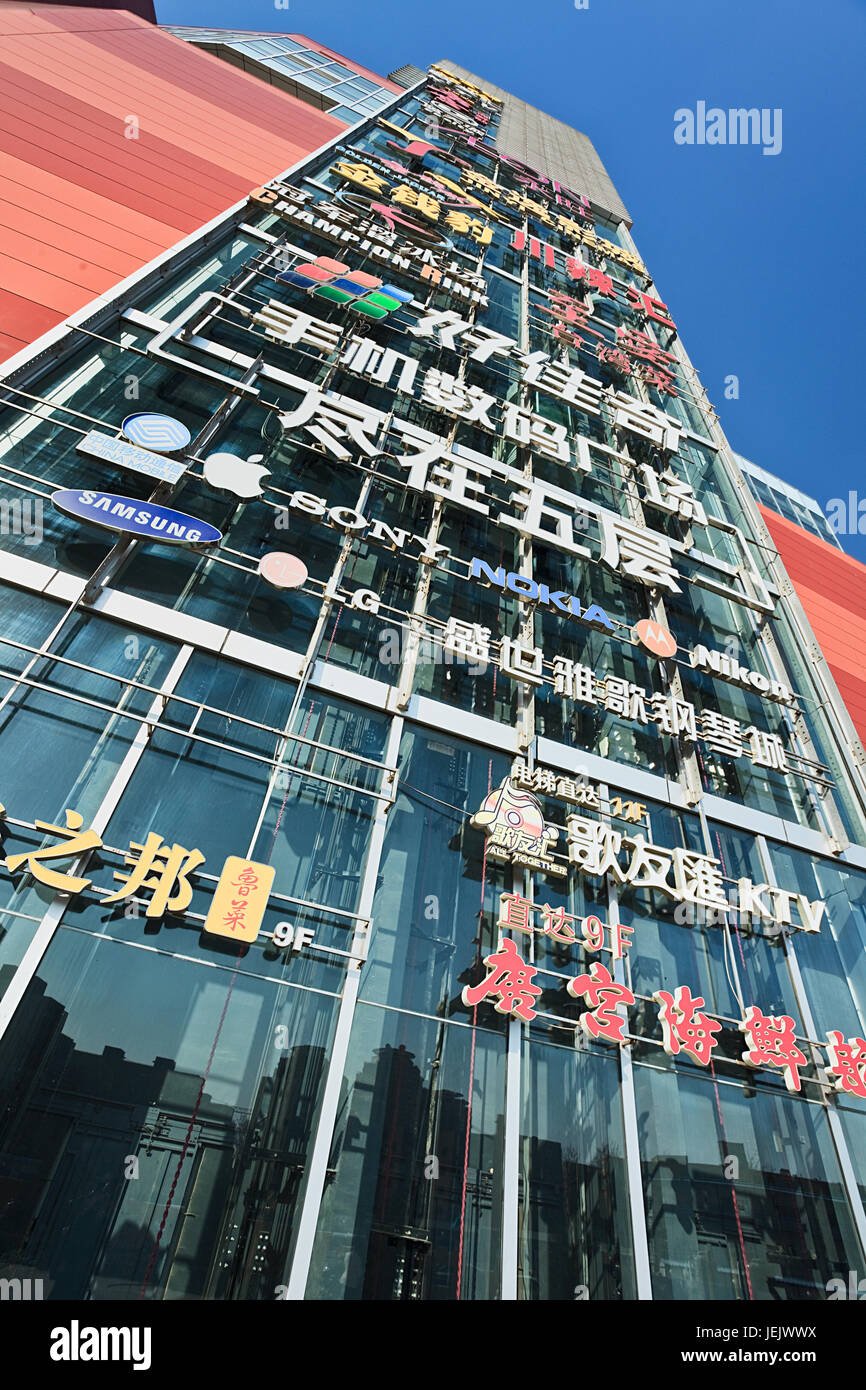
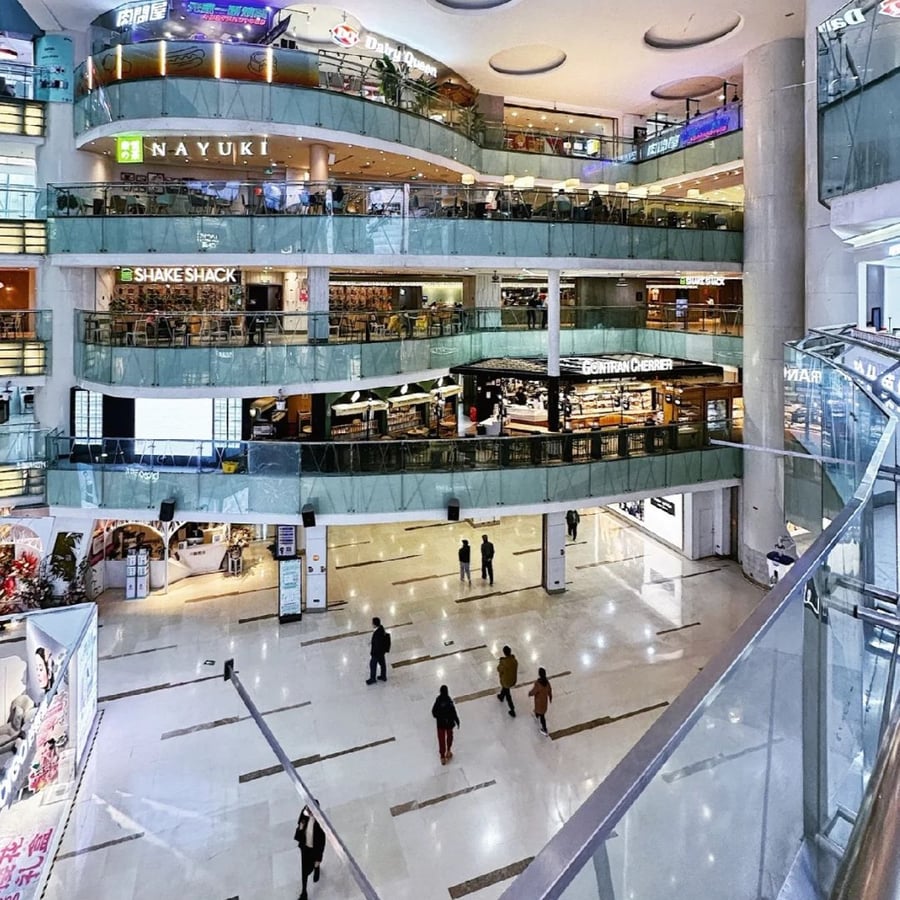
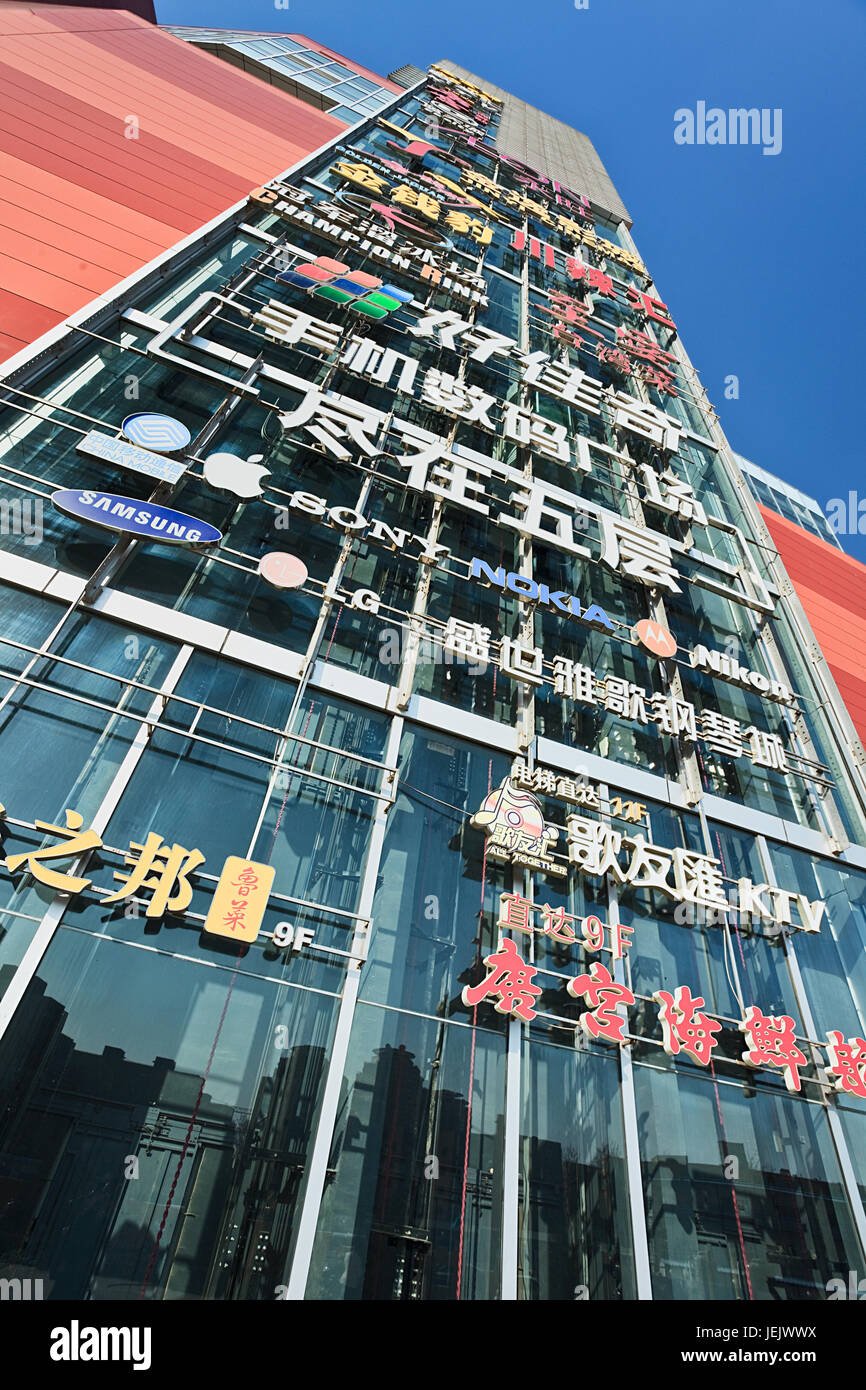
Tenant mix emphasizes mid-to-upper market international and domestic brands, including Uniqlo, Zara, Muji, Apple, Lululemon, and Air Jordan on lower levels for apparel and electronics, while upper floors host diverse F&B outlets like pan-Asian chains, Western fast-casual (Dairy Queen, Pizza Hut), and coffee shops (Costa Coffee). Entertainment options feature a large cinema screening international films and interactive experiences like TeamLab installations.
Market position is strong in Beijing's competitive retail landscape, where central districts like Xidan command premium footfall due to proximity to government offices, Tiananmen Square, and tourist sites, supporting annual visitor traffic estimated in the millions amid city-wide retail recovery post-pandemic.
Occupancy rates align with Beijing's average of around 89.5% as per Q2 2025 Cushman & Wakefield reports, reflecting stable demand.
Rent levels in prime central malls hover at ¥2,500-¥3,500 per sqm per month, influenced by high accessibility via multiple subway lines (1, 4, 9 at Xidan station).
Leasing advantages include robust footfall from young professionals and families (demographics aged 18-45, middle-income ¥100,000+ annual), synergistic tenant mix driving cross-traffic, and operational upgrades like the planned highest food court on the 9th floor to boost dwell time. However, challenges involve intense local competition from adjacent malls such as Xidan Shopping Center and Joy City outlets elsewhere, potential market saturation in fashion categories, and rising operational costs from Beijing's regulatory environment on energy and safety.
Overall, it offers balanced opportunities for retailers targeting urban lifestyle segments, with risks mitigated by central positioning and diverse revenue streams from F&B and leisure.
Interested in this property?
Choose how you'd like to proceed
Advertise at this property?
Reach high-intent shoppers across digital screens, atria, and experiential placements.
Hours of Operation
Hours
| Monday | 10:00 AM — 10:00 PM |
| Tuesday | 10:00 AM — 10:00 PM |
| Wednesday | 10:00 AM — 10:00 PM |
| Thursday | 10:00 AM — 10:00 PM |
| Friday | 10:00 AM — 10:00 PM |
| Saturday | 10:00 AM — 10:00 PM |
| Sunday | 10:00 AM — 10:00 PM |
Hours may vary on public holidays. Check with individual stores for specific holiday schedules.
Insights
Demographics and Footfall
Xidan Joy City attracts a primary demographic of urban young adults aged 18-35, families, and middle-to-upper income professionals (household income ¥150,000-300,000 annually), drawn from Beijing's central workforce and tourists. Footfall benefits from the Xidan's status as a commercial epicenter, with daily visitors exceeding 50,000 on weekends per local estimates, supported by high subway ridership (over 200,000 daily at Xidan station). This profile supports strong performance in fashion and lifestyle retail, though seasonal fluctuations occur during holidays and summer heat, emphasizing the need for adaptive merchandising to maintain engagement in a youthful, trend-driven market.
Competition and Market Saturation
The property faces direct competition from nearby venues like Xidan Joy Department Store, Guohao Mall, and broader Xidan Street retailers, all vying for similar fashion and F&B traffic in a saturated central Beijing market where over 20 malls operate within 5 km. Beijing's retail vacancy stabilized at 10.5% in Q2 2025, but central areas show tighter supply, pressuring rents downward by 2-5% y-o-y amid e-commerce growth. Weaknesses include overlap in mid-tier brands, potentially diluting unique draw, and external risks from economic slowdowns affecting discretionary spending; retailers should evaluate co-tenancy clauses to leverage anchor traffic from established names like Zara.
Lease Terms and Operational Quality
Lease structures typically feature base rents of ¥2,800-¥3,200 per sqm monthly plus 10-15% turnover rent, with terms of 3-5 years and incentives like rent-free periods (1-3 months) for prime spaces, per industry benchmarks from Savills reports. Operational quality is high with modern infrastructure, including efficient HVAC, escalator connectivity across floors, and security protocols meeting Beijing standards. Accessibility via subway enhances logistics, but challenges include aging elements in a 15+ year-old build requiring CapEx for upkeep, and category risks in F&B from health regulations post-incidents like reported food issues at outlets. Balanced terms favor experienced operators able to capitalize on high dwell time from entertainment anchors.
Building Details
Detailed Market Analytics
City Snapshot
Beijing
Comprehensive market intelligence for retail expansion in this city

Other Retail Destinations in Beijing
Discover more shopping centers in Beijing.


Popular in China
Top retail destinations across China.

Interested in this property?
Choose how you'd like to proceed
Advertise at this property?
Reach high-intent shoppers across digital screens, atria, and experiential placements.
City Snapshot
Beijing
Comprehensive market intelligence for retail expansion in this city