Brand Fit Snapshot
Best for:
Not ideal if:
Similar properties you might like:
Quick assessment - takes 30 seconds
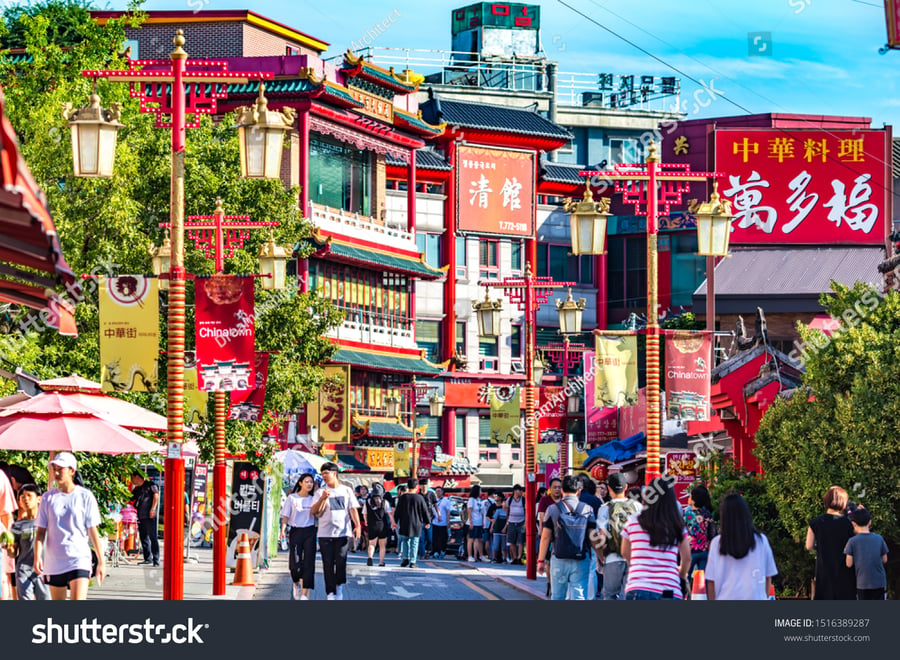
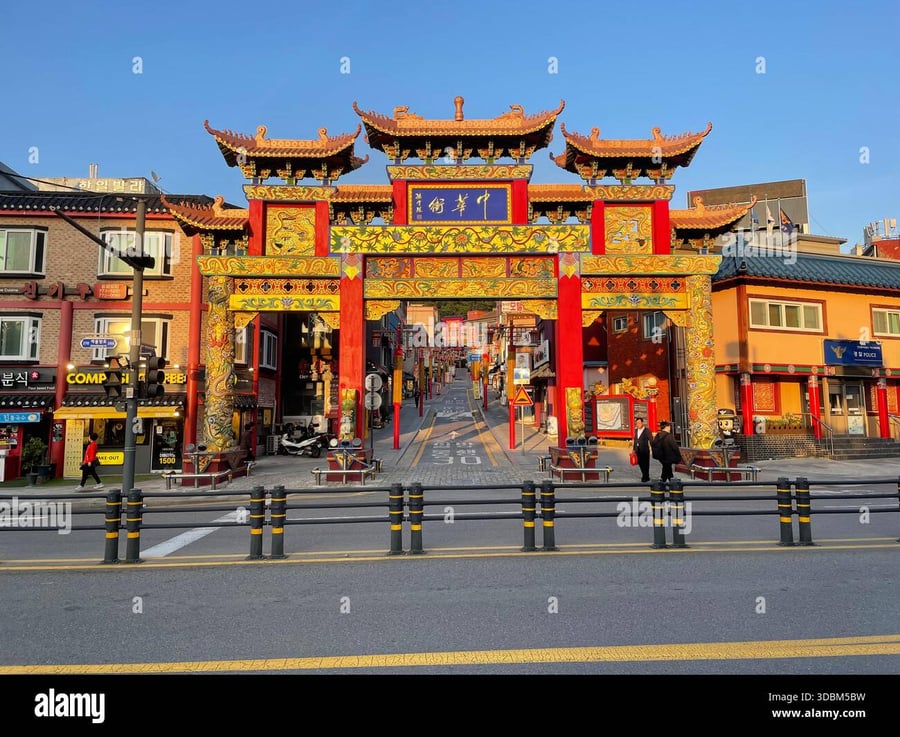
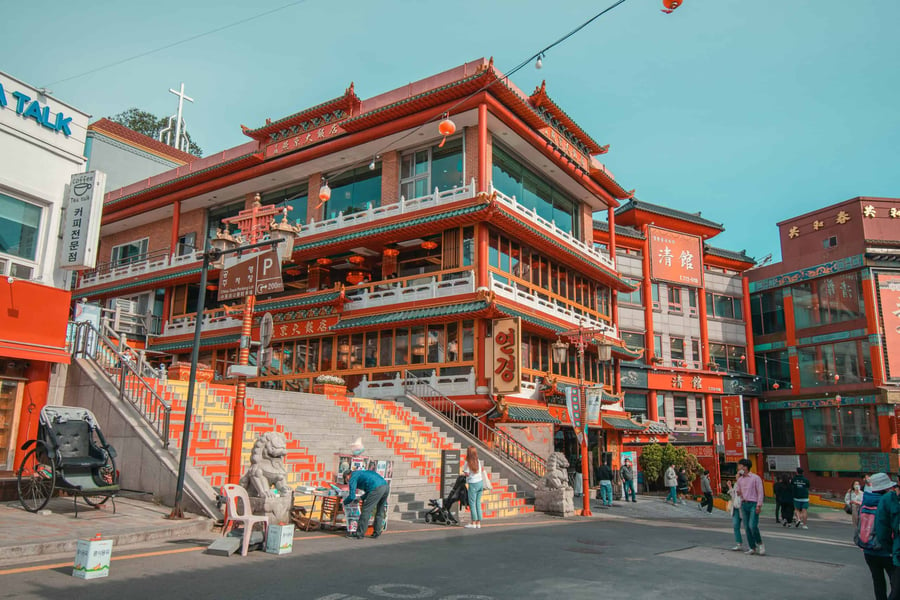
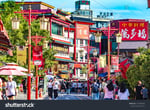
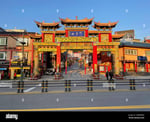
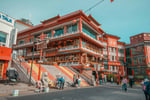
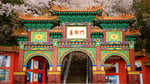
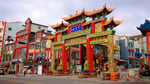
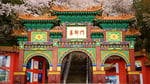
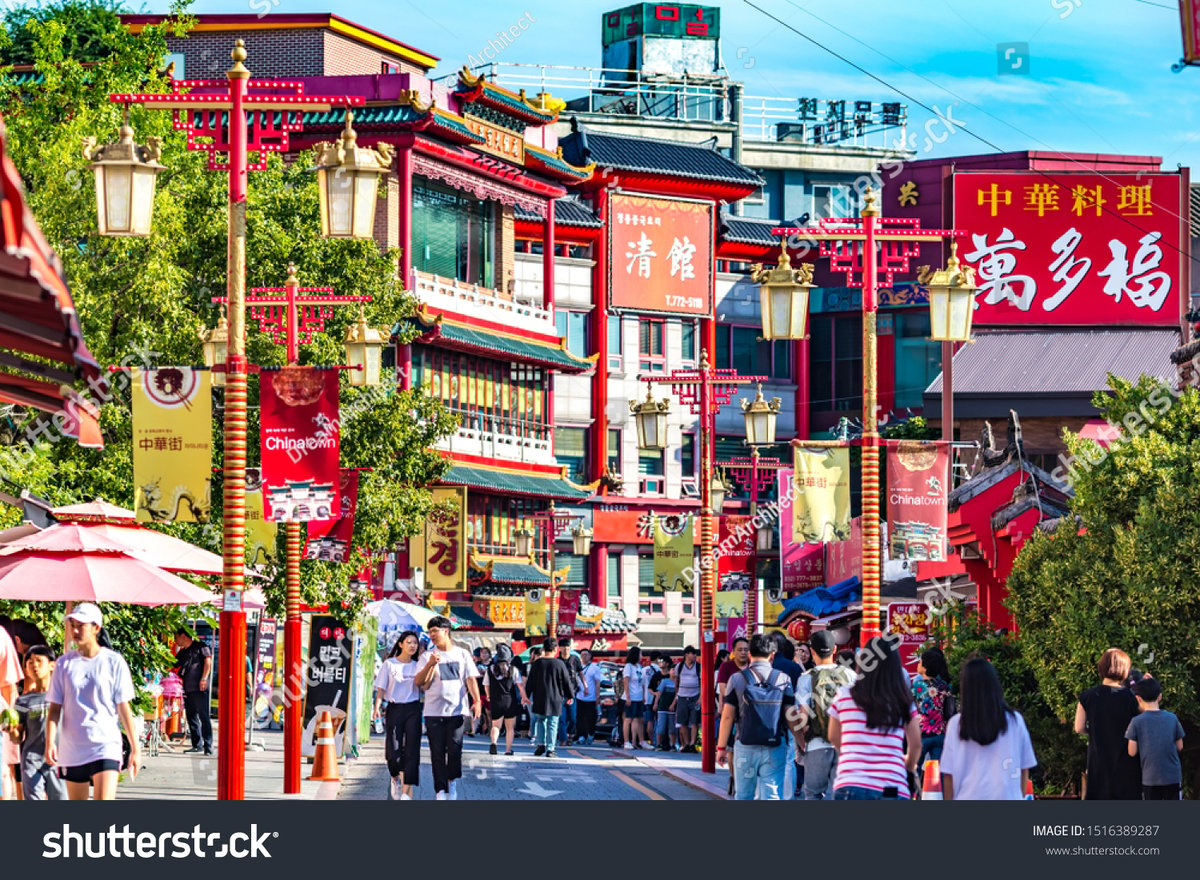
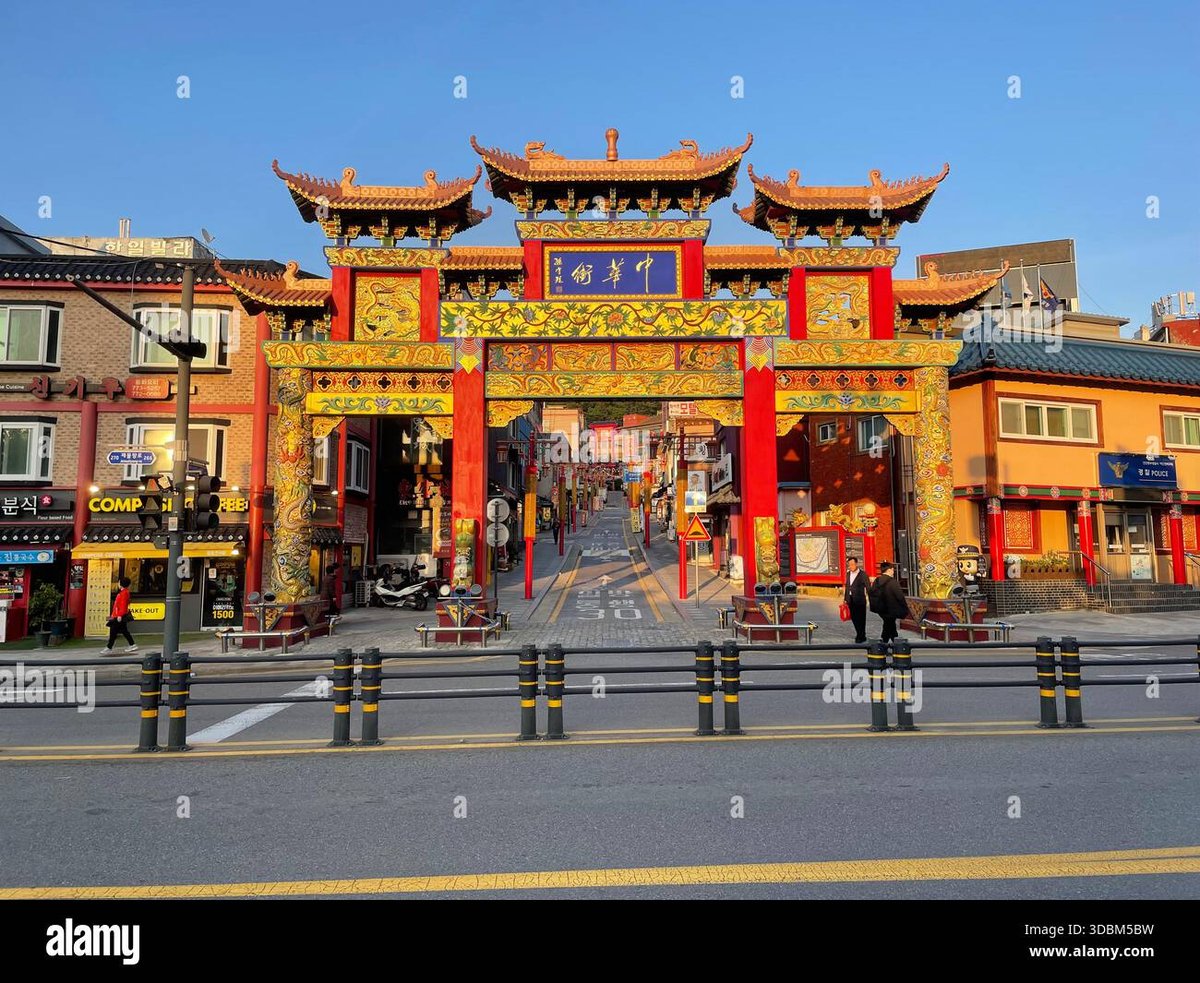
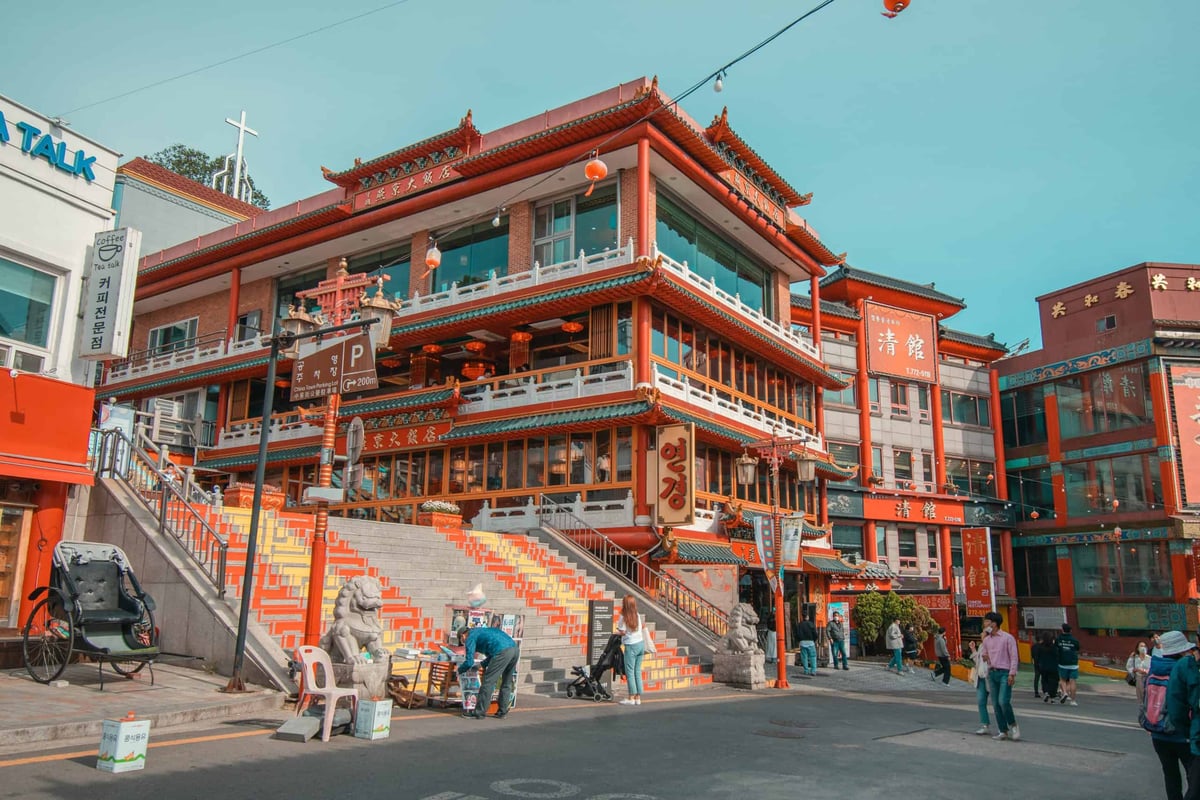
Incheon Chinatown Retail is a historic street retail district in Jung-gu, Incheon, South Korea, established in 1884 as the nations only official Chinatown.
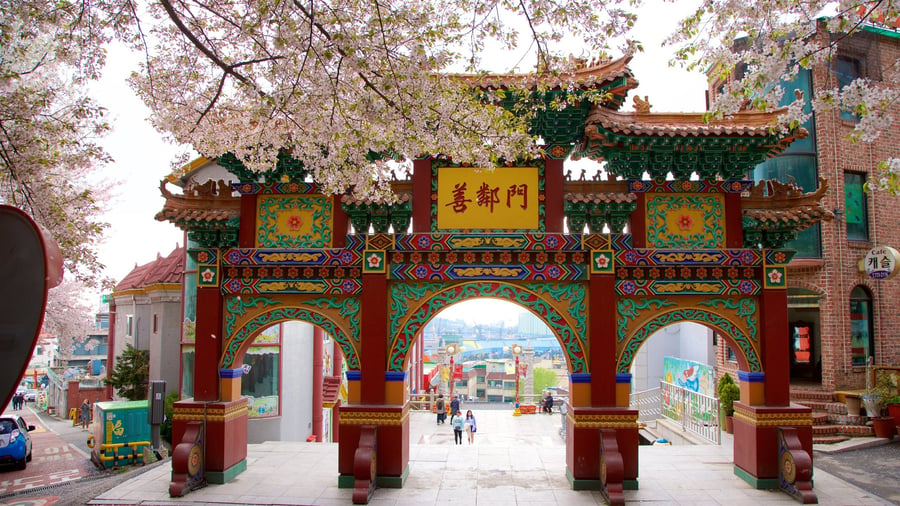
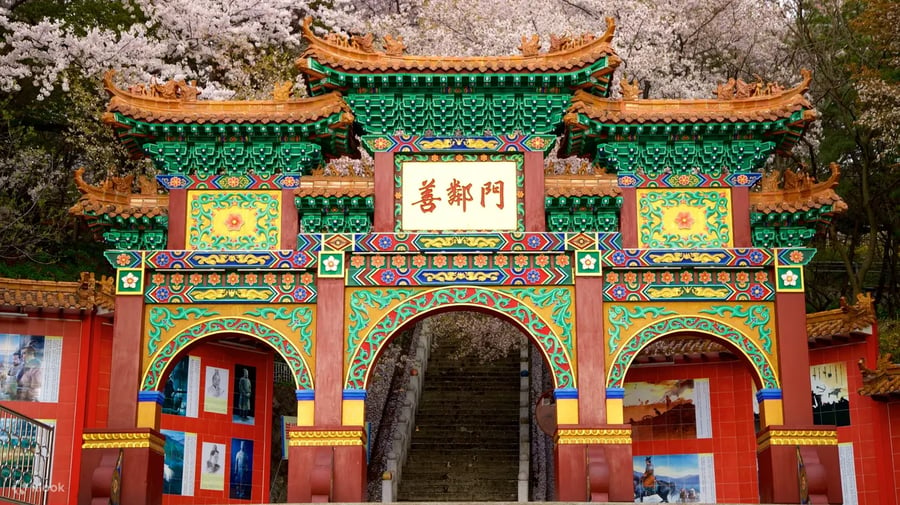
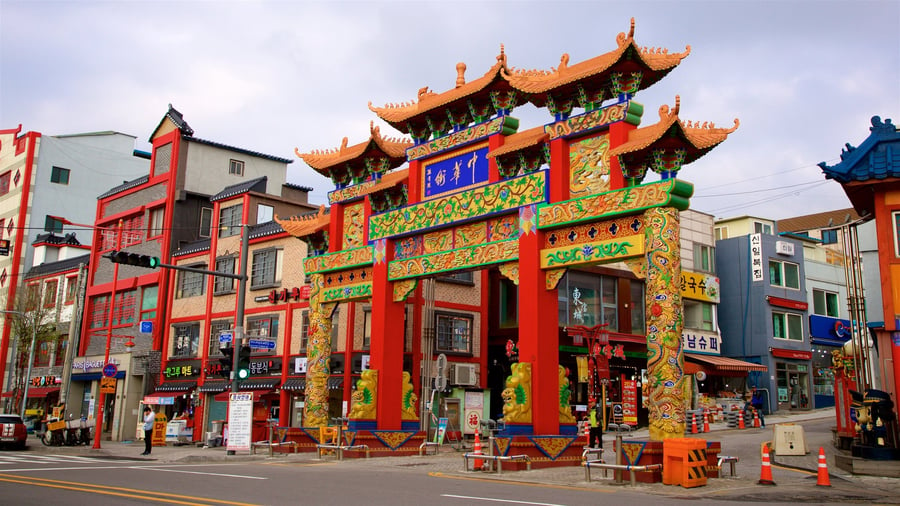
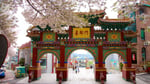
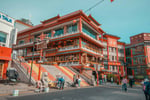
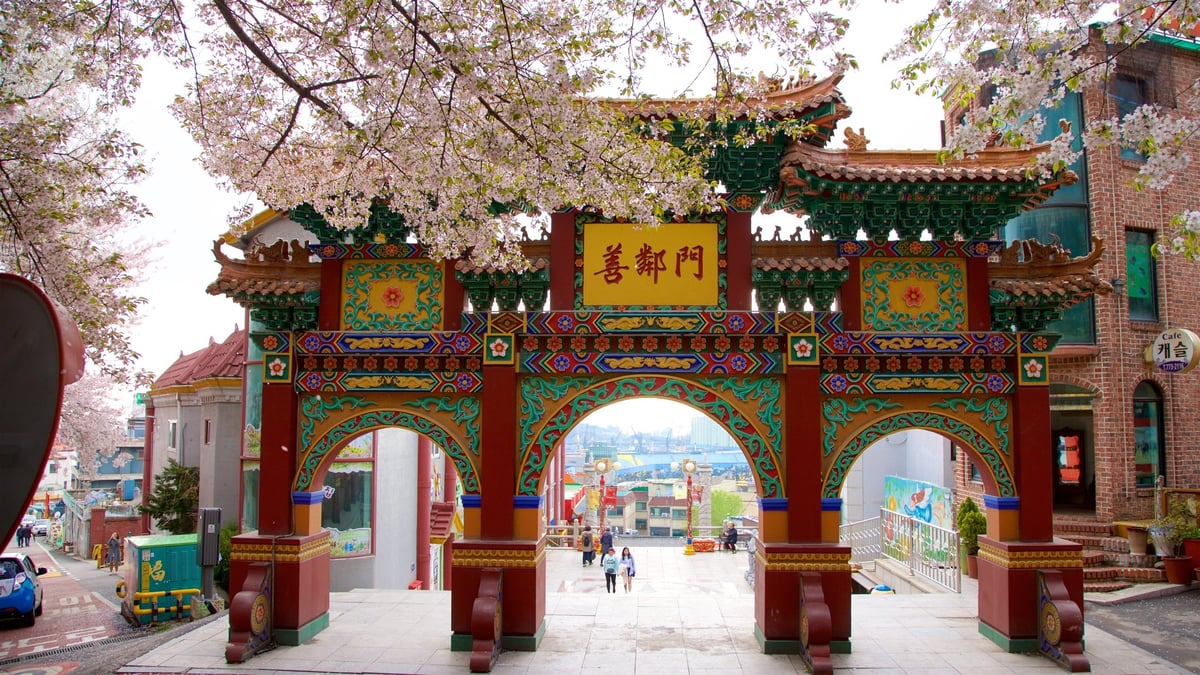
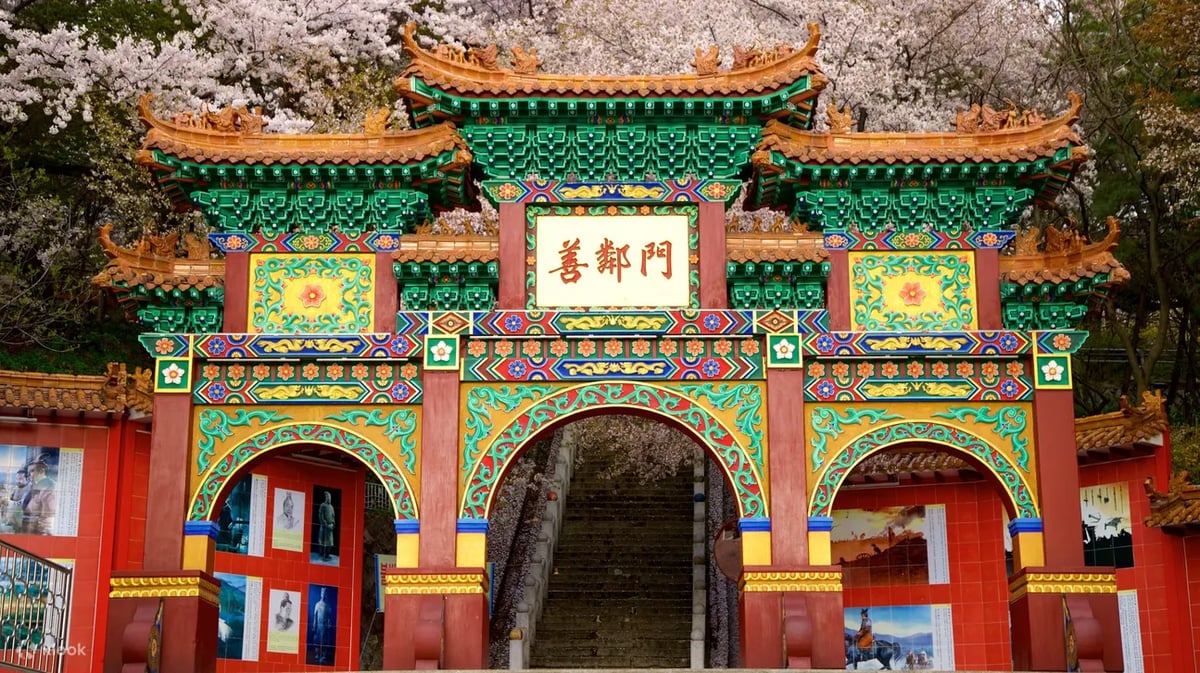
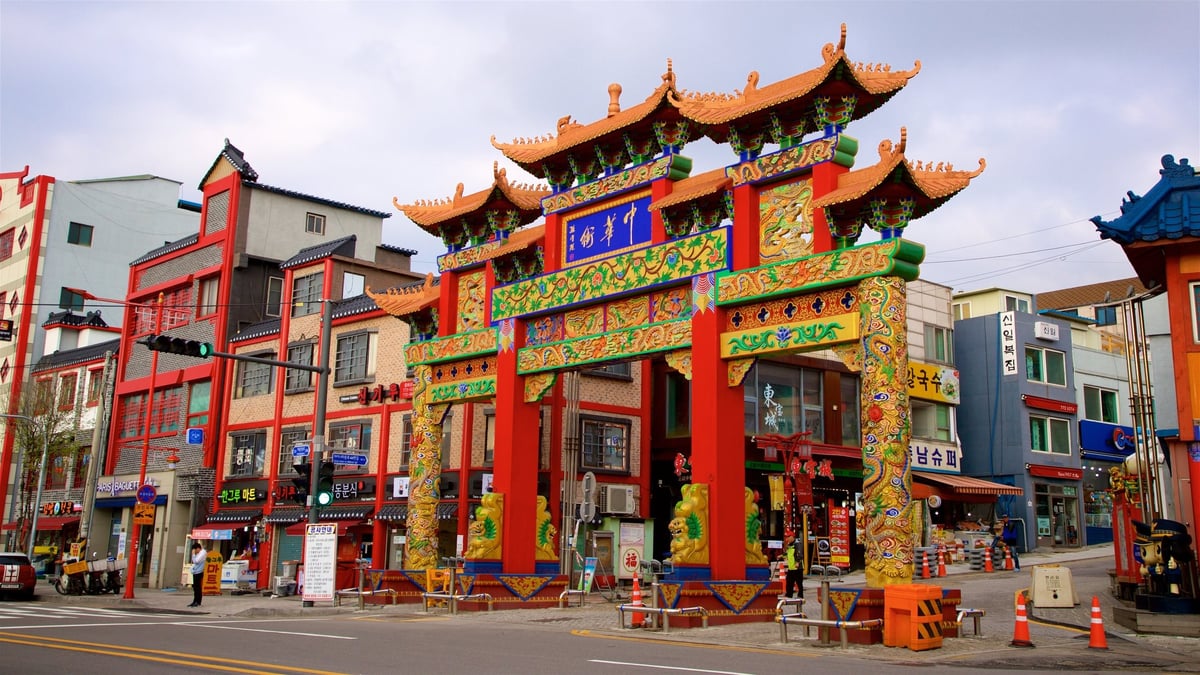
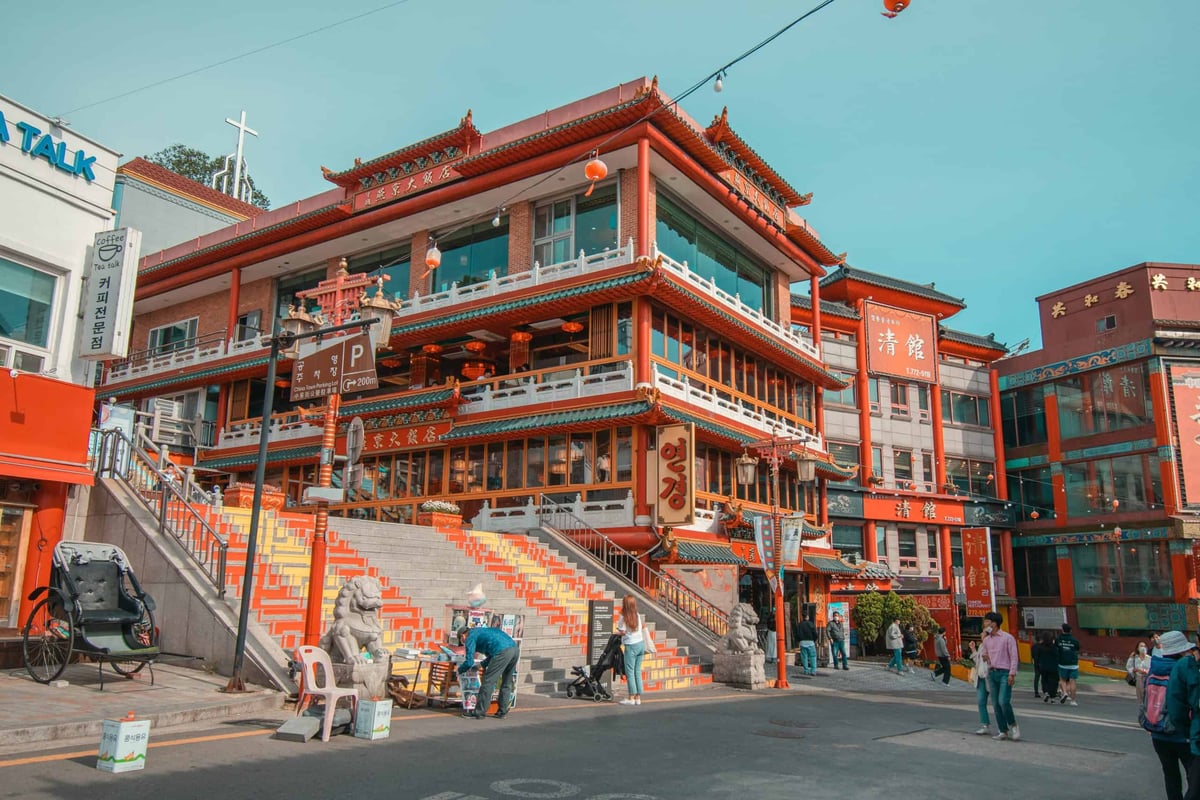
Spanning a compact area near Incheon Station, it features traditional Chinese architecture, including iconic gates like Paeru and Inhwamun, and cultural sites such as Uiseondang Temple and mural streets depicting historical themes. The districts market position centers on cultural tourism and ethnic cuisine, drawing from its origins as a trading hub post the 1882 China-Korea Treaty and opening of Incheon Port in 1883.
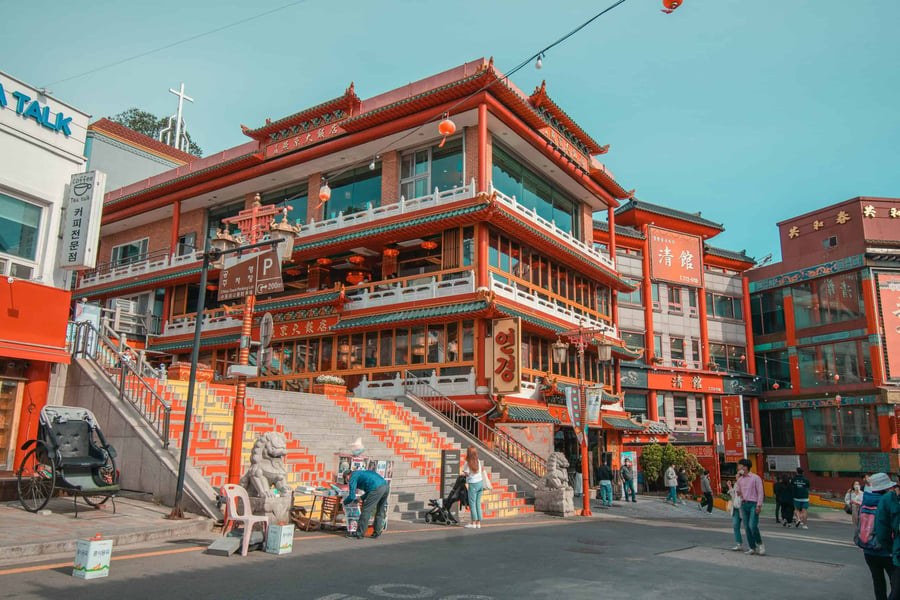
Tenant mix is dominated by over 50 Chinese restaurants, many specializing in jjajangmyeon, which originated here, alongside souvenir shops, tea houses, and small vendors selling imported Chinese goods like herbs, fabrics, and crafts. This food-heavy composition supports a vibrant atmosphere but limits diversity in retail categories.
Leasing advantages include high visibility from tourist footfall, with the area integrated into the Jemulpo Renaissance Project for urban renewal, and proximity to transportation hubs enhancing accessibility via subway and buses.
Occupancy rates remain stable at around 85-90% for ground-level spaces, driven by tourism recovery post-2020, though reliant on seasonal visitors.
Rent levels average 50,000-80,000 KRW per square meter annually for street-front units, lower than Seouls prime districts but competitive within Incheon due to cultural appeal.
Demographic profile includes local Korean residents, second- and third-generation Korean-Chinese (Hwagyo), and international tourists, particularly from China, with Incheons overall population exceeding 3 million and net inflow ranking first nationally in recent years.
Operational quality benefits from municipal support, including a special development zone extended to 2027 for regulatory relief, but faces challenges like aging infrastructure and market saturation in dining.
Overall, it offers balanced leasing for experiential retail but requires adaptation to tourism volatility and competition from modern malls like those in Songdo International Business District.
Interested in this property?
Choose how you'd like to proceed
Advertise at this property?
Reach high-intent shoppers across digital screens, atria, and experiential placements.
Hours of Operation
Hours
| Monday | 10:00 AM — 09:00 PM |
| Tuesday | 10:00 AM — 09:00 PM |
| Wednesday | 10:00 AM — 09:00 PM |
| Thursday | 10:00 AM — 09:00 PM |
| Friday | 10:00 AM — 09:00 PM |
| Saturday | 10:00 AM — 09:00 PM |
| Sunday | 10:00 AM — 09:00 PM |
Hours may vary on public holidays. Check with individual stores for specific holiday schedules.
Insights
Demographics and Footfall
The demographic profile of Incheon Chinatown Retail features a mix of local Korean residents from Jung-gu, Korean-Chinese descendants totaling about 50,000 overseas Chinese in Incheon as of recent estimates, and a significant tourist influx. Annual visitor numbers exceed 1 million, boosted by proximity to Incheon International Airport and integration into city tours, with footfall peaking during weekends and holidays. This supports steady retail traffic but highlights dependence on external visitors rather than a robust local shopping base, potentially exposing tenants to seasonal dips in consumer spending.
Tenant Mix and Competition
Tenant mix is heavily skewed toward food and beverage, with over 70% of spaces occupied by Chinese restaurants and eateries, complemented by 20% in cultural souvenirs and small goods shops, and minimal presence in fashion or electronics. Competition arises from nearby modern retail centers like Bupyeong Underground Shopping and emerging Songdo developments, which offer broader category diversity and higher-end options, leading to potential customer diversion for non-food retail. However, the unique ethnic theme provides a niche advantage for authentic experiences, though saturation in dining may pressure new entrants in similar categories.
Leasing Terms and Risks
Leasing terms typically involve 3-5 year agreements with base rents of 50,000-80,000 KRW per square meter, plus turnover-based percentages for tourist-oriented units, benefiting from the special development zones exemptions on zoning until 2027. Risks include infrastructure aging in this historic area, requiring potential tenant investments in upkeep, and vulnerability to tourism fluctuations from geopolitical tensions or economic slowdowns affecting Chinese visitors. Additionally, market saturation in weak categories like general merchandise and access issues during peak crowds could impact performance, advising diversified tenant strategies to mitigate over-reliance on dining.
Building Details
Detailed Market Analytics
City Snapshot
Incheon
Comprehensive market intelligence for retail expansion in this city

Other Retail Destinations in Incheon
Discover more shopping centers in Incheon.

Popular in South Korea
Top retail destinations across South Korea.
Interested in this property?
Choose how you'd like to proceed
Advertise at this property?
Reach high-intent shoppers across digital screens, atria, and experiential placements.
City Snapshot
Incheon
Comprehensive market intelligence for retail expansion in this city