

Brand Fit Snapshot
Best for:
Not ideal if:
Similar properties you might like:
Quick assessment - takes 30 seconds
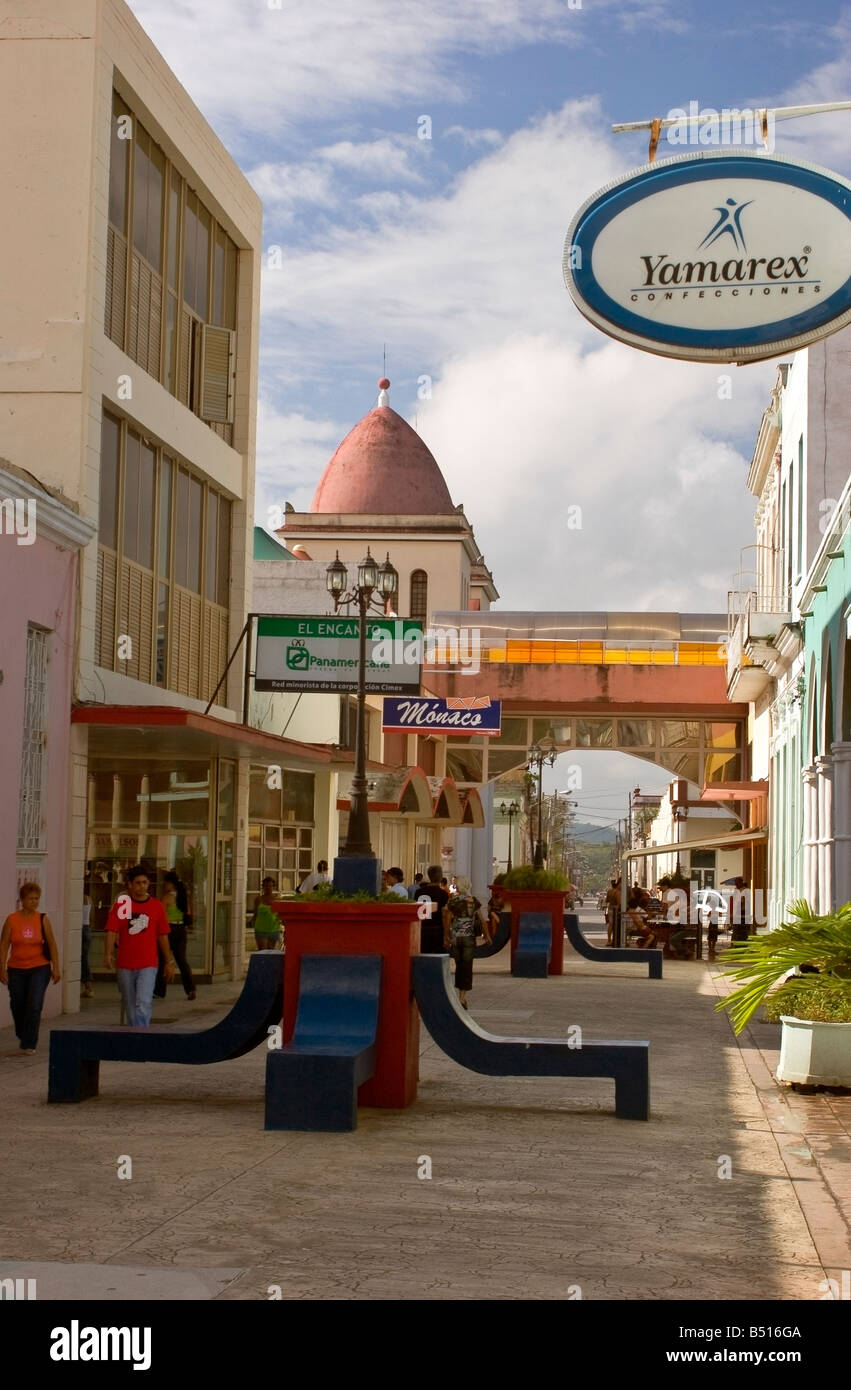
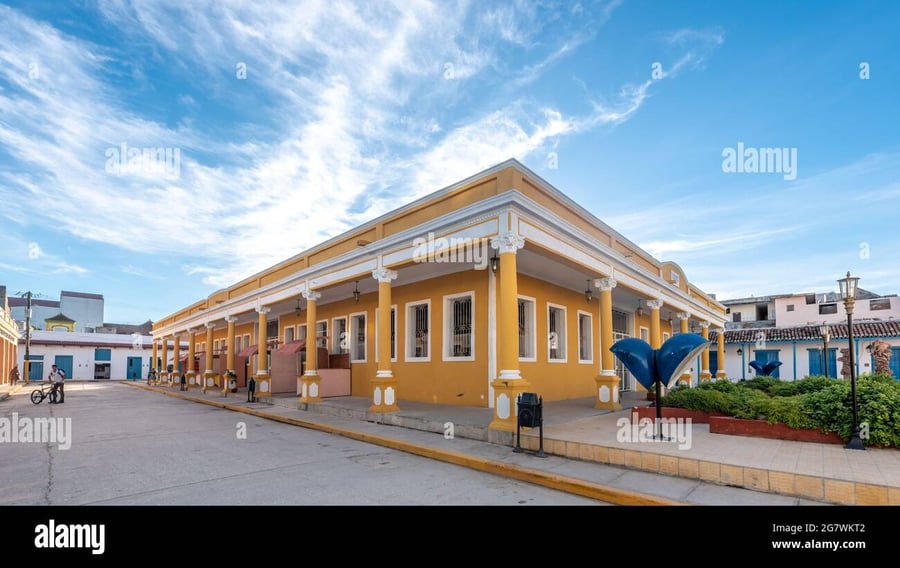
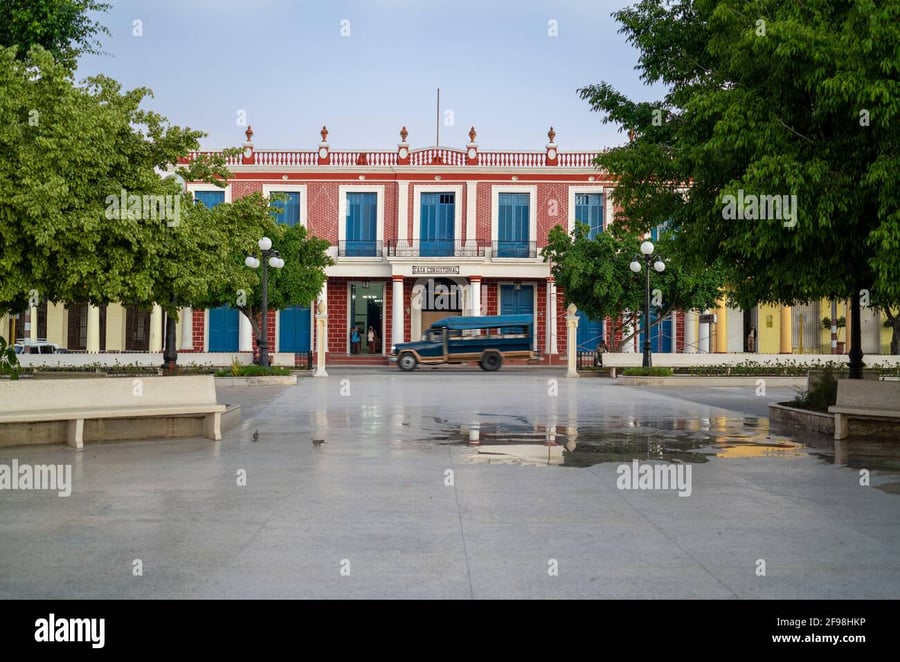
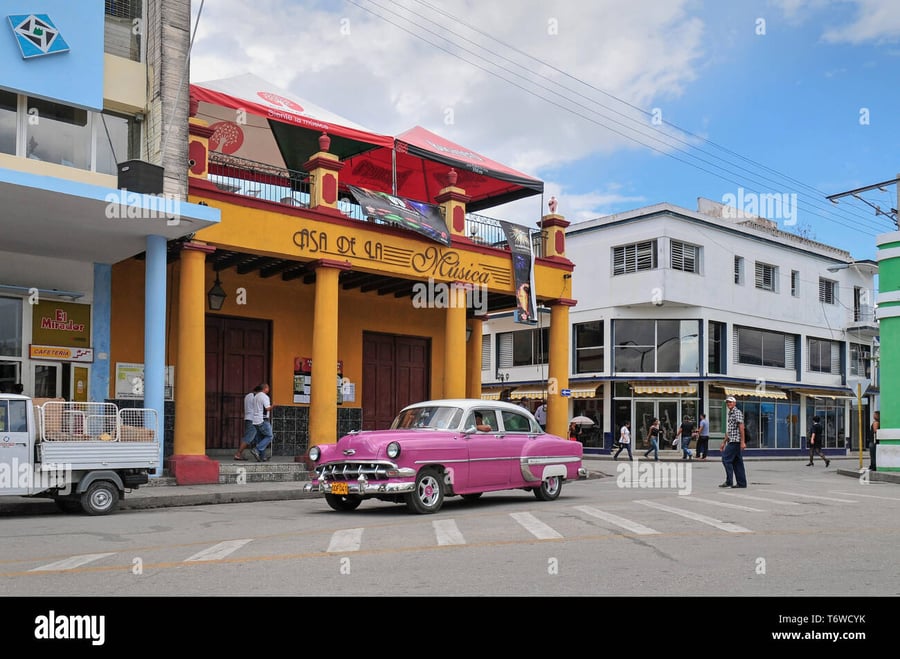
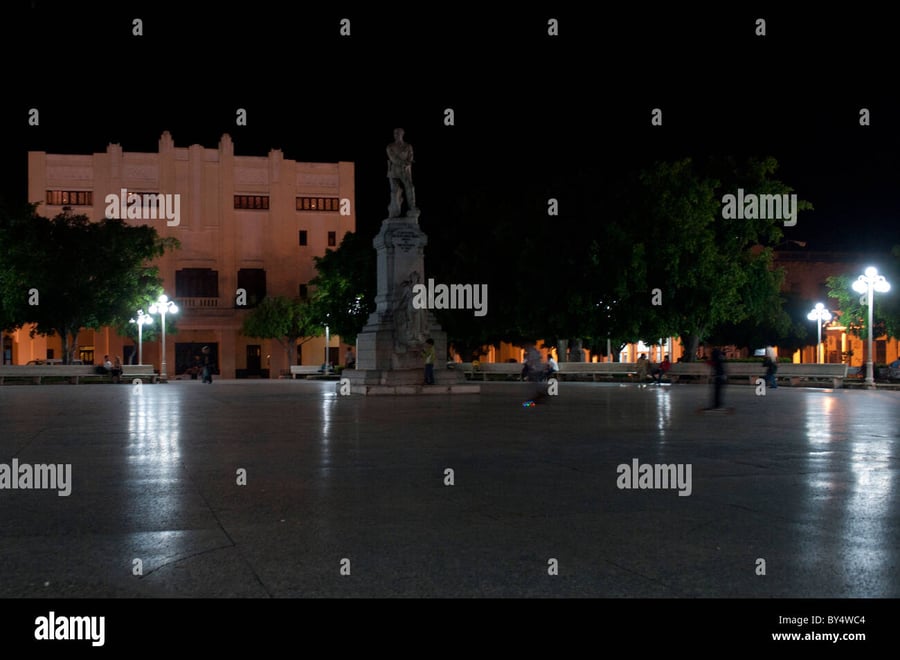
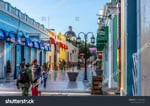
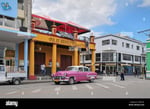
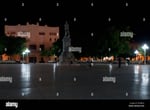
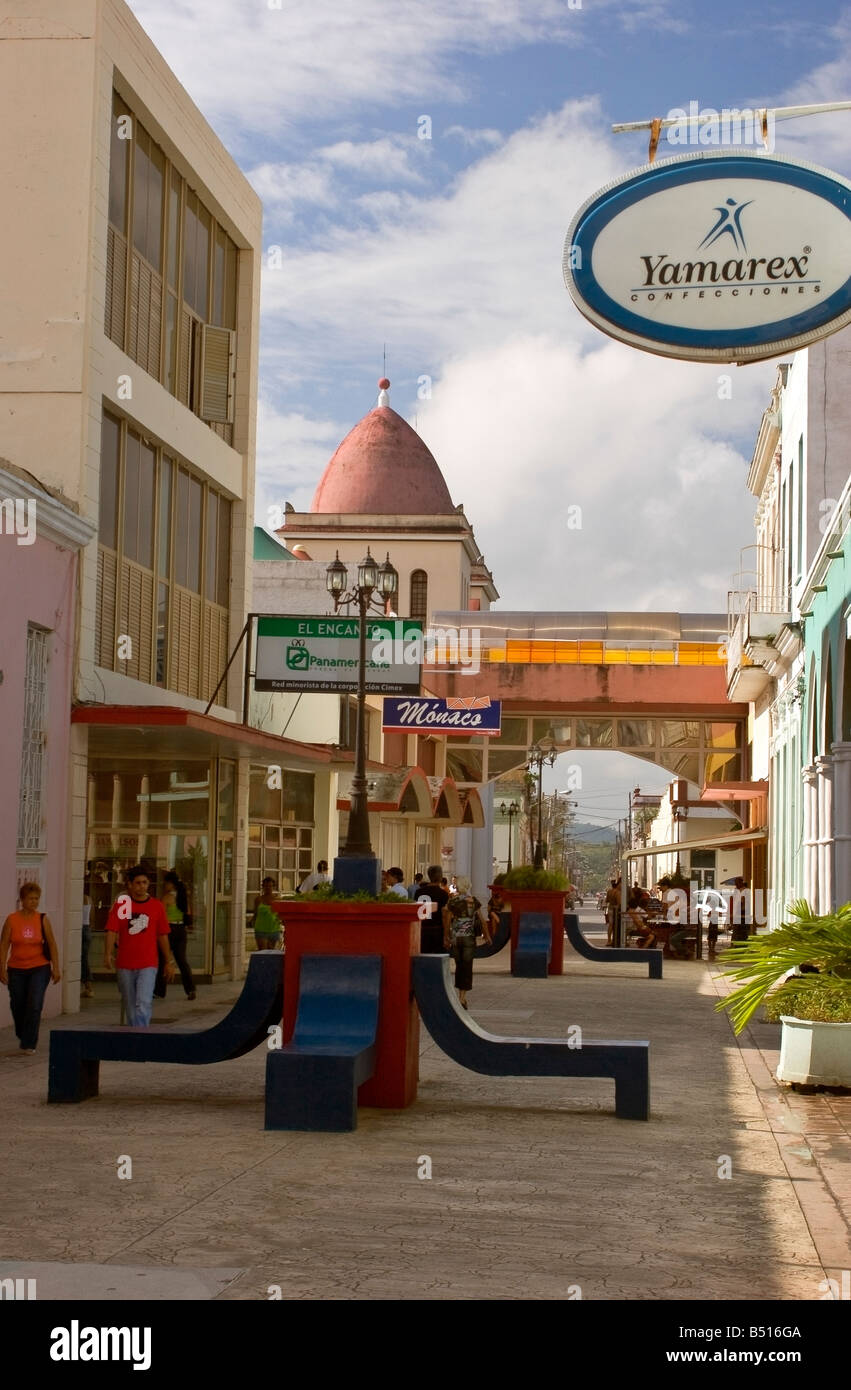
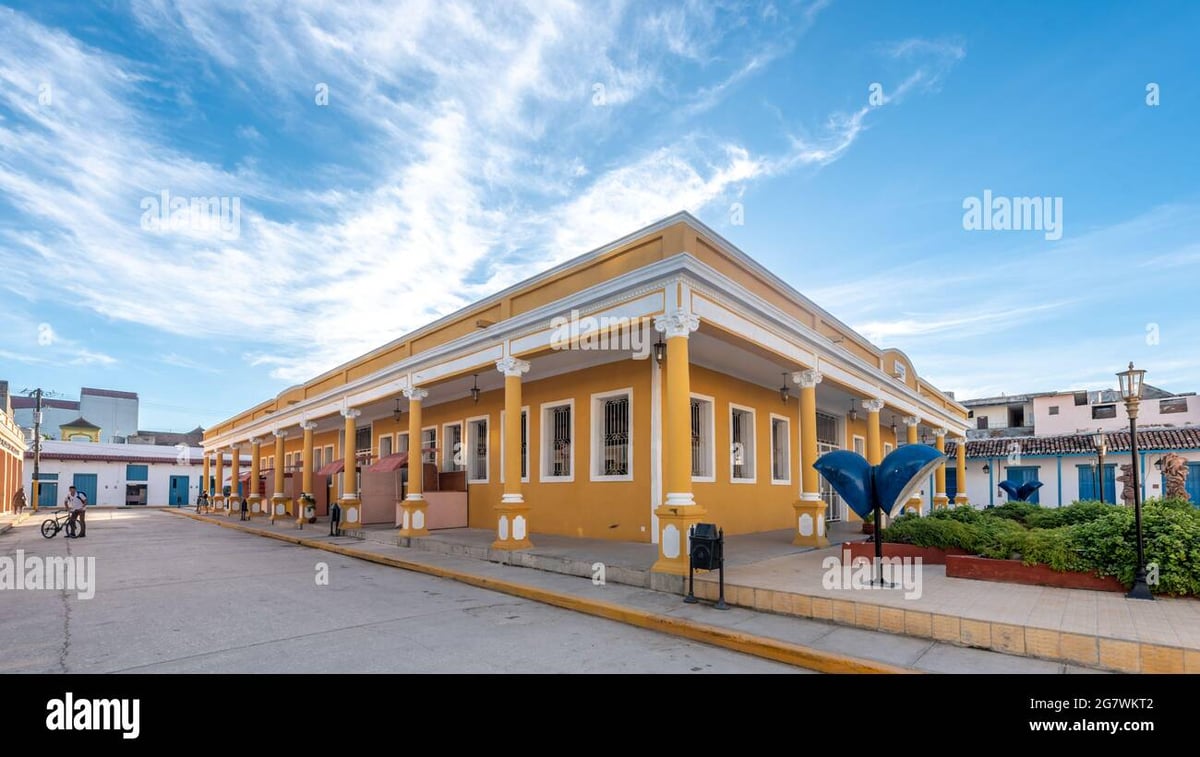
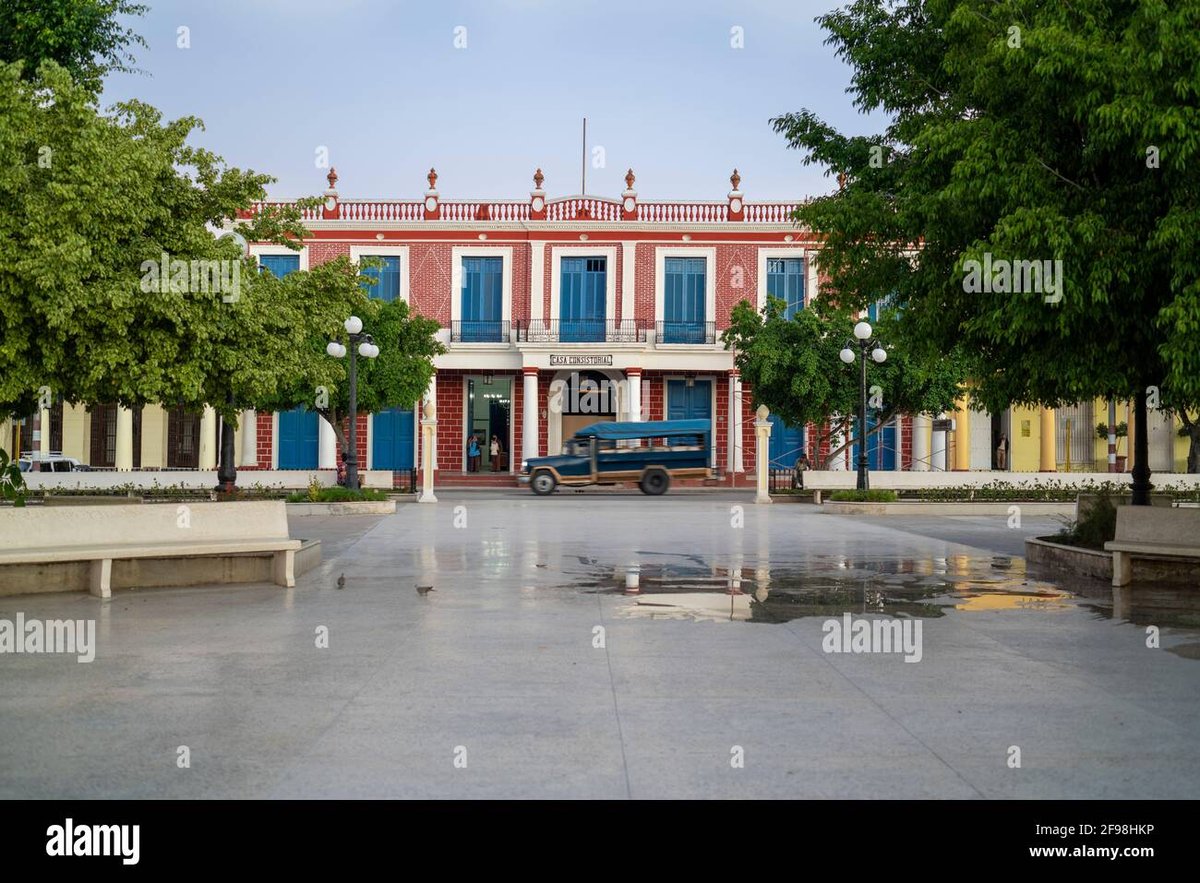
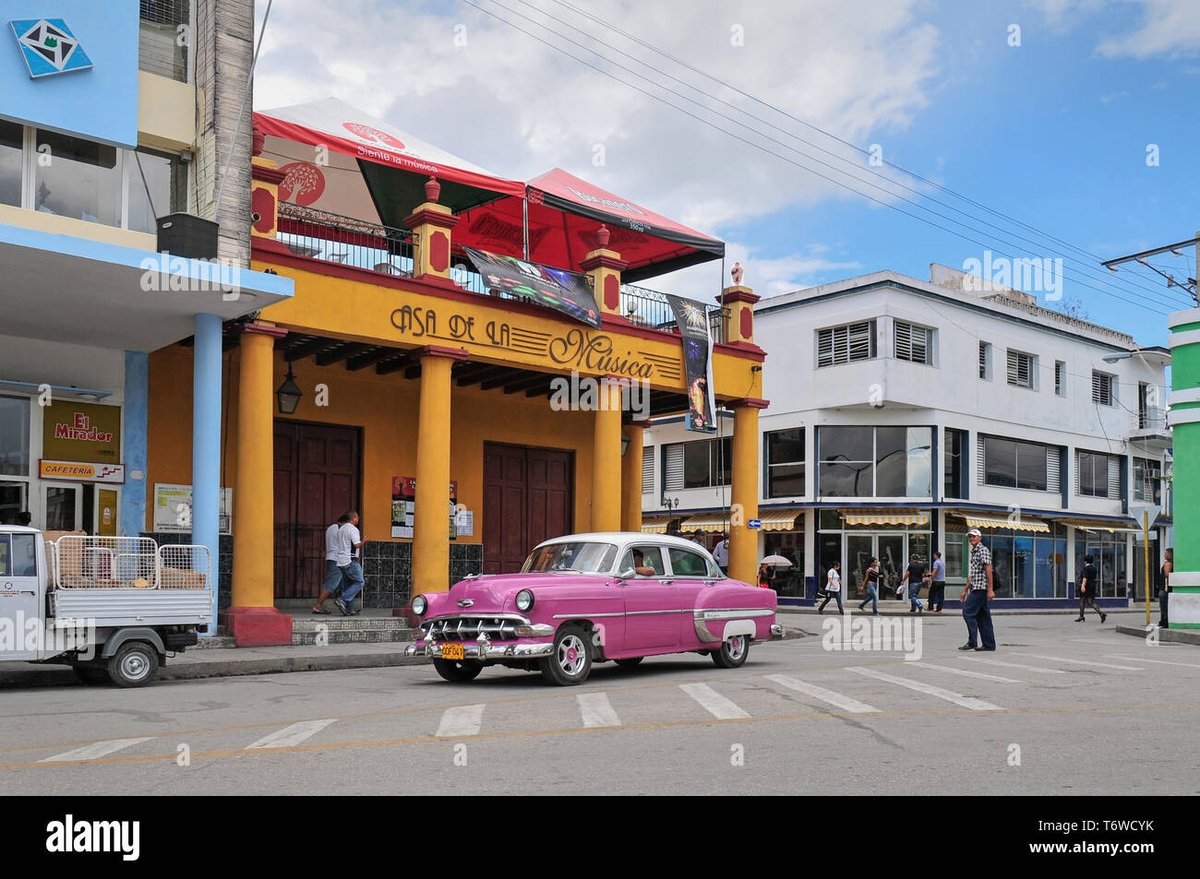
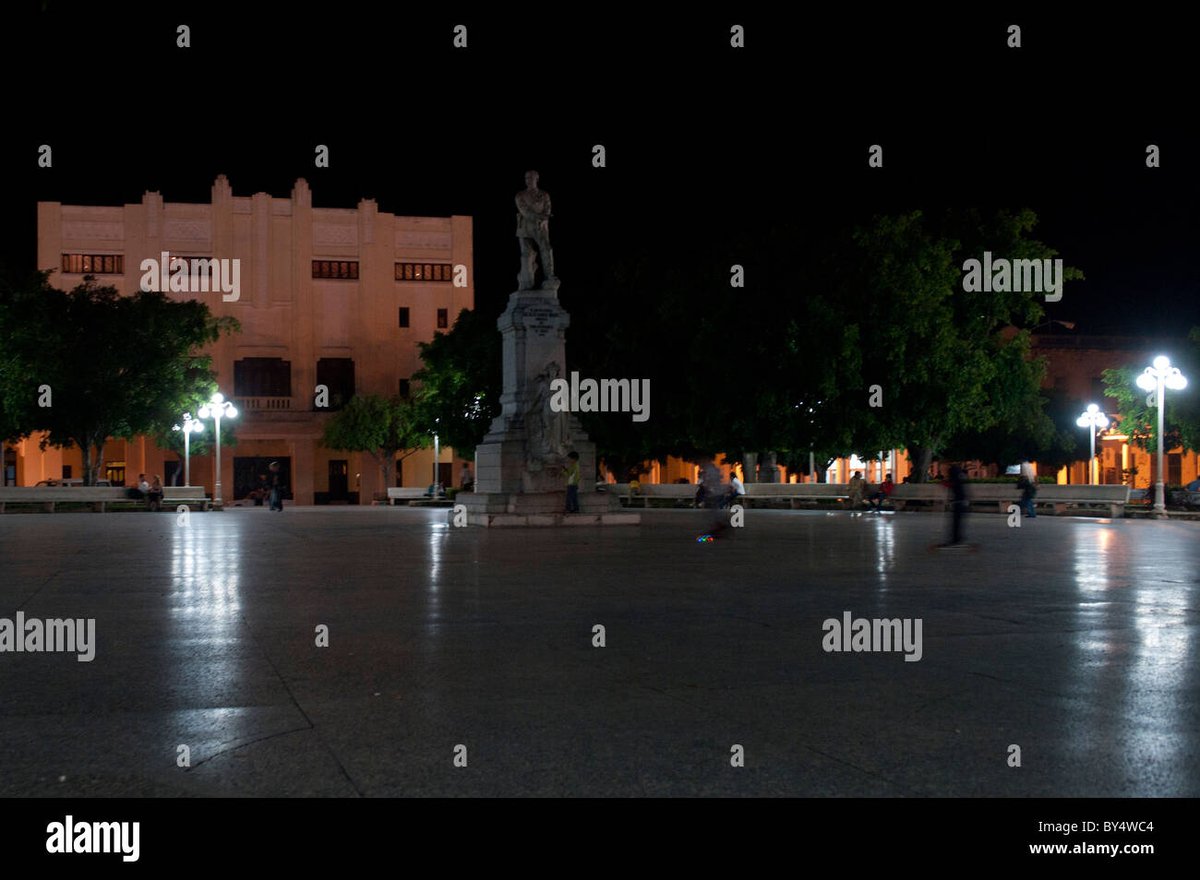
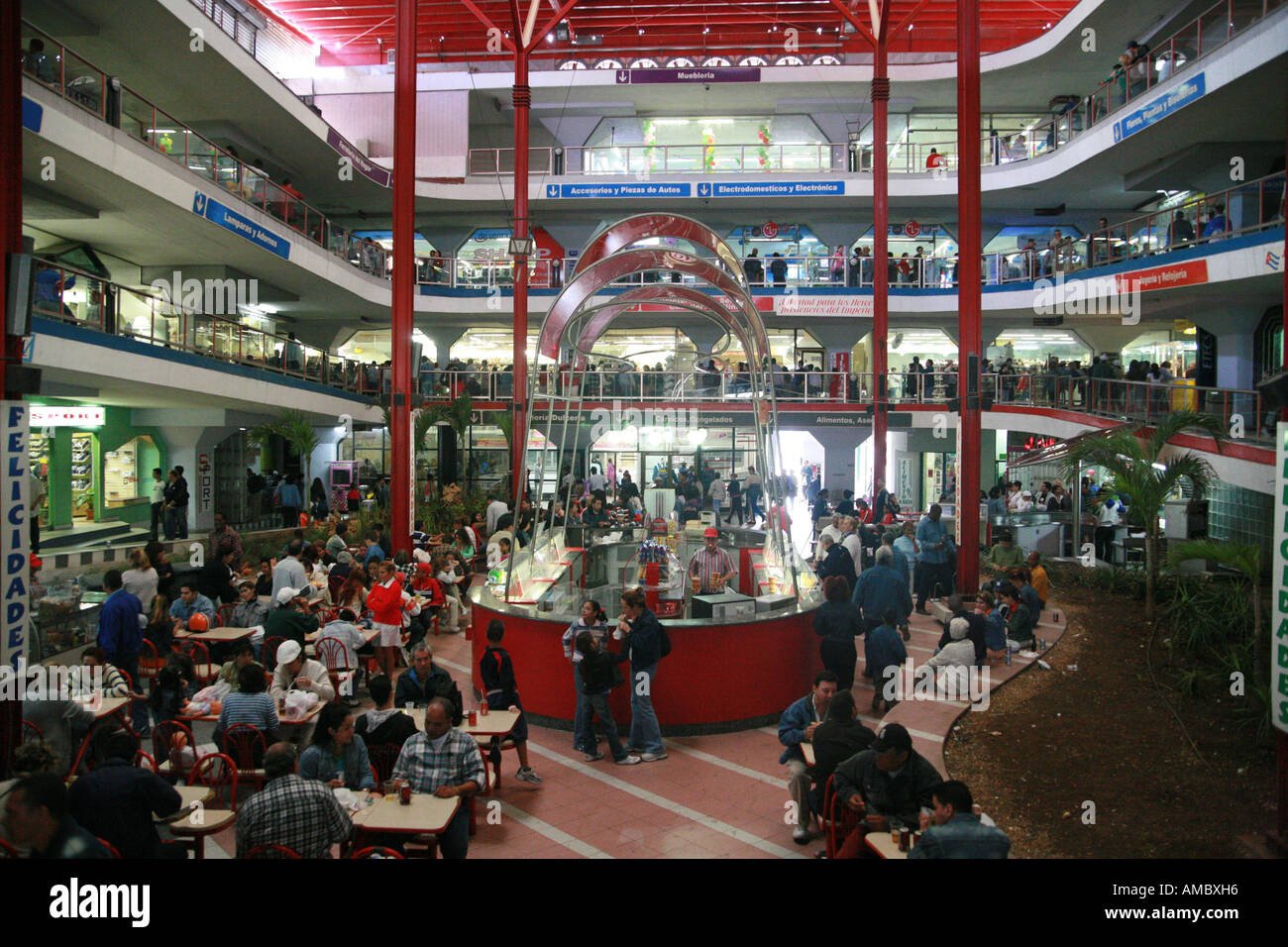
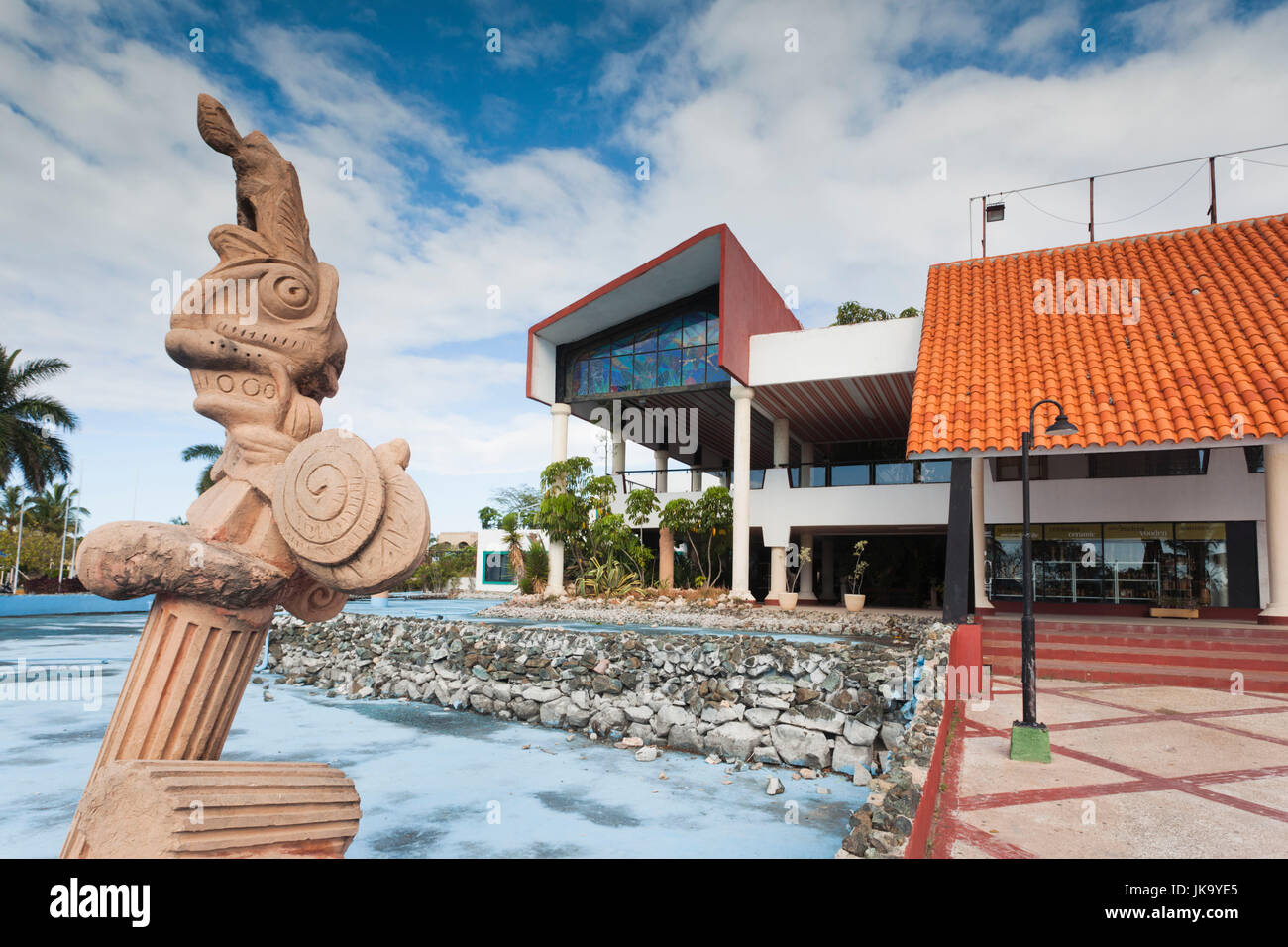
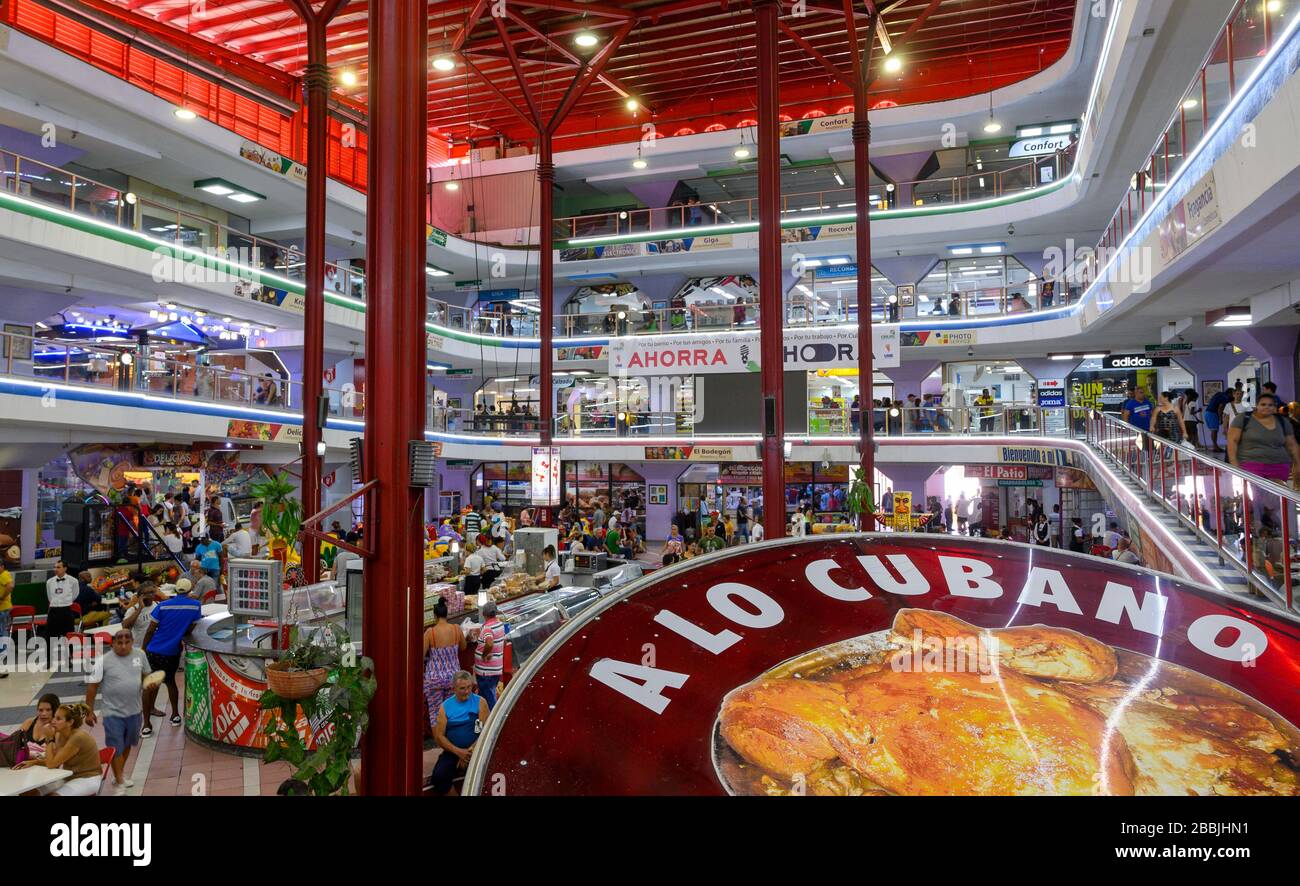
Holguín Commercial Plaza, also known as Plaza de la Marqueta, is a historic architectural complex in the central historic district of Holguín, Cuba, a city with approximately 350,000 residents serving as the provincial capital. Originally established in 1848 as a market square, it underwent reconstruction in 1918 and restoration between 2014 and 2017 with investments exceeding 5 million Cuban pesos, preserving its patrimonial value while adapting to modern uses.
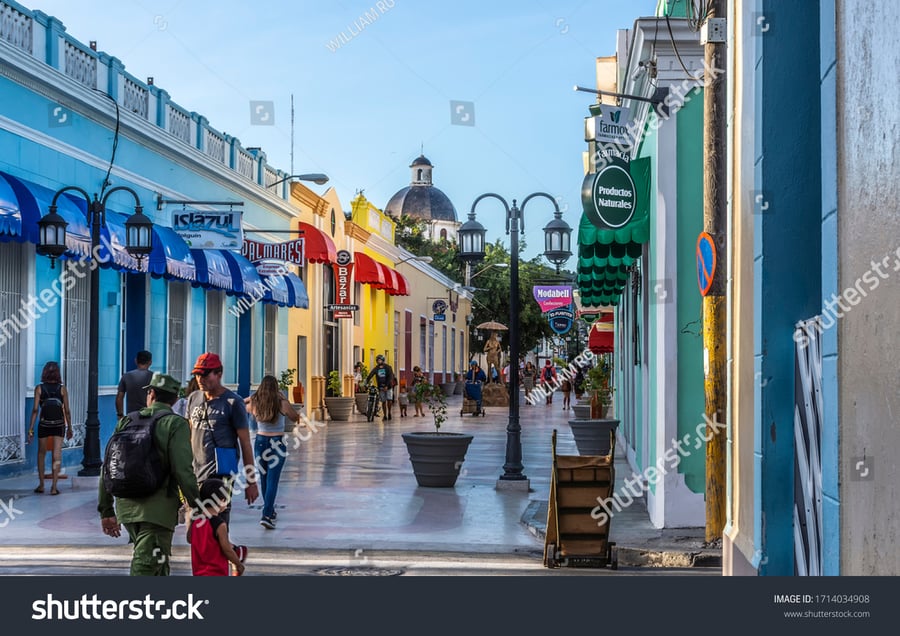
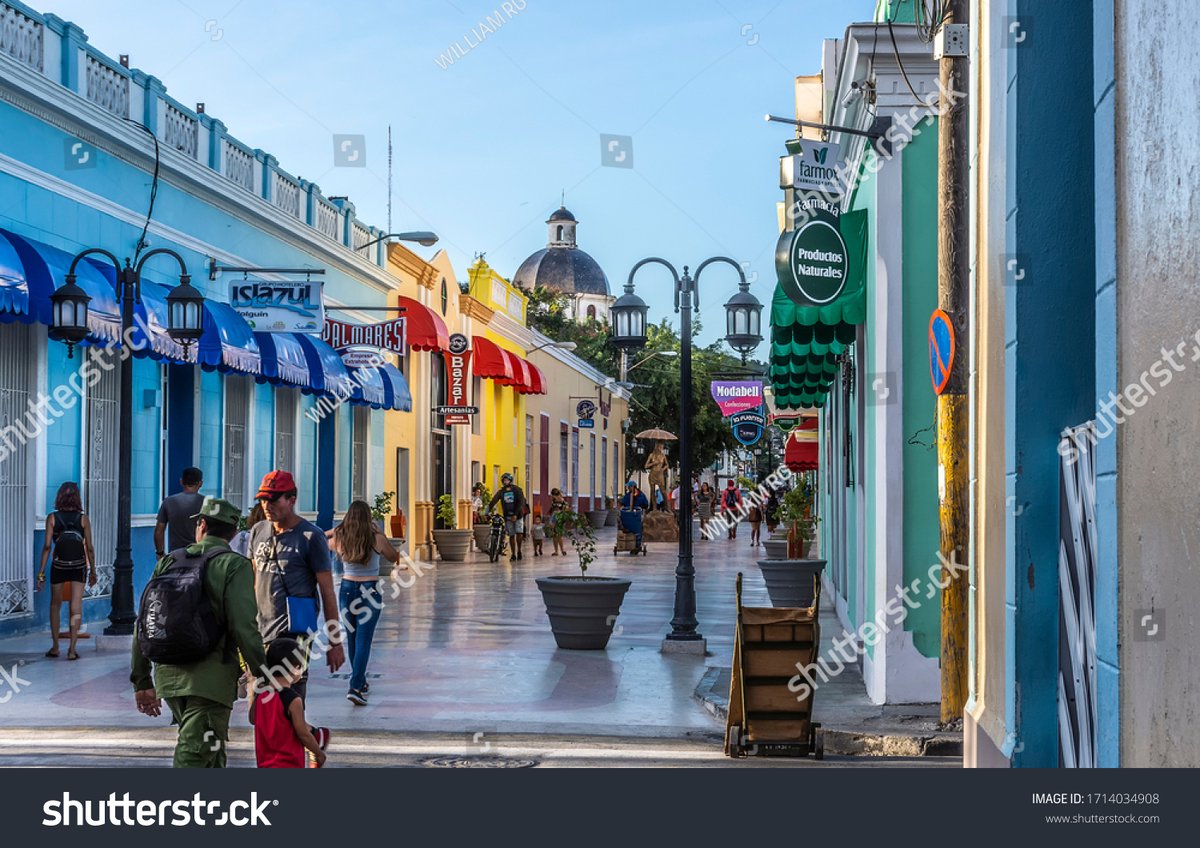
The property spans a central urban block with galleries, portals, and open spaces, functioning as a mixed-use cultural and commercial hub rather than a traditional enclosed mall.
Tenant mix includes over 30 stands operated by up to 70 private sector workers alongside state agencies such as Artex for arts and crafts, EGREM for music, Labiofam for pharmaceuticals, and tourism offices from the Ministry of Tourism. Offerings focus on handicrafts, local artisanal products, literature, souvenirs, coffee bars, and cultural exhibits, with limited international brands due to Cubas state-controlled economy.
Market position is strong as an emblematic local landmark in the City of Parks, drawing consistent pedestrian traffic from residents and visitors, particularly during annual events like the International Book Fair, Romerías de Mayo cultural festival, Ibero-American Handicrafts Fair, and National Young Theater Festival, which can boost footfall significantly.
Accessibility is excellent via pedestrian streets in the city center, near major parks and public transport routes, though vehicle access is restricted to promote walkability.
Operational quality is moderate, with restored infrastructure but occasional maintenance issues common in Cuban public spaces. Leasing opportunities for retailers are constrained by predominant state ownership, though post-2011 economic reforms permit private micro-enterprises in designated stands, offering advantages like low entry barriers and event-driven sales spikes. However, challenges include economic instability, supply shortages, and limited consumer spending power amid Cubas ongoing crisis, with average monthly incomes around 4,000-5,000 Cuban pesos.
Occupancy remains near full at 90-95% for stands, supported by cultural programming.
Rent levels are not market-based but fixed by state entities, typically 500-2,000 pesos monthly per stand, far below international norms.
Demographic profile targets local families, students from nearby universities, and domestic tourists, with spillover from nearby Guardalavaca beach resorts. Competition arises from informal street vendors and traditional stores like La Campana and El Encanto, plus emerging private shops in the boulevard area.
Overall, it suits niche retailers in crafts and tourism services seeking cultural integration over high-volume sales, but risks high vacancy if events decline or economic conditions worsen.
Interested in this property?
Choose how you'd like to proceed
Advertise at this property?
Reach high-intent shoppers across digital screens, atria, and experiential placements.
Hours of Operation
Hours
| Monday | 09:00 AM — 05:00 PM |
| Tuesday | 09:00 AM — 05:00 PM |
| Wednesday | 09:00 AM — 05:00 PM |
| Thursday | 09:00 AM — 05:00 PM |
| Friday | 09:00 AM — 05:00 PM |
| Saturday | 09:00 AM — 05:00 PM |
| Sunday | 09:00 AM — 12:00 PM |
Hours may vary on public holidays. Check with individual stores for specific holiday schedules.
Insights
Demographics and Footfall
Holguín Commercial Plaza serves a demographic primarily composed of local Holguín residents, including middle-income families, students from the University of Holguín, and elderly retirees, with a population density of about 2,500 per square kilometer in the central district. Supplementary visitors include domestic tourists from eastern Cuba and occasional international travelers en route to coastal resorts. Average age skews 25-55 years, with moderate purchasing power limited by national average wages of 4,260 Cuban pesos monthly as of 2023 data from Cubas National Statistics Office. Footfall estimates range from 1,000-2,000 daily pedestrians in routine operations, surging to 5,000-10,000 during peak events like Romerías de Mayo, based on local reports from Radio Angulo. This event-driven traffic supports seasonal retail performance but results in inconsistent daily volumes, influenced by public holidays and weather. Accessibility via central location enhances walk-in potential, though economic factors like fuel shortages reduce regional draw.
Tenant Mix and Competition
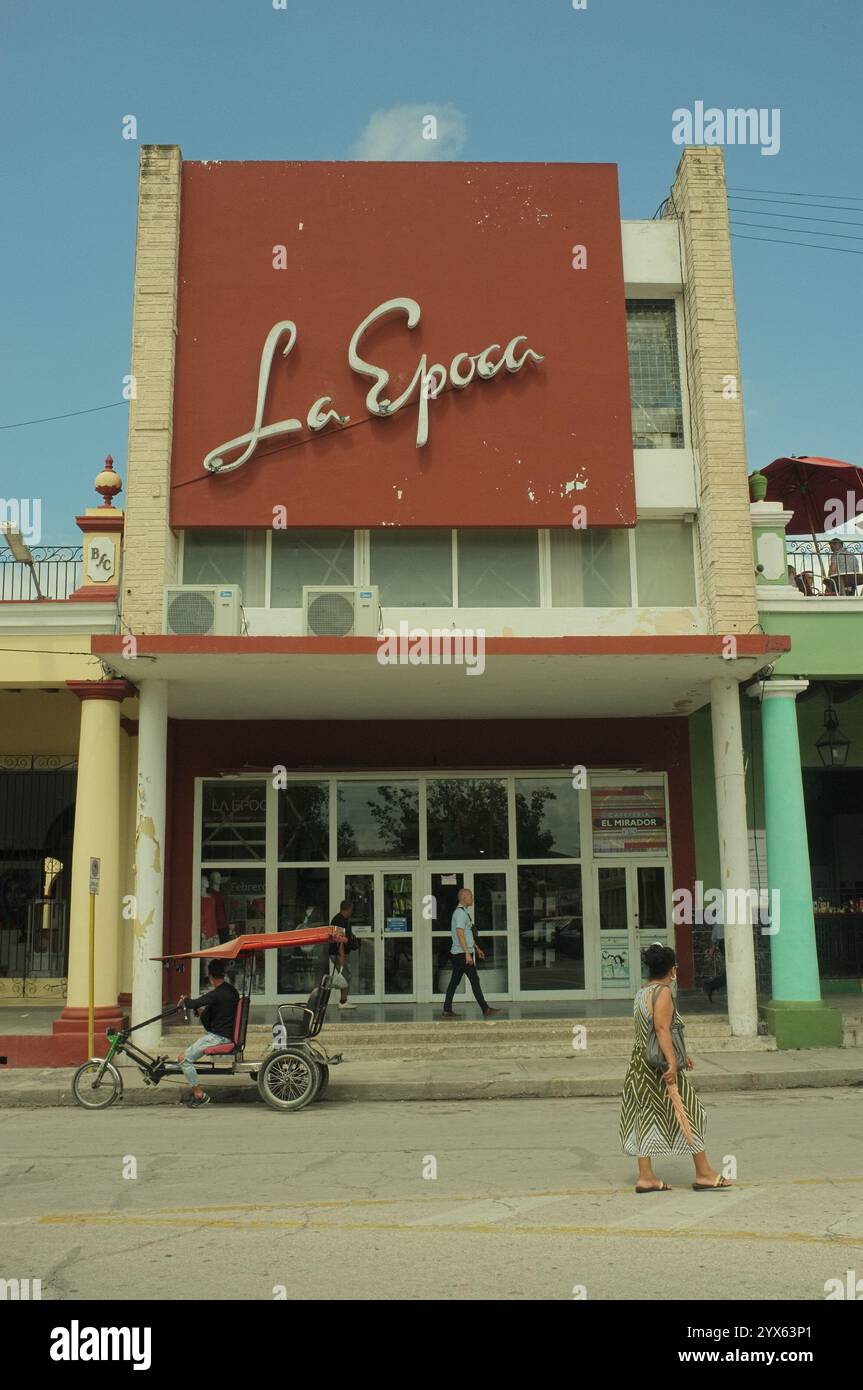
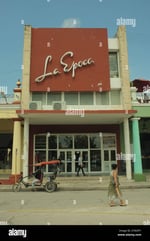
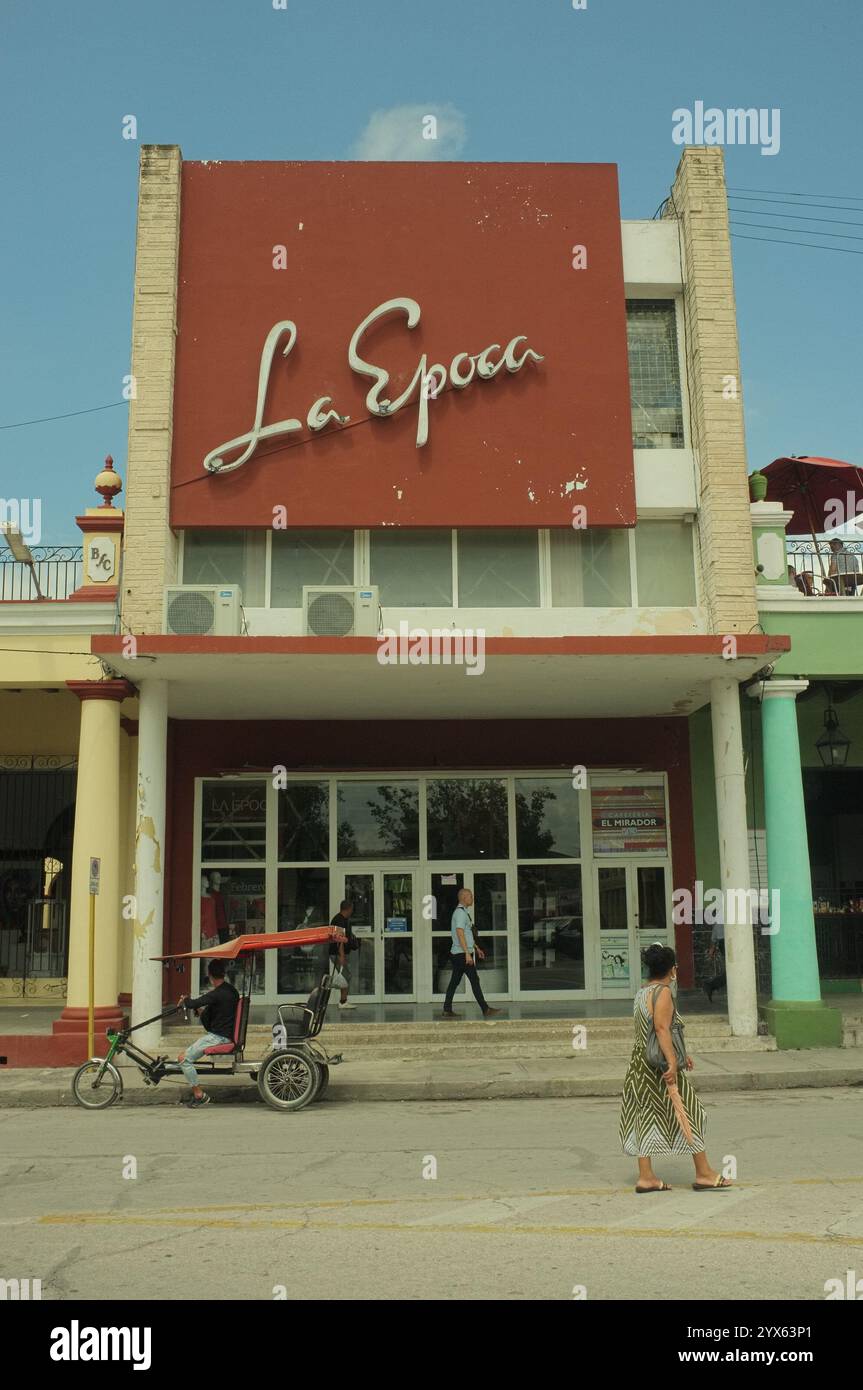
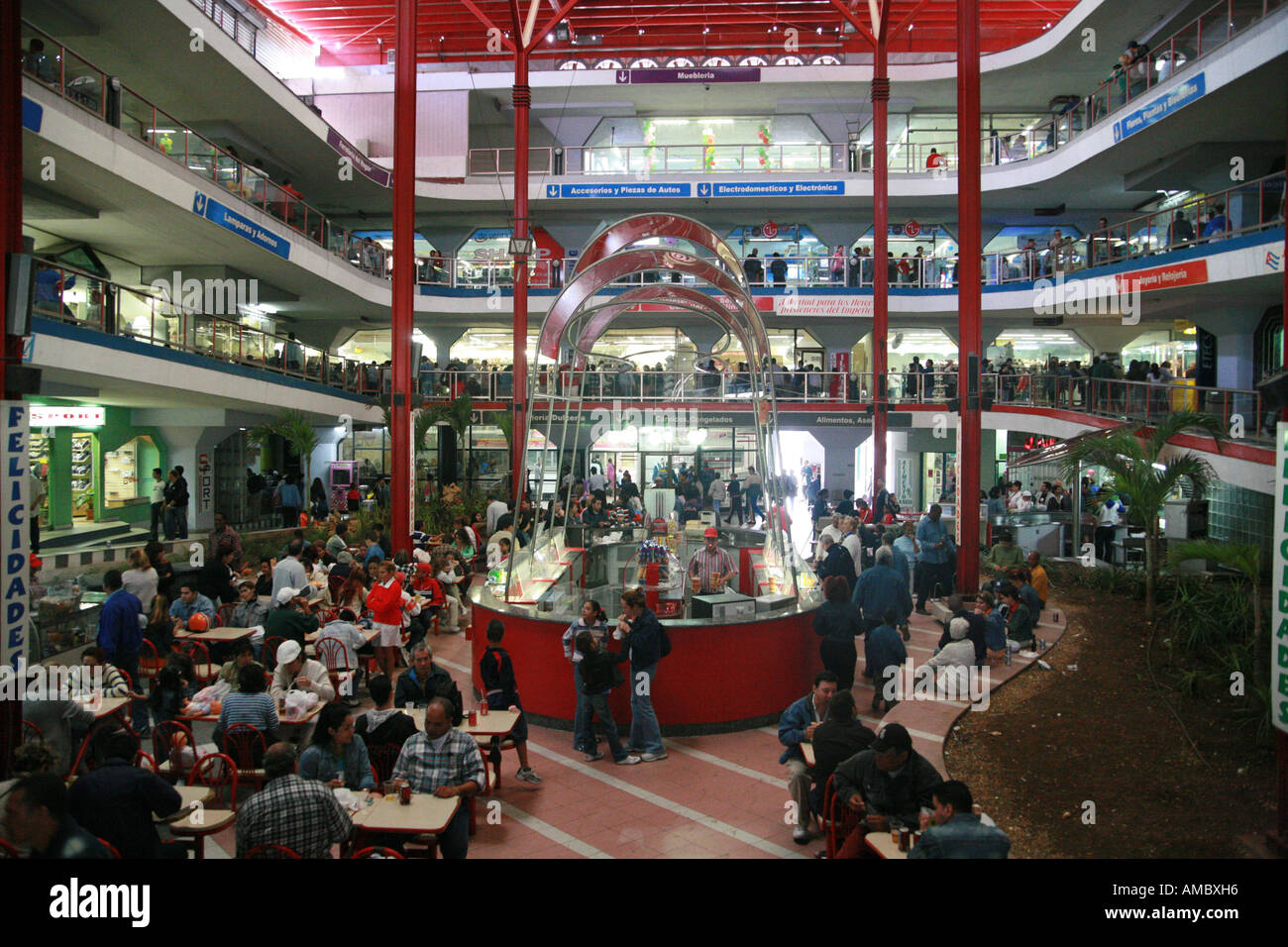
The tenant mix at Holguín Commercial Plaza emphasizes artisanal and cultural offerings, with 70% of spaces dedicated to private handicraft vendors selling wood carvings, ceramics, and textiles, complemented by 30% state-run outlets for music, books, and tourism services. No major anchor tenants like supermarkets or fashion chains exist due to economic constraints, differing from larger Cuban centers like Havana's Villa Blanca. Occupancy hovers at 90%, with quick turnover for underperforming stands. Competition includes nearby traditional emporiums such as La Época and informal markets along Maceo Boulevard, which offer similar low-cost goods but lack the plazas organized structure and event facilities. This positioning favors complementary leasing for unique local products, yet saturation in crafts category poses risks of cannibalization, especially with rising private cuentapropista businesses post-reforms. Operational synergies with cultural events provide differentiation, but weak categories like electronics remain underserved amid import restrictions.
Lease Terms and Risks
Leasing at Holguín Commercial Plaza operates under state-regulated terms, with private stands available via short-term contracts (6-24 months) through local cooperatives, at fixed rents of 500-2,000 Cuban pesos monthly, equivalent to about 20-80 USD at unofficial rates, per insights from Cuban commercial reports. Advantages include minimal upfront costs and flexibility for micro-retailers, with no percentage rents typical in Western markets. However, drawbacks encompass bureaucratic approval processes, potential for sudden policy shifts under Cubas centralized system, and exposure to macroeconomic risks like inflation (over 30% in 2023) and supply chain disruptions from U.S. embargo effects. Infrastructure aging, despite 2017 restorations, leads to occasional power outages affecting operations. Market saturation in tourism-adjacent retail heightens competition, while low footfall outside events (under 1,500 daily) amplifies revenue volatility. Retailers should assess alignment with local demand for essentials over luxuries, noting operational quality impacted by national resource shortages.
Building Details
Detailed Market Analytics
City Snapshot
Holguín
Comprehensive market intelligence for retail expansion in this city

Popular in Cuba
Top retail destinations across Cuba.
Interested in this property?
Choose how you'd like to proceed
Advertise at this property?
Reach high-intent shoppers across digital screens, atria, and experiential placements.
City Snapshot
Holguín
Comprehensive market intelligence for retail expansion in this city