




Brand Fit Snapshot
Best for:
Not ideal if:
Similar properties you might like:
Quick assessment - takes 30 seconds
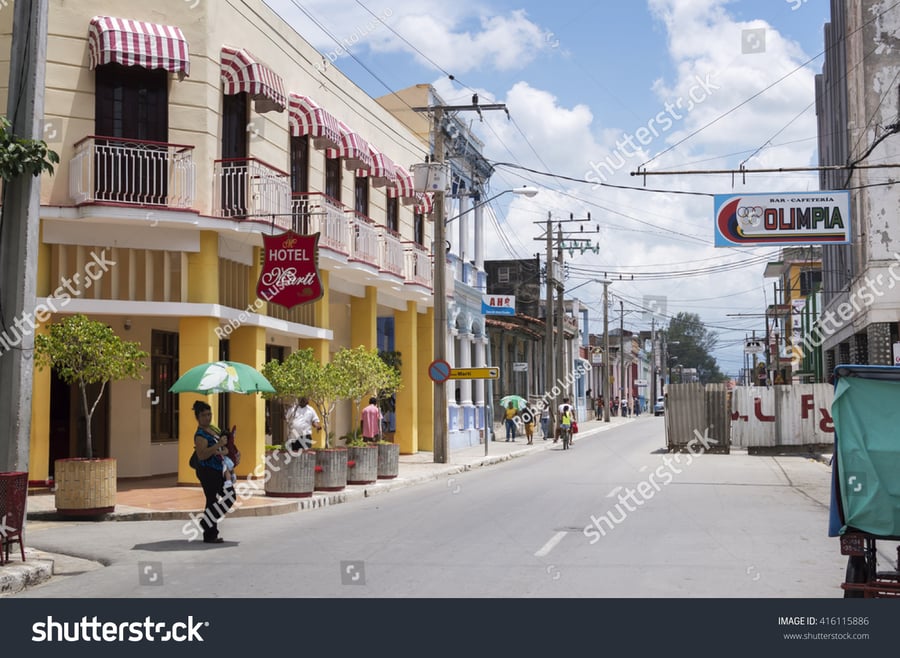
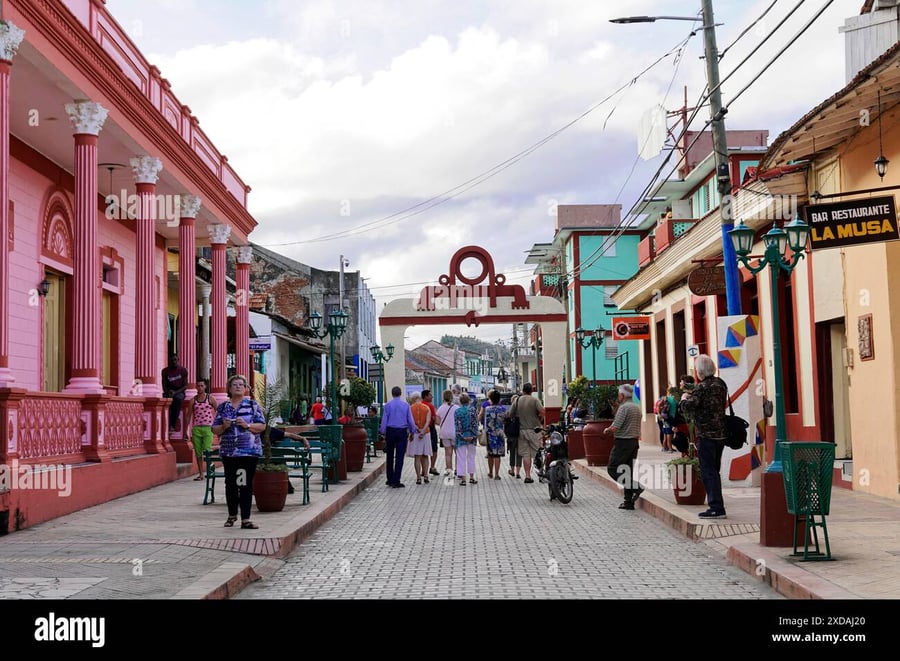
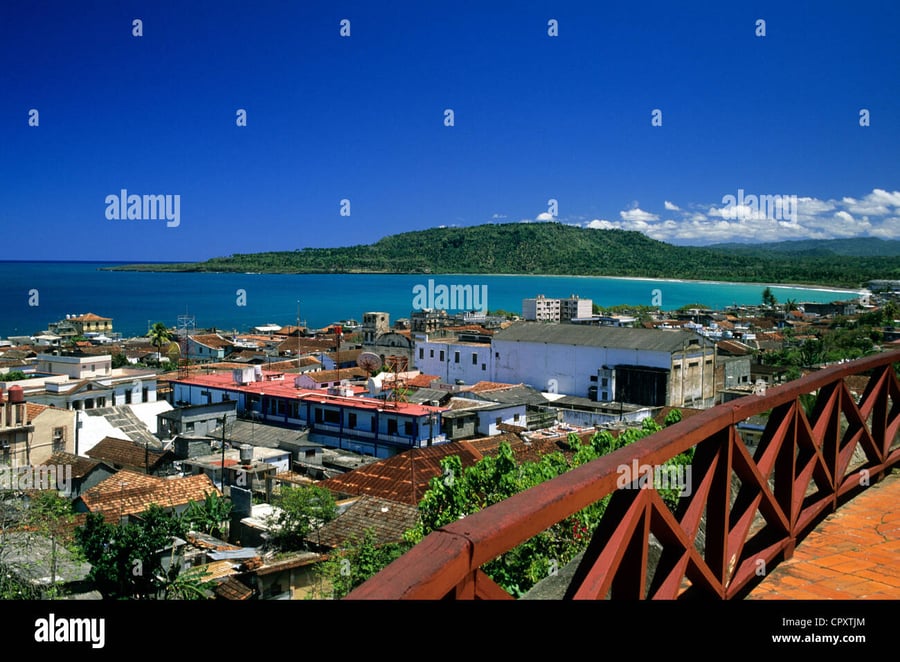
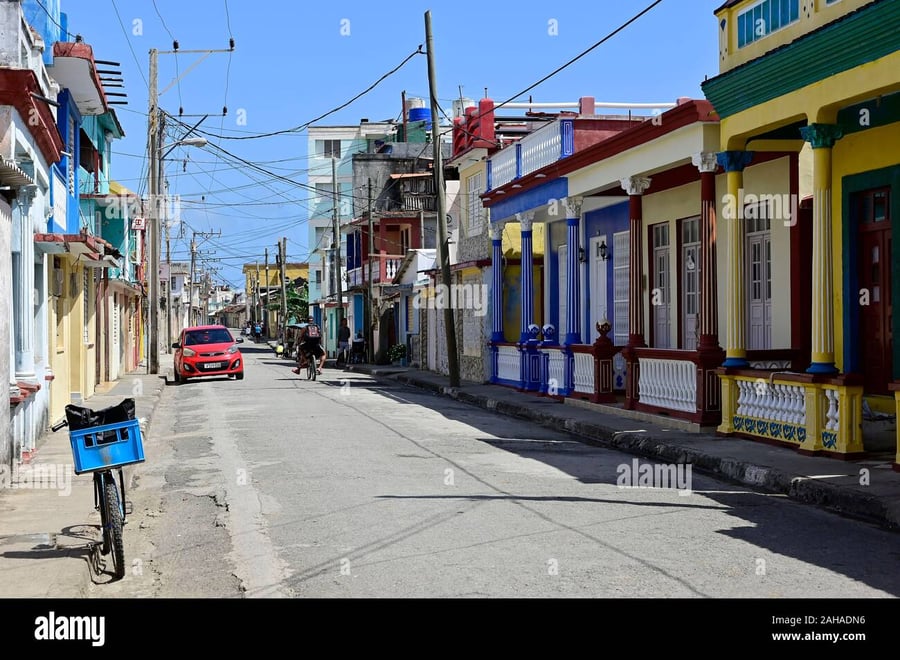
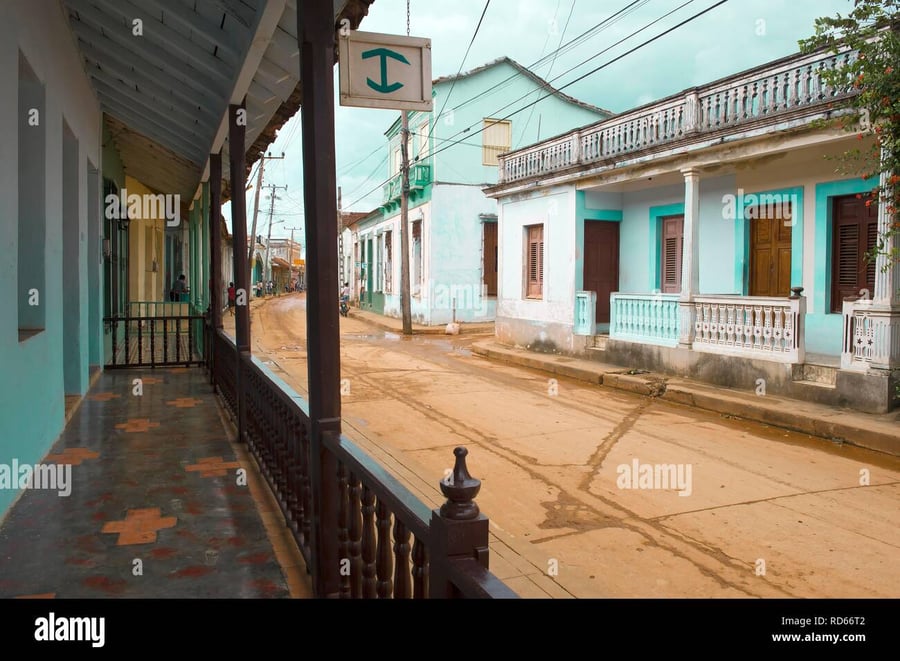
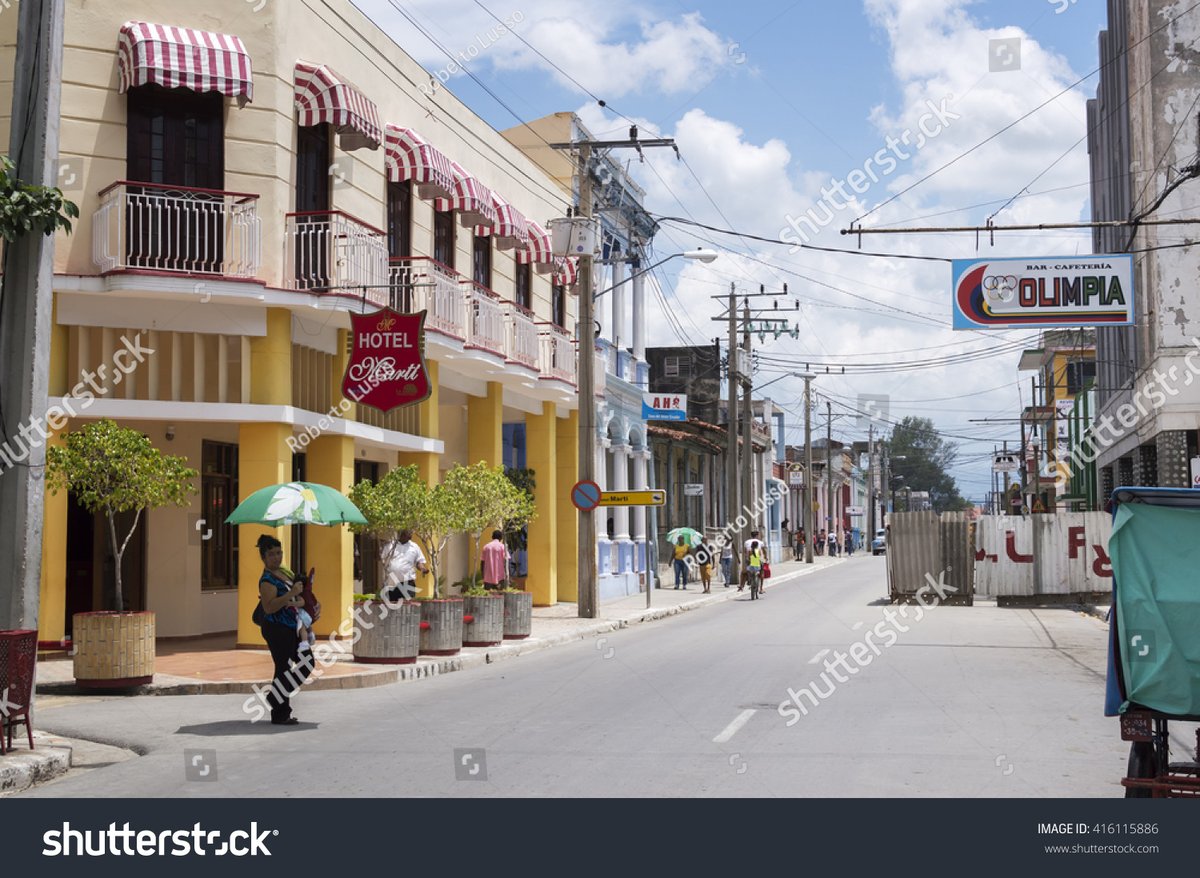
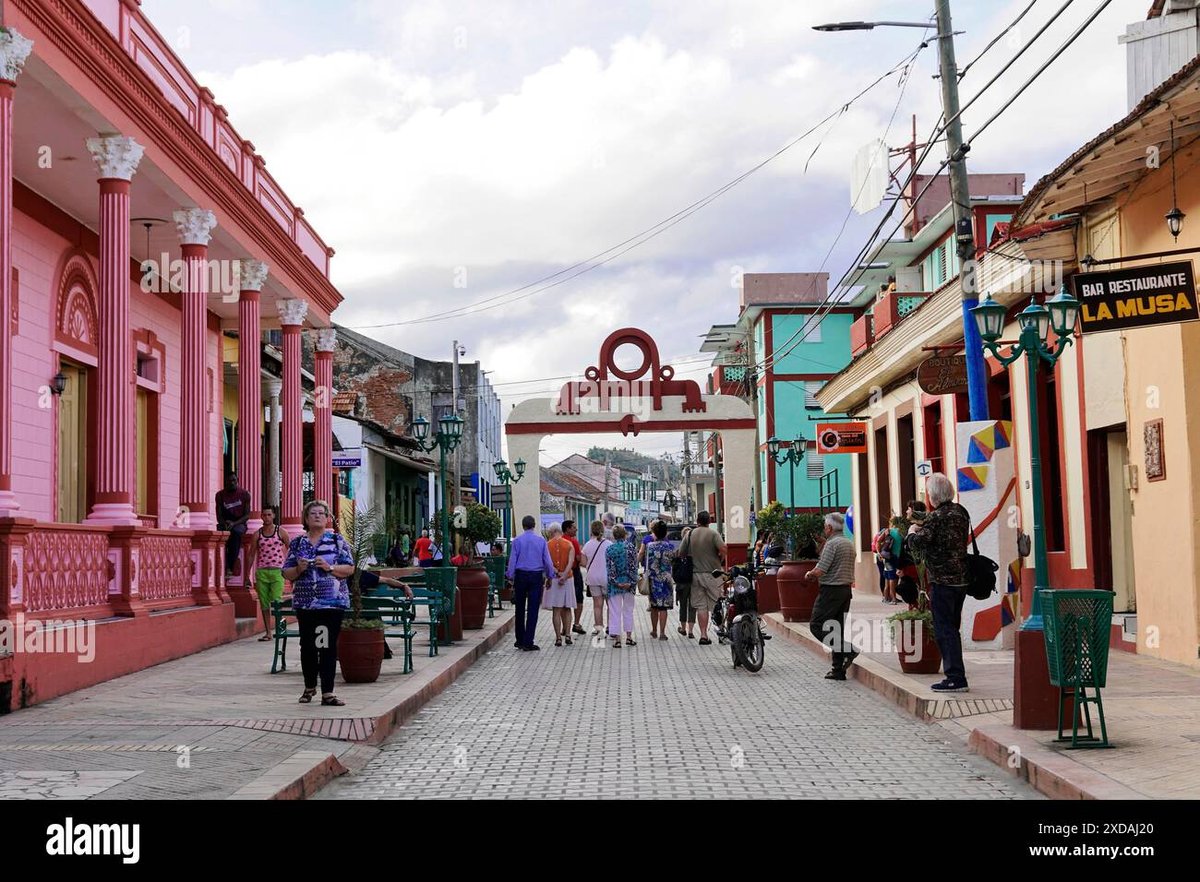
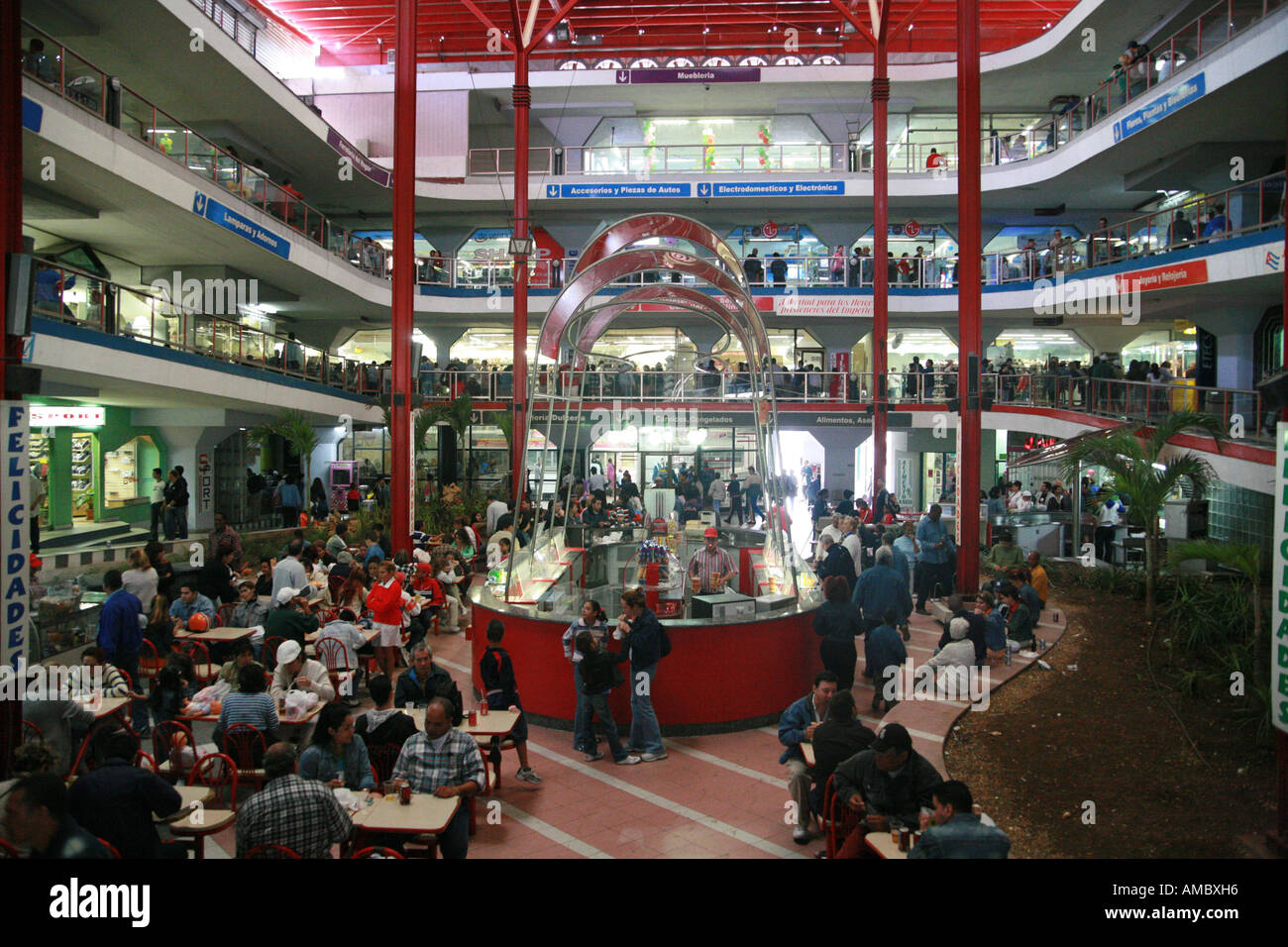
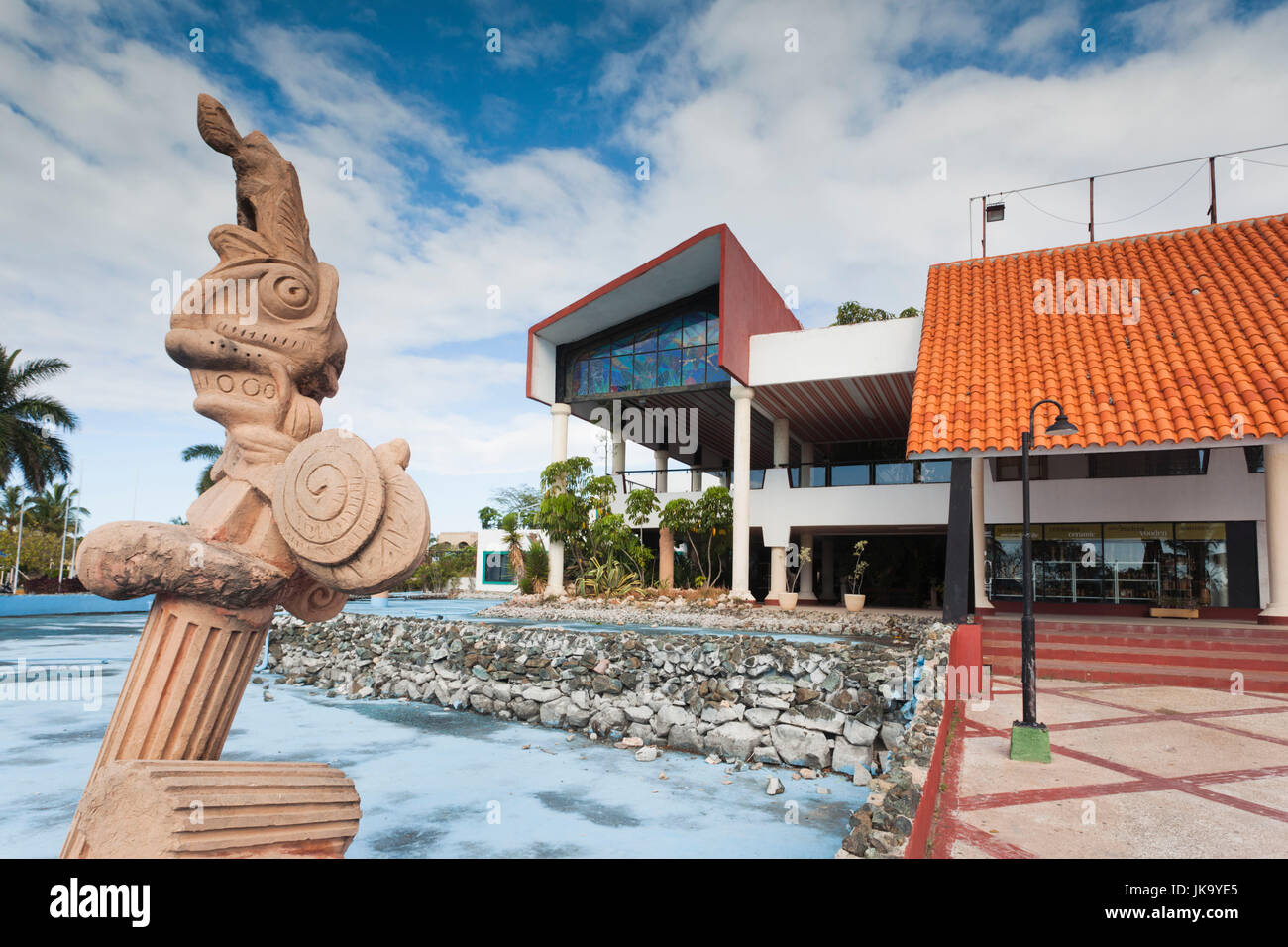
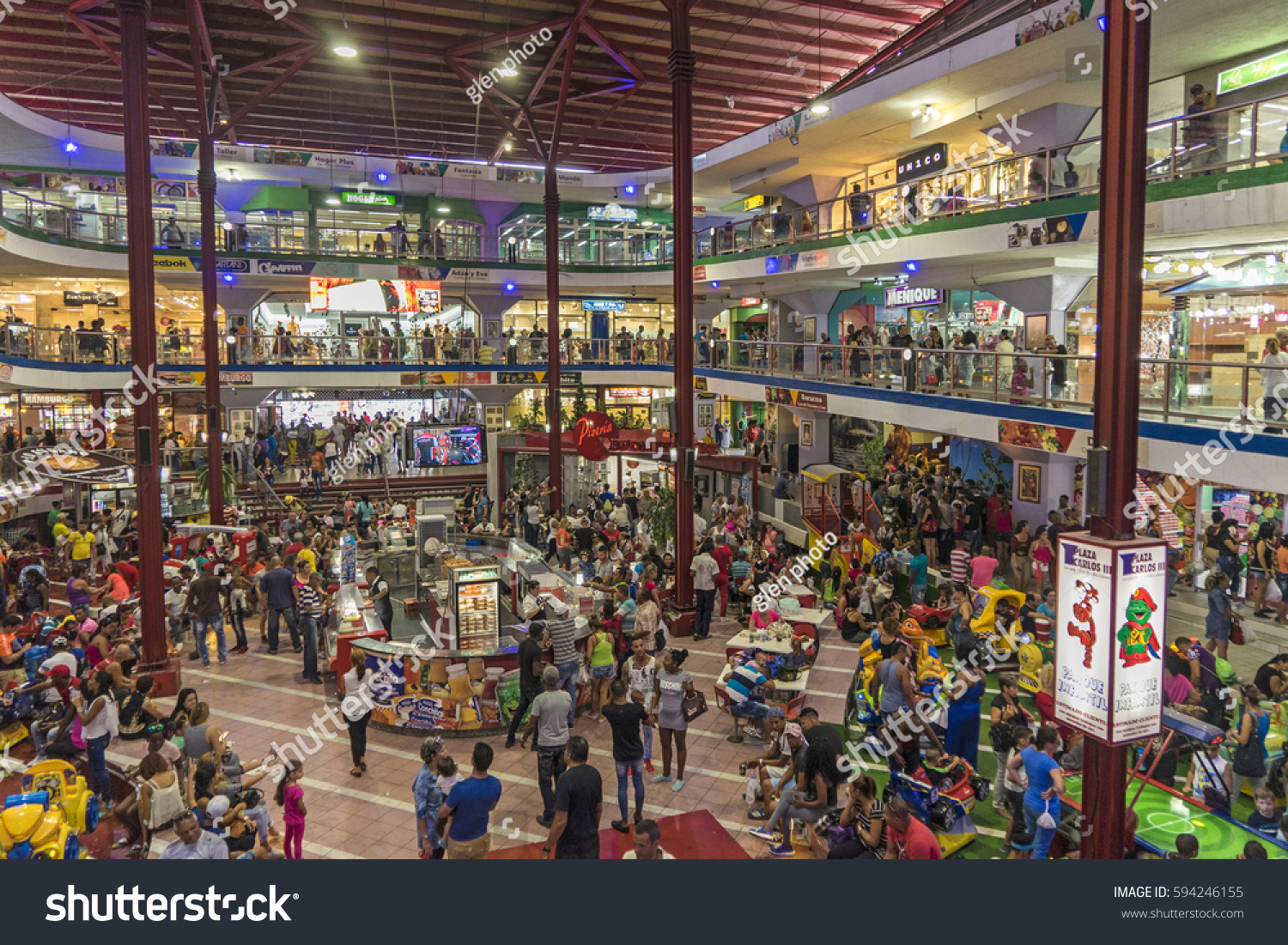
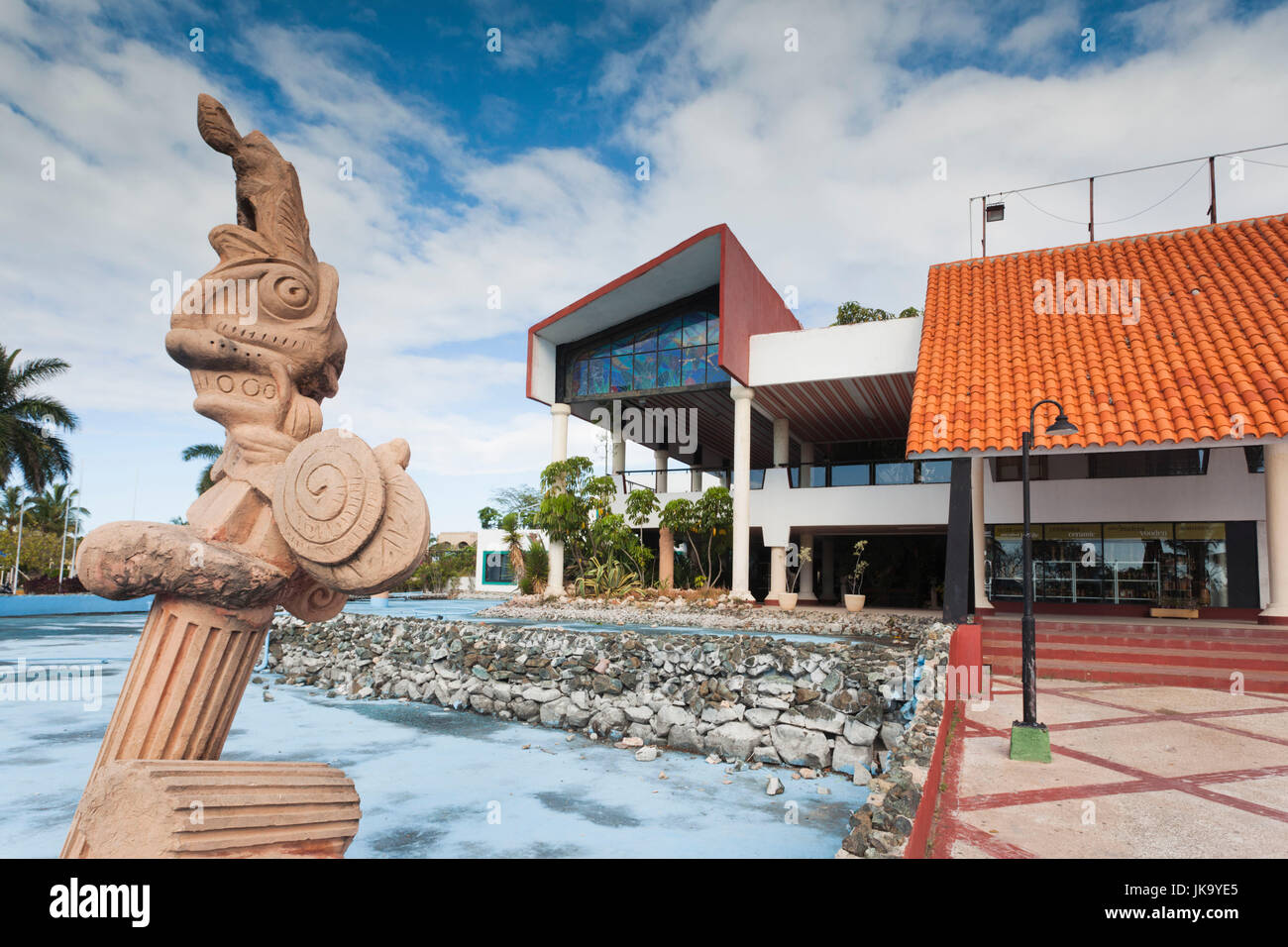
Guantánamo Plaza, located in the city of Guantánamo, Cuba, is a historic market square known as Plaza del Mercado, constructed between 1914 and 1921 under architect José Lecticio Salcines. This eclectic-style structure features ribbed cupolas, a rectangular roof with four commercial areas intersected by pedestrian streets, and neoclassical sculptural elements symbolizing prosperity and work. Situated at Calle Los Maceo between Prado and Jesús del Sol, it serves as a central hub for local commerce in a city of approximately 216,000 residents, the capital of Guantánamo Province in southeastern Cuba.
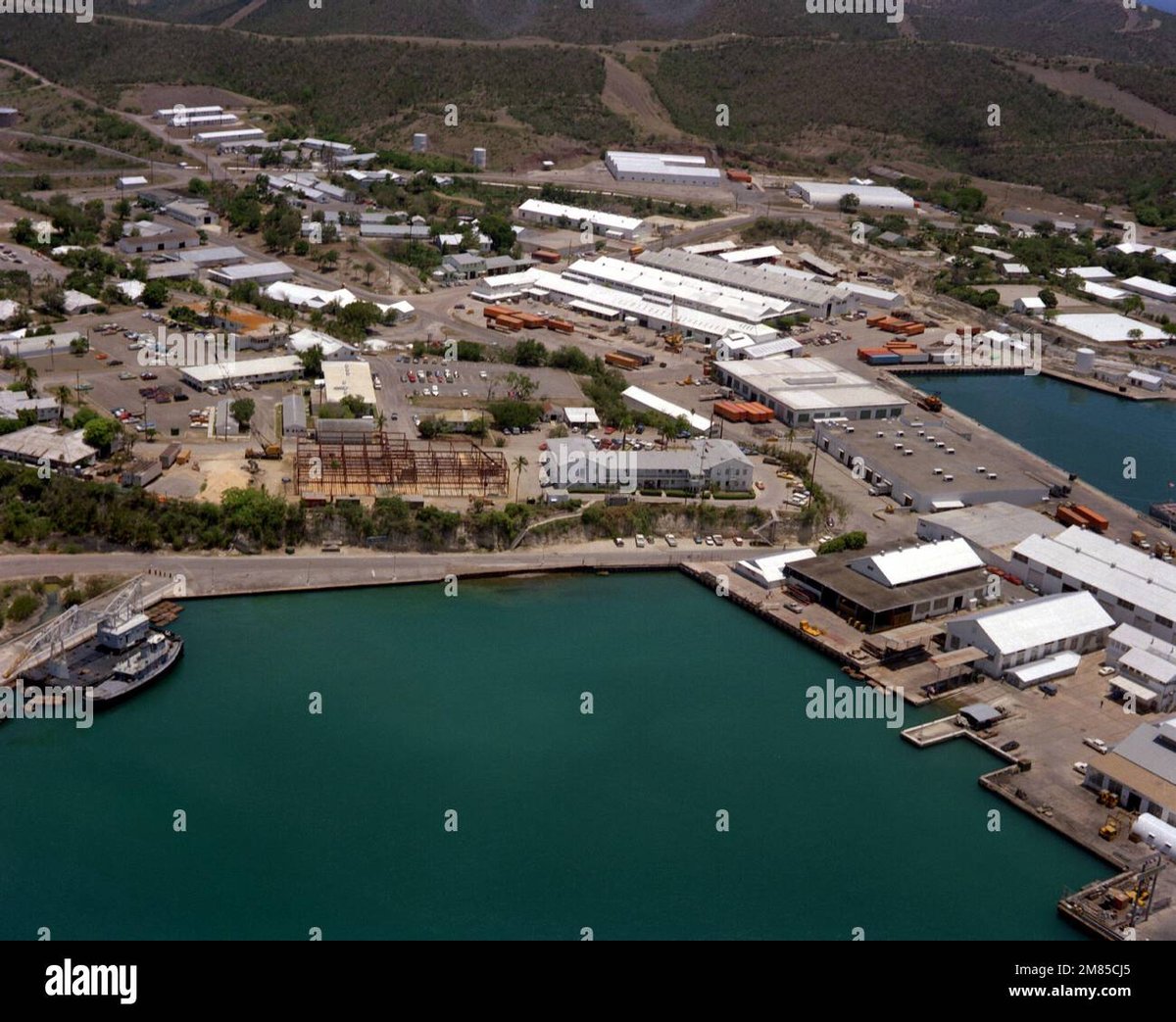
The local economy relies on agriculture, including sugarcane and cotton, with limited industrial activity, influenced by proximity to the U.S. naval base at Guantánamo Bay, though the plaza operates within Cuban territory. Retail in Cuba remains predominantly state-controlled, but recent economic reforms since 2010 have permitted more private paladares (small restaurants) and cuentapropistas (self-employed workers), allowing for leasing of stalls or spaces to independent vendors.
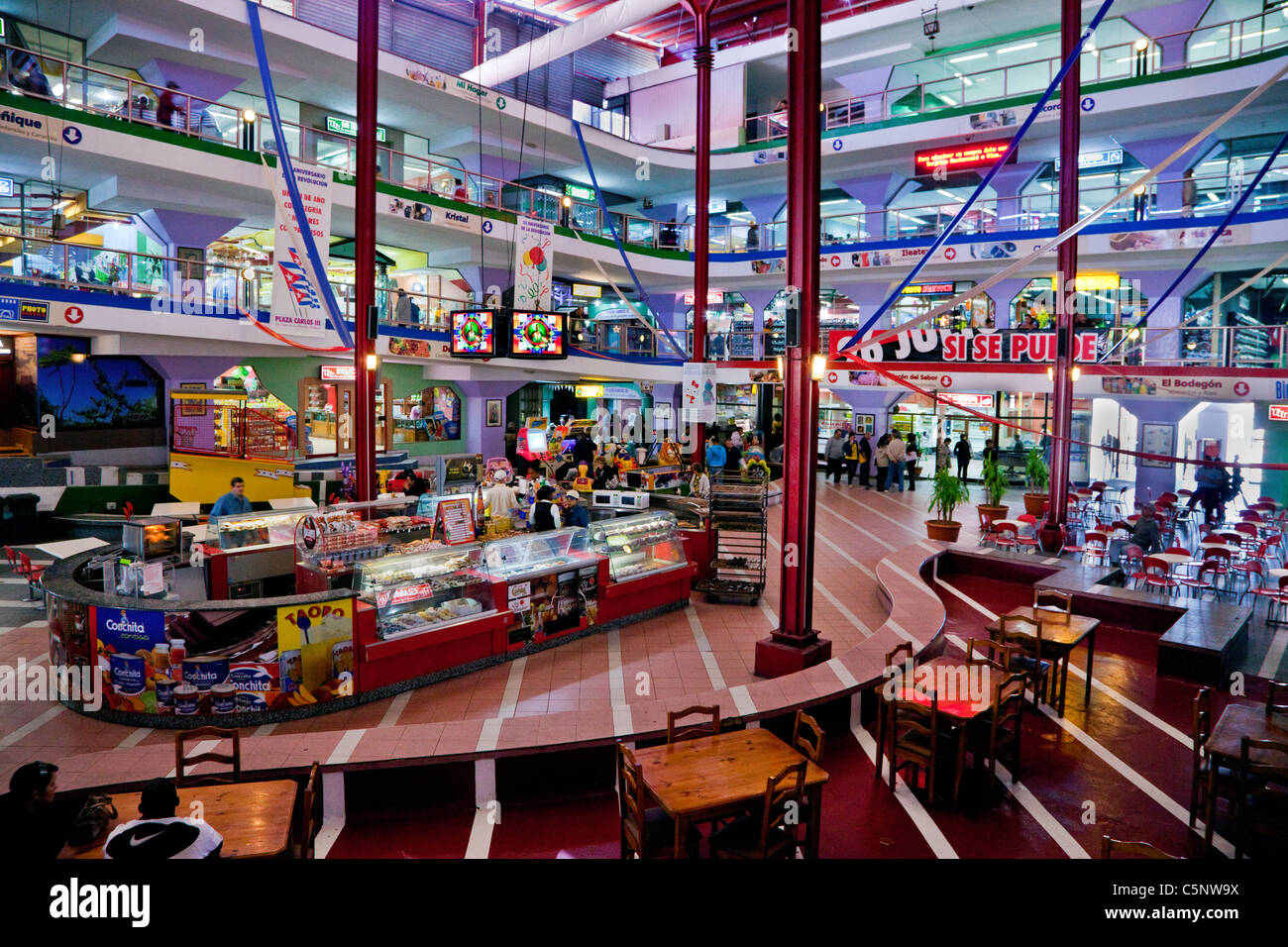
The tenant mix primarily consists of food stalls selling fresh produce, meats, and local goods, alongside basic household items and clothing merchants, with an emphasis on agricultural products reflecting the regions rural character. Footfall is steady on weekdays with peaks on weekends and market days, estimated at 5,000-10,000 daily visitors based on similar Cuban markets, driven by local residents rather than tourists due to limited international access.
Occupancy rates hover around 85-95%, typical for essential markets, with rent levels set by municipal authorities at low rates, approximately 500-2,000 Cuban pesos per square meter annually (about $20-80 USD equivalent on black market rates), making it accessible for small-scale retailers.
Accessibility is good via the Carretera Central highway and local buses, though public transport is unreliable. The plazas market position is strong as the primary fresh goods destination, but faces challenges from economic sanctions, supply shortages, and competition from informal street vending.
Leasing advantages include low entry costs, stable local demand for essentials, and potential for community engagement, though drawbacks encompass currency restrictions, bureaucratic hurdles for foreign lessees, and infrastructure maintenance issues in an aging 100-year-old building.
Overall, it suits budget-conscious retailers focusing on daily necessities in a stable, albeit constrained, market environment.
Interested in this property?
Choose how you'd like to proceed
Advertise at this property?
Reach high-intent shoppers across digital screens, atria, and experiential placements.
Hours of Operation
Hours
| Monday | 10:00 AM — 09:00 PM |
| Tuesday | 10:00 AM — 09:00 PM |
| Wednesday | 10:00 AM — 09:00 PM |
| Thursday | 10:00 AM — 09:00 PM |
| Friday | 10:00 AM — 10:00 PM |
| Saturday | 10:00 AM — 10:00 PM |
| Sunday | 11:00 AM — 06:00 PM |
Hours may vary on public holidays. Check with individual stores for specific holiday schedules.
Insights
Demographics and Footfall
Guantánamo city has a population of about 216,000, with a demographic profile dominated by working-class families engaged in agriculture and public sector jobs, median age around 35, and household incomes low due to Cubas state economy, averaging 3,000-5,000 Cuban pesos monthly ($120-200 USD). The plaza attracts a diverse local crowd including farmers, homemakers, and urban dwellers, with footfall estimated at 5,000-10,000 visitors daily, higher on Saturdays, supported by its role as the main market for fresh produce in a region with limited supermarket alternatives. This provides consistent traffic for essential retail but limited spending power and minimal tourist influx due to travel restrictions.
Tenant Mix and Occupancy
The tenant mix at Guantánamo Plaza features around 100-150 stalls focused on food vendors (60%), selling fruits, vegetables, meats, and dairy from local farms, complemented by 20% general merchandise like clothing and household goods, and 20% services such as barber shops or repair services, reflecting Cubas emphasis on basic needs over luxury retail. Occupancy remains high at 85-95%, with state oversight ensuring quick turnover of vacant spaces, though private lessees must navigate approval processes. This mix supports symbiotic operations but exposes risks from supply chain disruptions common in Cubas import-dependent economy, potentially affecting vendor viability.
Lease Terms and Market Risks
Lease terms are regulated by municipal authorities, with annual rents for 10-50 sqm spaces ranging from 500-2,000 Cuban pesos ($20-80 USD equivalent), often on short-term 1-3 year contracts renewable via application, favoring Cuban nationals or cooperatives over foreigners due to legal barriers. Advantages include low costs and flexible sizing for startups, but risks involve economic instability from U.S. sanctions limiting imports, competition from informal markets eroding formal sales by 20-30%, and aging infrastructure like leaky roofs or poor lighting that could deter customers. Retailers should assess saturation in food categories while exploring niches in imported goods if reforms allow.
Building Details
Detailed Market Analytics
City Snapshot
Guantánamo
Comprehensive market intelligence for retail expansion in this city

Popular in Cuba
Top retail destinations across Cuba.
Interested in this property?
Choose how you'd like to proceed
Advertise at this property?
Reach high-intent shoppers across digital screens, atria, and experiential placements.
City Snapshot
Guantánamo
Comprehensive market intelligence for retail expansion in this city