Brand Fit Snapshot
Best for:
Not ideal if:
Similar properties you might like:
Quick assessment - takes 30 seconds
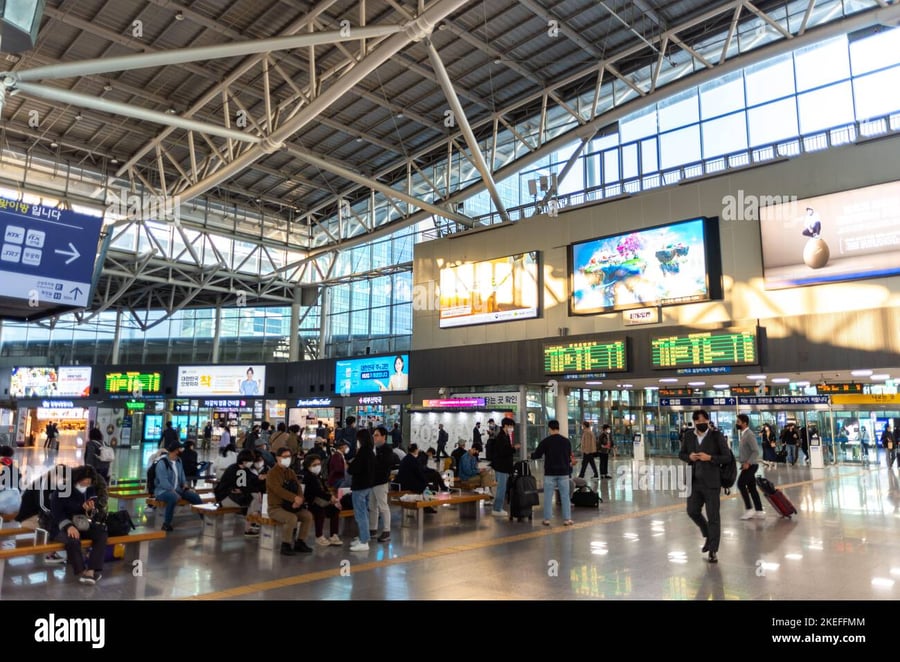
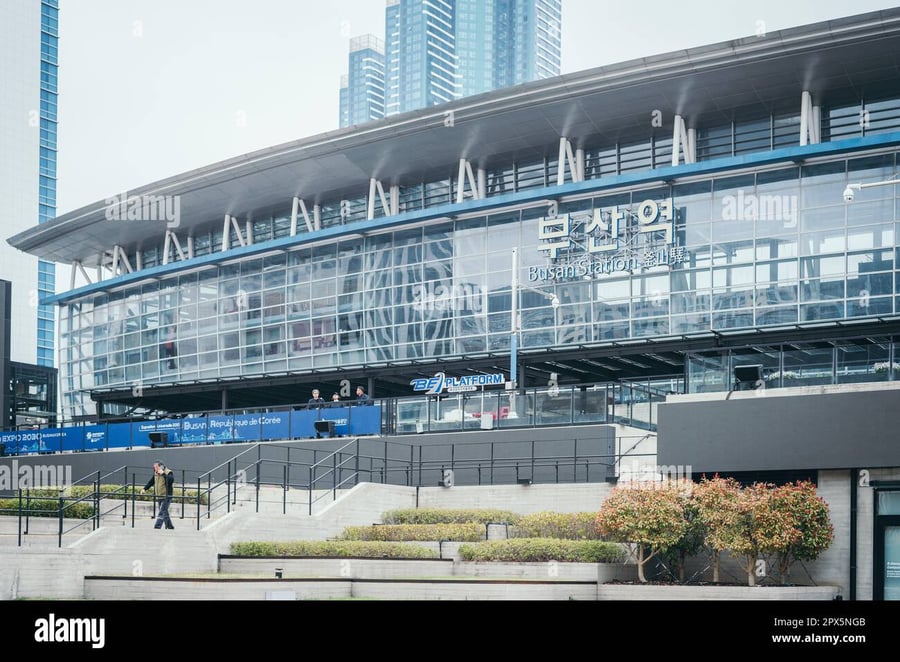
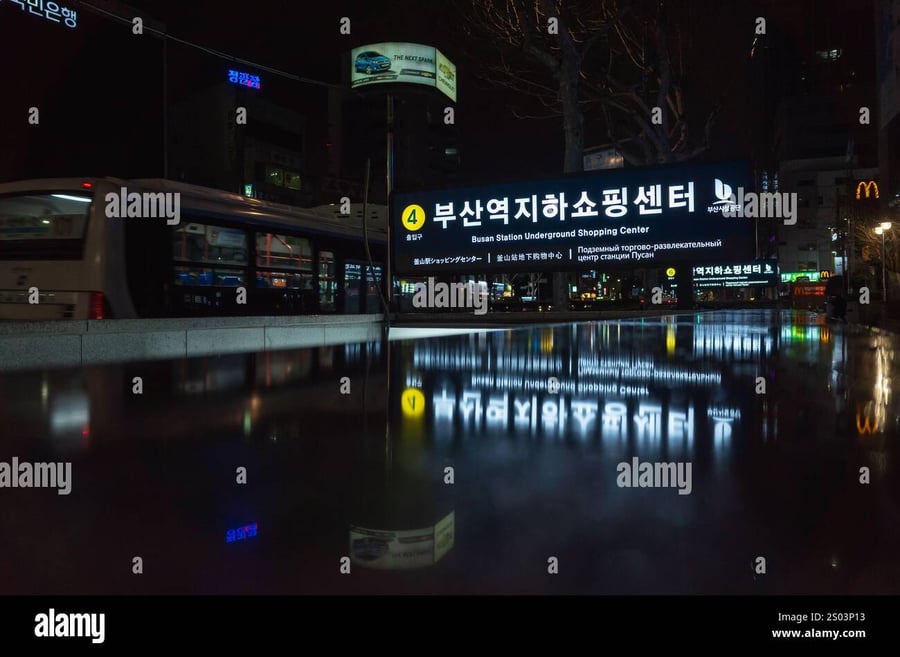
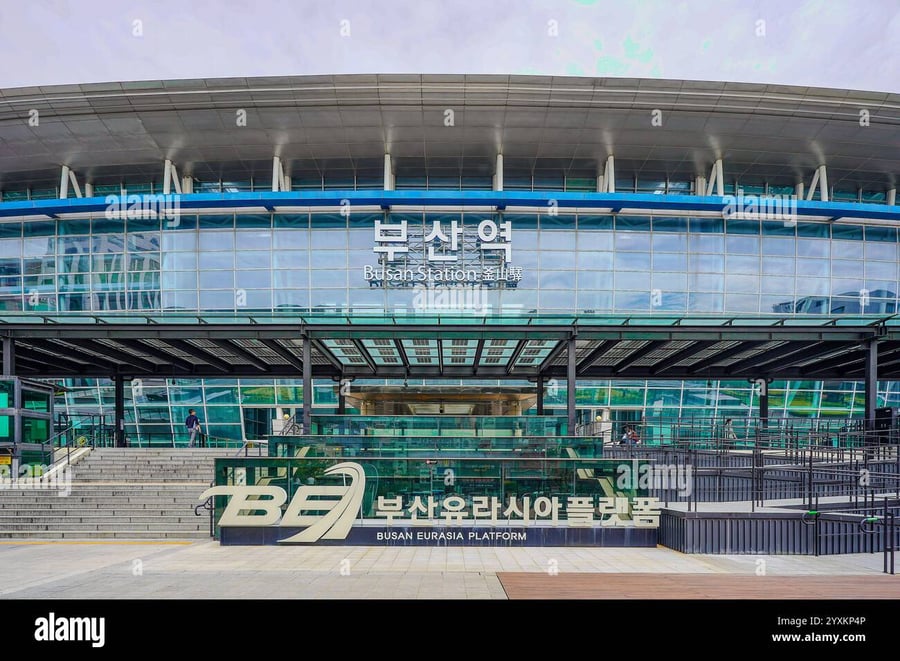
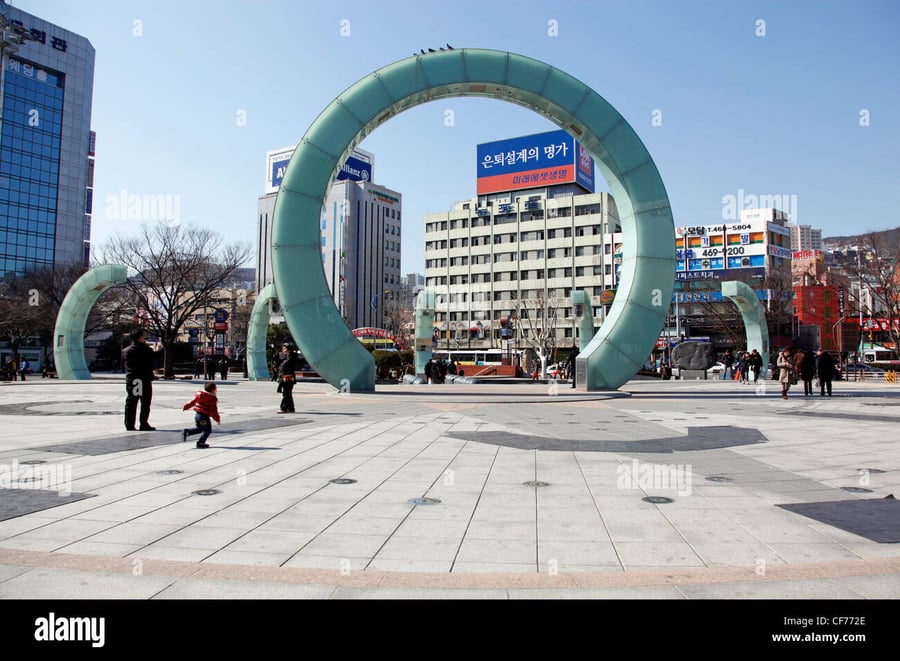
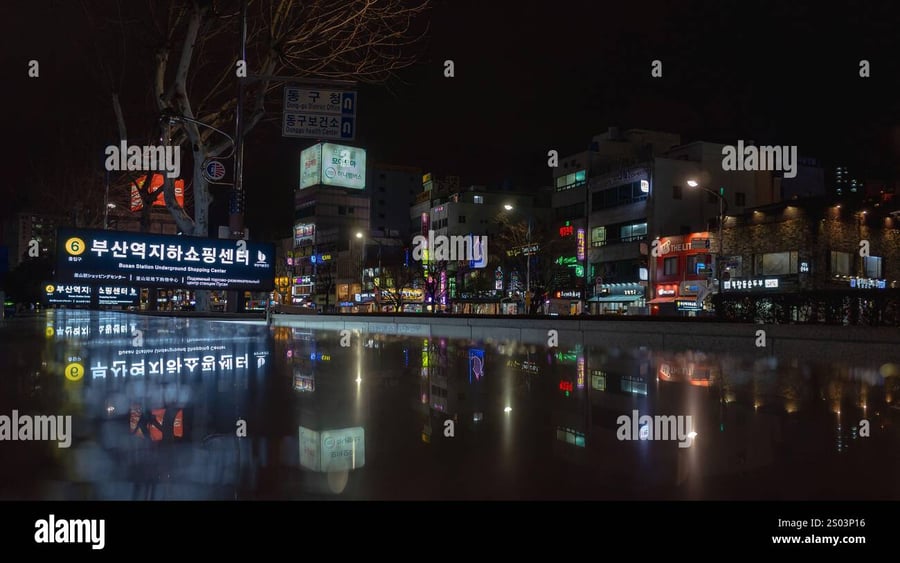
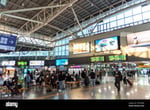
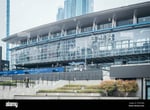
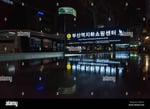
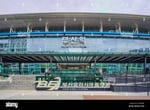
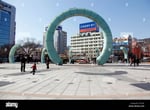
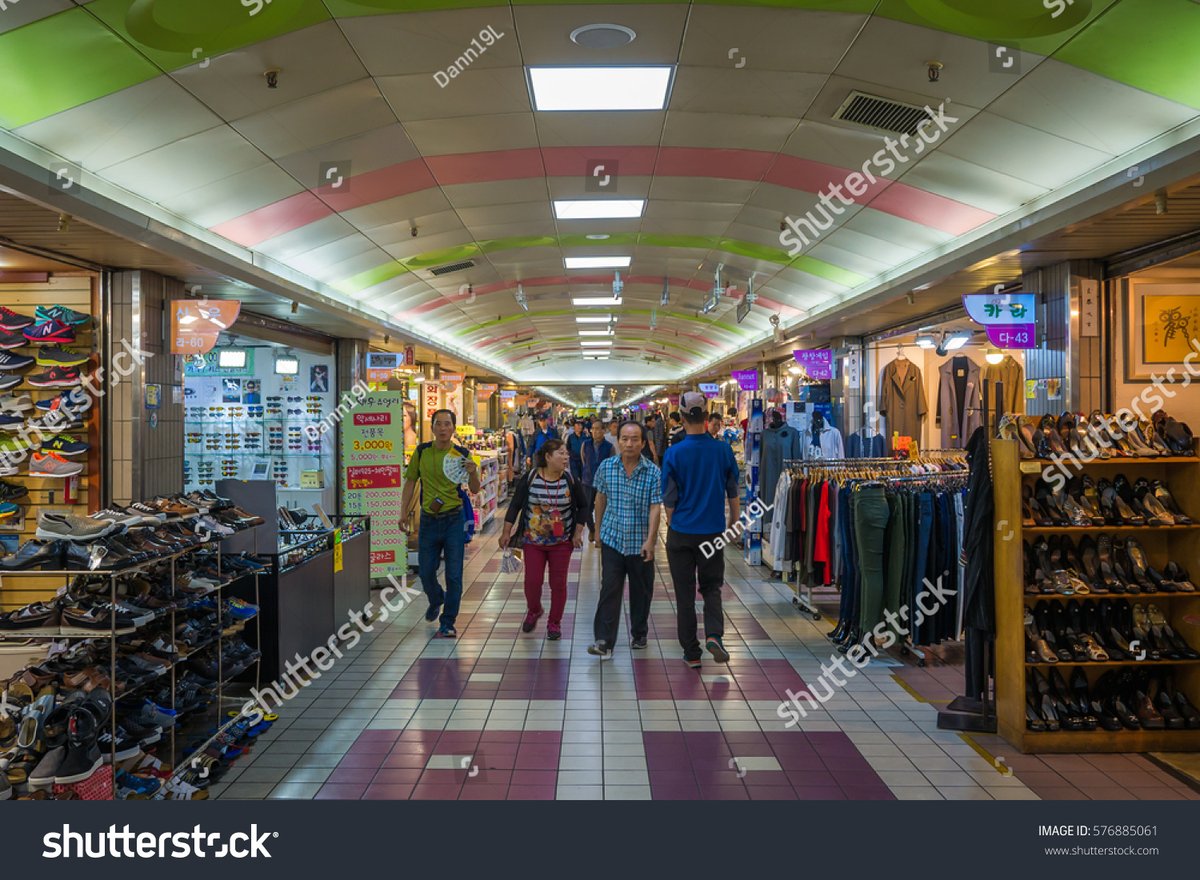
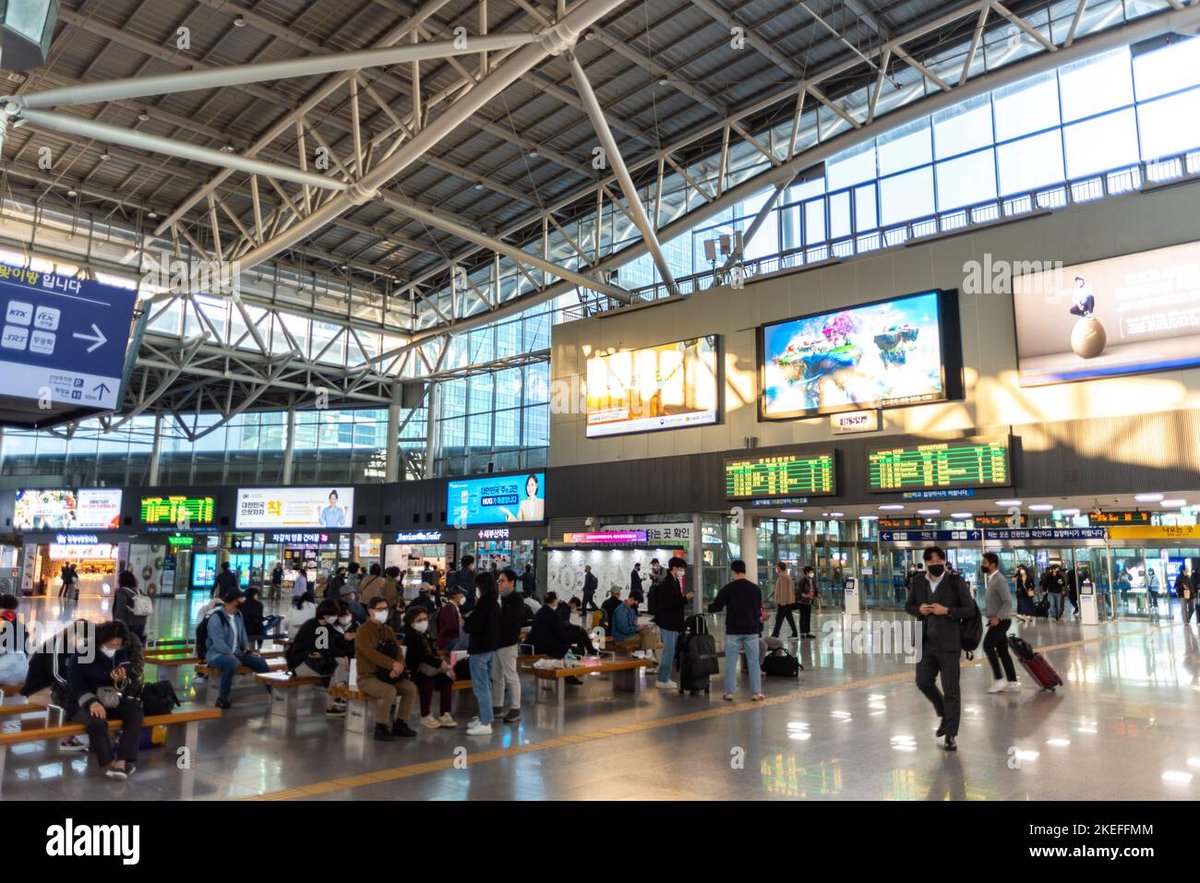
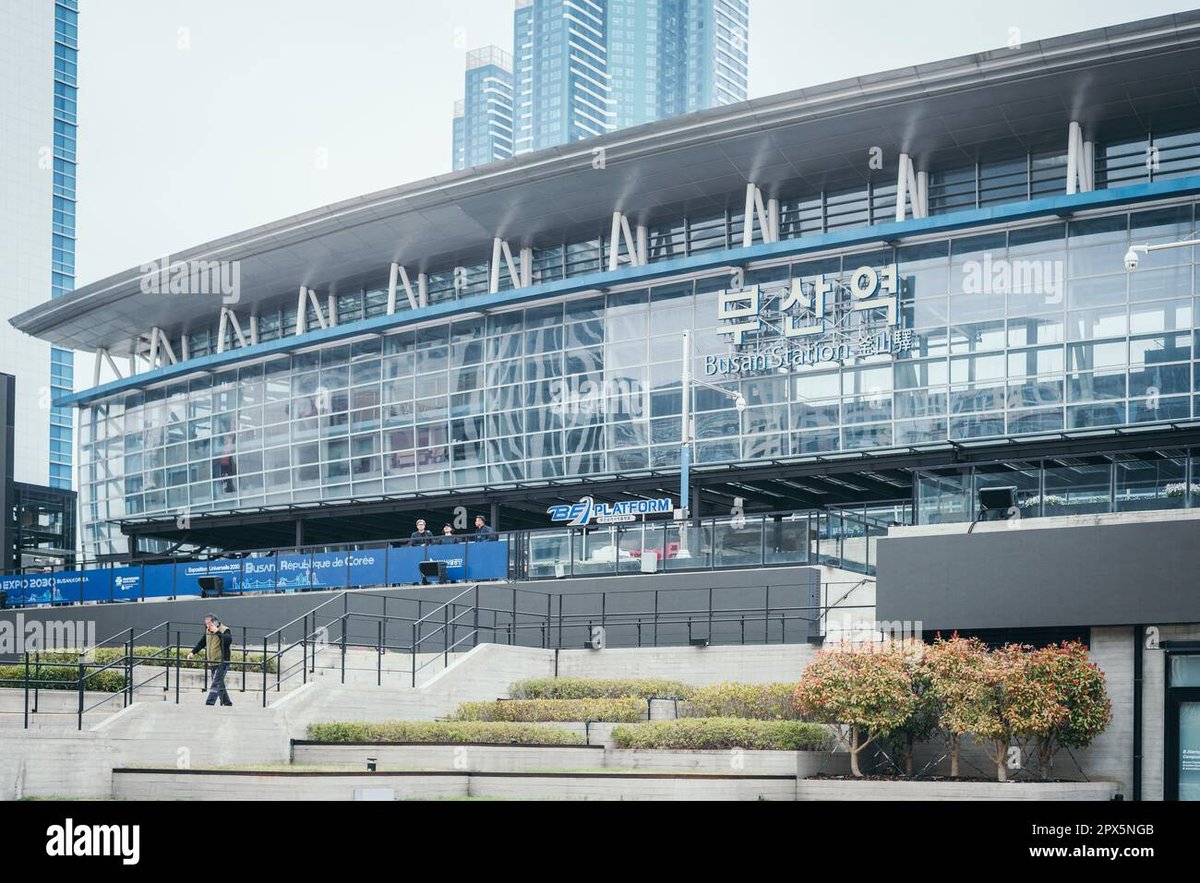
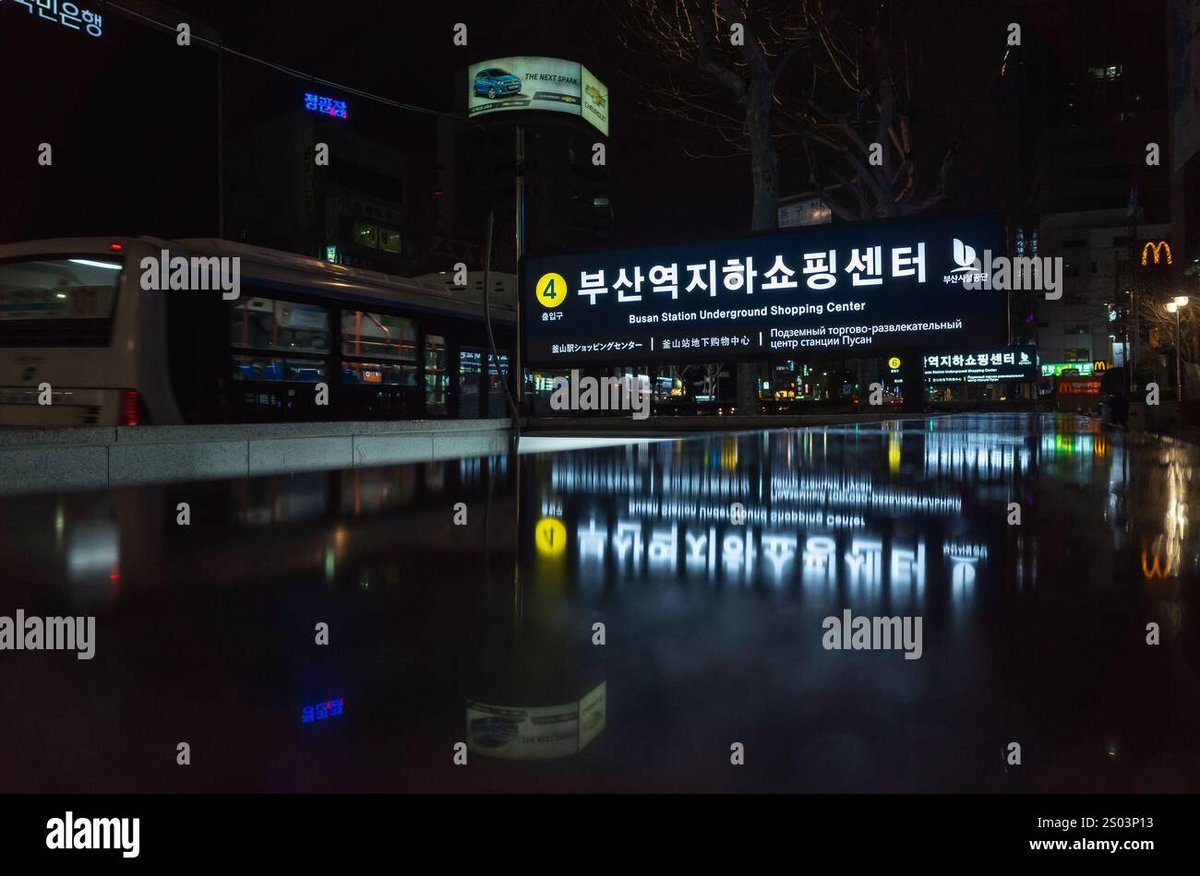
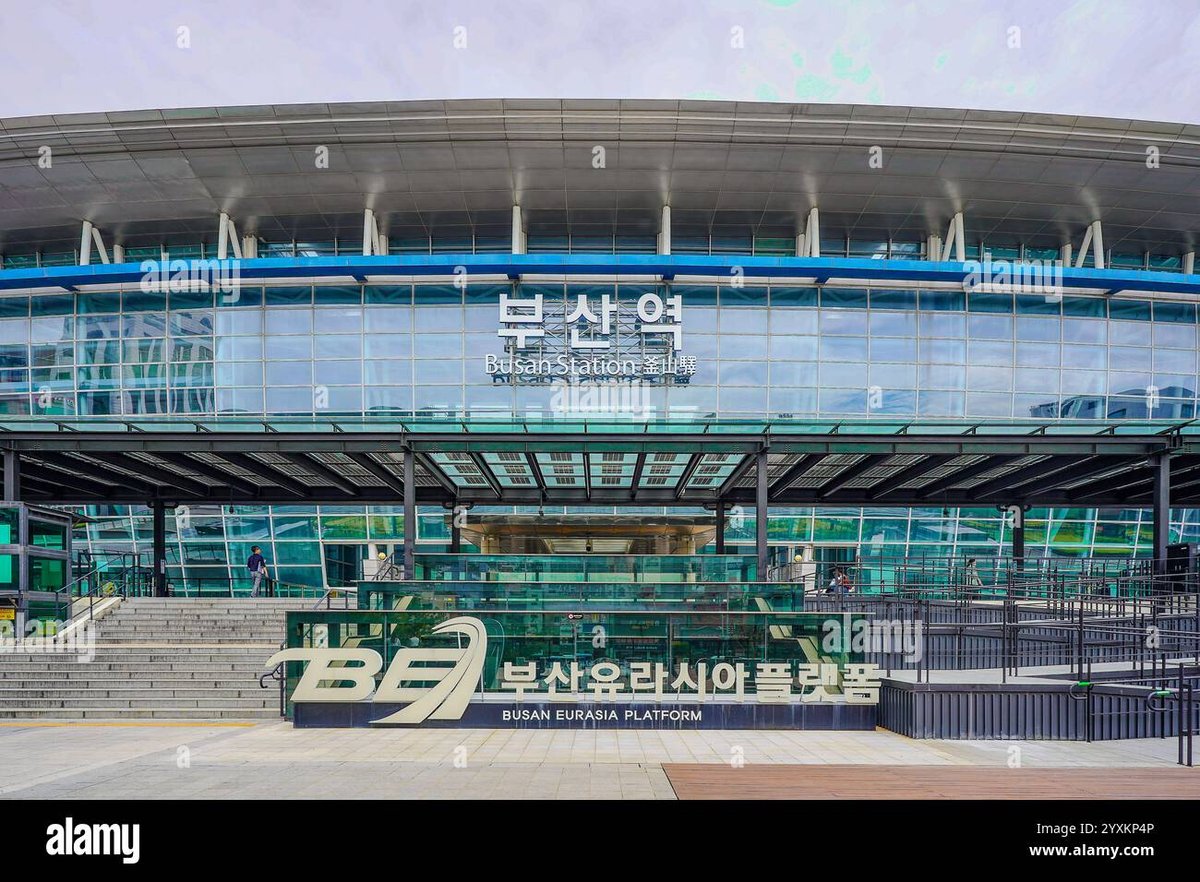
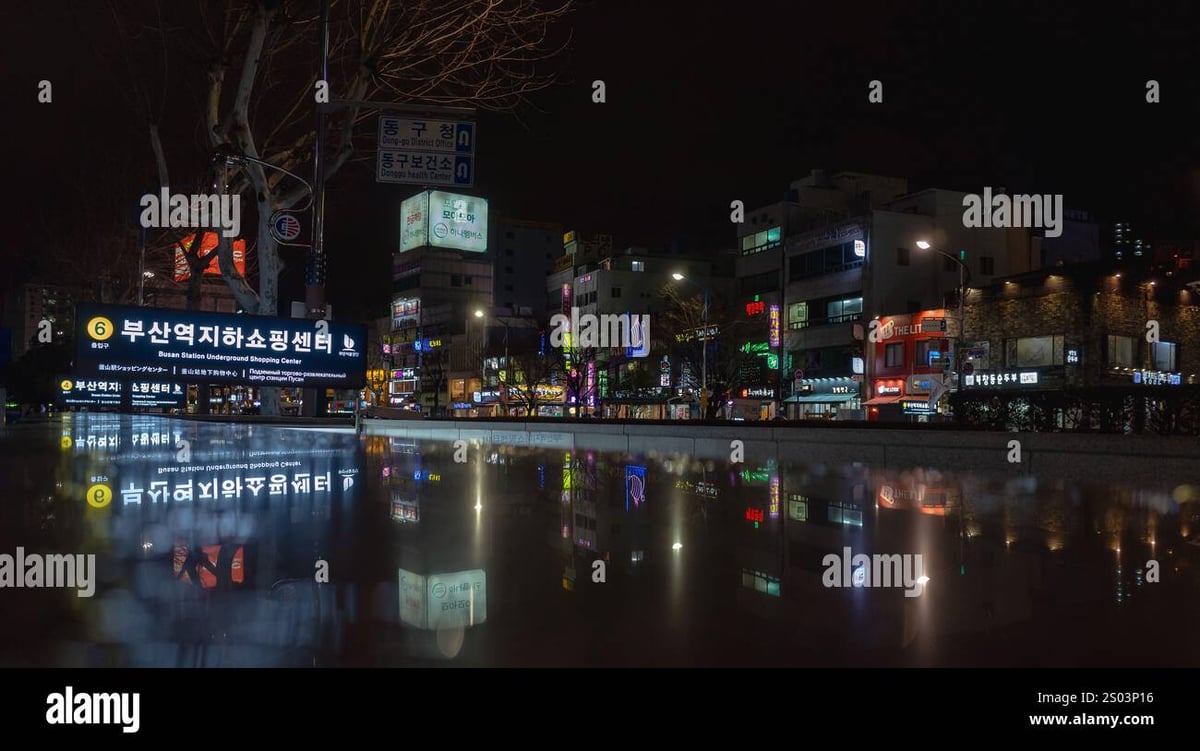
Busan Station Underground Shopping Center is situated directly beneath Busan Station in the Dong-gu district of central Busan, South Korea, extending approximately 1 kilometer toward Choryang Station along subway Line 1. Developed in the 1980s as part of urban transit infrastructure, it connects KTX high-speed rail platforms, subway Lines 1 and 2, and bus terminals, facilitating seamless transfers for over 50,000 daily passengers.
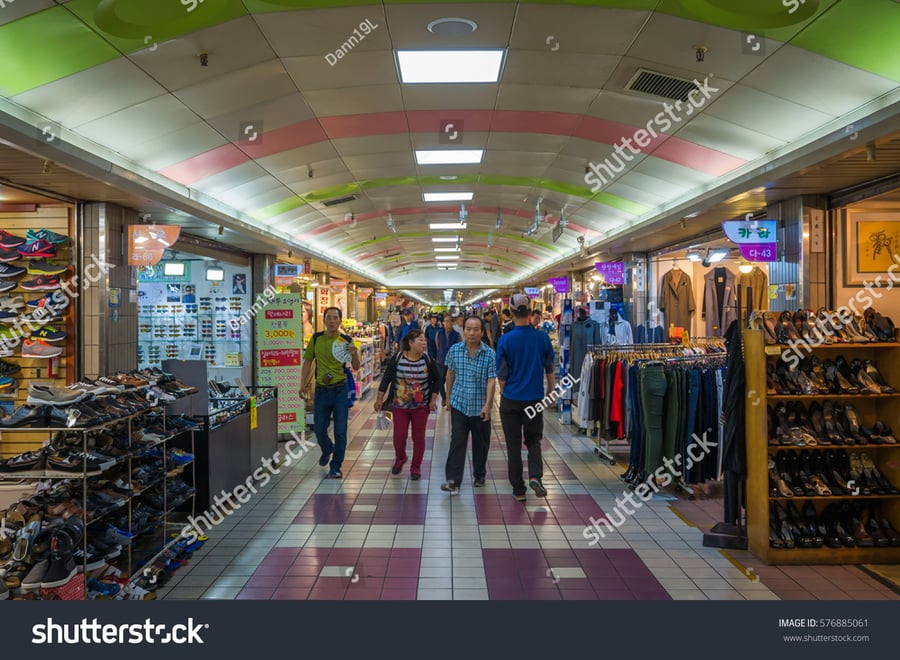
The property encompasses about 200 small retail units, with a tenant mix focused on practical, commuter-oriented offerings: 60% independent shops selling affordable clothing, accessories, and daily necessities; 25% food and beverage stalls providing quick meals like kimbap and coffee; and 15% services such as shoe repairs and convenience stores. In Busans retail market, characterized by 92% average occupancy across underground centers in 2025 per commercial reports, this venue benefits from consistent footfall of 25,000-35,000 visitors per day, driven by station traffic, though average dwell time remains low at 10-20 minutes.
Leasing advantages include competitive base rents of 50,000-70,000 KRW per square meter per month, short-term flexible contracts (1-3 years), and no common area maintenance fees exceeding 10% of base rent, appealing to small retailers targeting transient demographics. The centers market position is as a utilitarian transit retail hub rather than a leisure destination, serving middle-income commuters aged 25-50 and local office workers in a city with 3.4 million residents and growing tourism.
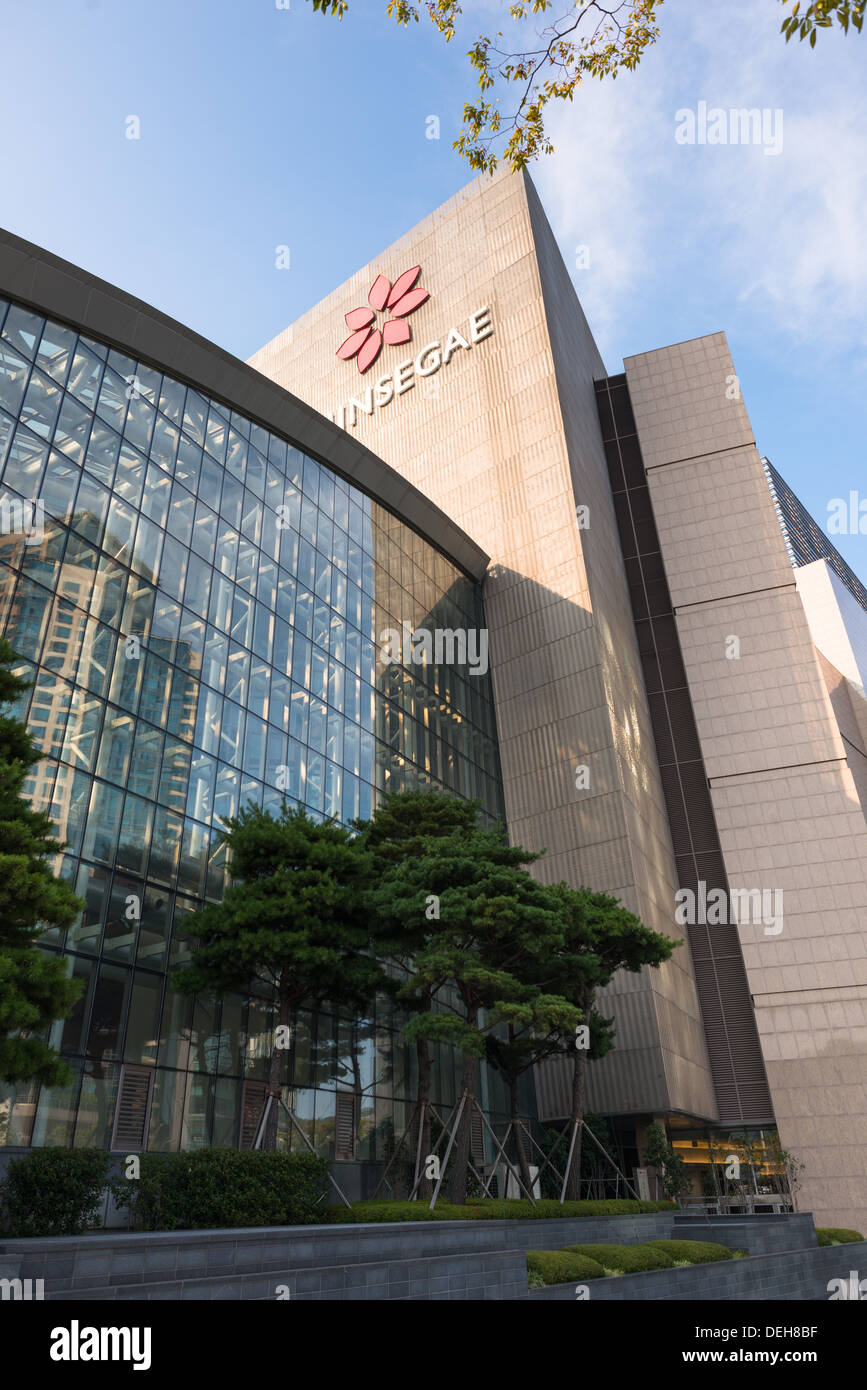
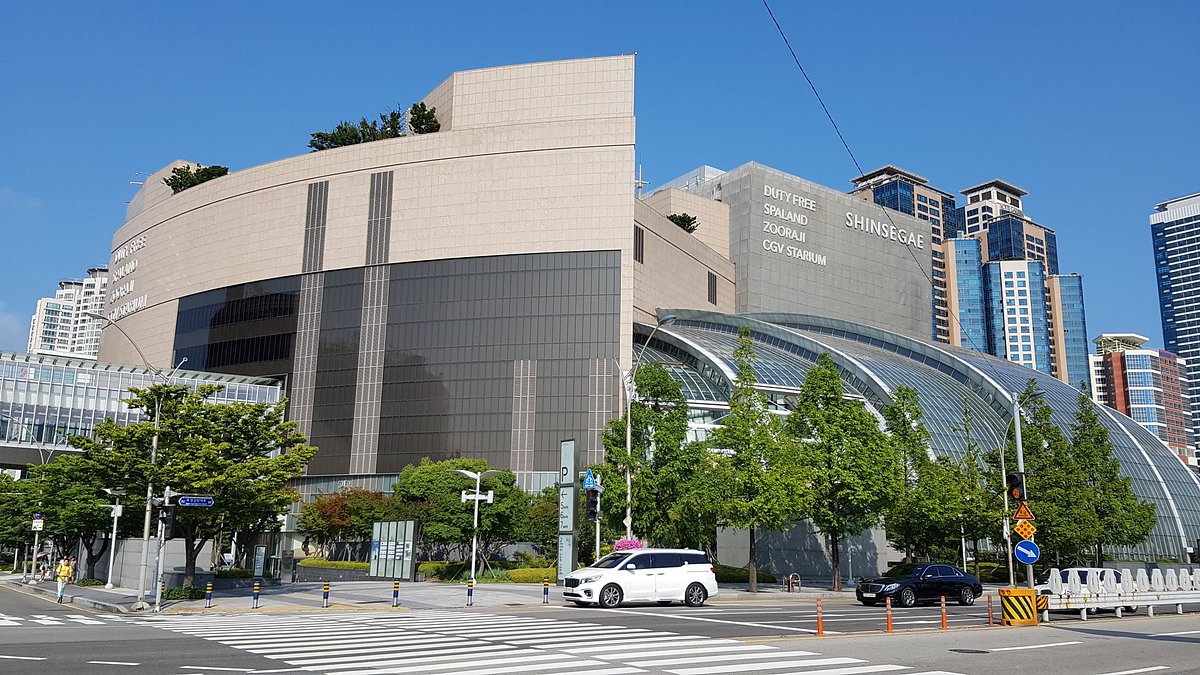
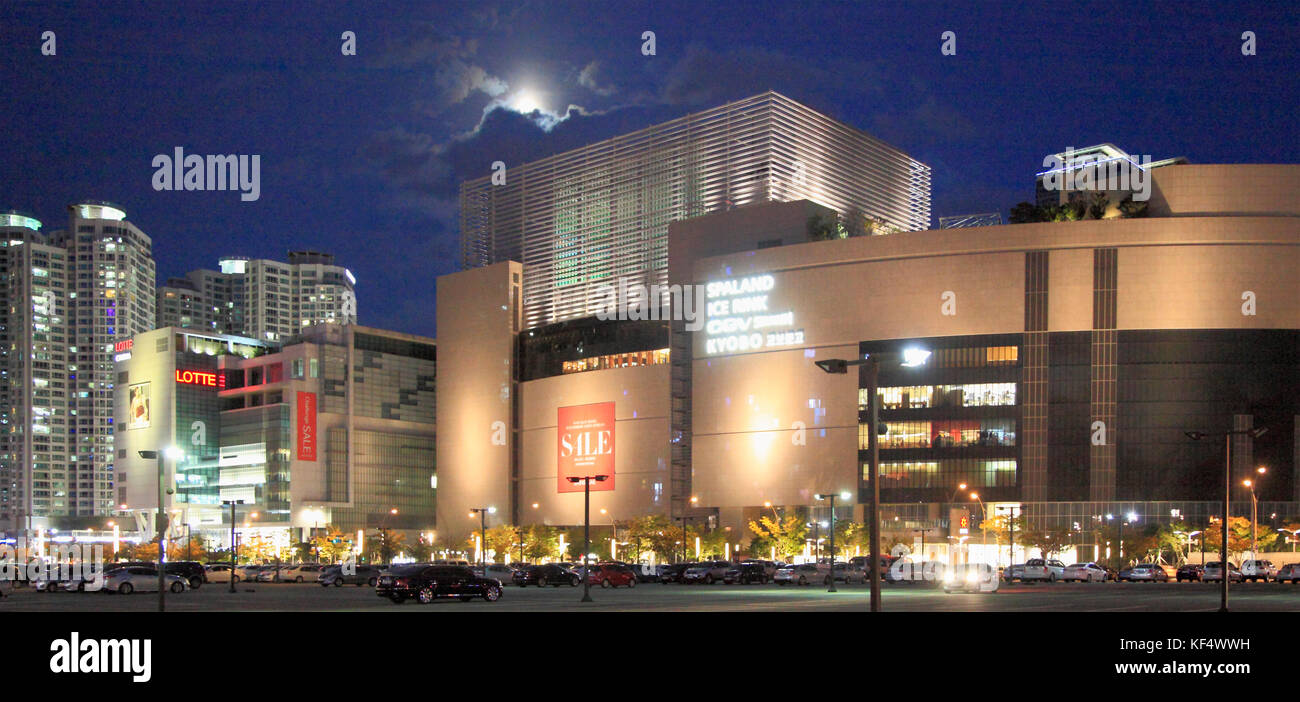
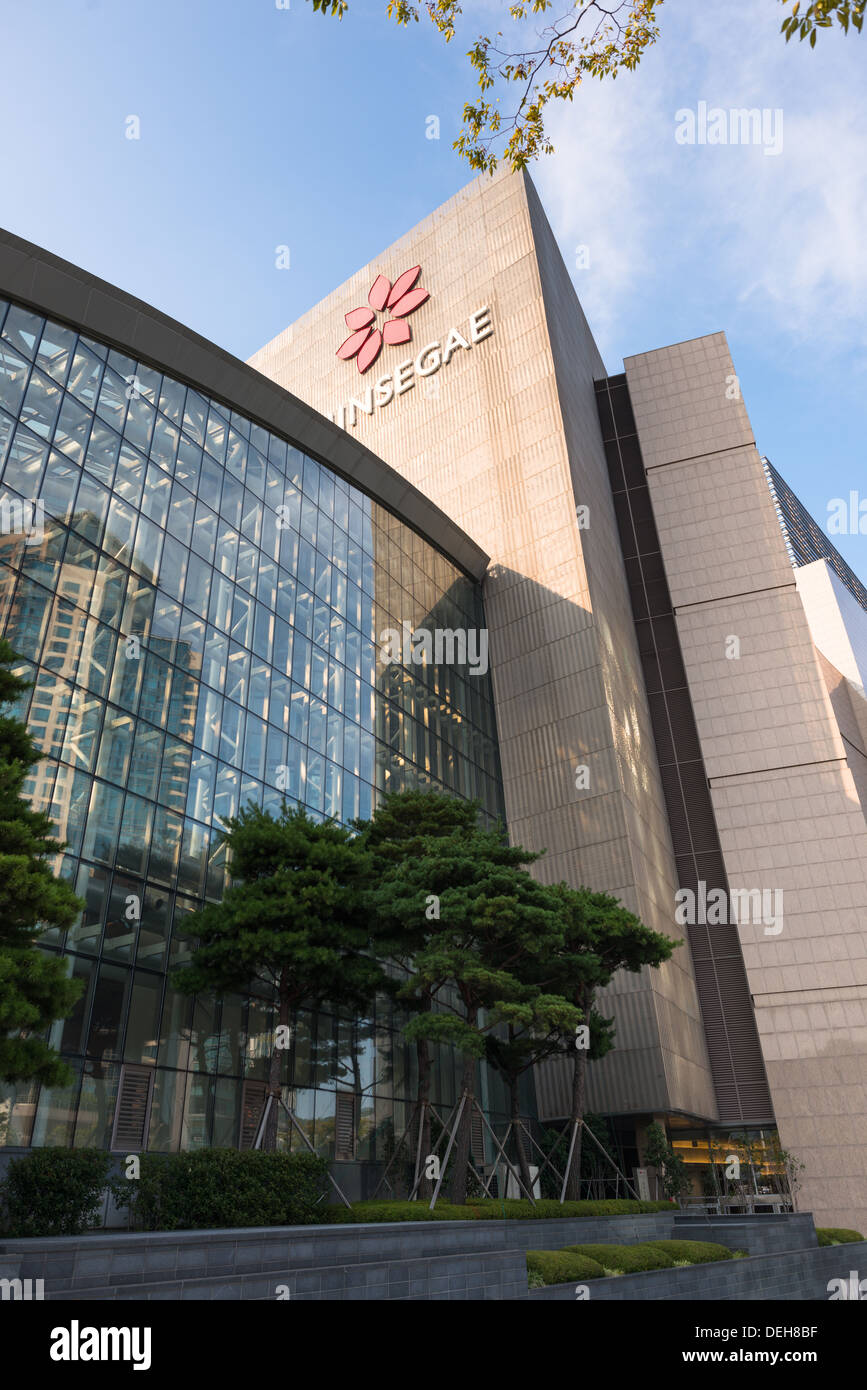
Potential drawbacks encompass aging infrastructure with narrow passages and limited ventilation, leading to higher maintenance risks, alongside competition from nearby Nampo-dong outdoor markets and modern malls like Shinsegae Centum City, which draw leisure shoppers with superior amenities.
Operational quality is moderate, with occupancy hovering at 85-90%, reflecting stable but not exceptional performance amid Busans saturated mid-tier retail segment.
Interested in this property?
Choose how you'd like to proceed
Advertise at this property?
Reach high-intent shoppers across digital screens, atria, and experiential placements.
Hours of Operation
Hours
| Monday | 10:00 AM — 10:00 PM |
| Tuesday | 10:00 AM — 10:00 PM |
| Wednesday | 10:00 AM — 10:00 PM |
| Thursday | 10:00 AM — 10:00 PM |
| Friday | 10:00 AM — 10:00 PM |
| Saturday | 10:00 AM — 10:00 PM |
| Sunday | 10:00 AM — 10:00 PM |
Hours may vary on public holidays. Check with individual stores for specific holiday schedules.
Insights
Demographics and Footfall
The primary demographic comprises middle-income commuters and local residents aged 25-55, including office workers from nearby districts and domestic travelers using Busan Station as a key hub on the national rail network. Student population from adjacent universities adds to the mix, favoring budget options. Daily footfall ranges from 25,000 to 35,000, peaking during rush hours (7-9 AM and 5-7 PM) with subway ridership data indicating 60,000 transfers daily in 2025. This captive audience supports consistent traffic but limits impulse buys due to short dwell times of 10-15 minutes, resulting in lower conversion rates compared to destination malls. Risks include seasonal dips in tourism footfall by 15-20% during off-peak months, impacting sales in non-essential categories like fashion.
Competition and Accessibility
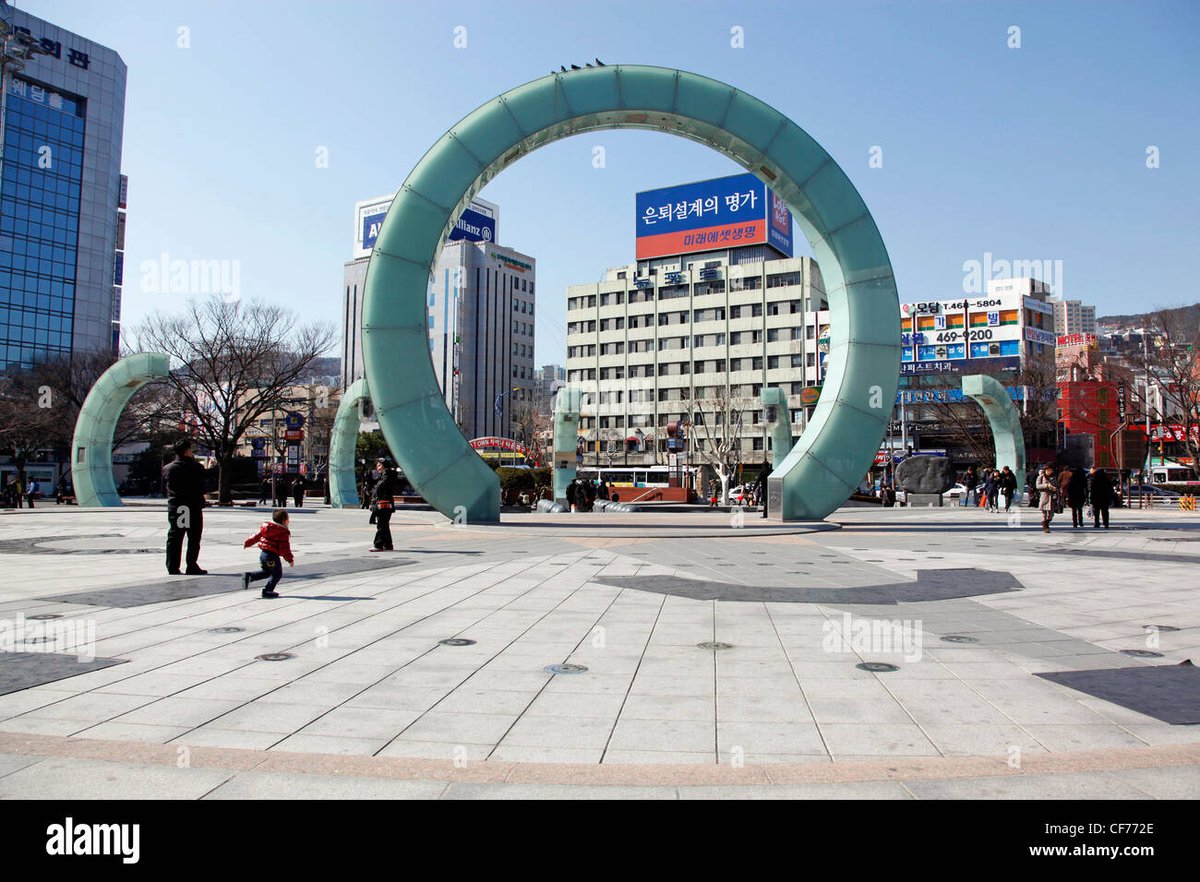
Accessibility is a core strength, with direct underground links to Busan Station (KTX and subway Lines 1/2) and proximity to major roads like Chungmu-daero, enabling easy access via public transport or a 5-minute walk from the station entrance; parking is limited to 200 spots nearby, favoring pedestrian traffic. However, competition is intense from established nearby venues such as Nampo-dong Underground Shopping Center (1 km away) with broader tourist appeal and higher footfall of 40,000 daily, plus emerging e-commerce pressures reducing physical visits by 10% annually per retail reports. Market saturation in central Busan, with over 15 underground centers, pressures weaker tenants, though the propertys transit adjacency provides a defensive moat against access issues. Overall, while visibility to commuters is high, retailers face challenges from superior tenant mixes in rival properties offering entertainment anchors.
Lease Terms and Operational Quality
Lease terms feature base rents of 50,000-70,000 KRW per sqm/month, below Busan averages of 80,000 KRW for similar underground spaces, with escalation clauses capped at 5% annually and incentives like 1-2 months free rent for new tenants committing over 50 sqm. Operational quality includes central heating/cooling but highlights weaknesses in aging infrastructure from the 1980s, with narrow 5-10m wide corridors prone to congestion and occasional flooding risks during monsoons. Occupancy stands at 85-90% as of 2025, supported by low turnover (under 10% yearly), yet maintenance costs average 15% of rent due to deferred upgrades. Retailers benefit from diverse category allowances but must navigate restrictions on high-traffic promotions; sales metrics show 15-18 million KRW per sqm annually, trailing city benchmarks by 20-25%, underscoring the need for efficient operations in a commuter-focused environment.
Building Details
Detailed Market Analytics
City Snapshot
Busan
Comprehensive market intelligence for retail expansion in this city

Other Retail Destinations in Busan
Discover more shopping centers in Busan.
Popular in South Korea
Top retail destinations across South Korea.
Interested in this property?
Choose how you'd like to proceed
Advertise at this property?
Reach high-intent shoppers across digital screens, atria, and experiential placements.
City Snapshot
Busan
Comprehensive market intelligence for retail expansion in this city