Brand Fit Snapshot
Best for:
Not ideal if:
Similar properties you might like:
Quick assessment - takes 30 seconds
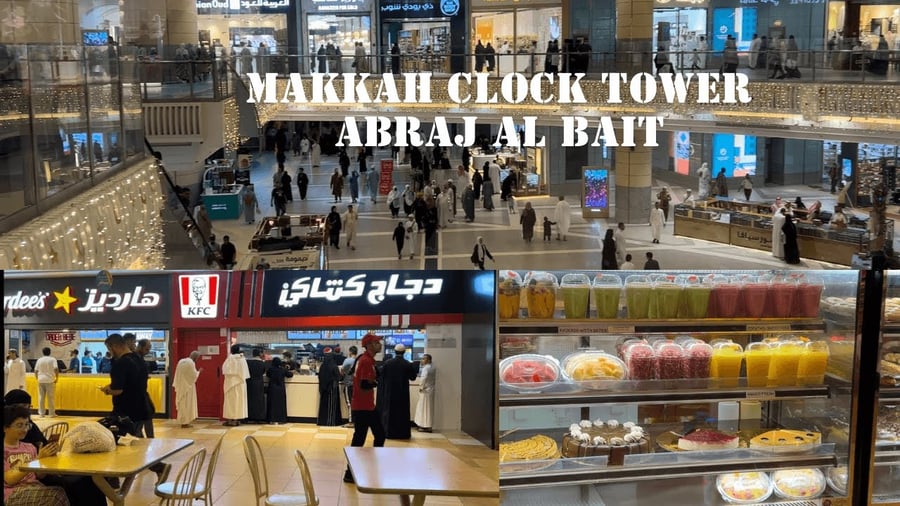
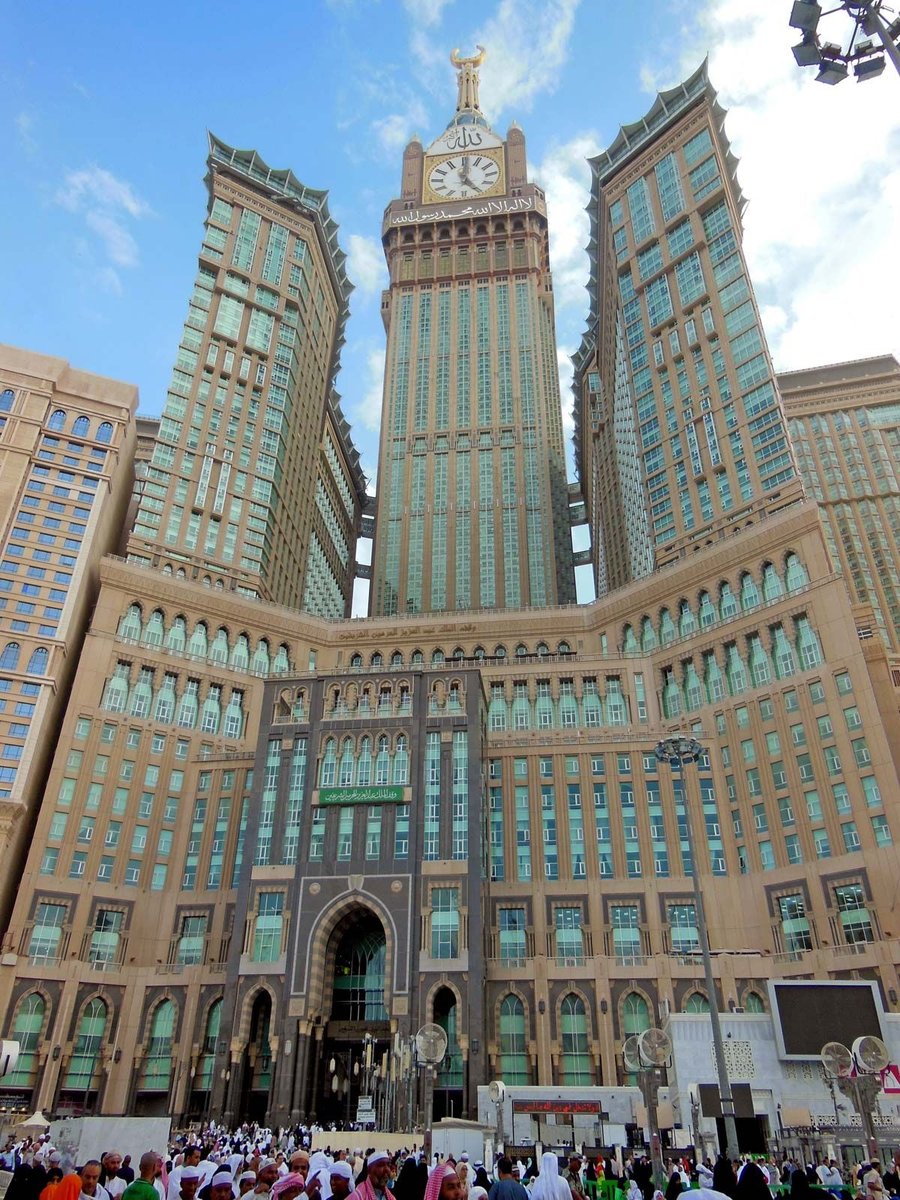
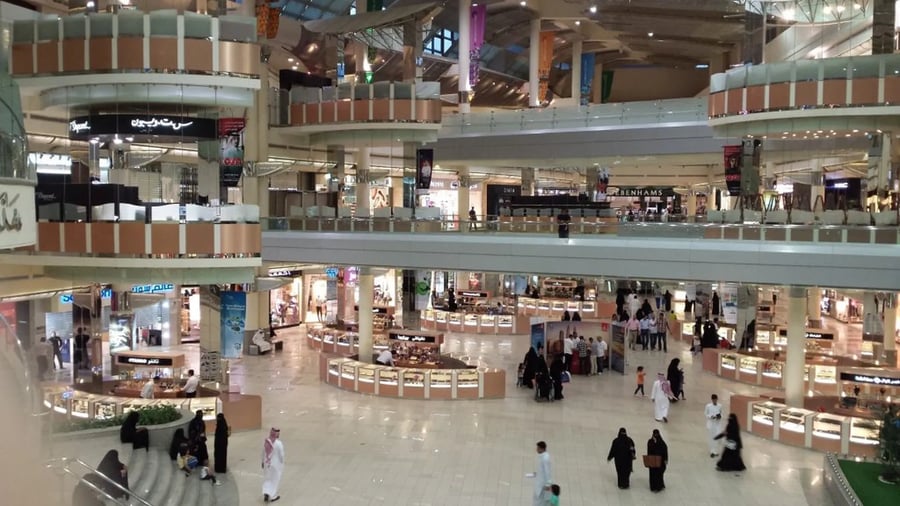
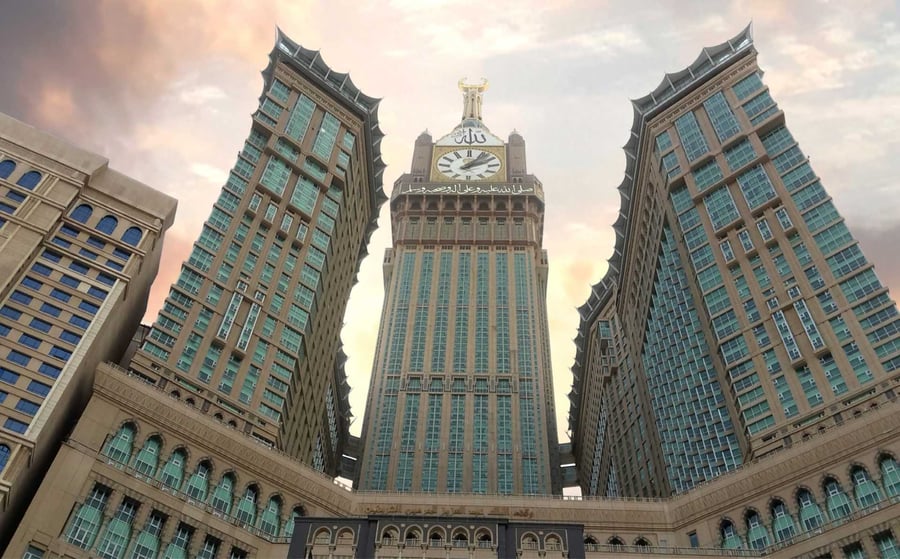
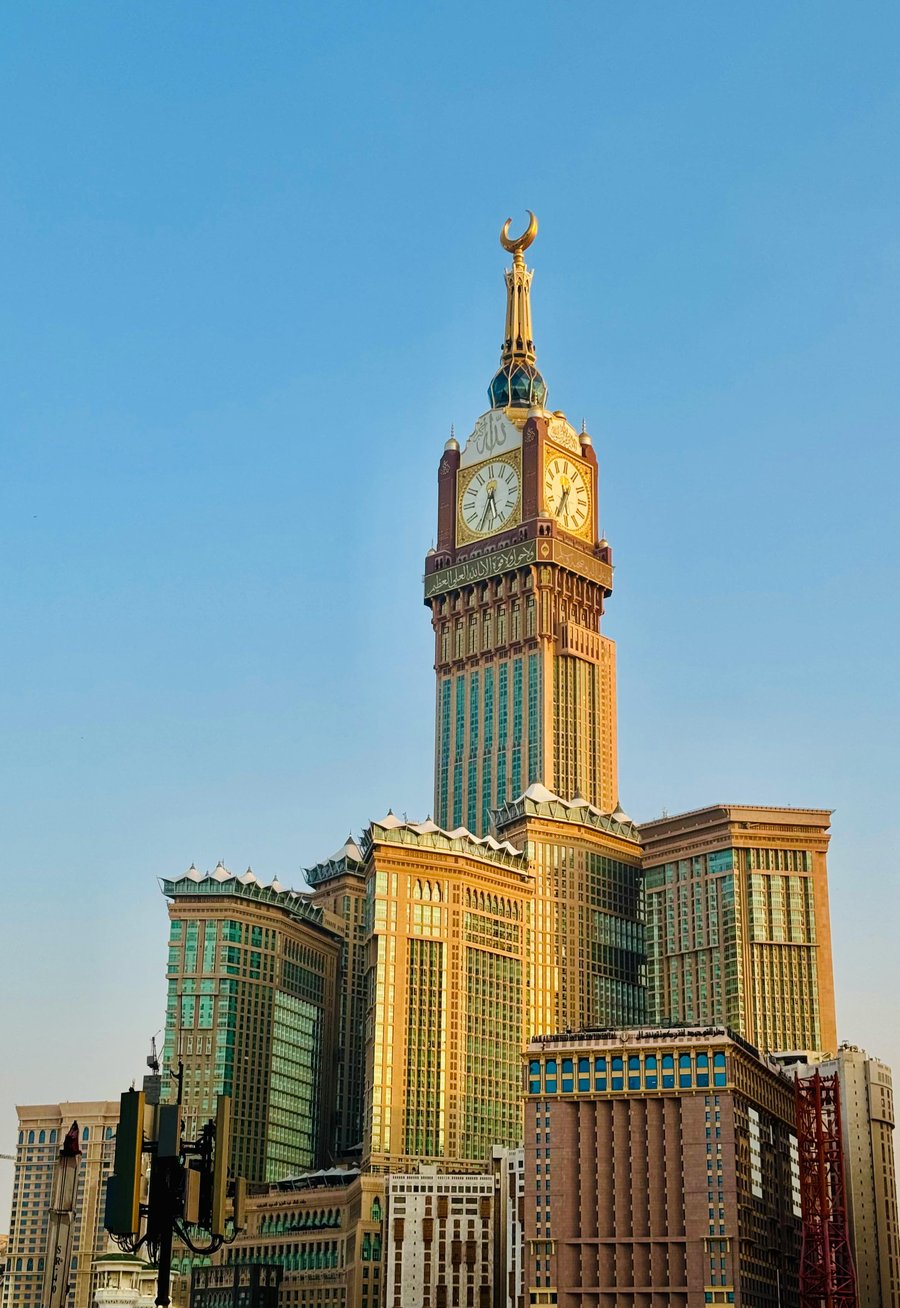
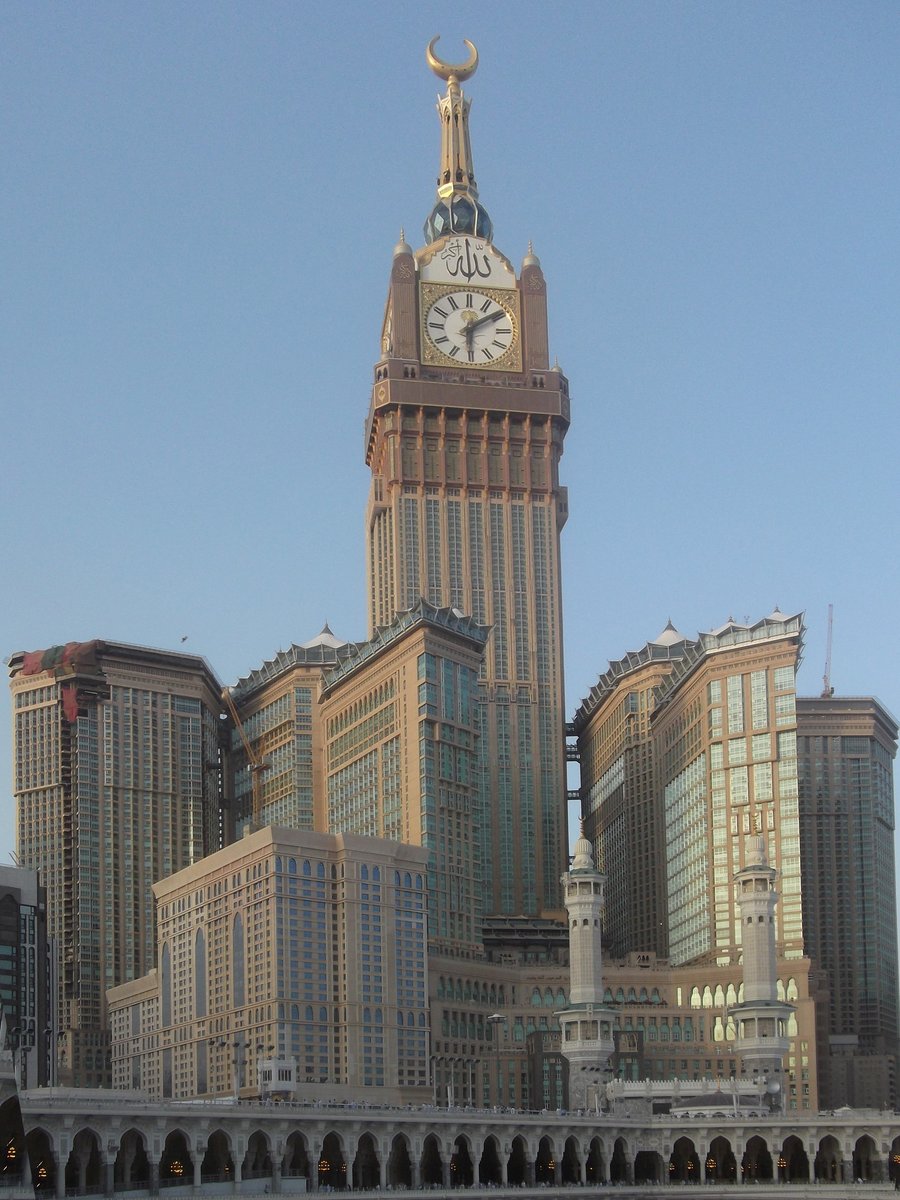
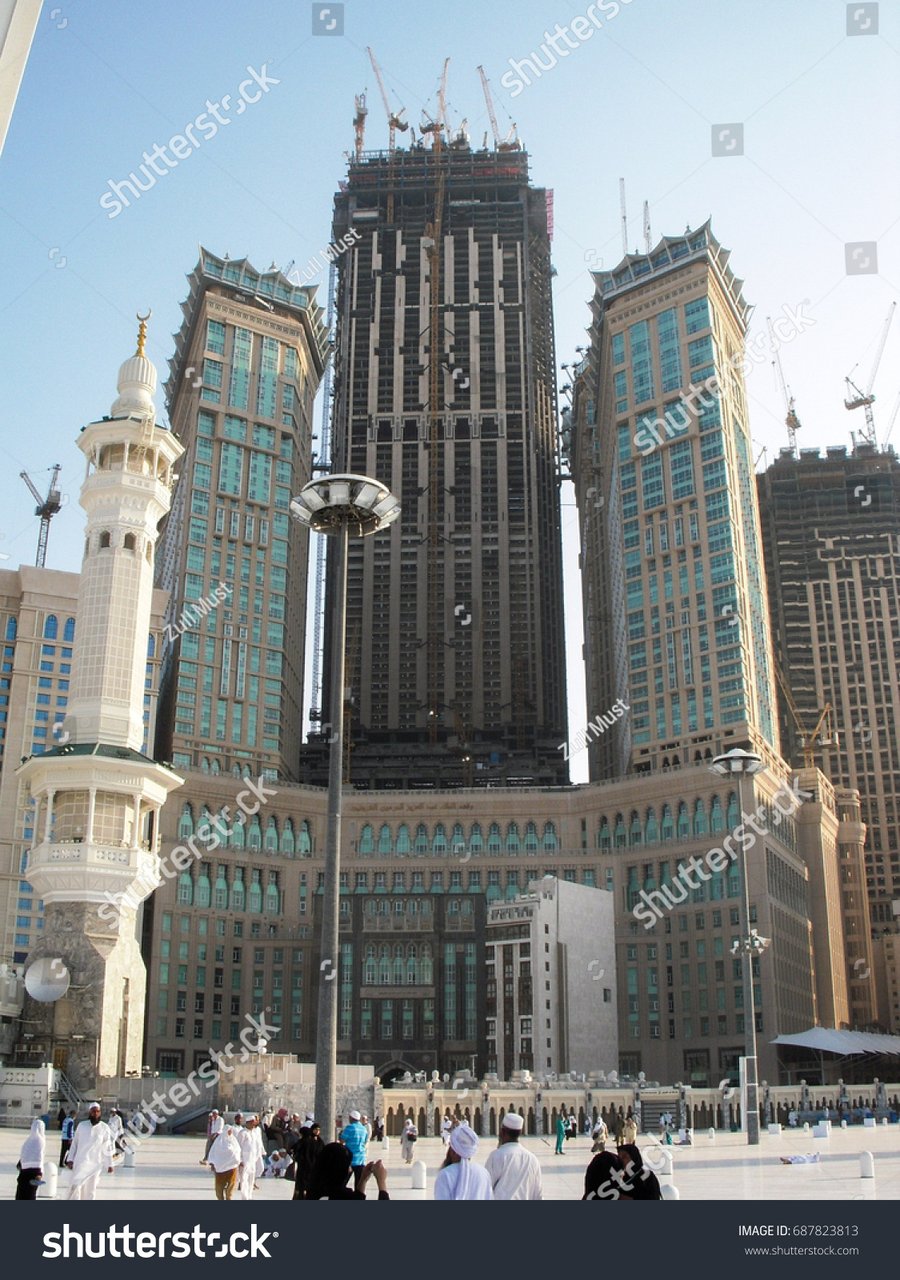
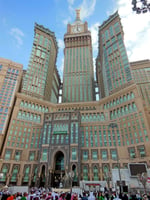
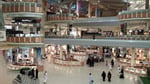
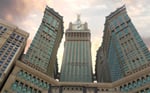
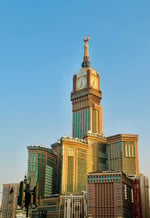
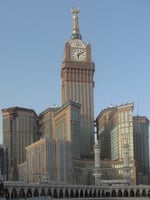
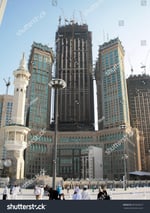
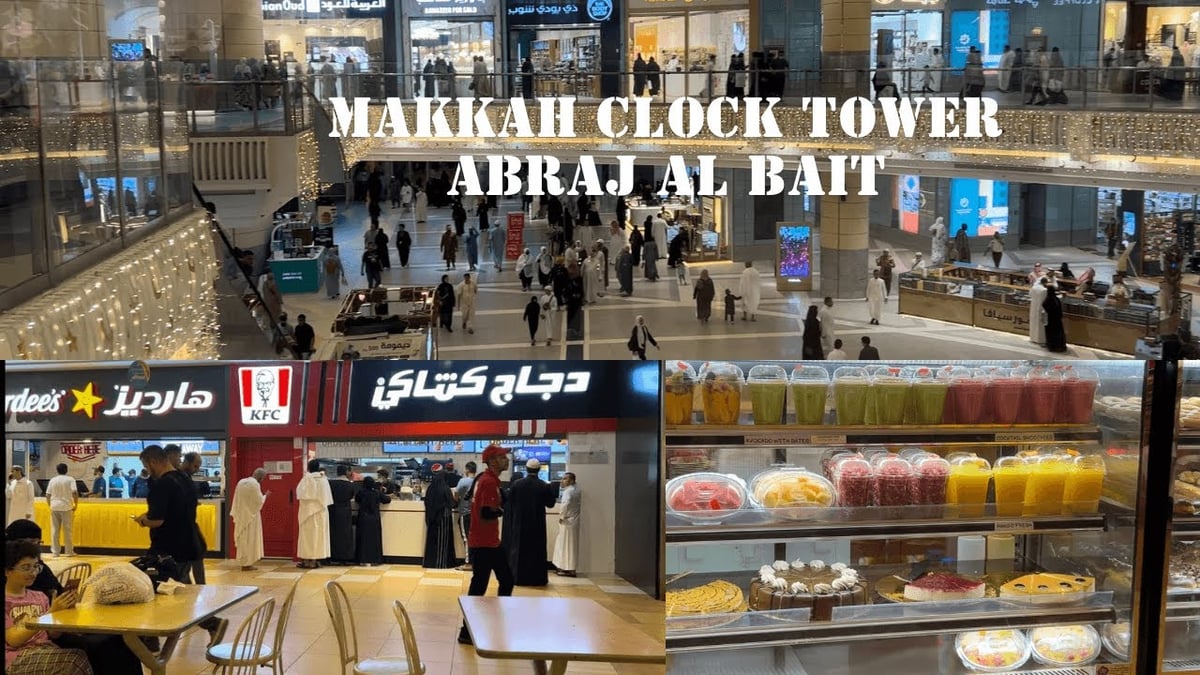
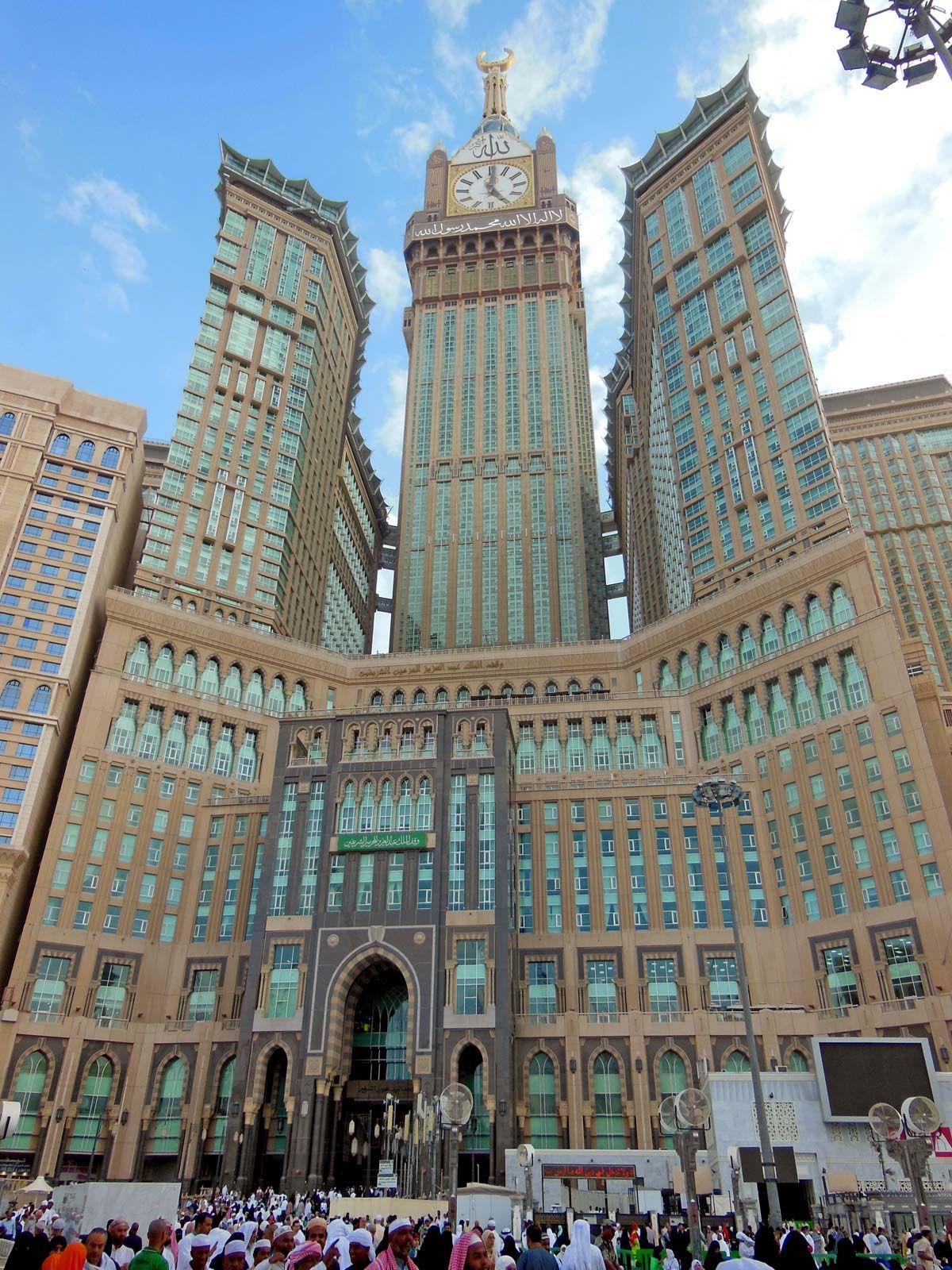
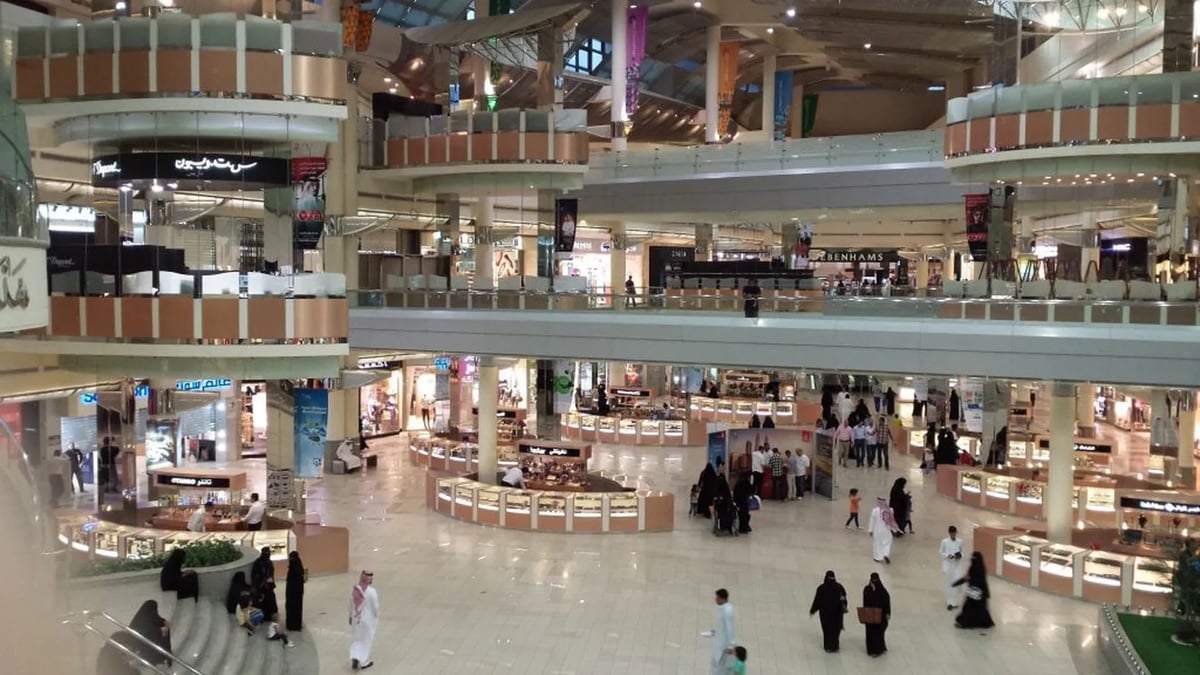
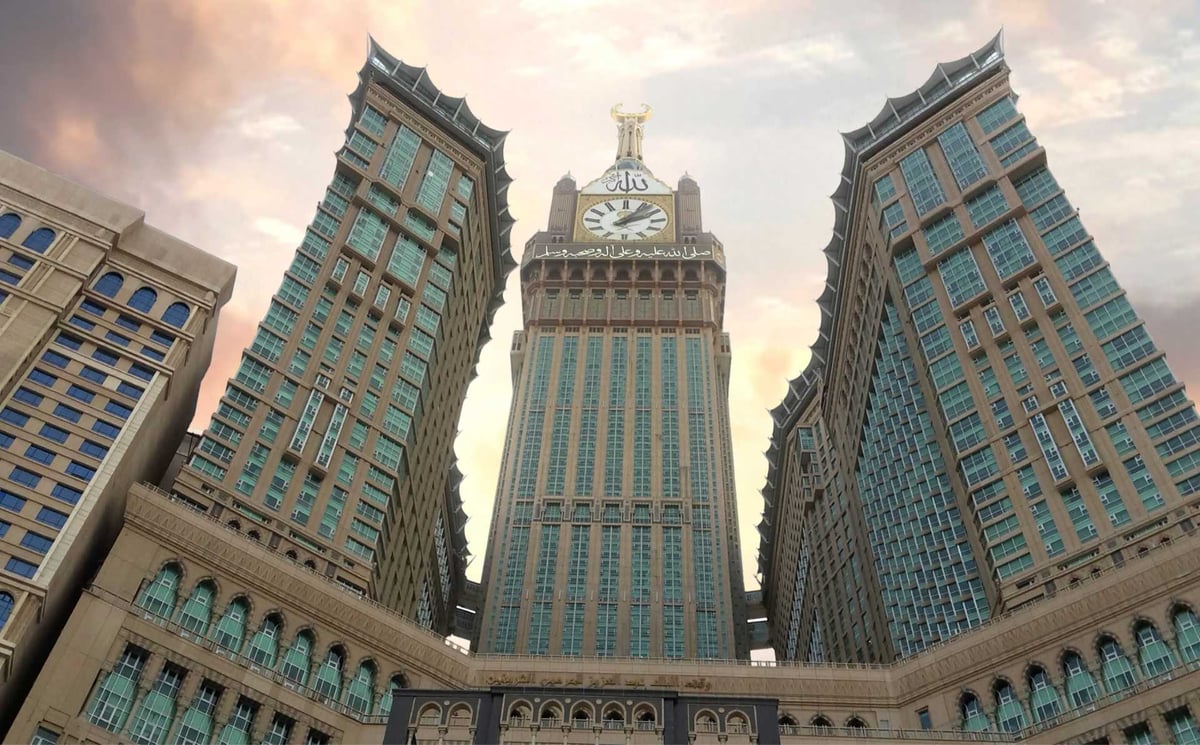
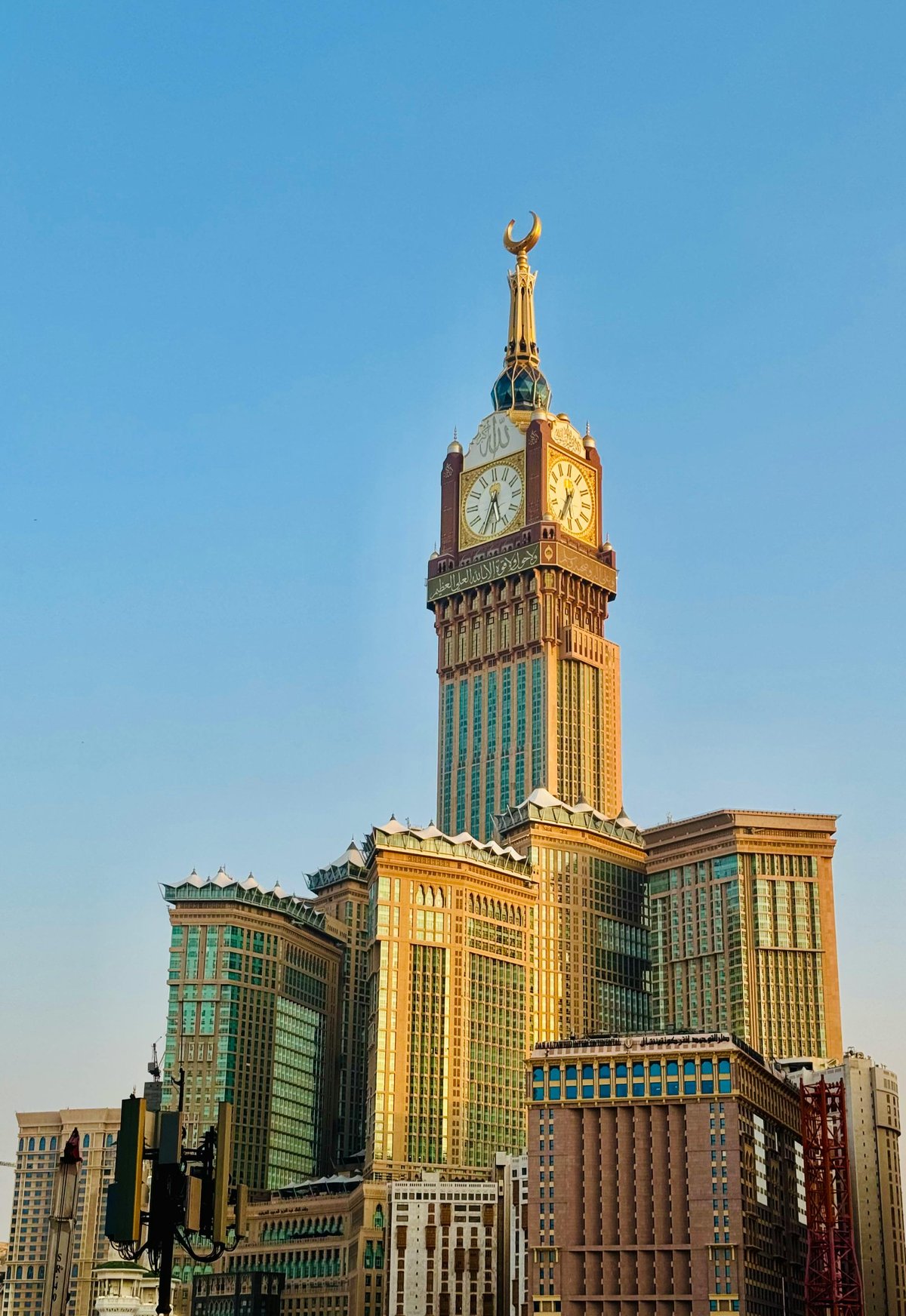
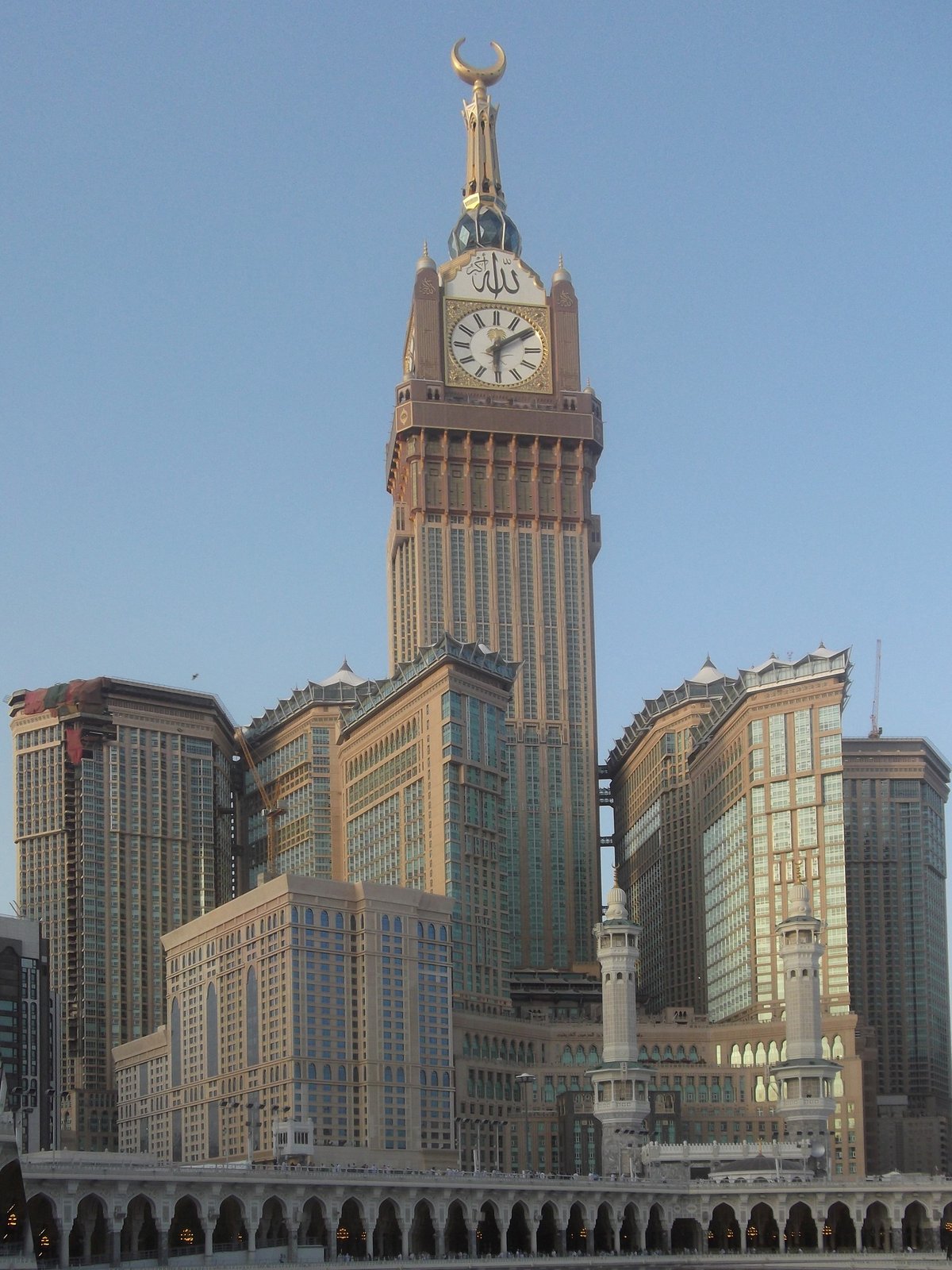
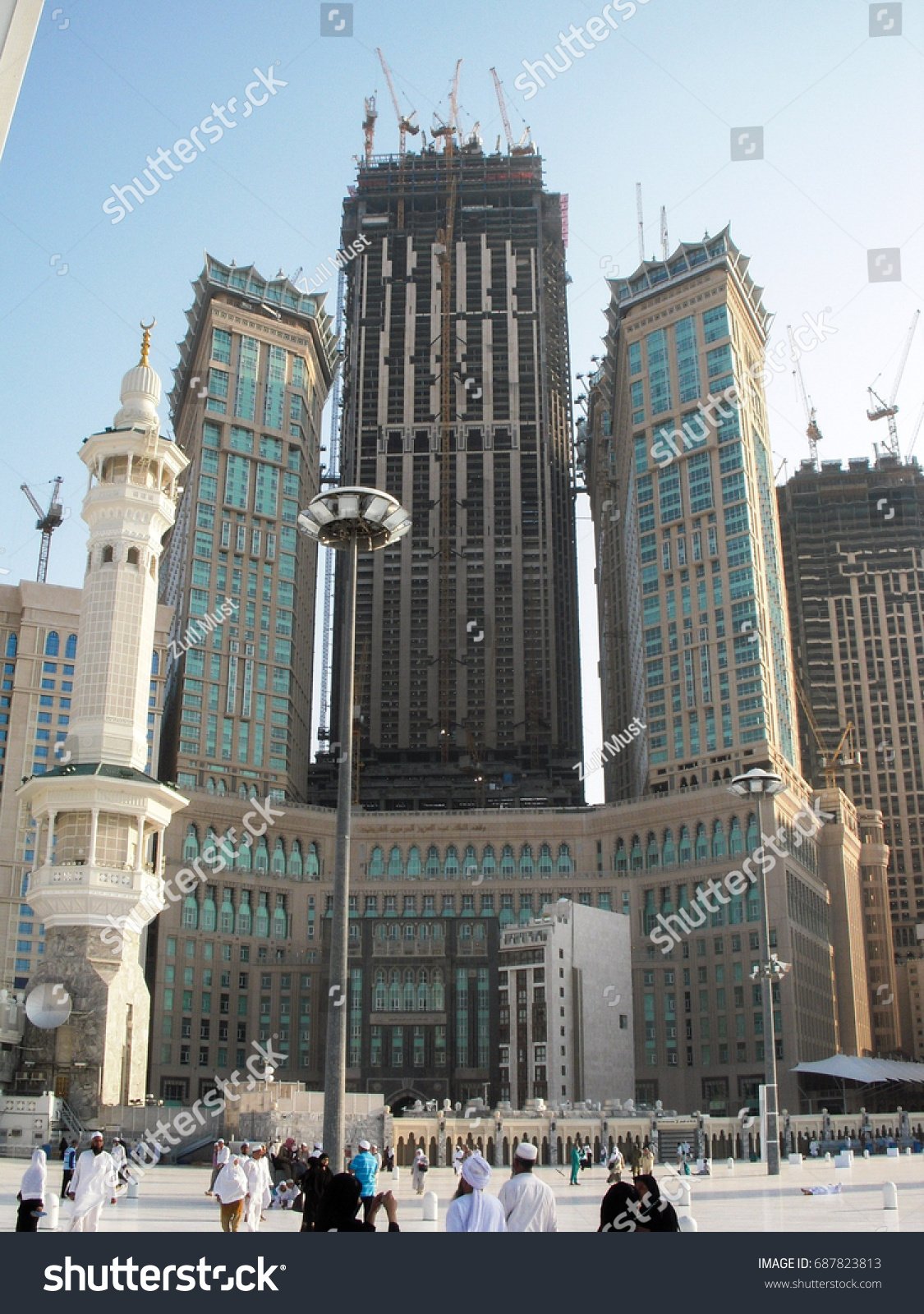
Abraj Al Bait Mall is situated in the heart of Mecca, immediately south of the Al Masjid Al Haram, within the Abraj Al Bait complex that includes the iconic Makkah Clock Tower, multiple luxury hotels, and residential units. Opened in 2007, the mall spans approximately 43,500 square meters of gross leasable area across six retail levels, featuring around 800 units. It serves as a primary retail destination for the citys 1.76 million residents and millions of annual pilgrims, with Meccas population projected to reach 2.1 million by 2028 at a 2.1% annual growth rate.
The tenant mix emphasizes essentials and gifting for pilgrims, anchored by a hypermarket, supermarket, and department stores, alongside categories such as fashion, perfumes and cosmetics, watches and jewelry, souvenirs, and quick-service restaurants. Notable international brands include Next, Guess, Gucci, Nine West, and Milano, complemented by local retailers and the Abraj Hypermarket for groceries and souvenirs.
Market position leverages proximity to the holy site, drawing from 17.5 million visitors in 2019 (including 21.8 million Hajj and Umrah pilgrims), forecasted to 26.6 million by 2028 under Vision 2030 initiatives expanding pilgrimage capacity. Visitor spending on retail, dining, and entertainment reached SAR 32.9 billion in 2019, expected to grow to SAR 65 billion by 2028, with average per diem spend rising from SAR 235 to SAR 289.
Leasing advantages include high footfall from pedestrian access to the Haram and integrated hotel traffic, supporting stable demand for pilgrim-oriented retail; however, challenges arise from seasonal fluctuations, with peaks during Hajj and Ramadan contrasting quieter periods. Occupancy aligns with Saudi mall averages of 92%, though specific rates are unavailable. No on-site parking poses access hurdles, relying on public transport like the Haramain High-Speed Rail.
Competition from nearby developments like Jabal Omar adds pressure, while the young demographic (67% under 40) and average household income of SAR 11,900 drive spending on food, clothing, and recreation, though non-Muslim entry restrictions limit broader tourism.
Overall, the property offers robust potential for retailers targeting religious visitors but requires strategies to mitigate overcrowding and pricing sensitivities.
Interested in this property?
Choose how you'd like to proceed
Advertise at this property?
Reach high-intent shoppers across digital screens, atria, and experiential placements.
Hours of Operation
Hours
| Monday | 12:00 AM — 11:59 PM |
| Tuesday | 12:00 AM — 11:59 PM |
| Wednesday | 12:00 AM — 11:59 PM |
| Thursday | 12:00 AM — 11:59 PM |
| Friday | 12:00 AM — 11:59 PM |
| Saturday | 12:00 AM — 11:59 PM |
| Sunday | 12:00 AM — 11:59 PM |
Hours may vary on public holidays. Check with individual stores for specific holiday schedules.
Insights
Demographics and Catchment Profile
Mecca's population stands at 1.76 million (2020), with 53% Saudi nationals and 67% under age 40, including 30% under 20. Household count is 320,000, growing to 380,000 by 2028, averaging 5.5 members and SAR 11,900 monthly income. Pilgrims form 41% international (53% Asian, 22% North African) and 59% domestic, totaling 21.8 million visits in 2019 (2.5 million Hajj, 19.3 million Umrah), projected to 25 million by 2028. Catchment includes 1.9 million residents and 18 million visitors in 2024, with spending skewed toward essentials (SAR 12,400 monthly household expenditure, higher on food and clothing). Youthful skew and pilgrim influx support retail in fashion and souvenirs, but expatriate reductions from Saudisation policies may temper non-religious spending.
Competition and Market Saturation
Abraj Al Bait faces competition from nearby projects like Jabal Omar (expanding retail) and Al Safwah Towers within 5 km, alongside other Mecca malls such as the Mall of Arabia. Saudi retail occupancy averages 92%, stable amid 2025 competition, but Mecca's market is saturated with pilgrim-focused venues. Visitor retail spend hit SAR 39 billion in 2024 (SAR 3,275 inbound, SAR 620 domestic), yet seasonal peaks (Ramadan, Hajj) strain capacity, with quieter months risking lower turnover. Vision 2030 boosts infrastructure, but regulatory pilgrimage quotas and economic factors like expat fees introduce volatility. Retailers must differentiate via unique pilgrim offerings to counter saturation in souvenirs and F&B categories.
Accessibility and Operational Challenges
Pedestrian access from Al Masjid Al Haram drives footfall, enhanced by Haramain Rail and highways connecting to Jeddah Airport (62% Umrah arrivals). No on-site parking (0 spaces) relies on public options, potentially deterring drive-in shoppers amid high pilgrim crowds post-prayers. Operational quality includes prayer facilities for 10,000 and integrated hotel synergies, but aging infrastructure since 2007 and overcrowding during peaks (millions annually) pose risks like congestion and maintenance needs. Lease terms favor essentials/gifting over entertainment (no cinemas allowed), with higher pricing for branded goods noted in reviews. Balanced accessibility supports 99% religious visits, yet access issues and seasonal variability challenge consistent performance for non-pilgrim retail.
Building Details
Detailed Market Analytics
City Snapshot
Mecca
Comprehensive market intelligence for retail expansion in this city

Other Retail Destinations in Mecca
Discover more shopping centers in Mecca.
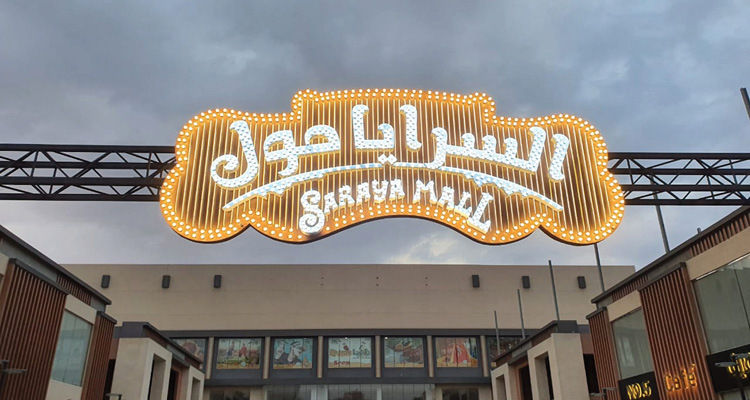
Popular in Saudi Arabia
Top retail destinations across Saudi Arabia.

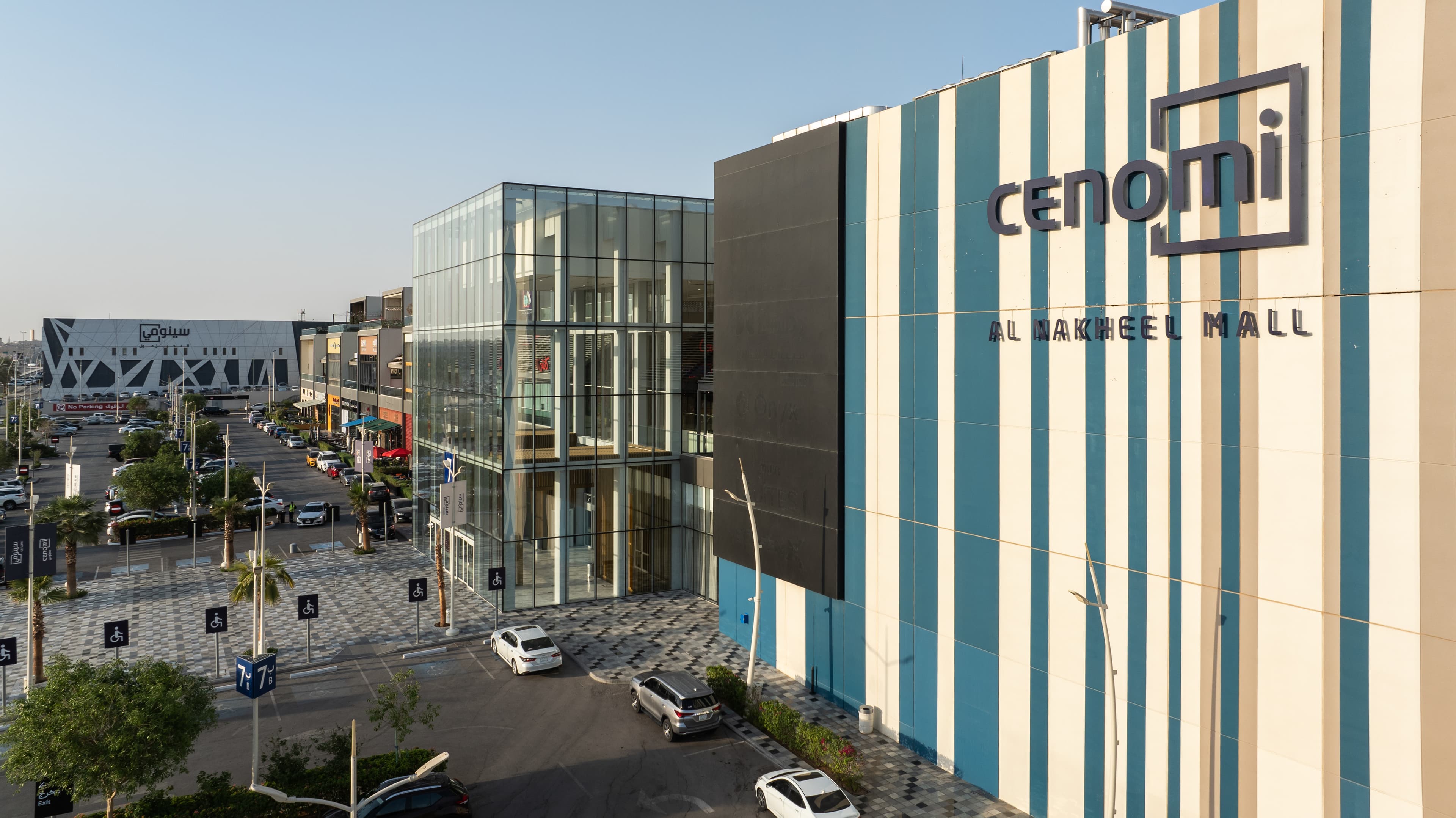

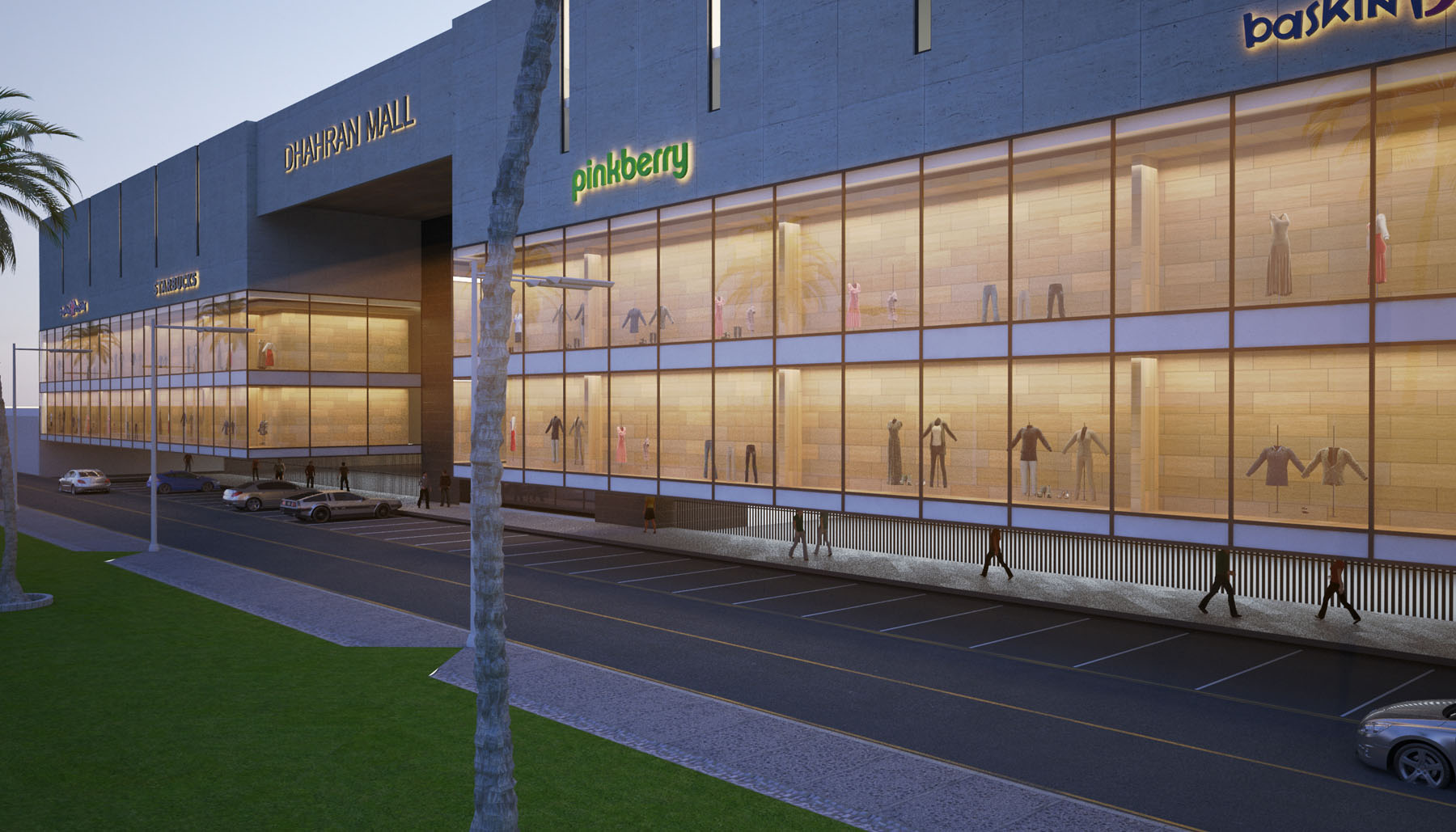
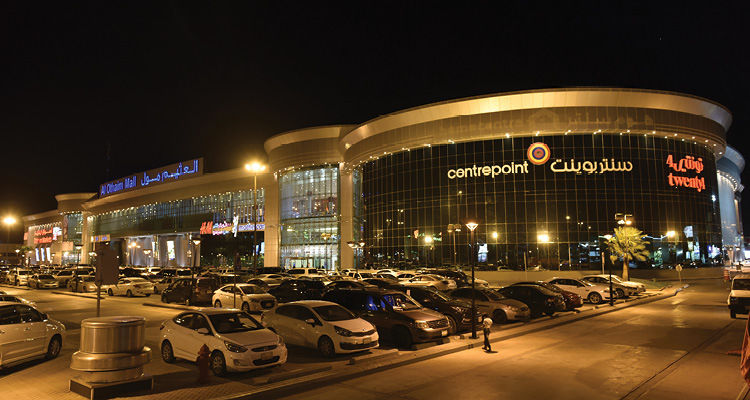
Interested in this property?
Choose how you'd like to proceed
Advertise at this property?
Reach high-intent shoppers across digital screens, atria, and experiential placements.
City Snapshot
Mecca
Comprehensive market intelligence for retail expansion in this city