
Brand Fit Snapshot
Best for:
Not ideal if:
Similar properties you might like:
Quick assessment - takes 30 seconds
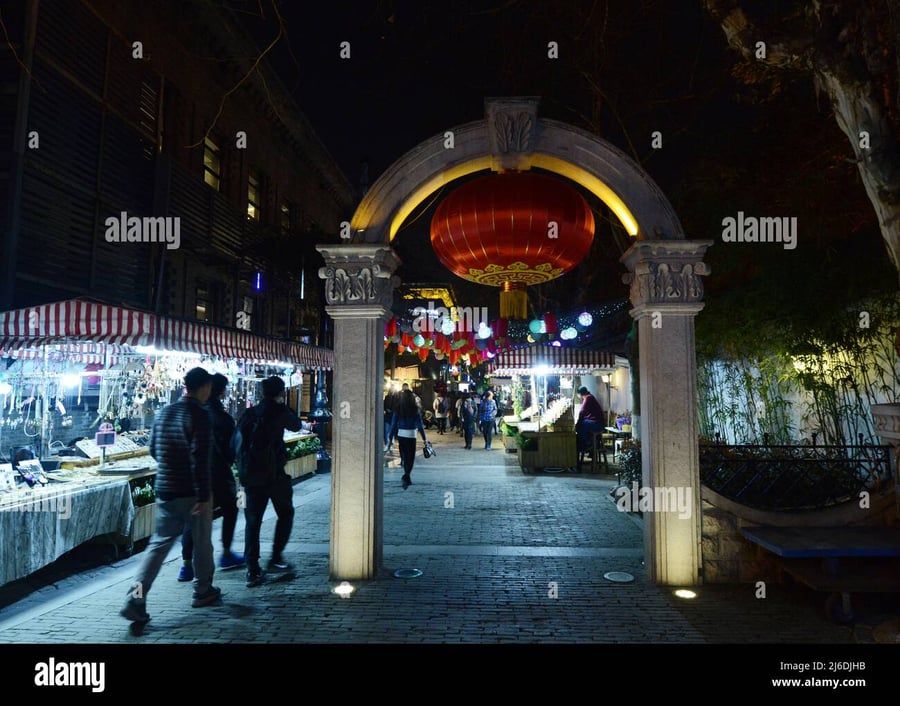
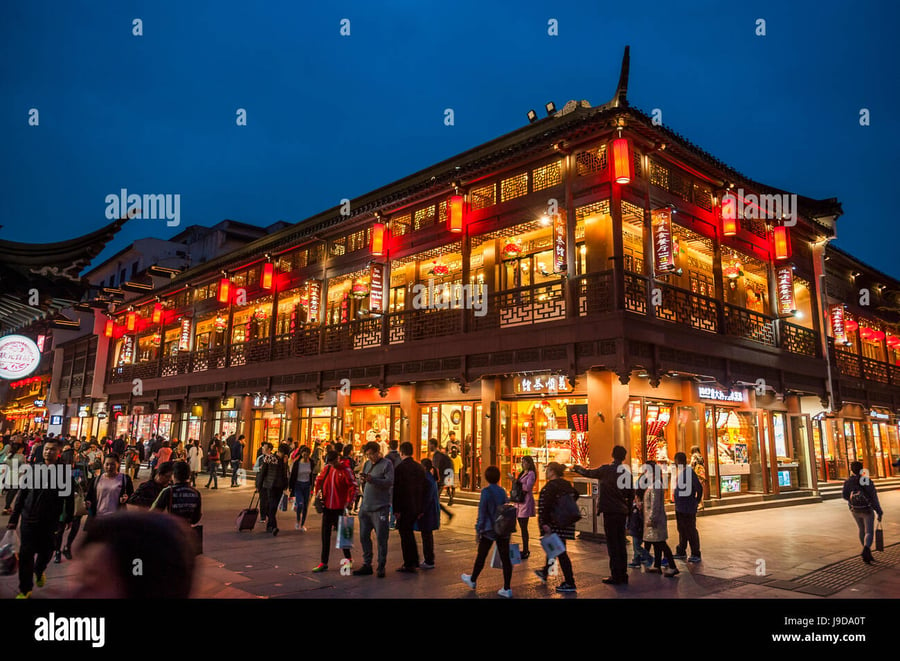
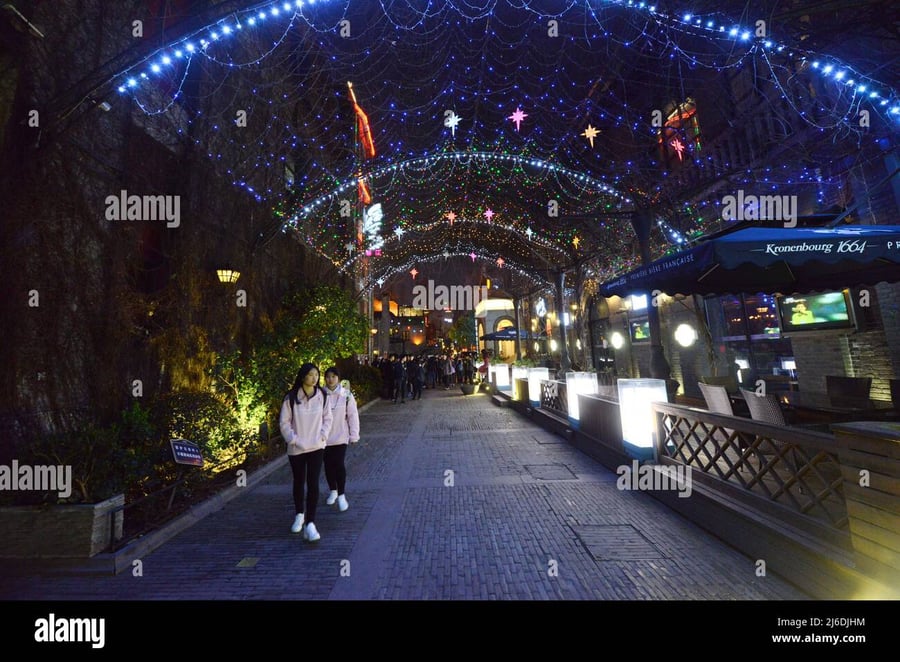
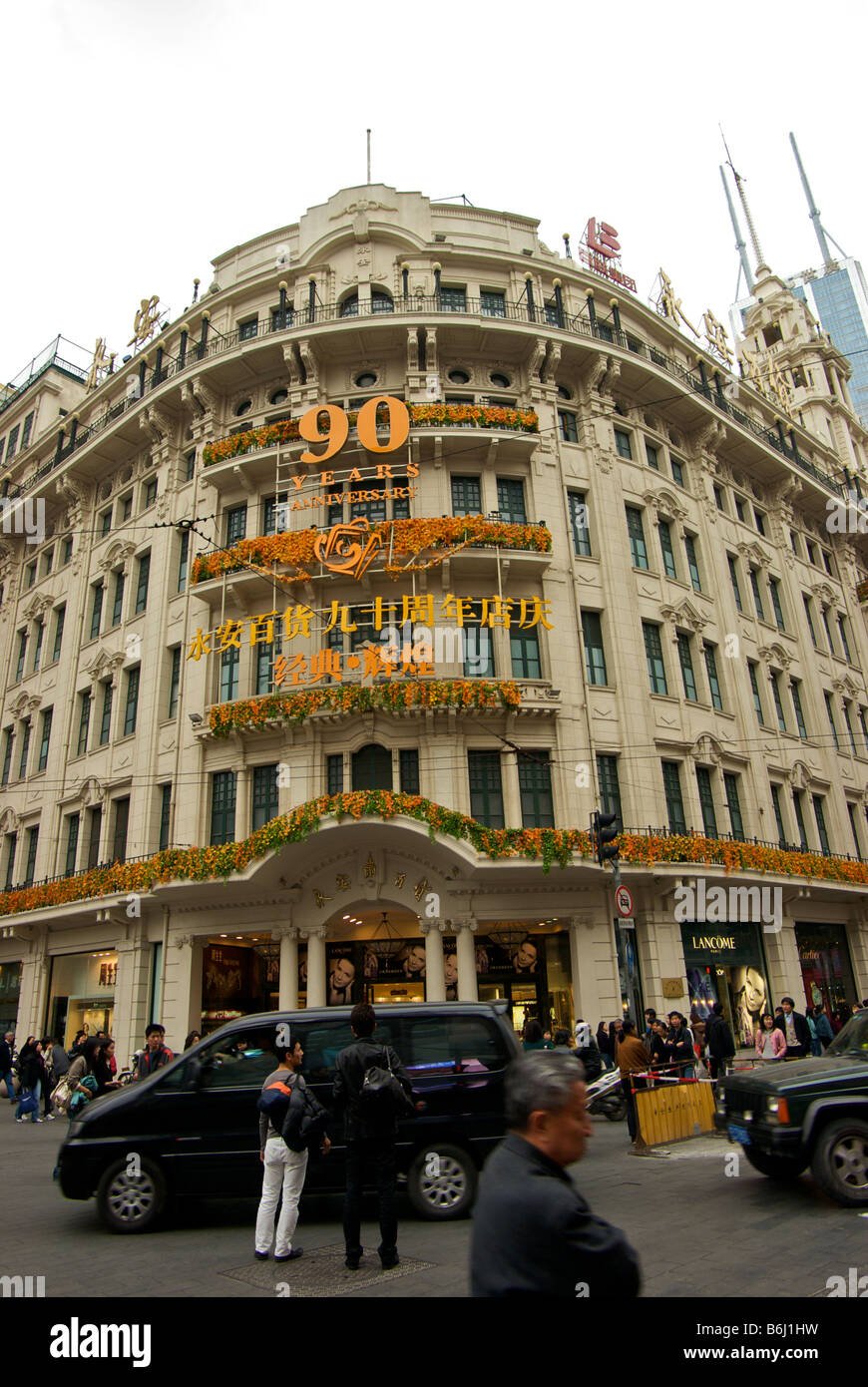
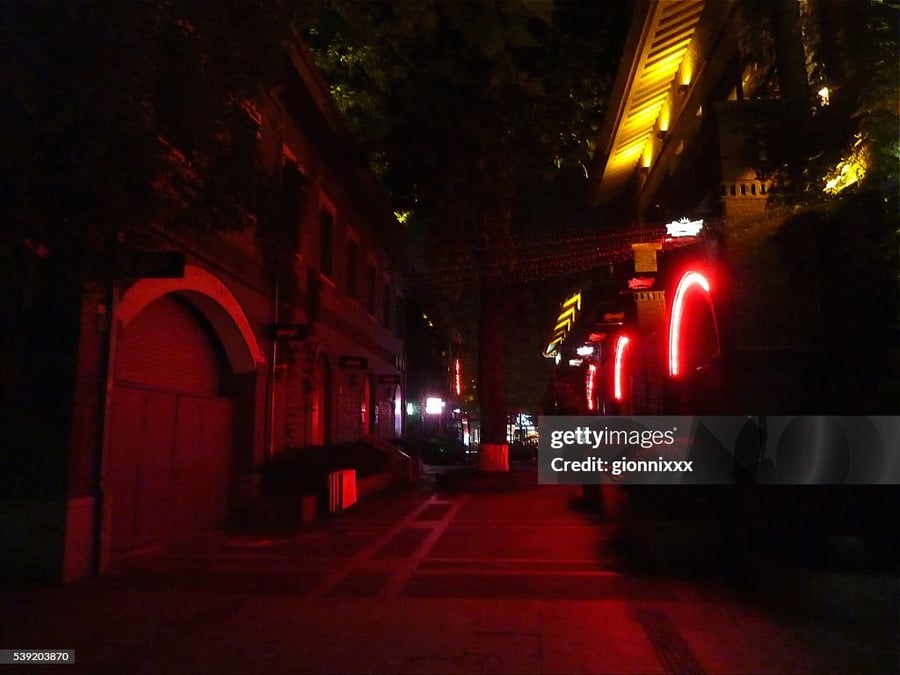
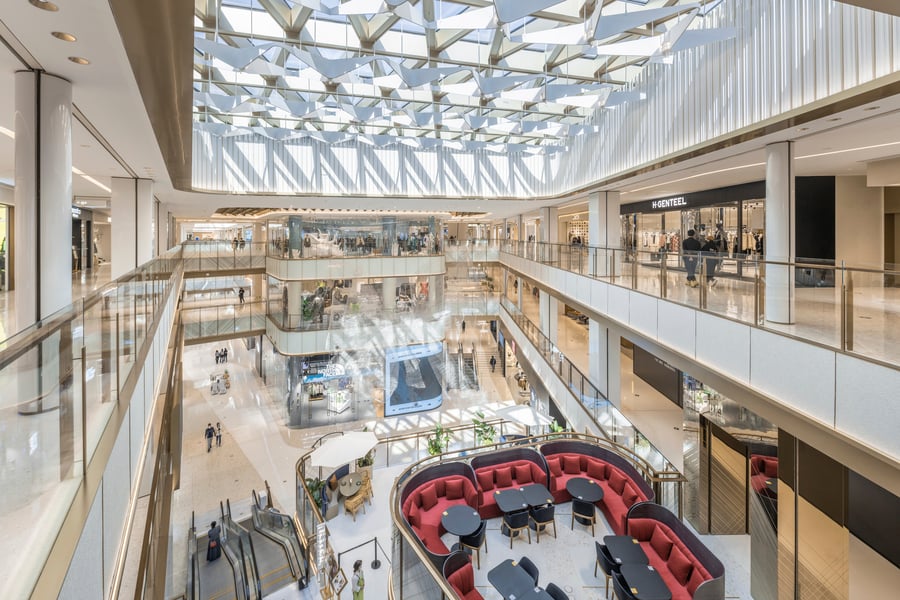
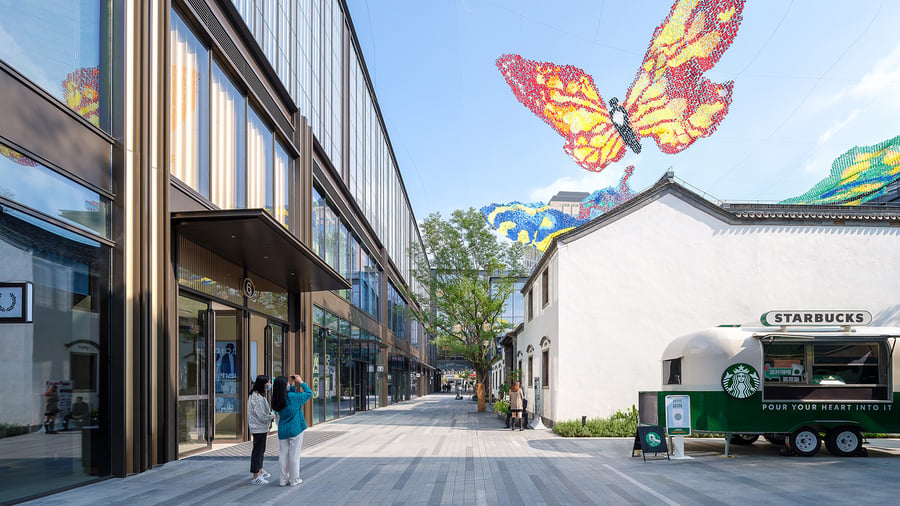
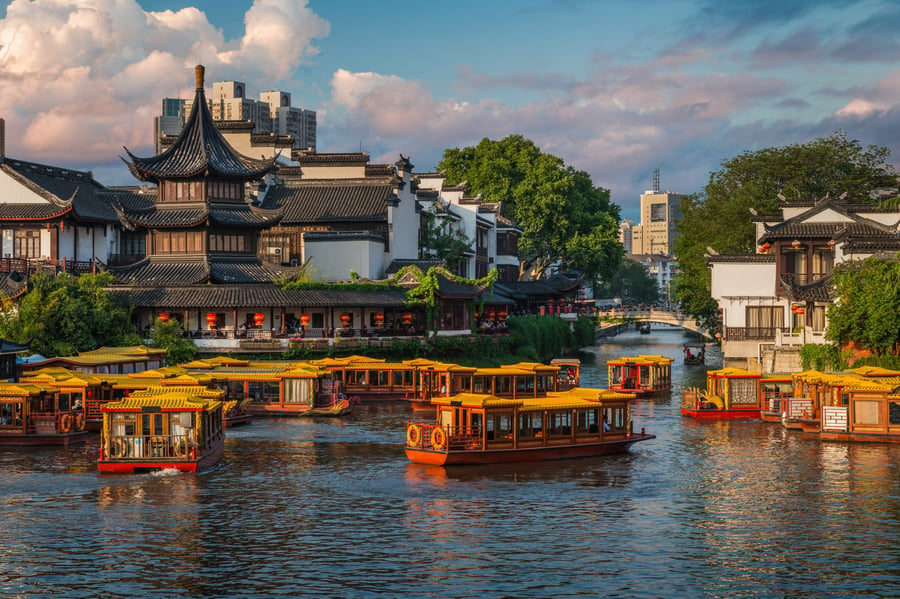
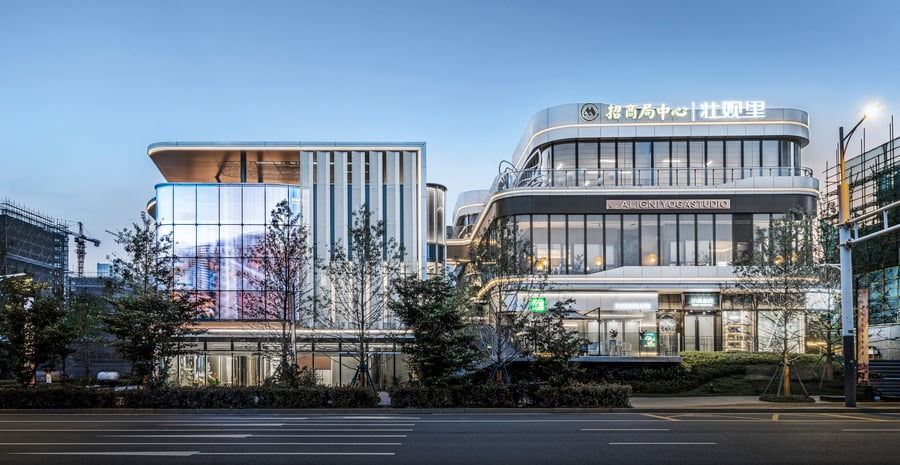
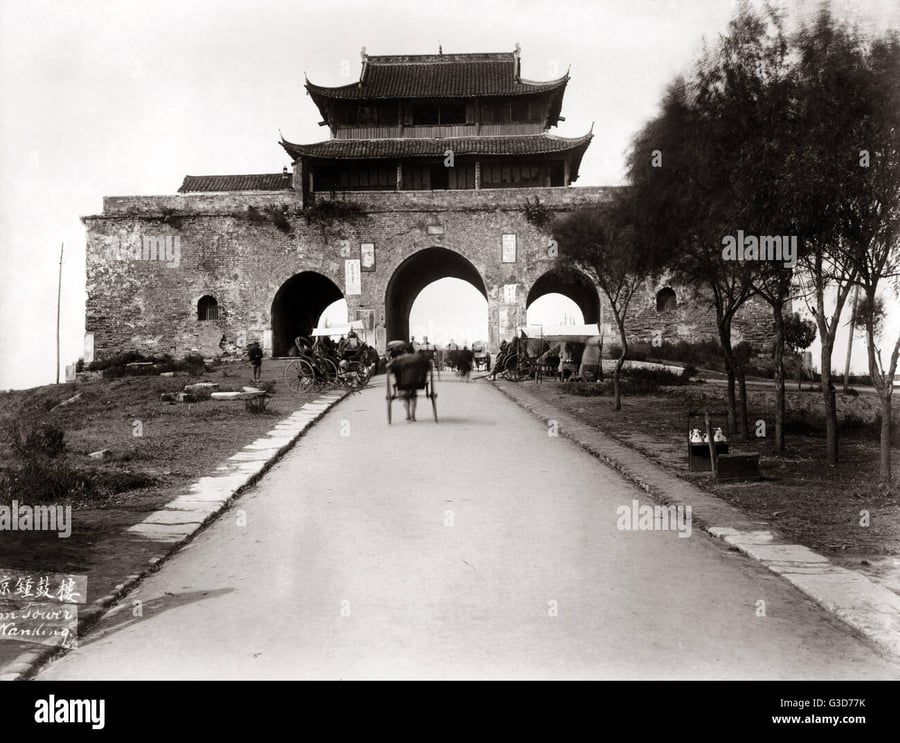
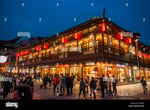
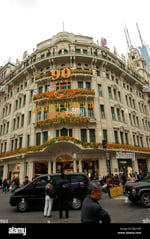
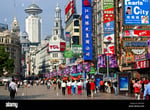
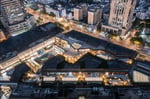
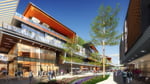
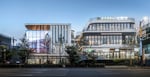
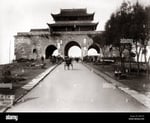
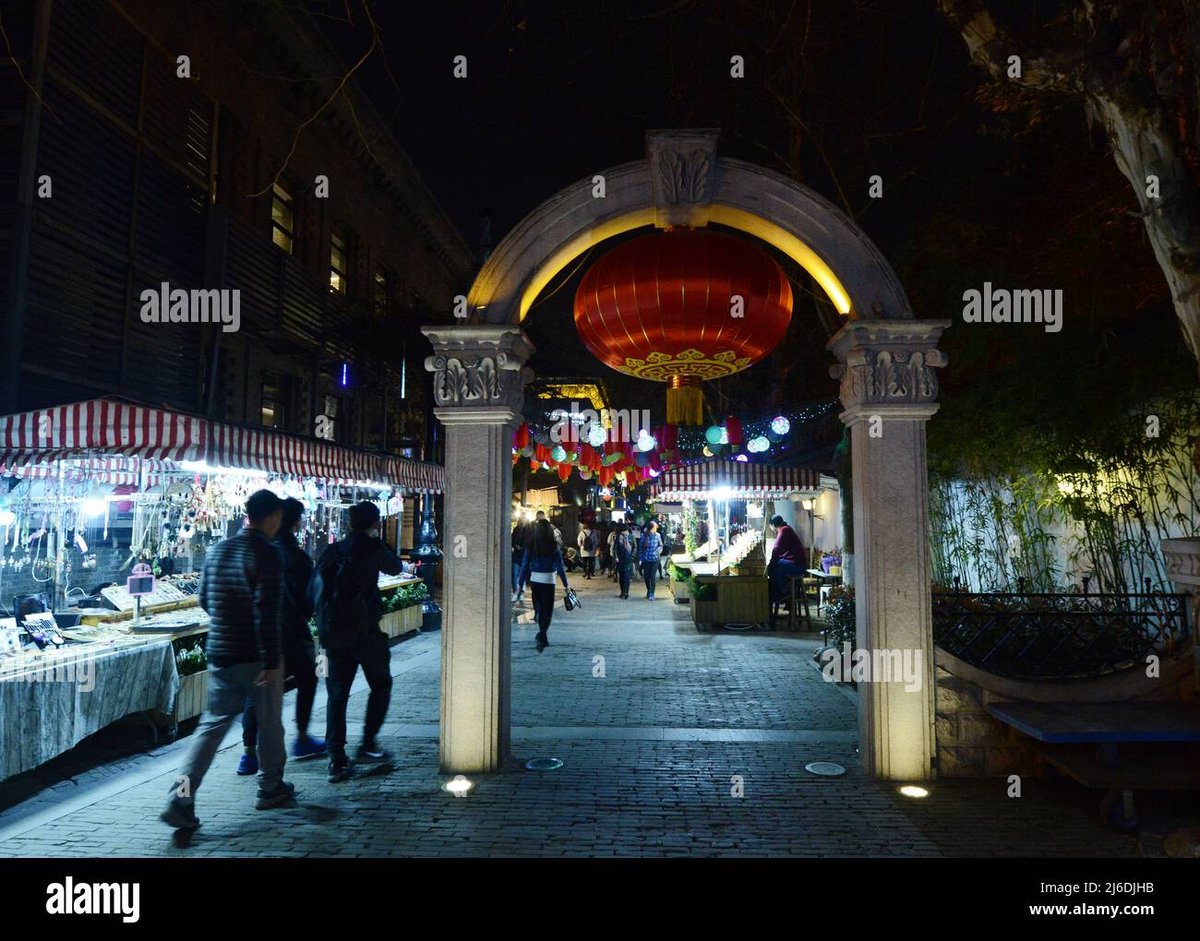
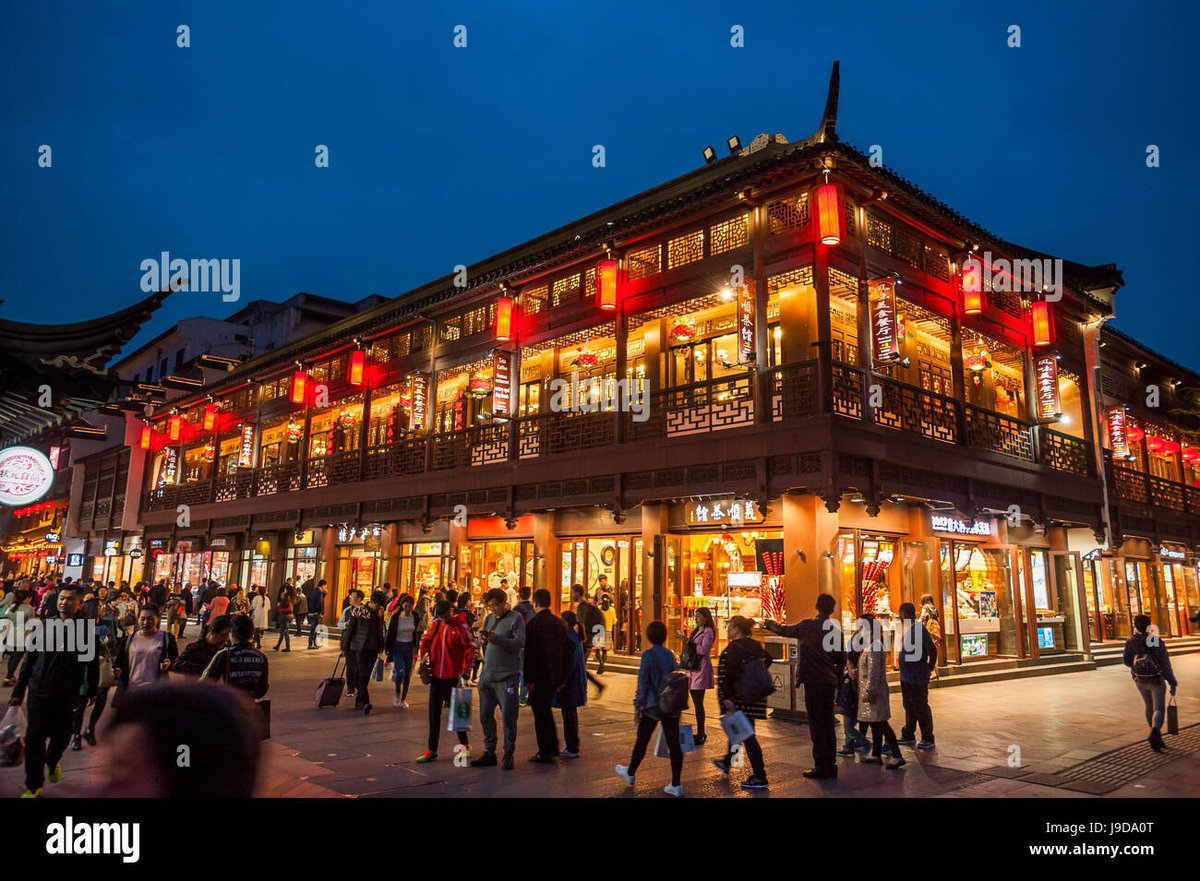
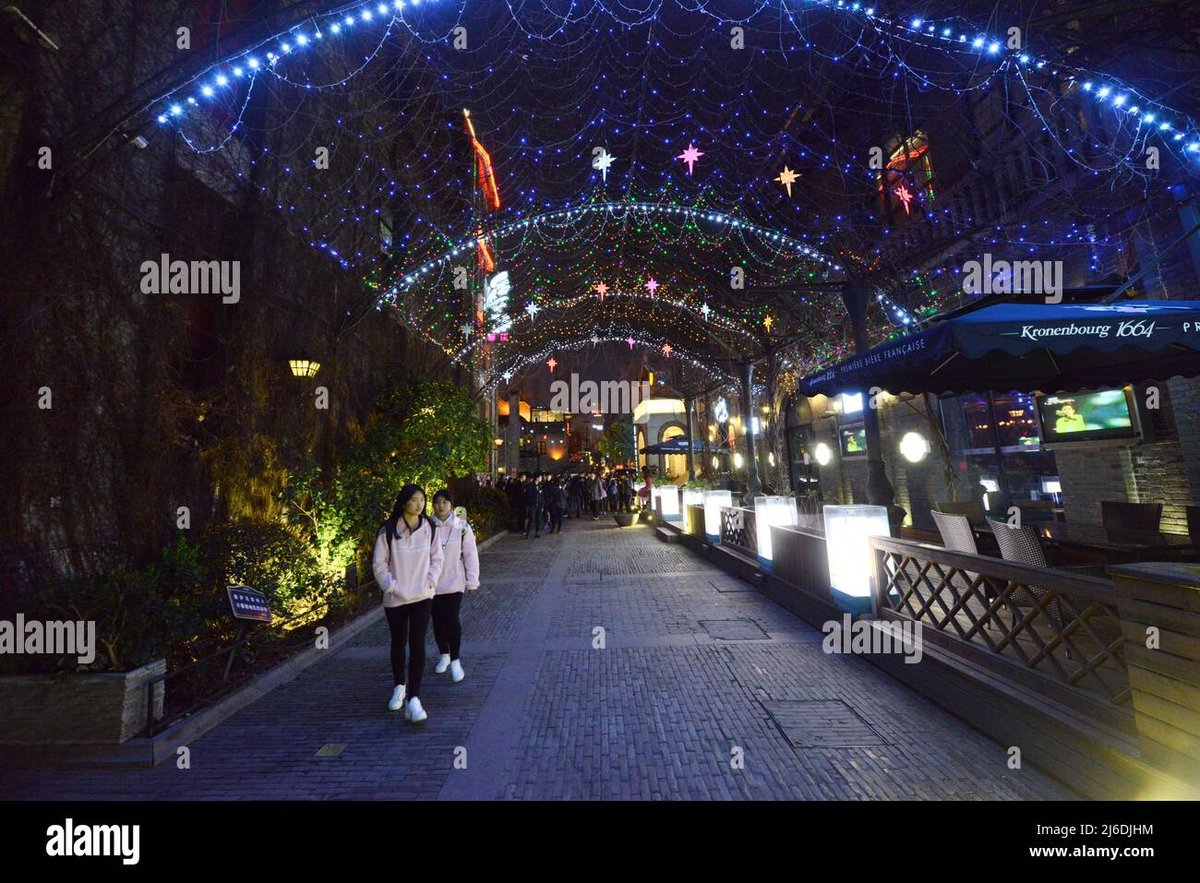
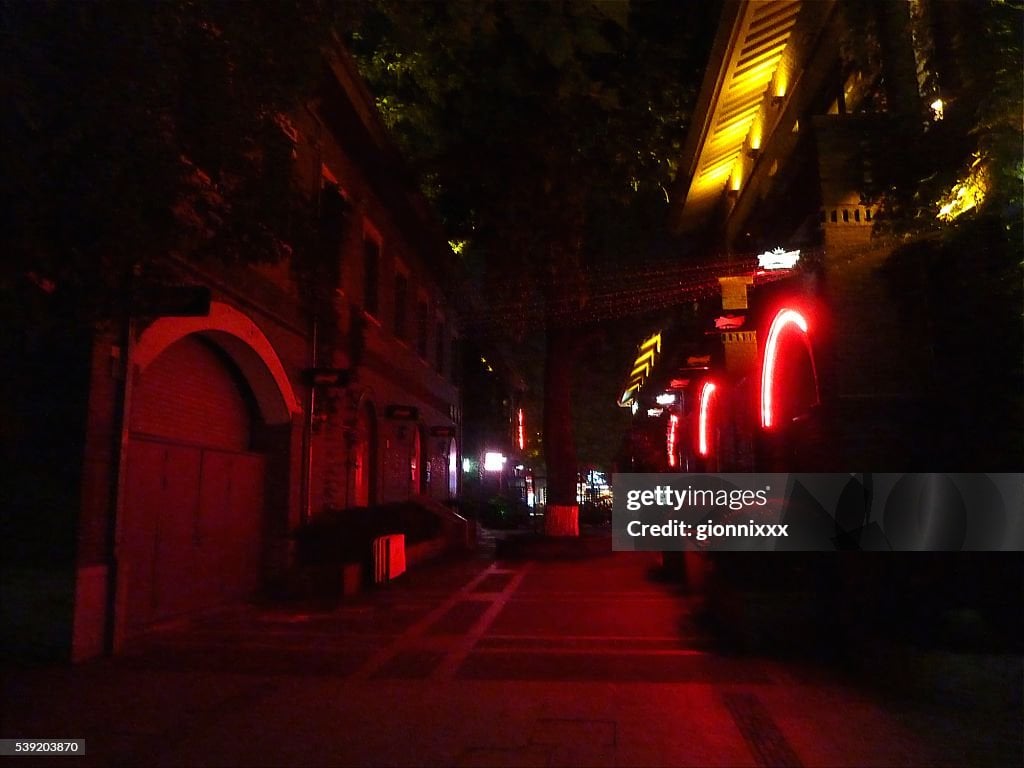
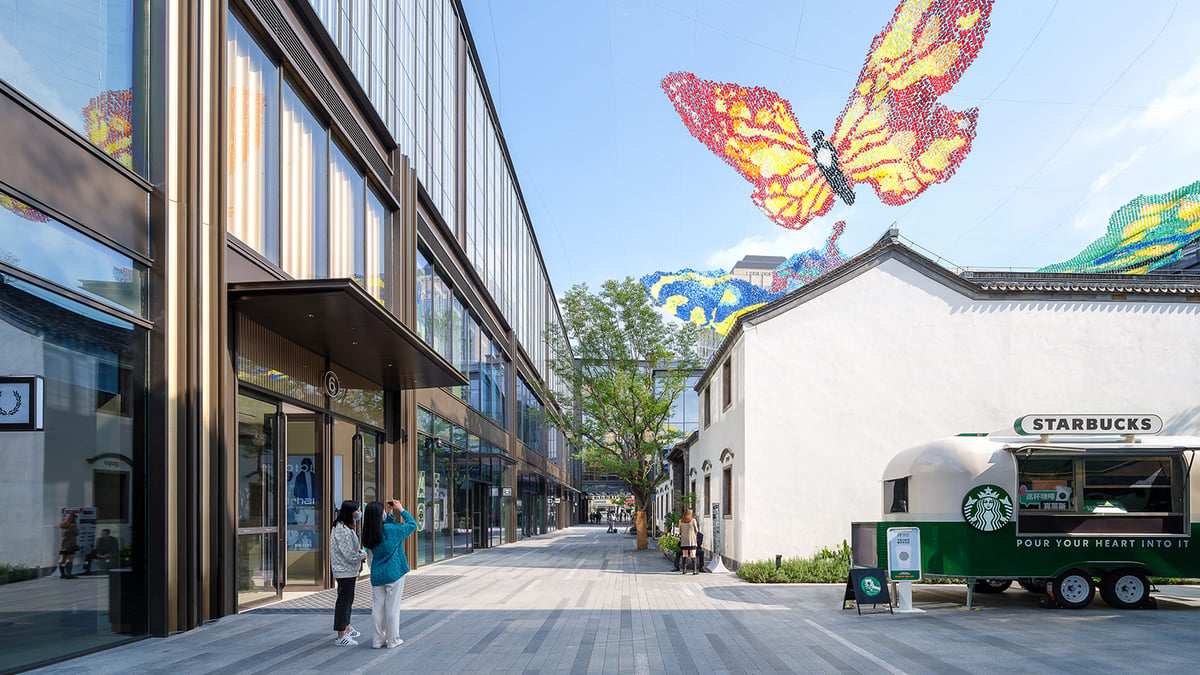
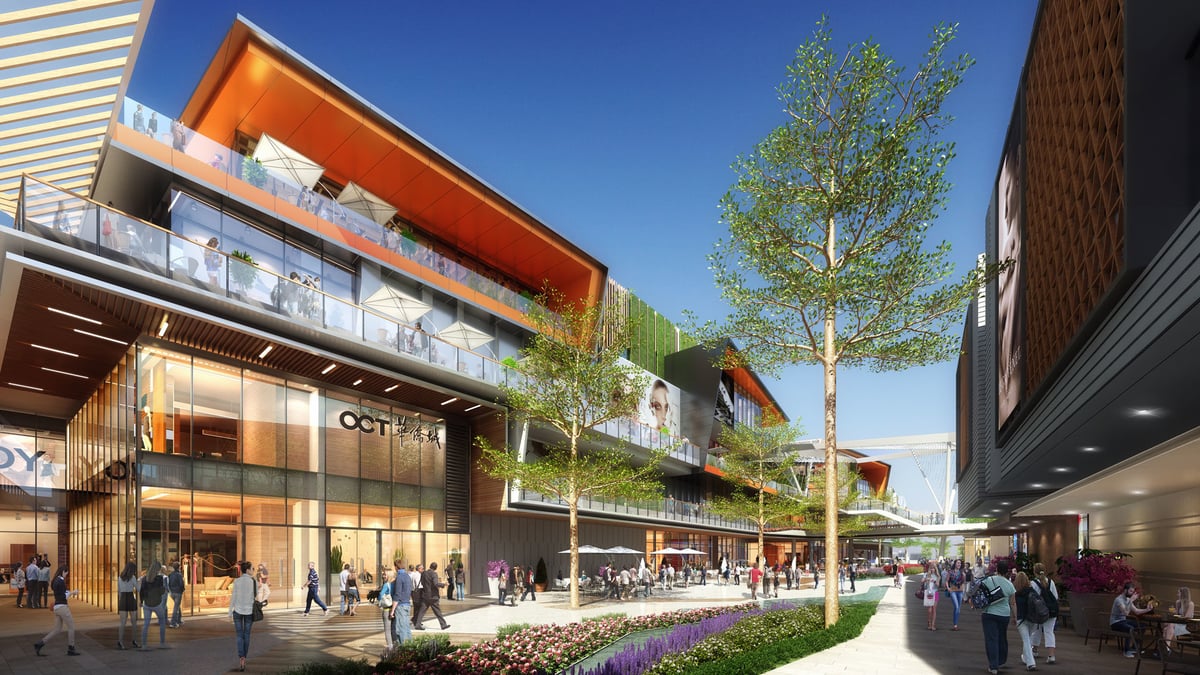
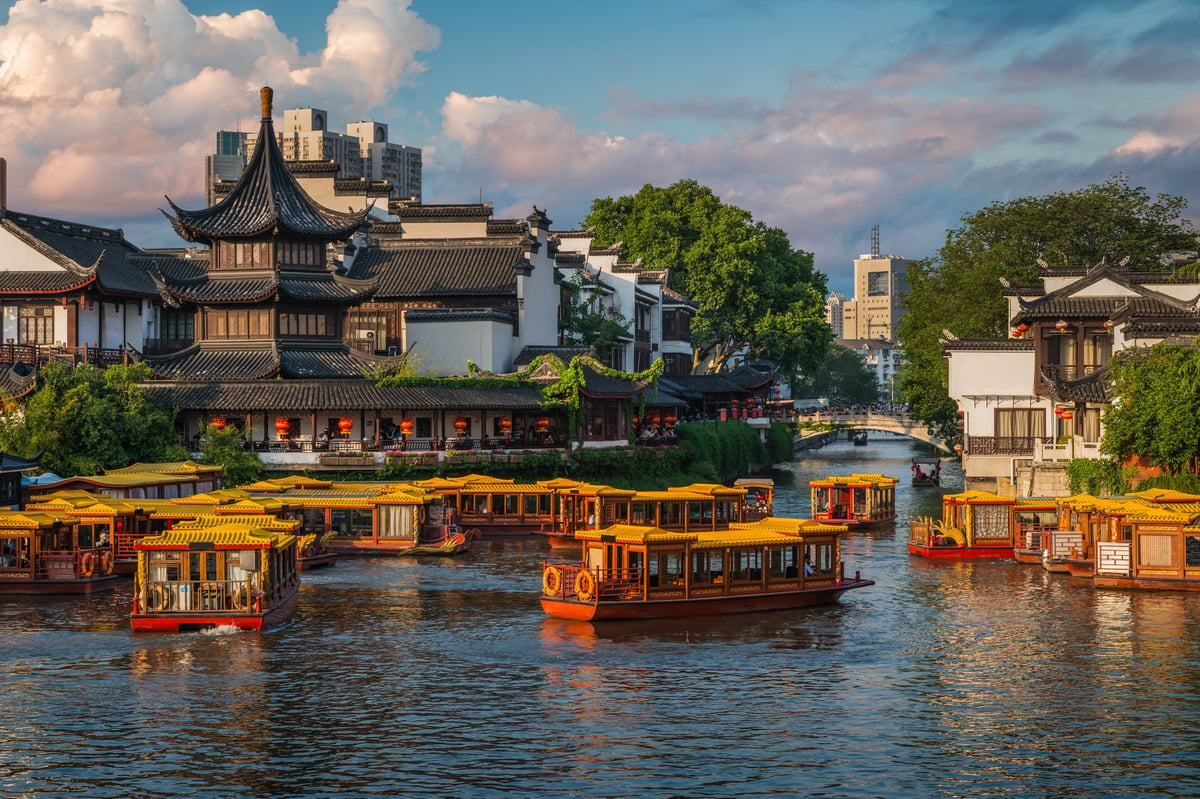
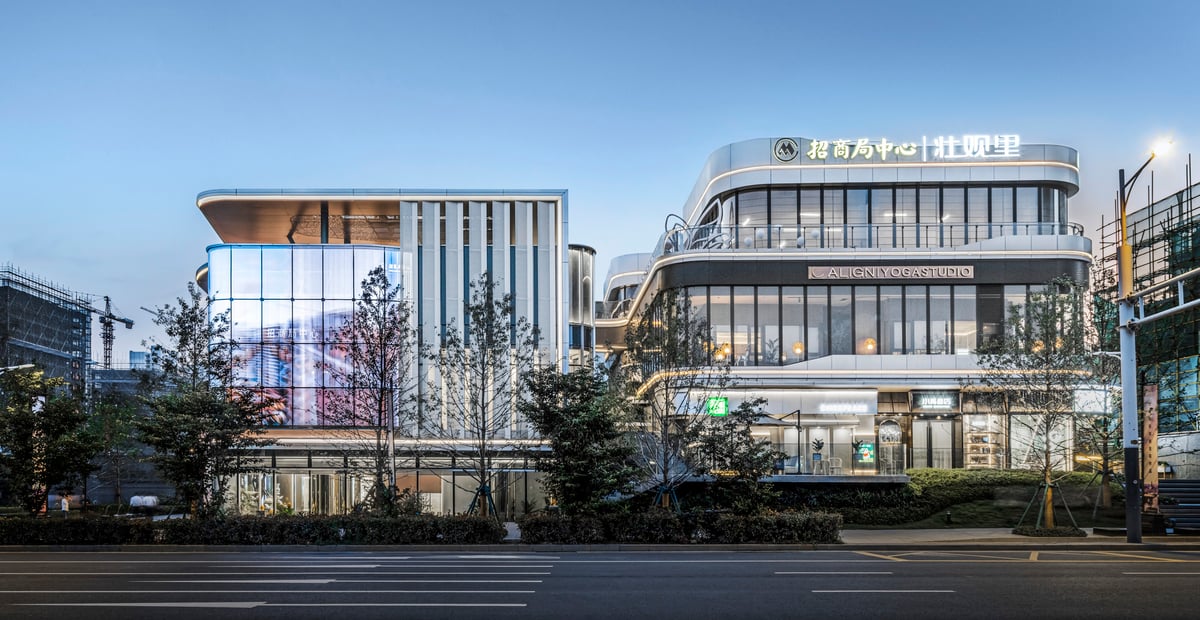
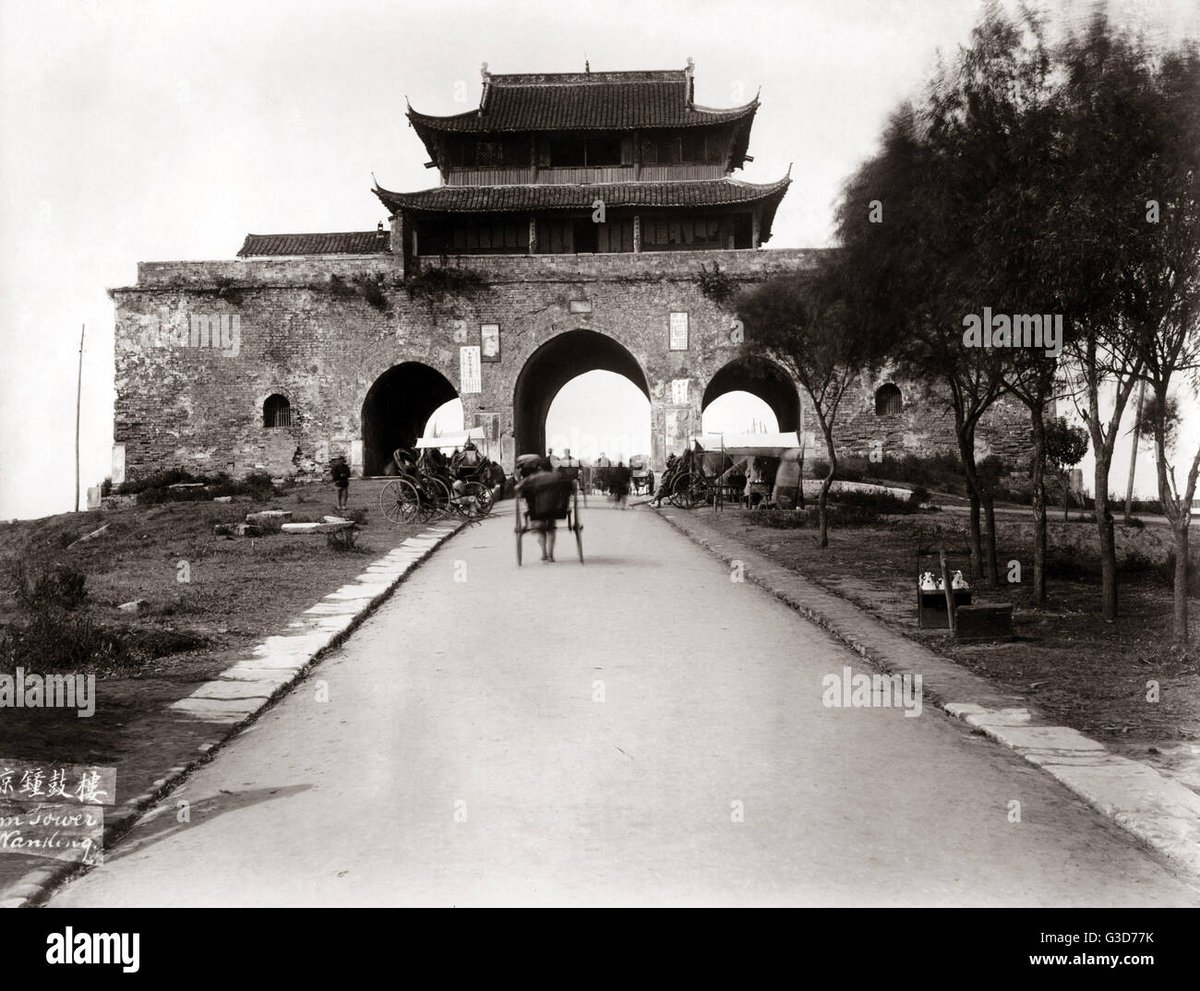
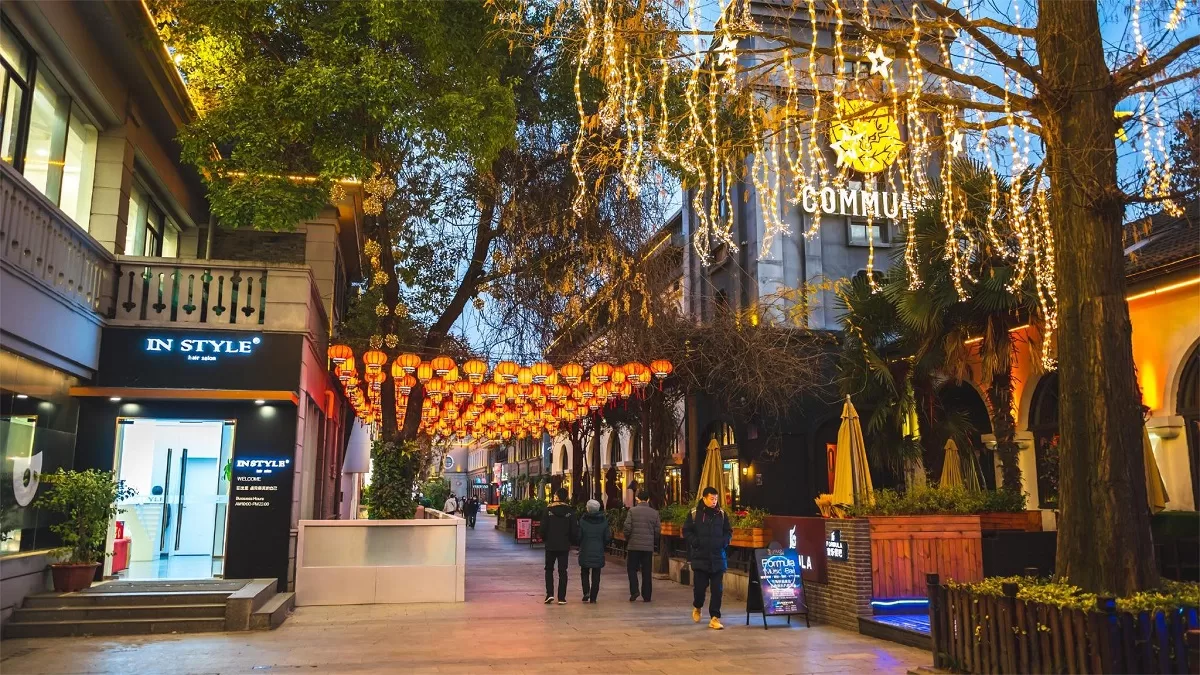
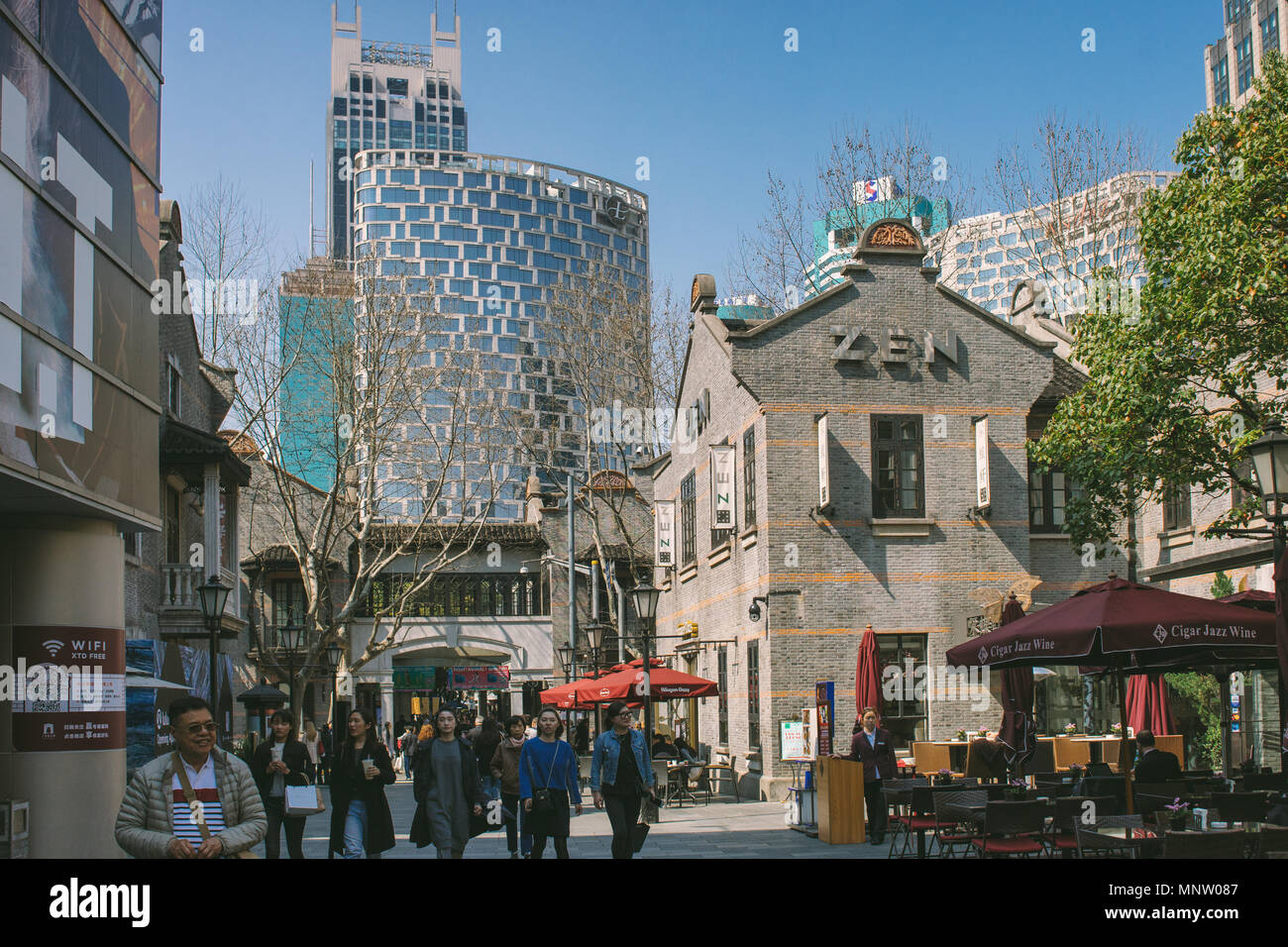
Nanjing 1912 is a regenerated historic commercial district in downtown Nanjing, China, developed from Republican-era architecture dating back to 1912.
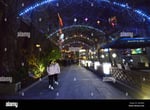
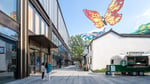
Spanning approximately 20,000 square meters, it functions as a lifestyle and entertainment hub rather than a traditional enclosed mall, featuring pedestrian streets with bars, restaurants, cafes, and boutique shops. The district's market position leverages Nanjing's status as a major Yangtze River Delta city with a GDP exceeding RMB 1.5 trillion in recent years and an urban population of over 9 million.
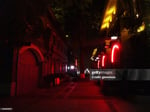
Tenant mix emphasizes food and beverage (F&B) outlets, comprising about 70% of spaces, including traditional Chinese eateries, Western pubs, and international chains like Haidilao hot pot, alongside leisure venues such as dance clubs and cultural spots. Retail components include fashion boutiques and souvenir shops catering to tourists. Footfall benefits from high tourism, with Nanjing attracting over 100 million domestic visitors annually pre-pandemic, though 1912 specifically draws evening crowds estimated at 10,000-20,000 daily on weekends.
Occupancy rates hover around 85-90%, supported by prime location near Qinhuai River and metro access.
Rent levels average RMB 500-800 per square meter monthly, competitive for experiential retail but higher than suburban areas due to heritage appeal.
Accessibility is strong via Line 1 metro and bus networks, though parking is limited.
Demographic profile targets young professionals (ages 20-35), university students from nearby institutions like Nanjing University, and domestic tourists, with average household income in surrounding Gulou District at RMB 80,000 annually.
Leasing advantages include flexible short-term options for pop-ups and seasonal events, cultural branding synergy, and proximity to 5 million annual inbound tourists. However, challenges arise from F&B saturation, seasonal footfall dips in winter, and competition from modern malls like Xinjiekou's Deji Plaza.
Operational quality is maintained through municipal oversight, but aging infrastructure requires ongoing renovations to preserve historic charm without disrupting business.
Interested in this property?
Choose how you'd like to proceed
Advertise at this property?
Reach high-intent shoppers across digital screens, atria, and experiential placements.
Hours of Operation
Hours
| Monday | 12:00 AM — 11:59 PM |
| Tuesday | 12:00 AM — 11:59 PM |
| Wednesday | 12:00 AM — 11:59 PM |
| Thursday | 12:00 AM — 11:59 PM |
| Friday | 12:00 AM — 11:59 PM |
| Saturday | 12:00 AM — 11:59 PM |
| Sunday | 12:00 AM — 11:59 PM |
Hours may vary on public holidays. Check with individual stores for specific holiday schedules.
Insights
Demographics and Footfall
Nanjing 1912 attracts a youthful demographic, primarily ages 18-35, including local university students, urban white-collar workers, and tourists. The surrounding Gulou District has a population density of 15,000 per square kilometer, with median household income around RMB 80,000 yearly, supporting mid-tier spending on dining and leisure. Footfall peaks evenings and weekends, estimated at 15,000 daily visitors based on tourism reports, driven by Nanjing's 100+ million annual domestic tourists and 1 million internationals. However, weekday daytime traffic is lower, relying on nearby office workers, posing risks for pure retail tenants outside F&B.
Competition and Tenant Mix
The district faces competition from nearby Xinjiekou CBD, Nanjing's premier shopping hub with over 1 million square meters of retail space and anchors like Zara and Uniqlo, drawing higher general merchandise footfall. Confucius Temple area offers traditional nightlife alternatives, while modern malls like Aqua City report 90% occupancy with diverse mixes. 1912's tenant composition is 70% F&B (e.g., pubs, hot pot chains), 20% entertainment, and 10% boutiques, creating synergy for lifestyle brands but limiting variety for non-leisure retailers. Market saturation in bars risks cannibalization, with some reports noting branding challenges post-regeneration.
Lease Terms and Risks
Leasing terms feature base rents of RMB 500-800 per square meter monthly, plus 10-15% turnover rent for F&B, with typical 3-5 year terms and incentives like rent-free periods for heritage-compliant fit-outs. Accessibility via metro is excellent, but limited parking (under 500 spots) hampers car-dependent shoppers. Risks include economic sensitivity to tourism fluctuations, with post-2020 recovery showing 20% footfall variance, aging infrastructure needing RMB 10-20 million annual upkeep, and regulatory hurdles for alcohol licenses in historic zones. Overall, suitable for experiential retailers tolerant of nightlife dominance.
Building Details
Detailed Market Analytics
City Snapshot
Nanjing
Comprehensive market intelligence for retail expansion in this city

Other Retail Destinations in Nanjing
Discover more shopping centers in Nanjing.

Popular in China
Top retail destinations across China.

Interested in this property?
Choose how you'd like to proceed
Advertise at this property?
Reach high-intent shoppers across digital screens, atria, and experiential placements.
City Snapshot
Nanjing
Comprehensive market intelligence for retail expansion in this city