


Brand Fit Snapshot
Best for:
Not ideal if:
Quick assessment - takes 30 seconds
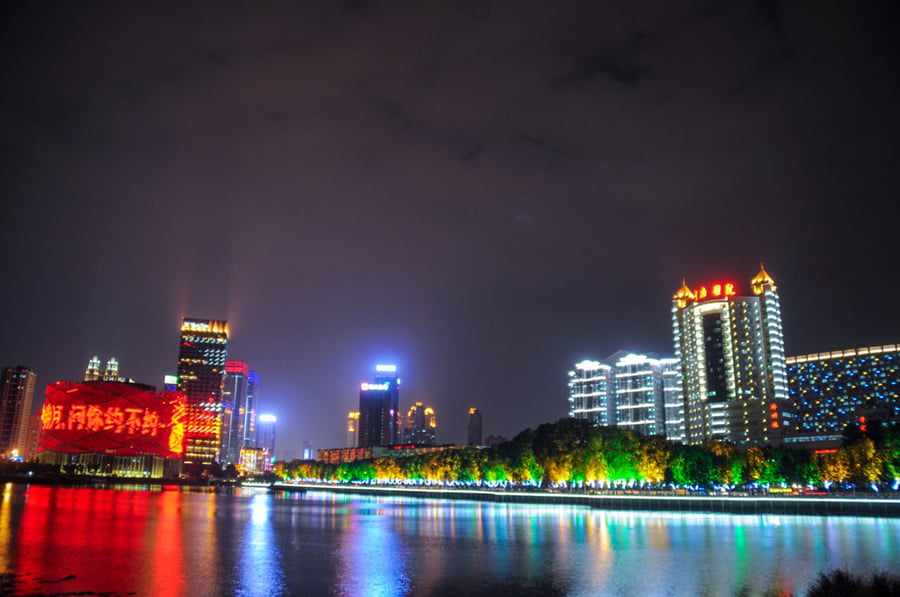
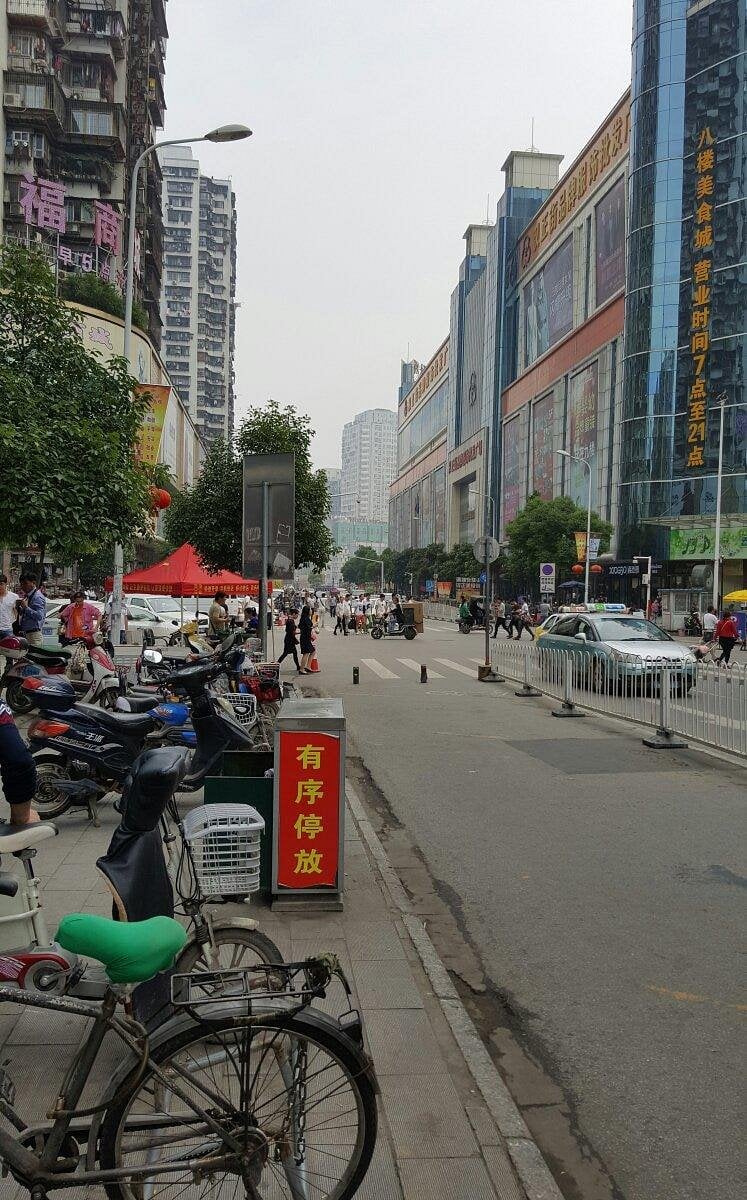
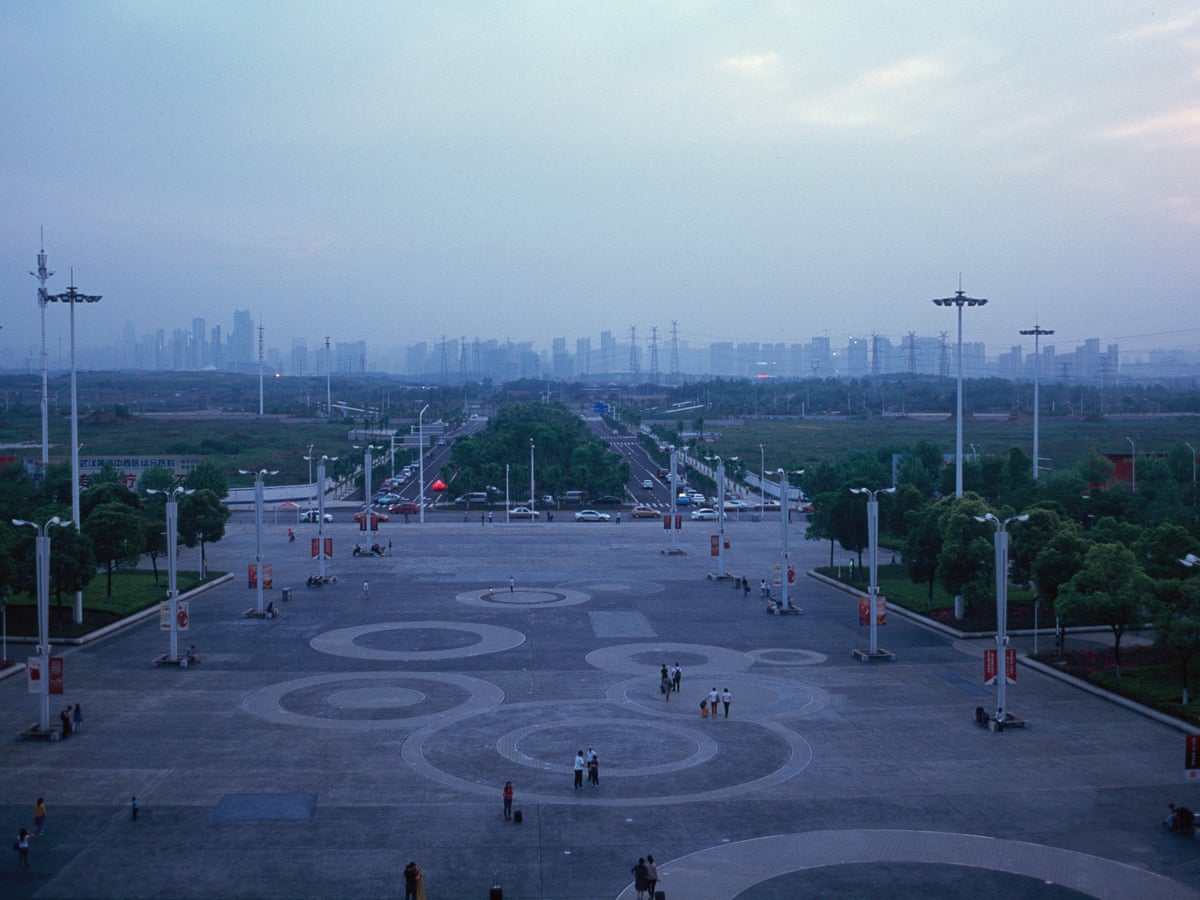
Hankou North International Commodity City, located in Huangpi District, Wuhan, Hubei Province, serves as a major wholesale and trade hub in Central China. Developed by Zhuoer Group starting in 2006 and operational since 2009, it spans over 6 million square meters of built area within a planned 8 million square meters, comprising more than 30 professional markets focused on consumer goods. The tenant mix emphasizes wholesale sectors including footwear and leather goods, branded clothing, hotel supplies, small commodities, bedding, automobiles, textiles, flowers, seafood, and spices, accommodating over 30,000 merchant households.
It integrates logistics with 412 companies and has evolved into a digital trade platform via online-offline fusion, live streaming bases, and supply chain ecosystems like HUA Spinning Chain and Flower Chain.
Market position as China"s largest by scale and second by turnover (2023 transaction volume: 1,859 billion CNY; 2024: over 2,000 billion CNY) supports Wuhan"s role in national logistics.
Leasing advantages include low rents relative to retail malls (estimated 20-40 CNY/sqm/month in similar Wuhan markets), high visibility for wholesalers, and access to export pilots with cumulative exports around 150 billion USD. However, peripheral location poses accessibility challenges despite proximity to Wuhan Tianhe Airport and highways. Occupancy remains strong at near-full levels due to demand, but competition from e-commerce erodes traditional footfall.
Demographic draw includes regional wholesalers, international buyers from 168 countries, and urban consumers in Wuhan"s 11 million population, with middle-income focus on bulk procurement.
Operational quality benefits from modern infrastructure and AI-driven tools, though aging sections require upgrades. Risks involve market saturation in wholesale categories and adaptation to post-pandemic shifts, with footfall varying seasonally but averaging high trader traffic without public retail metrics.
Interested in this property?
Choose how you'd like to proceed
Advertise at this property?
Reach high-intent shoppers across digital screens, atria, and experiential placements.
Hours of Operation
Hours
| Monday | 08:00 AM — 06:00 PM |
| Tuesday | 08:00 AM — 06:00 PM |
| Wednesday | 08:00 AM — 06:00 PM |
| Thursday | 08:00 AM — 06:00 PM |
| Friday | 08:00 AM — 06:00 PM |
| Saturday | 08:00 AM — 06:00 PM |
| Sunday | 08:00 AM — 06:00 PM |
Hours may vary on public holidays. Check with individual stores for specific holiday schedules.
Insights
Demographics and Accessibility
Wuhan"s population exceeds 11 million, with Huangpi District attracting middle-income wholesalers and retailers from Central China provinces like Hubei, Hunan, and Henan. The site serves B2B demographics focused on bulk buyers aged 25-55, supplemented by international traders via cross-border platforms reaching 168 countries. Accessibility is enhanced by proximity to Tianhe International Airport (20 km), Hankou North Railway Station, and major highways (G4, G50), facilitating logistics for 412 firms. However, suburban location limits pedestrian footfall compared to central Hankou, relying on vehicular and rail access; public transit improvements are ongoing but congestion during peak trade seasons poses delays. This positions it well for logistics-dependent tenants but less for impulse retail.
Tenant Mix and Occupancy
The tenant mix is wholesale-oriented, with over 30,000 households in sectors like clothing (40% share via branded city), small goods (20%), and emerging chains for flowers/seafood (international imports from 15+ countries). Occupancy rates are high, near 95% in core markets, driven by relocation from old Hankou and digital upgrades like 2,800+ live-streaming merchants generating 1,000+ daily sessions. Rent levels average 25-35 CNY/sqm/month, competitive for B2B but lower than downtown retail (50+ CNY). Strengths include diverse category balance reducing vacancy risks, but weaknesses arise from homogenization in textiles, prompting reforms like experiential zones. Overall, it supports stable leasing for commodity traders amid 2024 transaction volumes over 2,000 billion CNY.
Competition and Market Risks
Competition includes national giants like Yiwu International Trade City (larger turnover) and online platforms (Alibaba, Pinduoduo) capturing 30%+ of wholesale via e-commerce, pressuring physical footfall estimated at millions annually but unquantified publicly. Local rivals in Wuhan"s core districts offer better retail synergy but lack scale. Risks encompass e-commerce disruption, with 20% transaction shift online since 2019, potential infrastructure aging in outer phases, and saturation in weak categories like small commodities amid economic slowdowns. Mitigation via supply chain innovations (e.g., Spicy Exchange handling 18% national chili trade) and exports (5+ billion USD/year) bolsters resilience, though tenants face volatile rents if occupancy dips below 90% due to regional saturation.
Building Details
Detailed Market Analytics
City Snapshot
Wuhan
Comprehensive market intelligence for retail expansion in this city

Other Retail Destinations in Wuhan
Discover more shopping centers in Wuhan.
Popular in China
Top retail destinations across China.

Interested in this property?
Choose how you'd like to proceed
Advertise at this property?
Reach high-intent shoppers across digital screens, atria, and experiential placements.
City Snapshot
Wuhan
Comprehensive market intelligence for retail expansion in this city